











Carbon steel is one of the most widely used metals in manufacturing due to its excellent strength, affordability, and versatility. It is commonly used in automotive parts, construction structures, machinery components, and metal fabrication industries.
However, efficient carbon steel cutting requires the right equipment and cutting parameters. Traditional cutting methods such as plasma cutting, flame cutting, and mechanical cutting may have limitations in speed, precision, edge quality, and operating costs.
A fiber laser cutting machine is an efficient solution for laser cutting carbon steel, offering high cutting speeds, excellent accuracy, minimal heat distortion, and low maintenance requirements. Laser cutting carbon steel with a fiber laser cutting machine is widely used for producing precise metal parts, structural components, and industrial equipment.
This article explains how to cut carbon steel with a fiber laser cutting machine, including machine selection, cutting process, parameters, thickness capability, and practical applications.
Can a Fiber Laser Cutting Machine Cut Carbon Steel?
Ναι. Fiber laser cutting machines can cut carbon steel with high speed, high precision, and excellent edge quality. They are widely used for cutting carbon steel sheets, plates, and tubes across industries such as automotive manufacturing, construction, and metal fabrication.
During the cutting process, the laser source generates a high-energy laser beam that is focused onto the carbon steel surface. The concentrated laser energy rapidly heats and melts the material, while assist gas removes the molten metal from the cutting area.
Compared with traditional cutting methods, fiber laser technology provides:
- Higher cutting accuracy
- Fast processing speeds
- A small heat-affected zone
- Clean and consistent cutting edges
- Lower material waste
- Χαμηλές απαιτήσεις συντήρησης
For metal fabrication companies and steel processing factories, fiber laser cutting is an efficient solution for producing precise carbon steel components.
How Does Laser Cutting Carbon Steel Work?

The process of laser cutting carbon steel involves four main steps: generating the laser beam, focusing the laser energy, applying assist gas, and completing the cutting process.
Step 1: Generate the Laser Beam
The process starts with the fiber laser source generating a high-power laser beam. The laser beam is transmitted through a fiber optic cable to the cutting head, where it is precisely directed toward the carbon steel surface.
Modern fiber laser sources provide stable output power, high efficiency, and long service life, making them suitable for continuous industrial production in applications such as metal fabrication, automotive manufacturing, and steel processing.
Step 2: Focus the Laser Energy
Inside the cutting head, optical components focus the laser beam into a small, highly concentrated spot on the carbon steel surface. The high energy density rapidly heats the carbon steel to its melting point, creating a narrow molten zone that is continuously removed by the assist gas.
A smaller focused spot helps achieve a narrower kerf, higher cutting accuracy, and reduced material deformation. This is especially important for manufacturers that require consistent dimensions and high-quality edges for finished parts.
Step 3: Apply Assist Gas
Assist gas plays an important role in the performance and quality of laser cutting carbon steel. During the cutting process, the gas removes molten metal from the cutting area and helps improve cutting speed and edge quality.
Oxygen is commonly used for cutting carbon steel, especially when processing thicker plates. The oxygen reacts with the heated material, generating additional heat that supports the cutting process and improves penetration. It is often used for applications such as construction steel, heavy machinery components, and thick carbon steel plates.
Nitrogen can be used when a clean cutting edge with minimal oxidation is required. Since nitrogen does not react with the material, it helps achieve better surface quality and reduces the need for additional post-processing. It is commonly used for automotive components, precision parts, and decorative metal products.
Step 4: Complete the Cutting Process
The CNC control system guides the movement of the cutting head according to the programmed design. During operation, the CNC control system coordinates key cutting parameters, including the cutting path, laser power, cutting speed, gas pressure, and focus position.
This automated process allows manufacturers to achieve stable and repeatable cutting results, making fiber laser cutting machines suitable for high-volume production and complex carbon steel processing applications.
What Thickness of Carbon Steel Can a Fiber Laser Cut?
The maximum thickness a fiber laser cutting machine can cut depends on several factors, including laser power, machine configuration, assist gas, cutting parameters, and the required edge quality. In general, higher-power fiber lasers can process thicker carbon steel while maintaining faster cutting speeds and higher productivity.
The table below provides a general reference for the cutting capacity of modern fiber laser cutting machines.
| Ισχύς λέιζερ | Recommended CS Thickness | Typical Applications |
|---|---|---|
| 1500W | Up to 12–14mm | Sheet metal fabrication, cabinets, electrical enclosures |
| 2000W | Up to 14–16mm | Machinery parts, light structural components |
| 3000W | Up to 20mm | General fabrication, automotive parts, equipment manufacturing |
| 6000W | Up to 30mm | Heavy fabrication, steel structures, industrial equipment |
| 12000W+ | 40mm and above | Thick plate processing, shipbuilding, heavy industry |
(Note: These thicknesses are for reference only. Actual cutting capacity may vary depending on machine configuration, assist gas, material quality, focus position, cutting speed, and the required cut quality.)
How to Choose the Right Laser Power
Instead of selecting the highest-power machine available, manufacturers should choose laser power based on their actual production requirements.
For example:
- 1500W–2000W machines are suitable for manufacturers primarily processing thin and medium-thickness carbon steel sheets.
- 3000W is one of the most popular choices for general metal fabrication, offering an excellent balance between cutting capacity, speed, and investment cost.
- 6000W and higher-power machines are better suited for companies that frequently process thicker carbon steel or require higher production efficiency.
For manufacturers handling very thick carbon steel plates, 12KW and above provide greater cutting capacity and higher productivity for demanding industrial applications.
Choosing the Right Fiber Laser Machine
WINTEK Laser offers fiber laser cutting machines from 1.5KW to 60KW, allowing manufacturers to select the most suitable configuration based on:
- Material thickness
- Daily production volume
- Required cutting speed
- Working area
- Προϋπολογισμός
Rather than choosing a machine based only on maximum cutting thickness, selecting a configuration that matches your day-to-day production requirements will deliver better efficiency and a higher return on investment.
What Factors Affect Carbon Steel Laser Cutting?
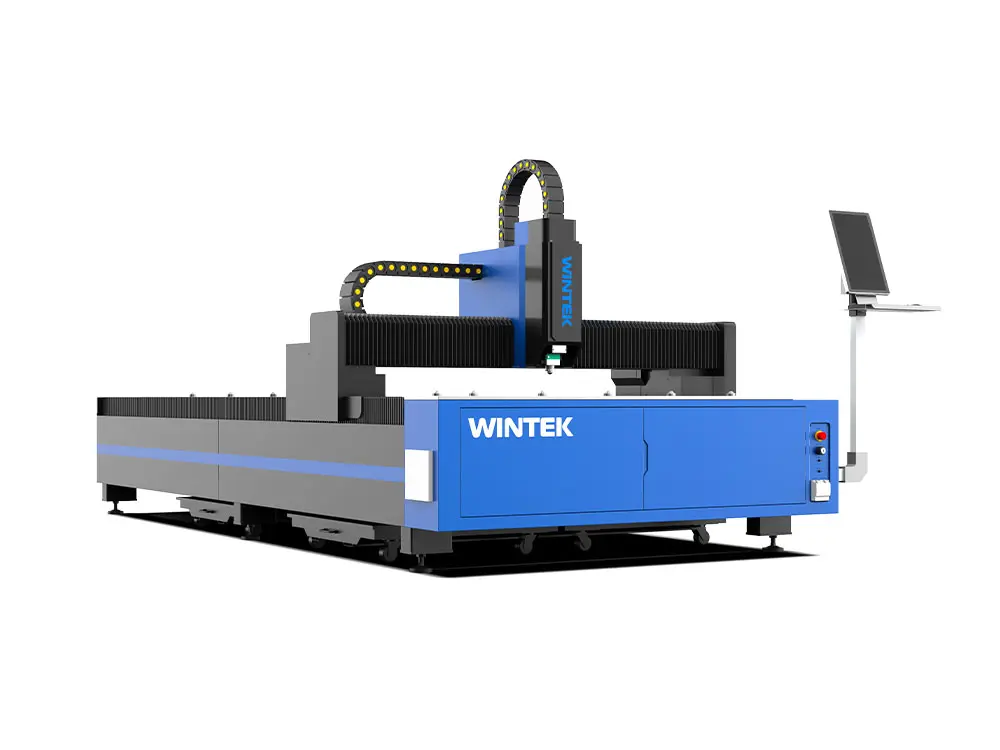
Several factors can affect the cutting performance, speed, and edge quality when using a fiber laser cutting machine for carbon steel. Understanding these factors can help manufacturers choose the right machine configuration and achieve consistent cutting results.
1. Ισχύς λέιζερ
Laser power is one of the most important factors affecting carbon steel cutting performance. Higher laser power generally allows the machine to cut thicker materials and achieve faster cutting speeds. However, choosing the highest power is not always necessary. The ideal laser power depends on the material thickness, production volume, and required cutting speed.
2. Material Thickness
The thickness of carbon steel directly affects cutting speed and machine requirements. Thinner sheets can usually be processed at higher speeds, while thicker plates require more laser power and slower cutting speeds to achieve stable and high-quality results.
3. Cutting Speed
Cutting speed affects both productivity and cut quality. If the cutting speed is too high, the laser may not provide enough energy to fully penetrate the material, which can result in incomplete cuts or rough edges. If the speed is too low, excessive heat may build up and affect the cutting quality.
The right cutting speed should be selected based on laser power, material thickness, assist gas, and other cutting parameters.
4. Assist Gas
The choice of assist gas can affect cutting speed, edge quality, and oxidation. Oxygen is commonly used for carbon steel cutting, while nitrogen can be selected when a cleaner cutting edge with minimal oxidation is required.
The appropriate gas and pressure should be adjusted according to the material thickness and desired cutting results.
5. Focus Position
The focus position determines where the laser beam reaches its highest energy density. A properly adjusted focus position helps concentrate the laser energy in the correct area of the material, improving cutting stability and edge quality.
The optimal focus position can vary depending on material thickness and cutting conditions.
6. Nozzle Size
The nozzle controls the flow of assist gas around the laser beam and plays an important role in the cutting process. Using the correct nozzle size helps maintain stable gas flow and effectively remove molten metal from the cutting area.
The appropriate nozzle should be selected based on the material thickness, assist gas, and cutting parameters.
By optimizing these factors together, manufacturers can improve cutting speed, edge quality, and overall production efficiency when processing carbon steel with a fiber laser cutting machine.
How to Choose the Right Fiber Laser Cutting Machine for Carbon Steel?
Choosing the right fiber laser cutting machine for carbon steel depends on your specific production requirements. The most important factors to consider include material thickness, production volume, required cutting speed, working area, and laser power.
First, consider the thickness of the carbon steel you plan to cut most frequently. If you mainly process thin and medium-thickness sheets, a lower-power fiber laser cutting machine may provide sufficient performance and better cost efficiency. For thicker carbon steel plates or high-volume production, a higher-power laser cutting machine can provide greater cutting capacity and faster processing speeds.
Production volume is another important consideration. For high-volume manufacturing, a higher-power machine with a suitable working area can help improve productivity and reduce processing time. You should also consider the size of the carbon steel sheets you normally process and choose a machine with a suitable working area to avoid unnecessary material handling.
Finally, consider your required cutting quality, production efficiency, and budget. The right laser power should be selected based on your typical material thickness, production volume, cutting speed requirements, and desired cut quality, not simply the maximum thickness you need to cut. Choosing a fiber laser cutting machine that matches your actual production needs can help improve efficiency, reduce operating costs, and achieve consistent cutting results.
What Are the Applications of Carbon Steel Laser Cutting?
Carbon steel laser cutting is widely used across many industries because of its high precision, fast processing speed, and ability to produce complex shapes with consistent results. Common applications include:
- Automotive Manufacturing: Fiber laser cutting machines are used to produce brackets, structural components, panels, and other carbon steel parts with high accuracy and consistent quality.
- Construction and Steel Fabrication: Laser cutting is suitable for processing components used in steel structures, equipment frames, construction projects, and other large-scale applications.
- Machinery Manufacturing: Manufacturers use fiber laser cutting machines to produce machine parts, housings, brackets, and other precision components.
- Κατασκευή μετάλλων: Fabrication companies use laser cutting to produce custom carbon steel parts in different shapes and sizes for a wide range of industrial applications.
- Agricultural Machinery: Carbon steel laser cutting is used to manufacture components for agricultural equipment, including brackets, frames, structural parts, and machine components.
- Industrial Equipment: Fiber laser cutting machines can process carbon steel parts used in industrial machinery, equipment frames, enclosures, and other manufacturing applications.
With the right machine configuration, manufacturers can process different carbon steel thicknesses while maintaining high cutting accuracy and consistent edge quality. This makes fiber laser cutting a practical solution for both custom fabrication and high-volume industrial production.
Why Choose WINTEK Laser for Carbon Steel Cutting?

Choosing a reliable laser machine manufacturer is just as important as selecting the right machine configuration. WINTEK Laser provides fiber laser cutting solutions designed for different carbon steel processing requirements, from general sheet metal fabrication to high-volume industrial production and thicker plate cutting.
With 10+ years of expertise in laser equipment manufacturing, WINTEK Laser offers fiber laser cutting machines with multiple power configurations to meet different material thicknesses and production needs. Customers can select the right machine based on their typical material thickness, required cutting speed, working area, production volume, and budget.
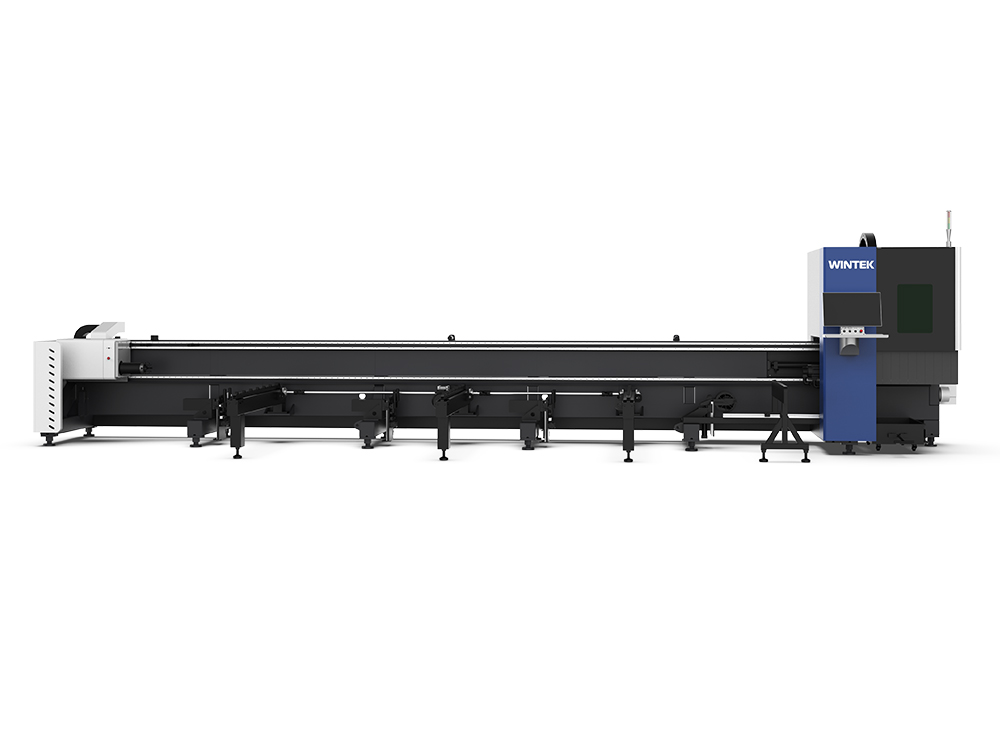
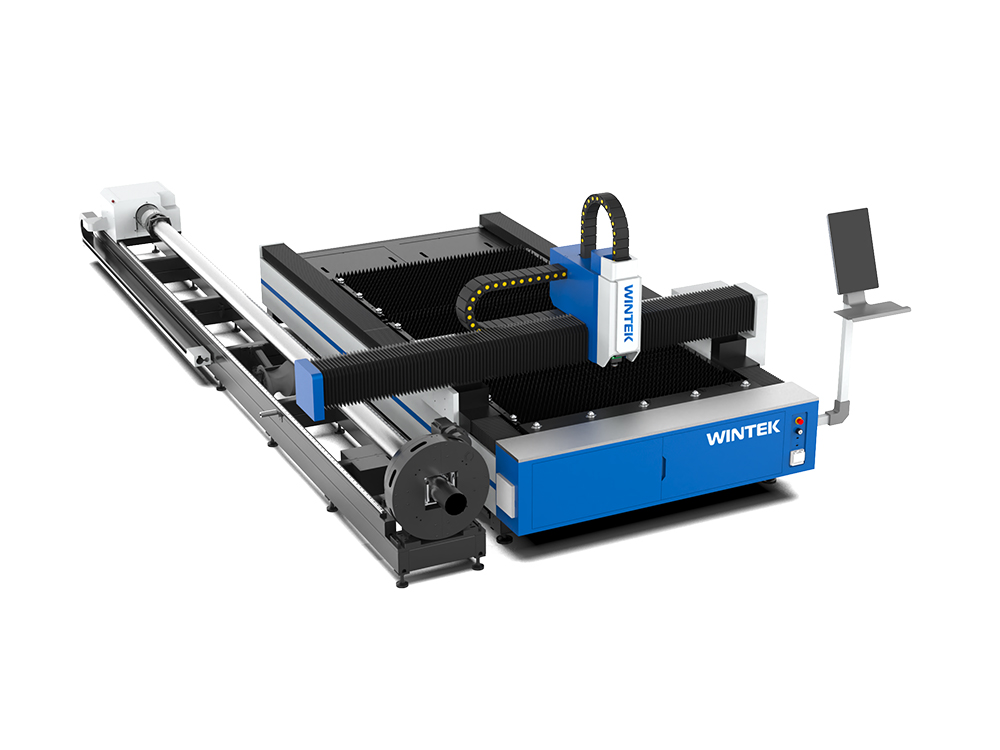
WINTEK Laser provides a wide range of metal processing solutions, including sheet and plate laser cutting, tube laser cutting, and sheet and tube laser cutting machines. With a focus on stable machine performance, cutting accuracy, and efficient production, WINTEK Laser helps manufacturers achieve consistent results and improve overall productivity.
If you are planning to invest in a fiber laser cutting machine for carbon steel, WINTEK Laser can provide a suitable solution based on your materials, processing requirements, and production goals.
Συμπέρασμα
Fiber laser cutting has become the preferred solution for carbon steel processing because it delivers faster cutting speeds, higher precision, lower operating costs, and greater production efficiency than many traditional cutting methods. Laser cutting carbon steel with a fiber laser cutting machine is an efficient solution for manufacturers that need high precision, fast processing, and consistent cutting quality. The actual cutting performance depends on several factors, including laser power, material thickness, cutting speed, assist gas, focus position, and other cutting parameters.
Choosing the right machine is not simply about selecting the highest laser power. Manufacturers should consider their typical material thickness, production volume, required cutting speed, working area, and desired cut quality when selecting a fiber laser cutting machine.
With the right machine configuration and optimized cutting parameters, fiber laser technology can provide reliable and efficient performance for a wide range of carbon steel processing applications. If you are looking for a fiber laser cutting machine for laser cutting carbon steel, contact WINTEK Laser to discuss your specific material and production requirements.