
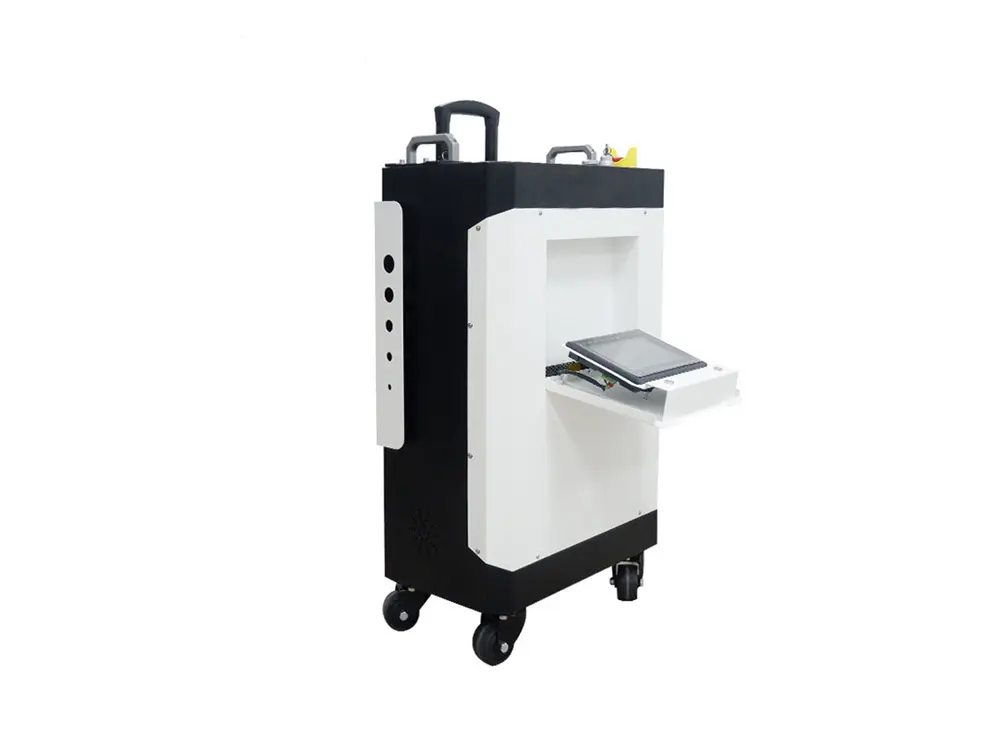
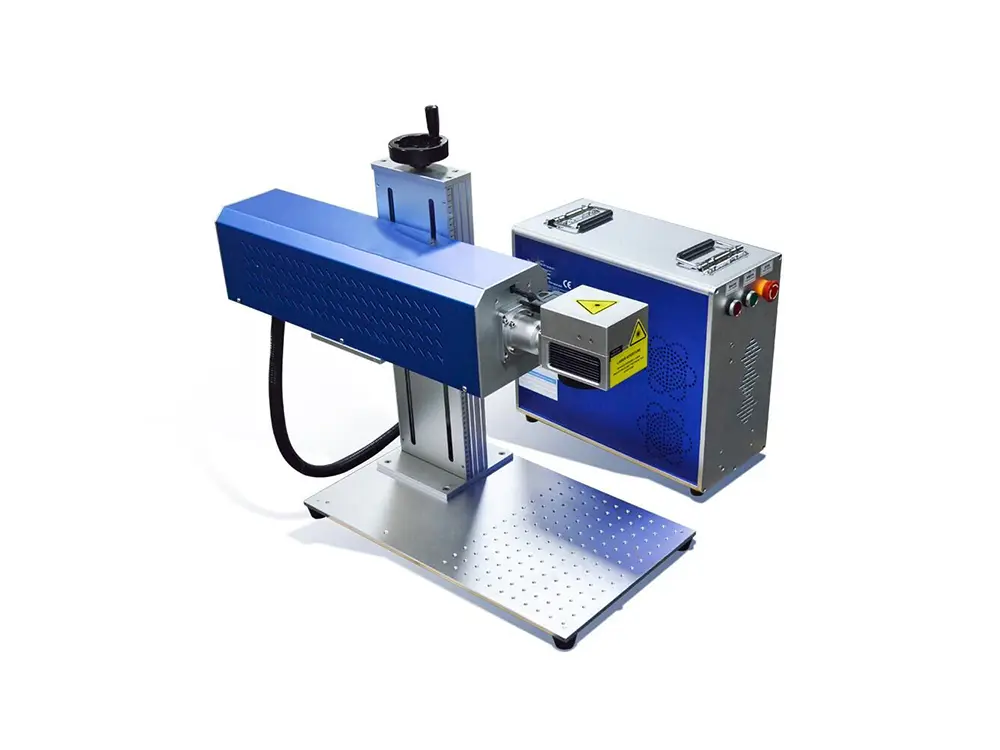











Yes, a handheld laser cleaner can be used outdoors for rust removal, paint removal, and industrial surface maintenance, provided the equipment is suitable for the site conditions. It allows operators to clean large structures, installed machinery, and metal components without transporting them to a dedicated cleaning area.
Before starting work, consider weather conditions, power availability, equipment protection, and laser safety. Rain, excessive temperatures, dust, and uncontrolled access to the work area can affect equipment operation and create safety risks. Choosing the right machine configuration and preparing the site properly can help ensure reliable cleaning results.
Can You Use a Handheld Laser Cleaner Outdoors?
Outdoor use is suitable when the machine’s operating specifications match the site conditions and the work area can be controlled safely. However, weather protection, power availability, material compatibility, and laser safety must all be considered before starting work.
Common outdoor applications include:
- Removing rust and old coatings from steel structures and metal frames.
- Cleaning construction equipment and agricultural machinery.
- Removing oil, grease, and other residues from suitable metal surfaces.
- Preparing metal components for welding, painting, or recoating.
- Cleaning selected non-metal surfaces after confirming material compatibility and suitable process settings.
Before choosing a machine, check its permitted operating temperature, moisture protection, power requirements, and cooling system. Do not operate the equipment in rain or wet conditions unless the manufacturer explicitly permits the specific conditions involved. The work area must also allow effective control of laser exposure and cleaning emissions.
What Outdoor Conditions Affect Laser Cleaning?
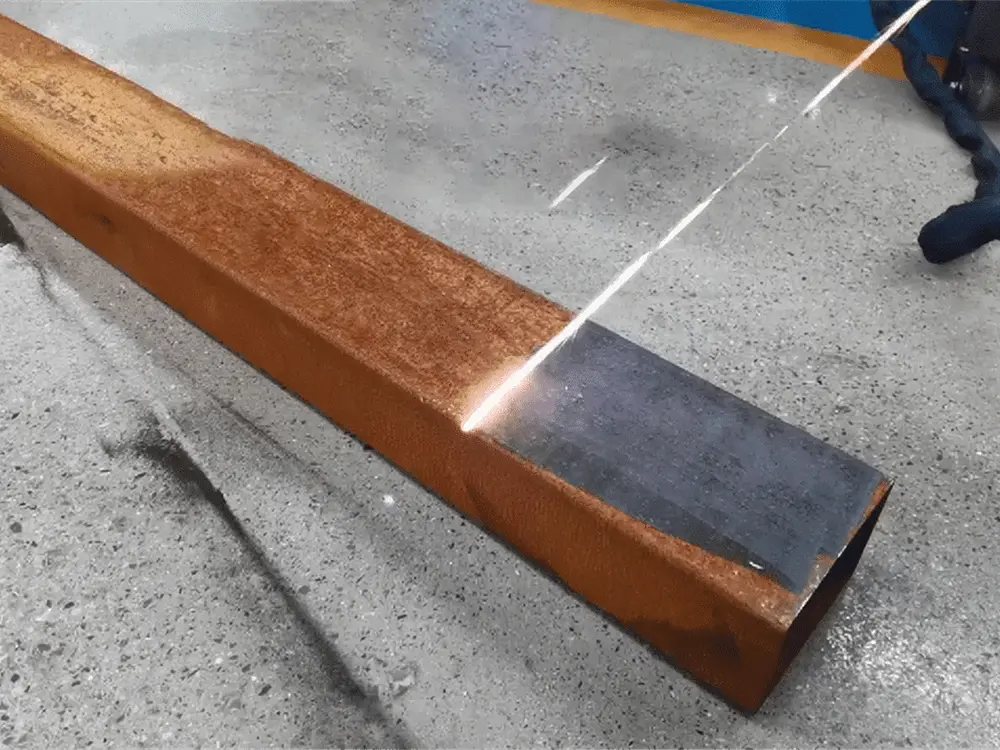
Weather is one of the most important considerations when planning an outdoor laser cleaning job. The machine and workpiece should remain within the operating conditions specified by the manufacturer.
1. Rain and Moisture
Rain and direct water exposure can damage electrical components and create safety risks. Unless the manufacturer explicitly permits operation under the specific conditions, do not use the machine in rain or allow moisture to reach components that are not rated for wet environments.
If rain begins during operation, stop the job safely and follow the manufacturer’s shutdown and protection procedures. Do not restart the machine until the equipment, electrical connections, and work area have been checked and confirmed safe.
2. Humidity and Condensation
High humidity and sudden temperature changes can cause condensation under certain conditions, particularly when equipment moves between environments with different temperatures. Moisture may affect electrical connections and sensitive components, particularly when a machine is moved from a cold storage area to a warmer environment.
Allow the equipment to reach the appropriate operating conditions before use. If condensation is suspected, follow the manufacturer’s inspection and drying procedures rather than switching the machine on immediately.
3. Wind and Dust
Wind can carry dust and debris into the work area, contaminate exposed equipment, and make cleaning emissions more difficult to control. Strong gusts can also disturb cables and lightweight accessories.
Choose a sheltered location when practical, secure loose items, and keep equipment openings clear. Assess the dust and fumes generated by the material being removed, and use suitable extraction or other exposure controls where required.
4. Direct Sunlight and Temperature
Direct sunlight can reduce visibility on reflective surfaces and increase the temperature of exposed equipment. High or low ambient temperatures may also affect electronic components, battery performance, and cooling efficiency.
Whenever possible, work in a shaded area with adequate ventilation. Check the specified operating temperature range for the complete machine and its major components, including the laser source, cooling system, and battery if fitted.
How to Protect a Handheld Laser Cleaner Outdoors
Proper equipment protection helps reduce the risk of weather-related damage, contamination, and unplanned downtime during outdoor laser cleaning.
Choose a sheltered work area. Set up the machine on a dry, stable surface, preferably under a suitable canopy or roof. The shelter should protect the equipment from direct weather exposure without restricting cooling airflow or creating hazardous laser reflections.
Protect electrical components. Keep the control cabinet, connectors, and power connections within their specified environmental limits. Inspect cables for damage before use, and never handle electrical connections with wet hands or in wet conditions.
Keep optical components clean. Inspect the protective window and other accessible optical components according to the equipment manual. Dust, fingerprints, and residue can reduce laser transmission and affect cleaning consistency. Use only the approved cleaning materials and procedures.
Maintain adequate cooling. Outdoor dust and high ambient temperatures can affect cooling performance. Keep air inlets and outlets clear on air-cooled models. For water-cooled machines, follow the manufacturer’s requirements for coolant, flow, and operating temperature. Stop operation if the cooling system shows signs of malfunction.
Secure the machine and cables. Position the equipment away from vehicle routes and busy walkways. Route and secure cables to prevent tripping, accidental disconnection, or mechanical damage. Any protective cover must be compatible with the machine’s cooling and ventilation requirements.
What Power Supply Is Needed for Outdoor Laser Cleaning?
The power supply required for outdoor laser cleaning depends on the machine configuration and the conditions at the job site. Before choosing a model, check its power requirements and available power options. If the cleaning site has limited access to electricity, consider how the machine will be powered throughout the job.
1. Backpack Laser Cleaning Machine with Lithium Batteries
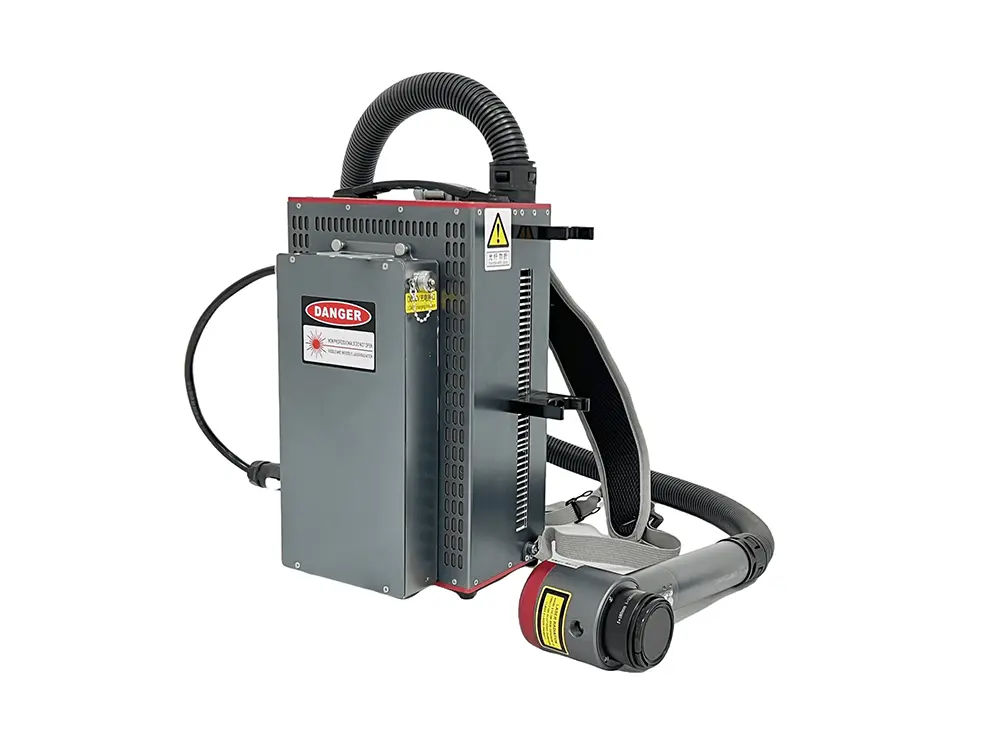
For outdoor cleaning jobs that require frequent movement between work areas, a battery-equipped backpack laser cleaning machine can offer greater flexibility. The WINTEK 50W, 100W, 200W, and 300W backpack pulse laser cleaning machines with lithium batteries are designed for suitable on-site cleaning applications where access to a fixed power outlet may be limited.
Battery operation can reduce dependence on a fixed power connection during cleaning. However, the available runtime depends on the battery capacity, laser settings, workload, and operating conditions. Before deployment, confirm the battery configuration and expected operating time for the selected model. For extended jobs, plan for recharging or other manufacturer-approved power arrangements to minimize interruptions.
2. Backpack Laser Cleaning Machine without Lithium Batteries

For applications where battery operation is not required, the WINTEK 100W and 200W backpack pulse laser cleaning machines without lithium batteries offer an alternative configuration. They may be suitable for outdoor maintenance jobs where a compatible external power supply is available and the operator needs to move between nearby cleaning areas.
Before choosing this configuration, confirm the machine’s rated input voltage, power consumption, and electrical connection requirements. Make sure the available power source can support the equipment throughout the job. If the site is far from a fixed outlet, assess whether a suitable generator or another manufacturer-approved power solution is required. Keep all electrical connections protected according to the equipment specifications and site conditions.
Laser Safety Requirements for Outdoor Cleaning
Outdoor operation does not eliminate the hazards associated with industrial laser cleaning. Laser radiation can cause serious eye and skin injuries, and reflections from metal surfaces may create hazards beyond the immediate cleaning point.
A suitable safety plan should be established before the equipment is switched on.
1. Control the Work Area
Establish a controlled work area before switching on the laser. Use suitable barriers, warning signs, and access restrictions to prevent unauthorized people from entering the hazard zone. Because outdoor sites may lack the physical boundaries of a workshop, assess the surrounding area and apply controls appropriate to the laser classification, equipment instructions, and applicable regulations.
2. Consider Reflections
Reflective materials such as stainless steel, aluminum, and polished metal can redirect laser radiation. Before cleaning, assess the workpiece position and nearby surfaces for potential reflection paths. Use appropriate beam stops and protective barriers where required, and ensure that the laser cannot reach people or uncontrolled areas.
3. Use Appropriate Protective Equipment
Operators and other personnel at risk of exposure must wear laser protective eyewear appropriate for the laser wavelength, optical density, and hazard assessment. Ordinary safety glasses and sunglasses do not provide equivalent protection. Follow the equipment instructions and site risk assessment for additional protective equipment, and allow only trained, authorized personnel to operate the machine.
4. Manage Fumes and Particles
Laser cleaning can release fumes and airborne particles from coatings, contaminants, and the base material. Older paints and industrial coatings may contain hazardous substances, so identify the material and assess the potential exposure risks before starting work.
Use suitable local extraction and other exposure controls when required by the material, risk assessment, and applicable regulations. Outdoor airflow alone may not provide adequate protection, particularly in sheltered or poorly ventilated work areas.
Which Outdoor Applications Are Suitable for a Handheld Laser Cleaner?
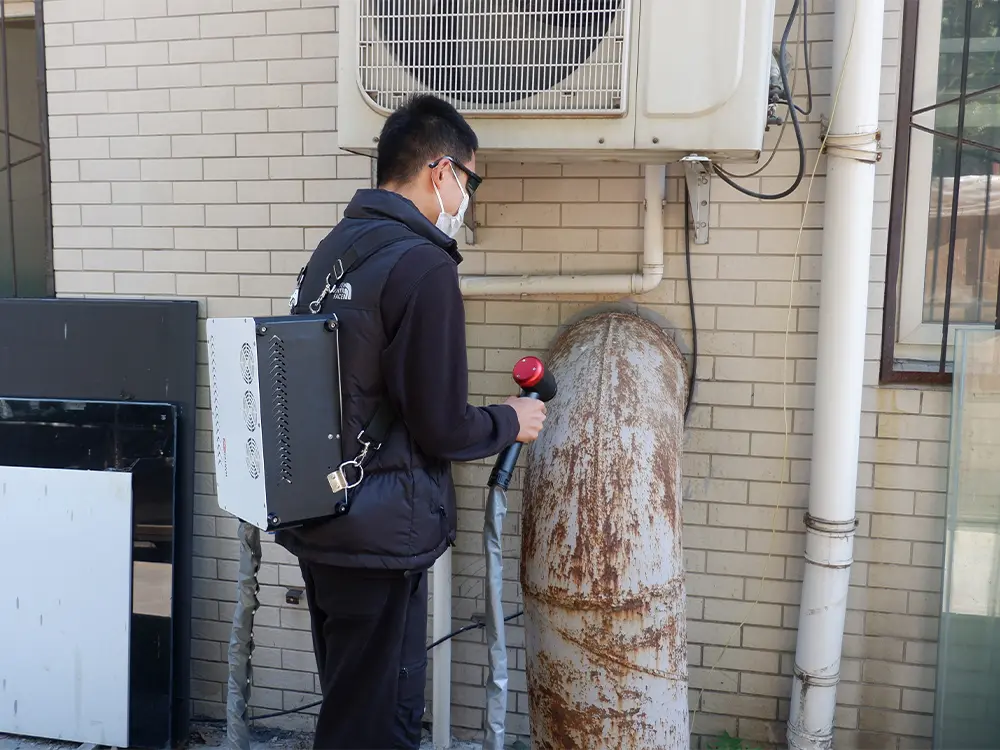
Handheld laser cleaning is suitable for various outdoor industrial applications, particularly when rust, paint, oil, or other contaminants need to be removed from accessible surfaces. The appropriate cleaning method depends on the base material, the type of contamination, and the required surface finish.
Steel Structures and Metal Frames
Steel structures, railings, support frames, and metal enclosures may develop rust or require old coating removal before repainting. A handheld laser cleaner can treat selected areas to prepare metal surfaces for recoating or maintenance.
The cleaning parameters should match the existing coating and the condition of the steel. Test a small area first to confirm that the process removes the unwanted layer without causing unacceptable changes to the substrate or surface finish.
Construction and Agricultural Machinery
Construction equipment and agricultural machinery can accumulate rust, oil, grease, and stubborn residues during regular use. Laser cleaning may help remove these contaminants from suitable metal components during maintenance.
Before cleaning, identify sensitive parts such as rubber seals, hoses, electrical connections, and painted surfaces that must remain intact. Protect or isolate these components as needed, and confirm that the selected laser settings are appropriate for the material and cleaning task.
Industrial Maintenance and Repair
Outdoor maintenance often involves large or installed components that are difficult to dismantle, including machine frames, metal housings, and structural parts. A handheld laser cleaner can help prepare accessible areas for welding, coating, or repair work.
Before treating the full surface, evaluate the base material, remaining coating, and required finish. Conduct a trial on a representative area to verify cleaning effectiveness and check for unwanted surface damage. This is particularly important when the cleaned component must meet specific requirements for a subsequent manufacturing or repair process.
Ship Hulls and Marine Equipment
Marine equipment and exposed metal components can develop rust and accumulate old coatings due to prolonged exposure to moisture and harsh environmental conditions. Handheld laser cleaning may be suitable for removing rust and selected coatings from compatible metal surfaces during maintenance.
Before cleaning, assess the substrate, coating type, and condition of the component. Pay particular attention to the surrounding marine environment and any applicable requirements for coating removal and waste management. Test a small area first to verify the cleaning result and ensure the process is suitable for the intended maintenance work.
Outdoor Metal Furniture and Fences
Metal fences, gates, benches, and other outdoor metal furniture may develop rust or require old paint removal before refinishing. A handheld laser cleaner can treat selected areas to prepare compatible metal surfaces for repainting or other finishing processes.
The appropriate cleaning settings depend on the base material, coating thickness, and required surface finish. Protect nearby materials that could be affected by laser exposure, and test a representative area before treating the entire surface. For thin metal components or decorative finishes, take particular care to avoid unwanted surface damage.
How to Prepare for an Outdoor Laser Cleaning Job
A pre-job inspection helps reduce equipment problems and maintain consistent cleaning results. Before starting an outdoor laser cleaning task, work through the following checks.
Check the weather: Confirm that temperature, humidity, and other site conditions fall within the machine’s permitted operating limits. Postpone work if conditions are unsuitable.
Verify the power supply: Check the rated input voltage, power consumption, and available power source. For battery-equipped models, confirm the battery status and expected runtime.
Inspect the equipment: Check cables, connectors, optical components, and the cooling system according to the manufacturer’s instructions.
Identify the material: Confirm the base material and the coating or contaminant to be removed. Assess potential hazards from the material and its cleaning emissions.
Test a representative area: Adjust the cleaning parameters and confirm that the process removes the unwanted material without damaging the substrate.
Establish laser safety controls: Restrict access to the work area, provide suitable laser protective eyewear, and implement appropriate controls for reflections, fumes, and airborne particles.
Secure the work area: Position the machine on a stable surface and route cables away from walkways and vehicle traffic.
During operation, monitor equipment performance and stop work if conditions exceed the permitted limits or the machine shows signs of overheating, abnormal operation, or damage. After cleaning, check that the surface meets the requirements of the next process, such as welding, coating, or maintenance.
Заключение
Choosing the right handheld laser cleaner starts with understanding your cleaning requirements, target materials, and working environment. The machine configuration should match the job, whether you need greater mobility for on-site work or a suitable setup for regular industrial maintenance.
WINTEK offers pulse and continuous laser cleaning machines for different industrial applications. Contact WINTEK Laser to discuss your project and find a machine configuration that fits your cleaning needs.