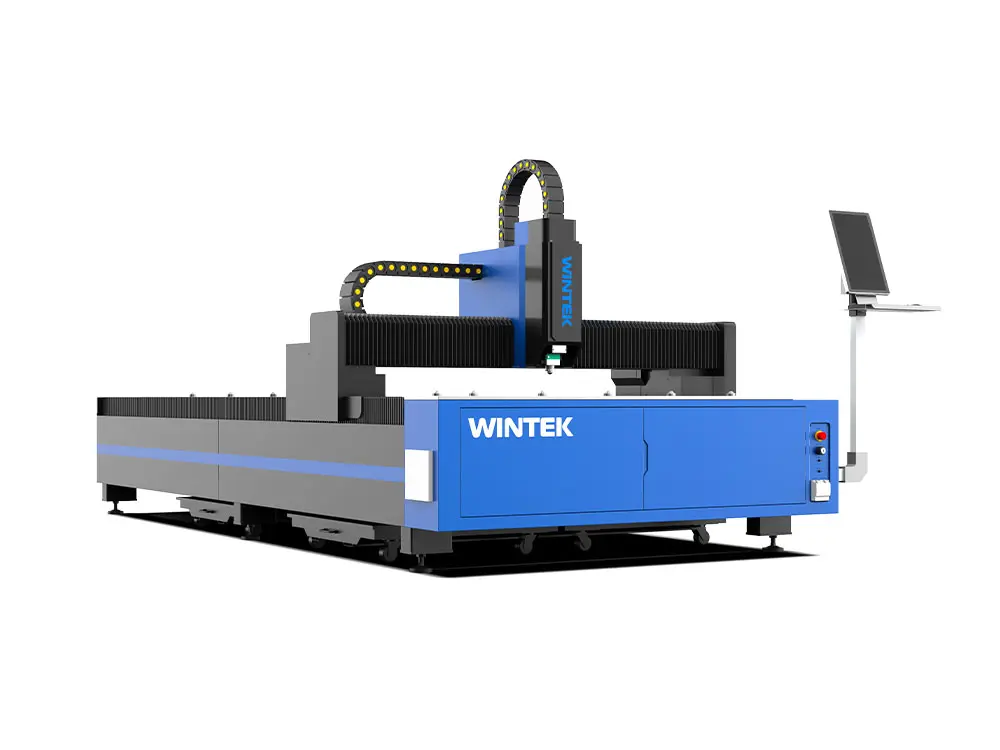
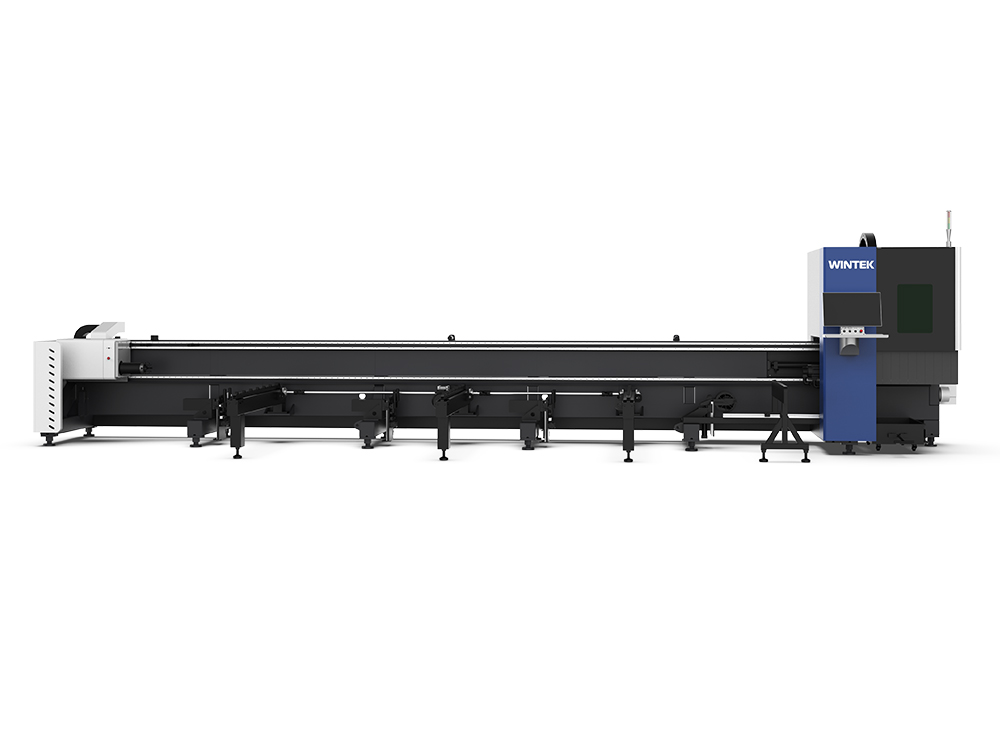
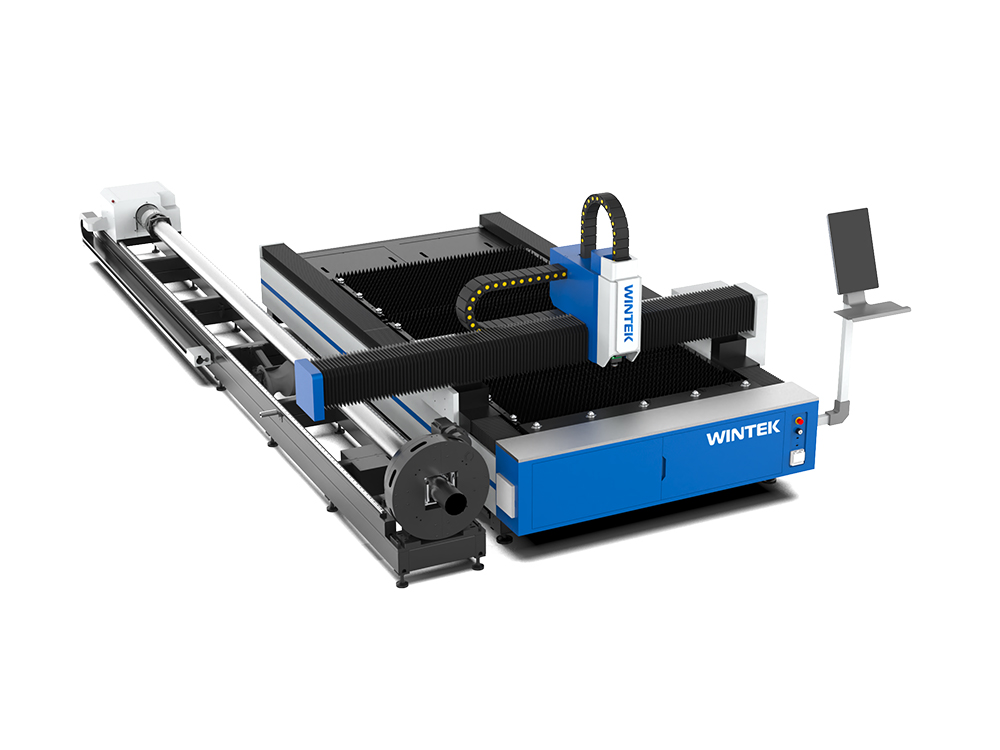












A fiber laser cutting machine needs a rigid and stable structure to maintain consistent cutting performance over long-term operation. The machine bed is one of its most important structural components because it supports the working table, guide rails, drive system, and other key parts.
Most fiber laser cutting machine beds are made from welded steel structures. During welding and fabrication, the steel is exposed to localized heat and repeated heating and cooling. These thermal cycles can create residual stress inside the welded structure.
If this stress is not properly controlled, the machine bed may experience dimensional changes during later manufacturing processes. For large laser cutting machines, even small changes can affect critical mounting surfaces and mechanical alignment.
For this reason, appropriate heat treatment can be an important step in machine bed manufacturing. It helps stabilize the welded structure before critical surfaces are precision machined.
This article explains the role of high-temperature annealing, its position in the manufacturing process, and how machine bed stability affects the mechanical performance of a fiber laser cutting machine.
What Is High-Temperature Annealing?
High-temperature annealing is a heat treatment process used to help reduce internal stress and improve the stability of a welded steel machine bed.
During welding, uneven heating and cooling can leave residual stress in different areas of the structure. Appropriate heat treatment helps relieve part of this stress and prepares the welded bed for subsequent machining.
For a fiber laser cutting machine bed, the purpose is not to improve the laser beam itself. Instead, the treatment focuses on achieving a more stable structural foundation before critical surfaces are finished.
How Does High-Temperature Annealing Improve Machine Bed Stability?

High-temperature annealing can support machine bed stability in several ways.
1. Reduce Residual Stress
Welding causes localized expansion and contraction in the steel. Because different sections cool at different rates, internal stress can remain after welding.
Heat treatment can help relieve part of this residual stress and reduce the possibility of later dimensional changes.
2. Stabilize the Welded Structure
A large machine bed must maintain its geometry throughout manufacturing.
If residual stress is released after precision machining, some areas of the structure may move or deform. Stabilizing the bed before machining helps reduce this risk.
3. Improve Machining Conditions
Precision machining creates flat and accurate mounting surfaces for guide rails, drive components, and other mechanical parts.
A more stable welded structure provides a consistent base for machining these critical surfaces.
4. Support Mechanical Assembly
The finished bed provides mounting references for the machine’s major mechanical components.
Stable mounting surfaces make it easier to maintain the intended relationship between the guide rails, drive system, working table, and other assemblies.
How Is a Fiber Laser Cutting Machine Bed Annealed?
High-temperature annealing is normally carried out during the manufacturing process of a welded machine bed.
The exact heat treatment process depends on factors such as the steel material, machine bed size, structural design, and manufacturing requirements.
A typical manufacturing sequence includes the following steps.
1. Steel Components Are Prepared
Steel plates and structural components are prepared according to the machine bed design.
The components are cut, positioned, and prepared for assembly and welding.
2. The Machine Bed Is Welded
The prepared steel components are assembled and welded into the required structure.
During welding, localized heat causes expansion and contraction in different sections of the steel. This can introduce residual stress into the welded bed.
3. The Welded Bed Undergoes Heat Treatment
After welding, the machine bed undergoes the selected heat treatment under controlled conditions.
The structure is heated to the required temperature and held for a specified period before being cooled according to the process requirements.
This controlled thermal cycle helps relieve residual stress and improve structural stability.
4. Precision Machining Is Performed
After the required heat treatment, critical surfaces can undergo precision machining.
These surfaces may include mounting areas for guide rails, drive components, and other mechanical assemblies.
5. The Machine Bed Is Inspected
After machining, the finished bed is inspected before final assembly.
Depending on the machine design, inspection may include overall dimensions, flatness, mounting surfaces, and alignment requirements.
What Can Happen If Machine Bed Stress Is Not Properly Controlled?
Residual stress can affect the machine bed during later manufacturing stages and, in some cases, during operation.
1. Bed Deformation
When residual stress is released, the welded structure may change shape.
This is particularly important for large machine beds because small dimensional changes can affect critical mounting areas.
2. Changes in Mounting Surface Geometry
Guide rails and drive components are installed on machined surfaces.
If these surfaces change position or geometry after machining, the original mechanical alignment may also be affected.
3. Additional Alignment or Adjustment
Changes in bed geometry can make mechanical alignment more difficult during assembly or maintenance.
Why Should Annealing Be Completed Before Precision Machining?
The manufacturing sequence is important when producing a welded machine bed.
Welding creates the basic structure but can also introduce residual stress. Heat treatment is then used to stabilize the structure before critical surfaces are precision machined.
Precision machining can subsequently establish the required dimensions, flatness, and mounting surfaces.
Performing these processes in this order helps ensure that critical surfaces are machined after the welded structure has undergone the required stabilization process.
What Is the Difference Between Annealing and Precision Machining?
Annealing and precision machining serve different purposes in machine bed manufacturing.
Annealing is a thermal process used to help reduce residual stress and stabilize the welded steel structure.
Precision machining is a mechanical process used to create the required dimensions, flatness, mounting surfaces, and reference surfaces.
Heat treatment addresses the condition of the welded structure, while machining establishes the geometry required for component installation.
How Does the Machine Bed Affect Fiber Laser Cutting Accuracy?
The machine bed does not directly perform the laser cutting process. However, it provides the structural foundation for the machine’s mechanical system.
Several important components depend on the geometry of the bed.
Machine Bed Stability
The bed supports the working table, guide rails, drive components, and other mechanical assemblies.
Its geometry provides the reference structure for these components.
Guide Rail Alignment
Guide rails require accurate mounting surfaces to maintain the intended movement path of the machine’s moving components.
Stable mounting surfaces help maintain consistent mechanical alignment.
Gantry Movement
The gantry and drive system depend on the correct relationship between the guide rails and other mechanical components.
Changes in the supporting structure can affect this mechanical relationship.
Cutting Head Positioning
The cutting head follows programmed positions through the machine’s mechanical movement system.
Stable mechanical alignment helps maintain consistent positioning during operation.
Therefore, machine bed stability is an important part of maintaining consistent mechanical performance in a fiber laser cutting machine.
What Should You Check When Buying a Fiber Laser Cutting Machine?

When comparing fiber laser cutting machines, buyers often focus on laser power, cutting speed, working area, and price.
The machine bed is also an important part of the overall mechanical structure. Buyers can ask manufacturers the following questions.
1. What Machine Bed Structure Is Used?
Ask what material and structural design are used for the machine bed.
For a welded steel bed, ask how the manufacturer controls welding stress and structural deformation.
The bed structure should also be appropriate for the machine size and intended operating conditions.
2. What Heat Treatment Is Used?
Ask whether the welded machine bed undergoes high-temperature annealing or another appropriate stress-relief heat treatment.
It is also useful to ask when the treatment is performed during manufacturing.
3. When Is Precision Machining Performed?
Ask whether critical mounting surfaces are precision machined after the required heat treatment process.
This can provide useful information about the manufacturer’s production sequence and dimensional control.
4. How Is the Machine Bed Inspected?
Ask how the finished machine bed is inspected before assembly.
Depending on the machine design, inspection may include overall dimensions, flatness, mounting surfaces, and alignment requirements.
5. How Is the Complete Manufacturing Process Controlled?
Machine bed quality depends on the complete manufacturing process rather than a single step.
Steel preparation, welding, heat treatment, precision machining, and inspection all contribute to the final structural condition of the bed.
Understanding this process can help buyers evaluate how a fiber laser cutting machine is manufactured.
Domande frequenti
Does Every Fiber Laser Cutting Machine Bed Need Annealing?
The need for heat treatment depends on factors such as the material, welded structure, machine size, manufacturing process, and engineering requirements. For welded machine beds, appropriate stress-relief treatment can help improve structural stability before precision machining. The specific process should be selected according to the machine bed design, material, and manufacturing requirements.
Why Is Heat Treatment Performed Before Precision Machining?
Heat treatment is performed before precision machining to help stabilize the welded machine bed before critical surfaces are finished. This manufacturing sequence can reduce the risk of dimensional changes after precision machining and provide a more stable foundation for creating accurate mounting surfaces.
Does Annealing Directly Improve Fiber Laser Cutting Accuracy?
Annealing does not directly change the laser beam, cutting parameters, or cutting speed. Its role is related to the structural condition of the machine bed. By helping stabilize the welded structure before precision machining, heat treatment can support consistent mechanical alignment and positioning during machine operation.
What Is Residual Stress in a Welded Machine Bed?
Residual stress is internal stress that remains in a material after manufacturing processes such as welding. It develops partly because different areas of the steel experience different heating and cooling conditions. If not properly controlled, this stress can contribute to dimensional changes during later manufacturing processes.
How Does Machine Bed Deformation Affect Laser Cutting?
Machine bed deformation can affect the position and alignment of components mounted to the bed. This may influence guide rail alignment, mechanical movement, and cutting head positioning. Maintaining stable machine bed geometry helps provide a consistent mechanical foundation for the machine’s cutting system.
Conclusione

The machine bed is a key structural component of a fiber laser cutting machine.
Welding can introduce residual stress into the steel structure. Appropriate high-temperature annealing can help relieve this stress and stabilize the bed before precision machining.
The manufacturing sequence is therefore important. A typical process includes steel preparation, welding, heat treatment, precision machining, component installation, and final inspection.
A properly stabilized machine bed provides a reliable foundation for guide rails, drive components, the working table, and other mechanical parts.
At WINTEK, machine bed manufacturing follows a controlled production process, with attention to welding, heat treatment, precision machining, and inspection. Understanding these processes can help buyers make more informed decisions when evaluating the structural design, manufacturing quality, and long-term stability of a fiber laser cutting machine.