



















Choosing the right laser cleaning machine supplier involves more than comparing prices. Differences in laser specifications, machine configuration, cleaning performance, warranty coverage, and technical support can affect the total investment and long-term operating costs. A detailed quotation helps buyers understand what is included and whether the proposed equipment meets their requirements.
This guide explains how to compare laser cleaning machine quotes, evaluate supplier capabilities, and identify the most suitable solution for your application and budget.
Define Your Cleaning Requirements Before Requesting Quotes
Before contacting a laser cleaning machine supplier, clearly identify the cleaning tasks you need to perform. Different materials, contaminants, and production requirements may require different machine configurations.
Before requesting a quotation, prepare the following application details:
- Base material: Carbon steel, stainless steel, aluminum, cast iron, wood, or other materials suitable for the intended process.
- Contaminant type: Rust, paint, oil, grease, oxide layers, or other surface residues.
- Contamination thickness: Light oxidation, heavy rust, thick coatings, or multiple layers of paint.
- Workpiece dimensions: Part size, shape, and accessibility of the target area.
- Required cleaning result: The expected surface condition after cleaning and any restrictions on substrate damage or discoloration.
- Production volume: Estimated daily workload, target cleaning speed, and acceptable processing time.
- Working environment: Factory production, workshop maintenance, or outdoor applications.
Photos and videos can help suppliers understand the application. For demanding tasks, request a cleaning test using a representative workpiece before confirming the machine configuration.
For example, removing light rust from a flat steel plate is different from cleaning precision molds or removing paint from a complex metal component. A machine that works well for one task may not deliver the same results for another. Defining your requirements first helps ensure that all suppliers quote equipment for the same application. This makes the subsequent price comparison more meaningful.
Compare Laser Power, Technology, and Application Suitability
Laser power and cleaning technology are important factors when comparing laser cleaning machine quotations. The right configuration depends on the workpiece material, contaminant type and thickness, required surface finish, and target processing speed.
WINTEK offers pulsed laser cleaning machines from 50W to 500W and continuous wave laser cleaning machines from 1000W to 3000W. Understanding the differences between these options helps buyers evaluate whether a quoted machine matches their application and production requirements.
Pulsed Laser Cleaning Machines
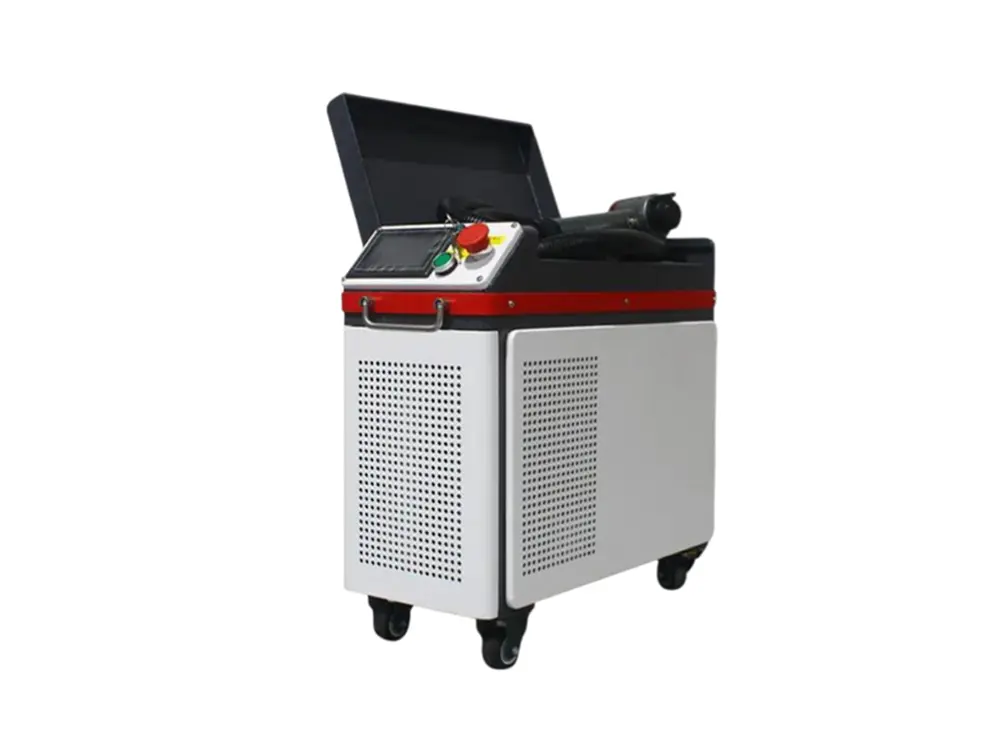
Pulsed laser cleaning machines deliver energy in short pulses and are often suitable for precision cleaning applications where controlling heat input is important. Depending on the material and process parameters, they can be used to remove rust, oxidation, paint, and other surface contaminants.
WINTEK’s pulsed laser cleaning range includes:
50W to 100W: Suitable for selected light contamination removal and precision cleaning applications.
200W to 300W: Offers greater processing potential for a wider range of metal cleaning tasks.
500W: May provide higher cleaning efficiency for suitable applications while maintaining controlled heat input.
Actual cleaning performance depends on pulse energy, frequency, scanning parameters, contaminant thickness, and substrate properties. Buyers should evaluate the complete application rather than selecting a machine based on rated power alone.
Continuous Wave Laser Cleaning Machines

Continuous wave laser cleaning machines deliver a continuous laser beam and may suit industrial applications that prioritize processing efficiency. WINTEK offers continuous wave models from 1000W to 3000W with water-cooled systems.
The available power options provide different levels of processing potential:
1000W: A potential option for routine industrial cleaning and surface preparation on suitable workpieces.
1500W to 2000W: Worth evaluating for applications with higher throughput requirements.
3000W: May suit demanding cleaning tasks that benefit from higher laser power, depending on the material and contamination conditions.
Higher power does not automatically guarantee better results. The appropriate choice depends on the cleaning target, required surface quality, production volume, and operating costs.
Pulsed vs Continuous Wave Laser Cleaning
Pulsed and continuous laser cleaning machines differ in how they deliver laser energy, making them suitable for different applications.
Pulse laser cleaning is often considered for precision tasks where controlling heat input is important. Continuous wave laser cleaning may be suitable for applications that prioritize processing efficiency.
The choice depends on the base material, contaminant type and thickness, required surface finish, and production targets. Neither technology is universally better, so buyers should compare suitability rather than power ratings alone.
An experienced laser cleaning machine supplier should explain why a pulsed or continuous wave system suits your application and provide relevant technical specifications to support the recommendation.
What to Check When Comparing Quotes
Ask each supplier to justify the recommended laser technology and power based on your workpiece material, contaminant, and cleaning requirements. If quotations specify different configurations, request comparable test results before evaluating their value.
Compare the expected cleaning speed, surface quality, operating limitations, and suitability for your production needs. This helps you assess whether each quotation offers the right solution rather than simply comparing specifications.
When reviewing quotations, compare the laser source brand and model, rated power, cleaning head, cooling system, and recommended operating parameters. Ask suppliers to explain why their proposed configurations suit your application.
Where possible, request cleaning tests using comparable workpieces and consistent acceptance criteria. Compare contaminant removal, the resulting surface condition, and the time required to clean a defined area. This provides a more reliable basis for assessing cleaning performance and processing efficiency than comparing specifications alone.
Check the Complete Machine Configuration
Two laser cleaning machine suppliers may offer equipment with the same rated power but different components, accessories, and service conditions. These differences can affect the purchase price, maintenance requirements, and ease of operation. Use the following checklist to verify what each quotation actually includes.
| Component | What to Verify |
|---|---|
| Laser source | Brand, model, rated power, and warranty coverage |
| Cleaning head | Model, supported operating parameters, and replacement parts |
| Sistema di controllo | Parameter adjustment, operating interface, and available functions |
| Cooling system | Air cooling or water cooling, maintenance needs, and operating conditions |
| Optical components | Protective windows, lenses, replacement intervals, and costs |
| Cables | Included length and suitability for the workspace |
| Standard accessories | Included tools, connections, and optional items |
| Safety equipment | Required protective equipment and supplied safety documentation |
Do not assume that every accessory shown in product photos is included in the quoted price. Ask the supplier to identify standard components, optional accessories, and additional charges. For handheld equipment, cleaning head weight, cable length, working range, and ease of replacing protective windows may also affect daily operation.
Ask each laser cleaning machine supplier for a written configuration list, including exact component models, accessory quantities, and replacement part specifications where applicable. Confirm which items are included in the quoted price and which are optional. If suppliers offer different configurations, request revised quotations with the same scope of supply. This helps you identify whether a lower price reflects a genuine cost advantage or fewer included components.
How to Compare Laser Cleaning Test Results

Once suppliers have proposed their configurations, use cleaning test results to verify their performance claims. Compare the results under consistent test conditions rather than relying on advertised cleaning speeds or general statements about efficiency. A useful test report should include:
- Workpiece details: Material, dimensions, and initial surface condition.
- Contaminant details: Type, thickness, and degree of adhesion, where measurable.
- Cleaning parameters: Laser power, scanning settings, and other relevant operating conditions.
- Processing time: Time required to clean a defined area or workpiece.
- Cleaning result: Remaining contamination, surface appearance, and any visible substrate changes.
- Test evidence: Before and after photographs or videos taken under comparable conditions.
Do not compare cleaning speeds unless the test conditions are reasonably consistent. Removing light surface oxidation is not equivalent to removing heavy rust or multiple layers of paint.
A professional laser cleaning machine supplier should be able to test representative workpieces and document the results. Agree on the required cleaning standard before testing, then compare cleaning quality, processing time, and potential effects on the base material.
Compare the Total Cost of a Laser Cleaning Machine
When comparing the laser cleaning machine price, consider the equipment configuration, delivery terms, and expected operating expenses. Differences in included accessories, shipping arrangements, and service coverage can explain why suppliers offer different prices.
Before comparing prices, confirm whether each quotation includes:
- Complete machine and standard accessories
- Packaging and export preparation
- International shipping and insurance
- Import duties and local taxes, where applicable
- Installation and operator training
- Spare parts and consumables
- Warranty coverage and technical support
Before comparing the final prices, standardize the machine configuration, included accessories, delivery destination, and shipping terms. Confirm the applicable Incoterms, such as EXW, FOB, or CIF, where relevant. Also check payment terms, delivery lead time, quotation validity, and any charges that may arise after the order is placed.
Consider the expected cost of electricity, routine maintenance, replacement optical components, labor, and production downtime. These expenses can affect the total cost of ownership over the machine’s service life.
The best quotation is not necessarily the cheapest one. It is the offer that meets your cleaning requirements, clearly defines the supplied equipment and services, and provides an acceptable overall cost.
Review Warranty and After-Sales Support
When buying a laser cleaning machine from an overseas supplier, clear warranty terms and accessible technical support can help reduce the risk of unexpected downtime.
Before placing an order, confirm the following details.
Warranty coverage
Check the warranty period for the complete machine, laser source, and major components. Ask which failures are covered, which parts are excluded, and who pays for replacement shipping or service costs.
Remote technical support
Confirm the available communication channels, support hours, and troubleshooting procedures. Ask how the supplier handles technical issues that cannot be resolved remotely.
Training and documentation
Check whether operating manuals, instructional videos, setup guidance, and parameter adjustment instructions are provided.
Disponibilità dei ricambi
Ask about the availability and replacement costs of protective windows, lenses, cleaning head components, and other commonly required parts.
Installation services
If on-site installation is required, confirm whether it is available in your country and whether travel, accommodation, or service fees are charged separately.
Compare the actual coverage and service arrangements rather than warranty duration alone. Request written terms so you understand what support is included before making payment. Before placing an order, confirm how the laser cleaning machine supplier handles technical support, spare parts, warranty claims, and troubleshooting after delivery.
Verify the Manufacturer’s Capabilities and Experience

A detailed quotation is useful only if the supplier can deliver the specified equipment. Before placing an order, verify the company’s manufacturing capabilities, product range, and ability to handle international shipments.
Check the following points:
- Company background: Confirm the company’s legal identity and business information.
- Manufacturing capabilities: Ask for factory photos, production videos, or a live factory tour where available.
- Product consistency: Verify that the model number and configuration in the quotation match the technical documents and equipment being supplied.
- Quality inspection: Ask what checks are performed before shipment and whether inspection records are available.
- Export experience: Confirm the supplier can prepare the required shipping documents and coordinate international delivery.
- Compliance documentation: Verify which documents apply to the actual machine configuration and your destination market.
- Customer references: Request relevant application examples or customer references where available.
Avoid relying solely on general claims such as “premium components” or “industrial grade quality.” Ask for specific model numbers, supporting documents, and clear commercial terms.
These checks help you assess whether a supplier can meet the agreed specifications and deliver the equipment reliably.
Use a Standard Checklist to Compare Supplier Quotations
A comparison checklist helps your purchasing team assess supplier quotations consistently. Use the same criteria for every supplier and record any missing or unclear information.
When reviewing each quotation, check the following points:
- Has the supplier tested the machine on your specific cleaning task and workpiece material?
- Are the laser power, source brand, and model clearly stated?
- Are the cleaning head, cooling system, major components, and standard accessories included?
- Are the test conditions, cleaning results, and processing time documented?
- Does the quotation clearly specify the machine price, included items, shipping terms, and additional charges?
- What maintenance, spare parts, and replacement costs should you expect?
- Which components are covered by the warranty, how long does it last, and what conditions apply?
- Does the supplier provide remote technical assistance, operator training, spare parts, or on-site service?
- What is the estimated delivery time, and which packaging, shipping, and insurance costs are included?
- Are operation manuals, maintenance instructions, and applicable compliance documents available?
You can assign different levels of importance to these criteria based on your business needs. A production facility may prioritize cleaning efficiency, consistent results, and machine uptime. A service company may place greater emphasis on flexibility, ease of operation, and the ability to handle different cleaning tasks.
By evaluating every supplier against the same requirements, you can identify missing details, clarify differences between quotations, and make a more informed purchasing decision. The goal is to choose the supplier that offers the best overall solution for your application, not simply the lowest quoted price.
Conclusione
Comparing laser cleaning machine quotes requires more than reviewing the initial price. Buyers should evaluate application suitability, machine configuration, cleaning test results, warranty coverage, and total ownership costs to make an informed decision.
WINTEK offers pulsed laser cleaning machines from 50W to 500W and continuous wave models from 1000W to 3000W for different industrial cleaning applications. Share your workpiece material, contaminant type, and cleaning requirements with WINTEK to discuss suitable configurations and request a quotation.
Get a Quote from WINTEK to find a solution for your cleaning application.
