


















Choosing the right laser cutting machine for thin metal sheets requires more than considering sheet thickness alone. For metal sheets ranging from 2mm to 5mm, laser power, material type, cutting speed, and edge quality all influence the machine’s performance. Selecting a suitable configuration helps manufacturers maintain cutting quality while controlling equipment and operating costs.
For many sheet metal applications, 1.5KW, 2KW, and 3KW fiber laser cutting machines are worth considering. However, the best option depends on the metals you process, your daily production volume, and whether you prioritize cutting speed or a lower initial investment. Different materials, including carbon steel, stainless steel, aluminum, brass, and copper, may also require different cutting parameters.
In this guide, we explain how to evaluate laser power for 2mm to 5mm metal sheets, compare the factors that affect cutting performance, and identify the machine specifications and costs to check before purchasing.
What Laser Power Is Suitable for 2–5mm Metal Sheets?
For 2–5mm metal sheets, 1.5KW to 3KW fiber laser cutting machines are common options to evaluate. The table below compares their typical applications and the situations in which higher laser power may be worth considering.
| Potenza laser | Typical Sheet Thickness | Applicazioni tipiche | Key Considerations |
|---|---|---|---|
| 1500W | 2–3mm | Routine cutting of thin carbon steel and some stainless steel sheets | Suitable for many standard applications with moderate production demands |
| 2000W | 2–4mm | General sheet metal fabrication, including carbon steel, stainless steel, and some aluminum applications | Balances cutting capability and initial investment |
| 3000W | 2–5mm | Mixed-thickness production and more demanding cutting jobs | Offers greater flexibility for frequent cutting of thicker sheets |
| 6000W and above | 2–5mm and thicker | High-throughput production and applications requiring greater cutting capacity | Consider when production speed, workload, or future expansion justifies the investment |
These thickness ranges are general guidelines, not guaranteed cutting specifications for every metal. Actual performance varies with material grade, assist gas, machine configuration, and required edge quality. Confirm the recommended power through cutting tests using your actual materials before purchasing.
How Material Type Affects Laser Power Selection
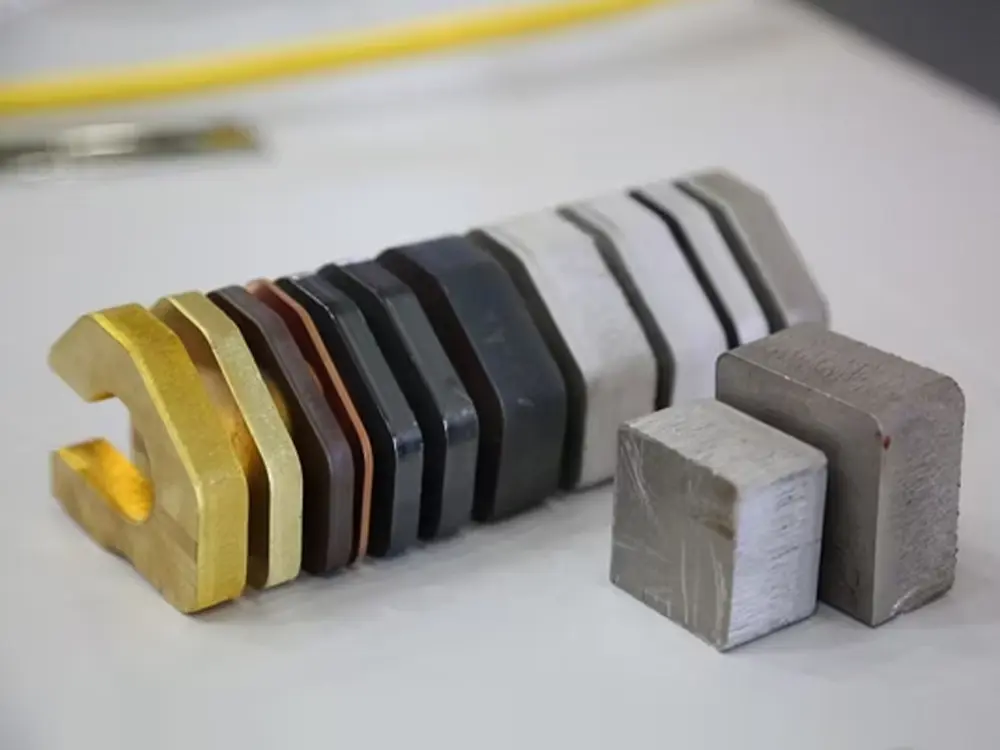
Different metals require different cutting parameters because their thermal properties and reflectivity vary. Carbon steel, stainless steel, aluminum, brass, and copper may require different laser power levels and assist gas settings, even when sheet thicknesses are similar. Before choosing a machine, confirm its cutting performance for your specific materials and required edge quality.
1. Acciaio al carbonio
Carbon steel is widely used in machinery, structural components, brackets, and general metal fabrication.
For 2mm to 5mm carbon steel sheets, a 1500W fiber laser cutting machine may suit different production requirements. Oxygen is commonly used because the oxidation reaction helps support the cutting process. Nitrogen or compressed air may also be suitable for certain applications, depending on the desired edge finish and operating costs.
When comparing machines, focus on cutting speed, edge quality, and daily production volume. A lower-power system may be sufficient for routine work, while a higher-power model can offer greater flexibility for frequent cutting of thicker sheets.
2. Acciaio inossidabile
Stainless steel is commonly used in kitchen equipment, food processing machinery, architectural components, and industrial enclosures.
For 2mm to 5mm stainless steel, 1.5KW and 2KW configurations are worth evaluating. The best option depends on the required cutting speed, sheet thickness, and edge finish.
Nitrogen is commonly used when a clean, oxidation-free cutting edge is required. However, nitrogen consumption and supply costs should be included when calculating operating expenses.
If your workshop frequently processes 4mm to 5mm stainless steel, request a cutting test to verify the proposed machine’s speed and edge quality.
3. Alluminio
Aluminum is used in automotive components, electrical enclosures, machinery, and lightweight structures. Its high thermal conductivity and reflectivity make equipment compatibility particularly important.
For 2mm to 5mm aluminum sheets, 2KW and 3KW machines are worth evaluating for many applications. The final choice depends on the alloy, cutting speed, edge quality, and machine specifications.
Confirm that the laser source and cutting head are suitable for reflective materials. A material test can help establish practical cutting parameters before you commit to a machine.
4. Brass and Copper
Brass and copper are used in electrical components, fittings, decorative parts, and industrial products. Their high reflectivity and thermal conductivity can make cutting more demanding than processing some other metals.
Thickness alone is not enough to determine the appropriate configuration. Check the laser source and cutting head specifications, and ask the supplier to test your actual alloy and sheet thickness.
Evaluate cutting speed, edge quality, and process stability before confirming the machine configuration.
What Other Machine Specifications Should You Check?
Laser power is only one part of a fiber laser cutting machine. The working area, cutting head, control system, and assist gas supply also influence production performance.
1. Cutting Speed and Edge Quality
Published maximum speeds do not always reflect normal production conditions. Ask for test results at your typical sheet thicknesses, such as 2mm, 3mm, and 5mm.
Evaluate burrs, dross, edge discoloration, and dimensional accuracy. Compare results at a practical production speed rather than relying solely on the highest advertised speed.
2. Cutting Gas System
Oxygen, nitrogen, and compressed air produce different cutting results depending on the material and application.
Oxygen is commonly used for carbon steel cutting, while nitrogen is often selected for stainless steel applications that require oxidation-free edges. Compressed air may reduce gas costs in suitable applications, but cutting quality should be verified.
Compare gas consumption, supply requirements, and operating costs when evaluating machine configurations.
3. Working Area
Choose a working table that accommodates your standard sheet dimensions and production layout.
A 3015 fiber laser cutting machine typically has a nominal working area of 3,000 × 1,500mm. This format suits many general sheet metal applications. Larger working areas may be appropriate for workshops processing oversized sheets or components.
Confirm the usable cutting area and maximum supported sheet dimensions before ordering.
4. Cutting Head and Control System
Check the cutting head, CNC controller, motion system, and automatic height control. Also confirm software compatibility, available cutting parameters, and operator training.
These features affect daily operation, cutting consistency, and ease of use. Make sure the machine configuration matches your production workflow and operator experience.
What Affects the Cost of a Fiber Laser Cutting Machine?
The purchase price of a fiber laser cutting machine depends on laser power, working area, machine structure, enclosure design, cutting head, control system, and auxiliary equipment.
A 1500W configuration may require a lower initial investment than a comparable 3KW model. Fully enclosed structures, exchange tables, and additional safety features can also increase the price.
When comparing quotations, check whether each supplier includes:
- Laser source and cutting head
- CNC control system and nesting software
- Chiller and dust extraction equipment
- Electrical components and safety features
- Installation guidance and operator training
- Warranty coverage and after-sales support
Request an itemized quotation covering the equipment and services included. Comparing equivalent configurations gives you a clearer picture of the total investment.
Operating expenses also deserve attention. Electricity, assist gas, consumables, maintenance, and downtime can affect long-term costs. A machine with a lower purchase price is not necessarily the most economical choice over its service life.
How to Choose the Right Configuration for Your Workshop

Before selecting a machine, review your production requirements and establish clear purchasing priorities.
Step 1: Identify your main materials and thicknesses
Record how much of your workload involves carbon steel, stainless steel, aluminum, brass, or copper. Note the percentage of production at each thickness from 2mm to 5mm.
Step 2: Set your production targets
Estimate daily cutting hours, expected output, and the cutting speed required to meet delivery schedules. Occasional custom work and continuous production may justify different power levels.
Step 3: Choose the working area and machine structure
Check your standard sheet dimensions, available floor space, and material handling requirements. Decide whether an open or enclosed machine and an exchange table are appropriate for your workshop.
Step 4: Compare total operating costs
Consider electricity, assist gas, consumables, maintenance, warranty coverage, and technical support. Compare equivalent machine configurations rather than purchase prices alone.
Step 5: Request a cutting test
Provide the supplier with your material type, sheet thickness, and required edge quality. Ask for test results that demonstrate cutting speed, consistency, and practical operating parameters.
These checks help you select a configuration based on actual production needs rather than laser power alone.
Conclusione
Scegliere il giusto laser cutting machine for thin metal sheets involves balancing laser power, cutting quality, and production costs. For 2mm to 5mm metal sheets, 1.5KW, 2KW, and 3KW fiber laser cutting machines are common options to consider, depending on the materials and production requirements.
WINTEK Laser supplies fiber laser cutting machines for a range of sheet metal applications. Share your material type, sheet thickness, working area, and production targets with our team to discuss a suitable configuration.
Richiedi un preventivo to find the right solution for your application.
