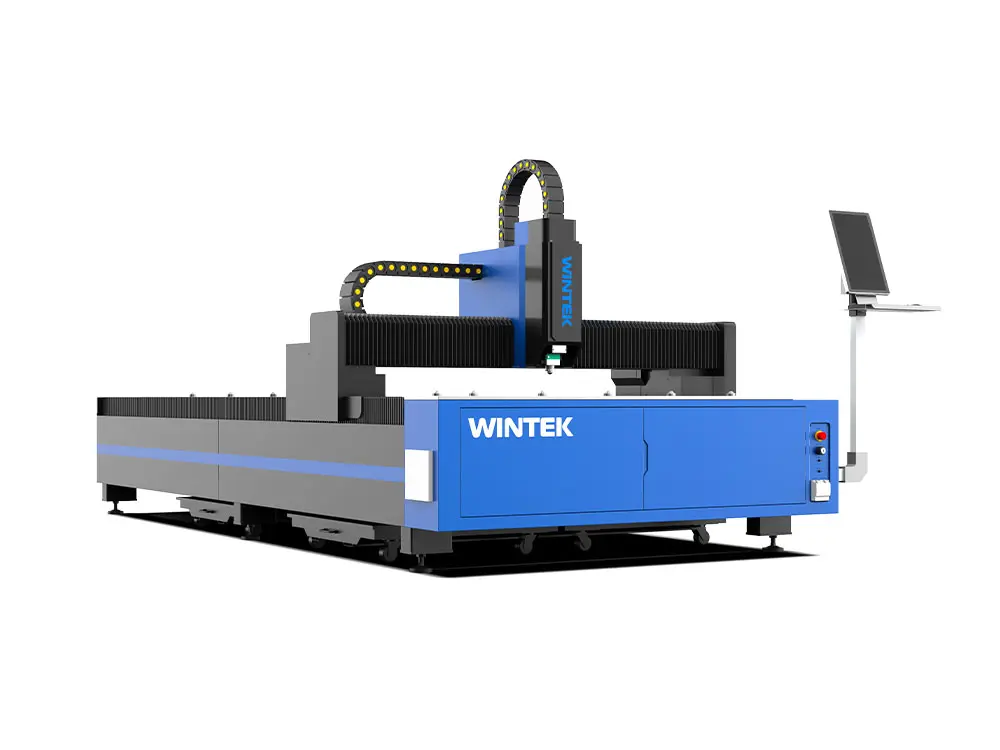
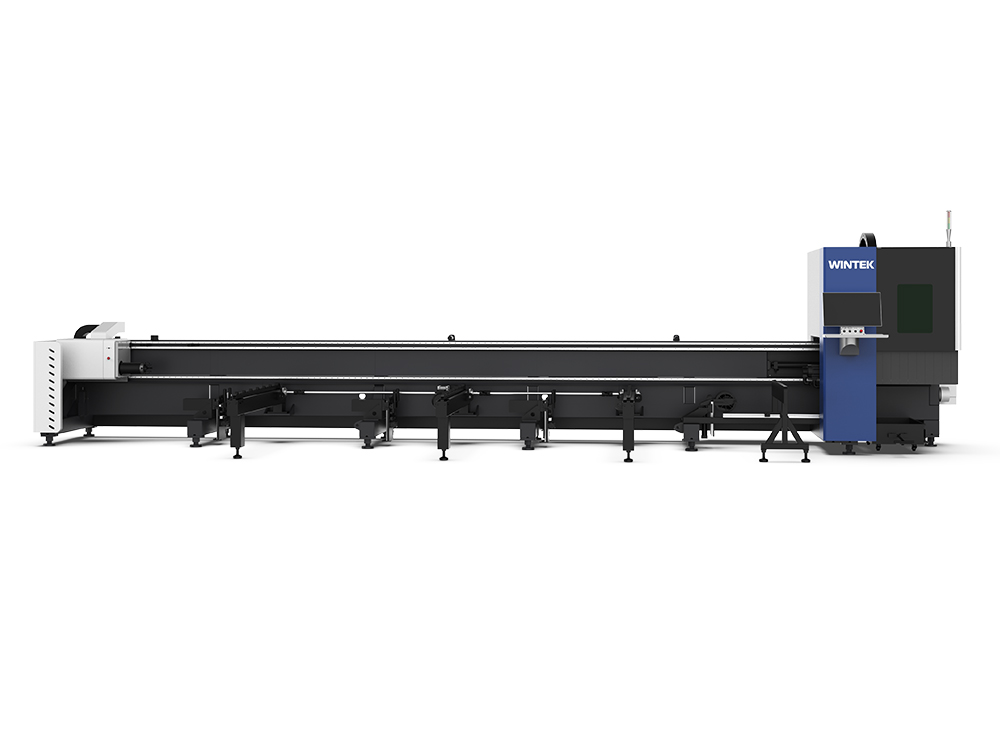
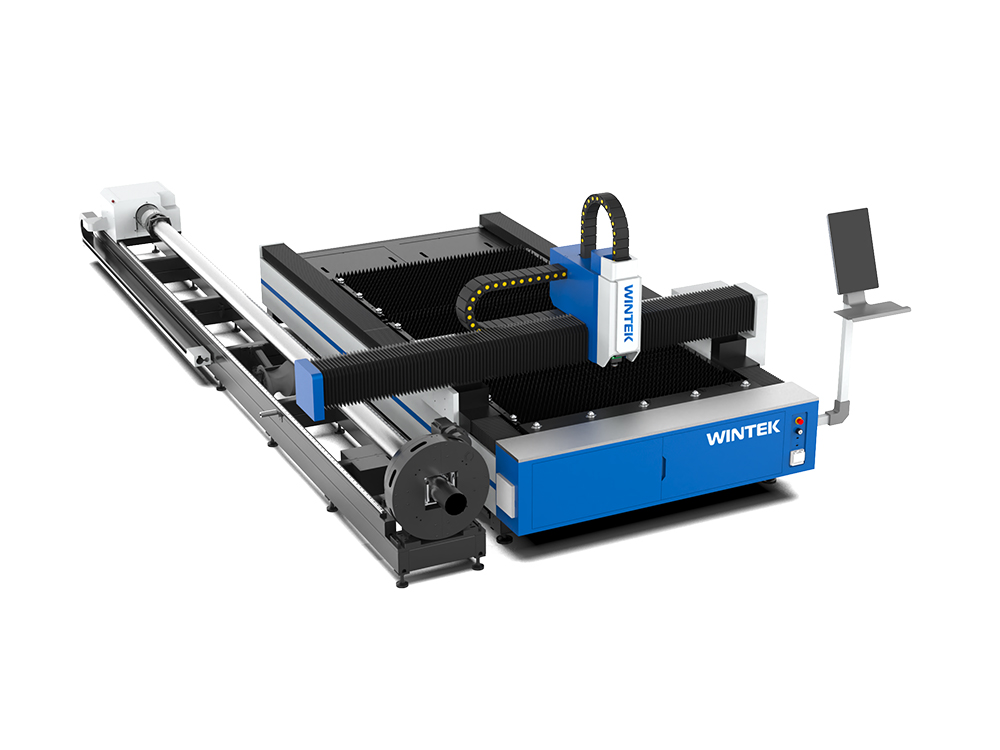

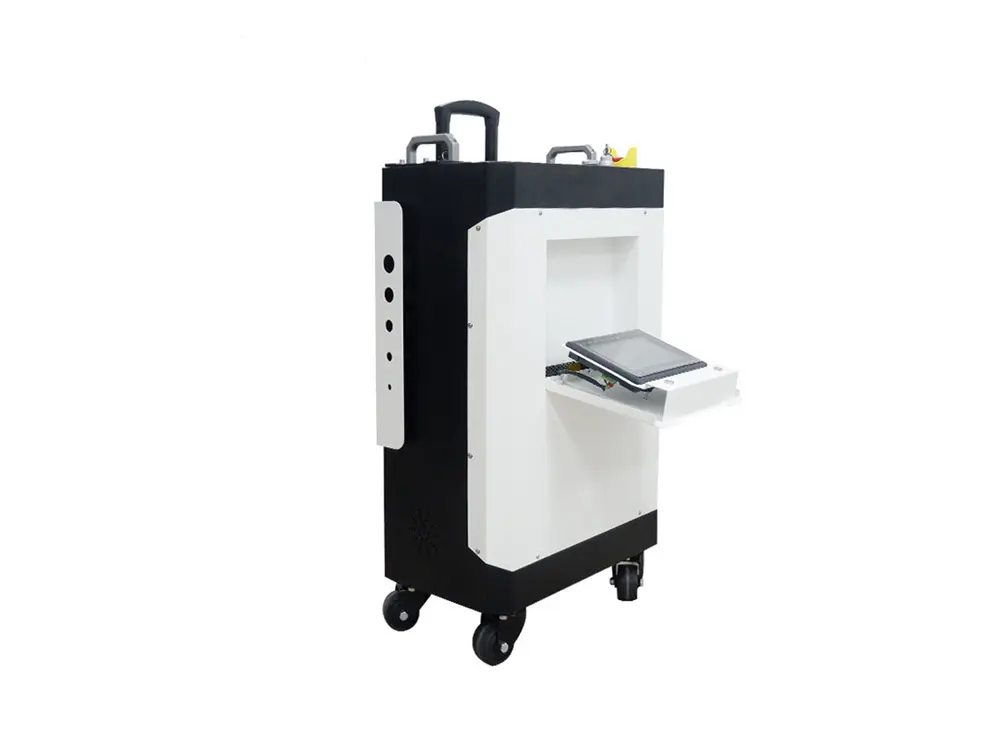
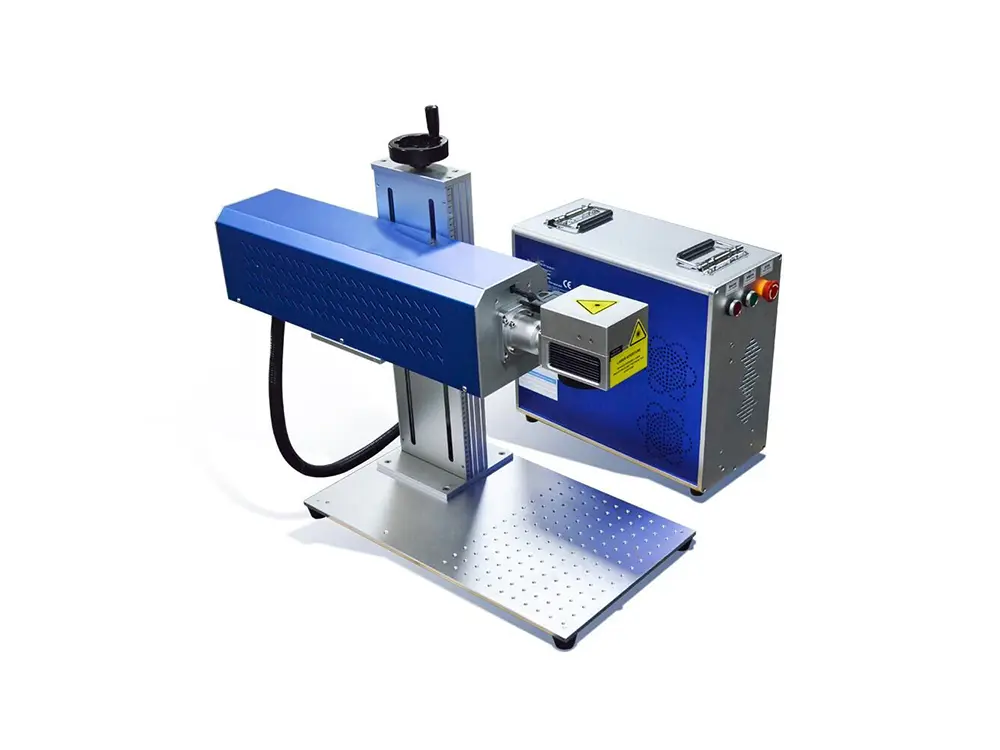











Fiber laser cutting machines are widely used in metal fabrication for their speed, precision, and ability to process different metals. Copper and brass, however, require special attention because their reflective properties and thermal behavior can make cutting more challenging than processing carbon steel.
Fiber laser cutting copper and brass is possible with the right equipment and cutting parameters. The results depend on material thickness, laser power, assist gas, and cutting conditions. This guide explains how to cut each material, compares their cutting capabilities, and outlines the key factors to consider when choosing a fiber laser cutting machine for copper and brass.
Can a Fiber Laser Cutting Machine Cut Copper?
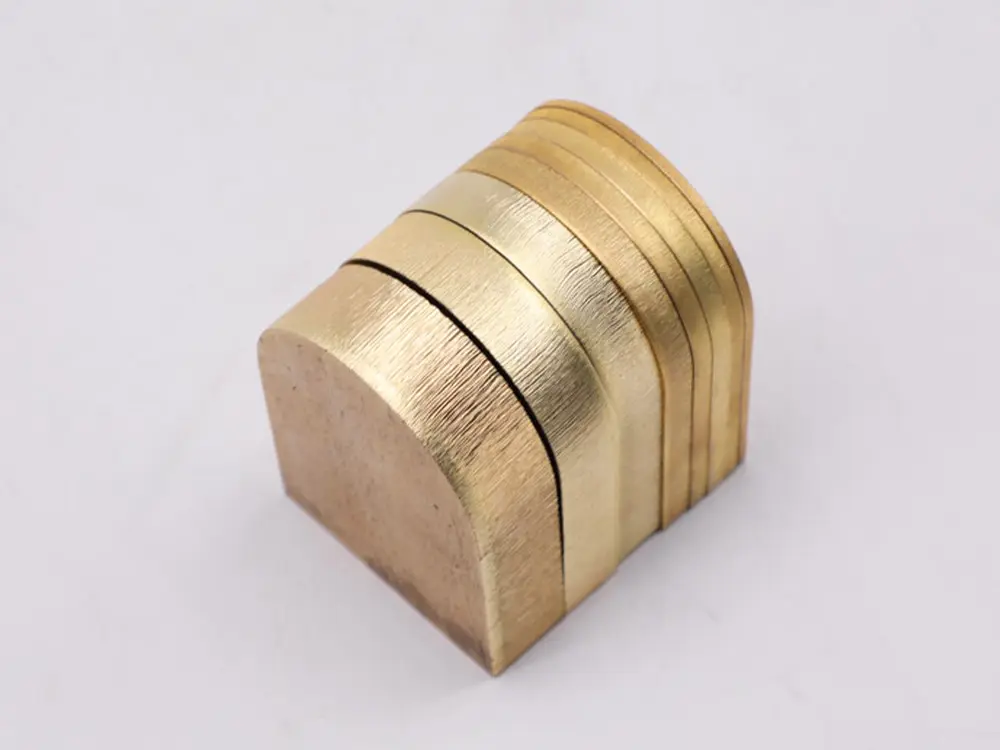
Yes. Modern fiber laser cutting machines can process copper sheets and plates when the laser source, cutting head, and operating parameters are suitable for reflective metals.
Copper is widely used in electrical components, power equipment, heat exchangers, and industrial parts because of its excellent electrical and thermal conductivity. These properties are valuable in manufacturing but make copper more challenging to cut than many conventional metals.
Why Is Copper Difficult to Cut?
Copper presents two main challenges during laser cutting.
High reflectivity: Copper can reflect a substantial amount of incident laser energy. A cutting system designed for reflective metals should have suitable optical protection to reduce the risk of damage caused by reflected energy.
High thermal conductivity: Copper quickly transfers heat away from the cutting zone. The laser must deliver enough energy to melt the material continuously along the cutting path. If the energy input and cutting speed are poorly matched, the cut may become unstable or incomplete.
For fiber laser cutting copper, power alone is not enough to determine performance. The focal position, cutting speed, assist gas pressure, and optical configuration must work together.
What Copper Thickness Can a Fiber Laser Cut?
Laser power plays an important role in copper cutting performance. Higher power can increase the maximum cutting thickness and processing speed, while appropriate cutting parameters help maintain a clean, consistent edge.
The following WINTEK cutting data provides a practical reference for matching laser power with copper thickness. Actual results may vary with material condition and cutting settings.
| WINTEK Copper Cutting Parameters | |||
|---|---|---|---|
| Moc lasera | Max. Cutting Thickness | Prędkość cięcia | Assist gas |
| 1500W | 2mm | 1–8m/min | N₂ / O₂ |
| 2000W | 3mm | 1–10m/min | N₂ / O₂ |
| 3000W | 4mm | 1–15m/min | N₂ / O₂ |
| 6000W | 6mm | 1–20m/min | N₂ / O₂ |
Use these figures as an initial reference when comparing machine configurations. Before production, verify the maximum cutting thickness, assist gas, and cutting speed through tests using the actual copper material and required edge quality.
Can a Fiber Laser Cutting Machine Cut Brass?
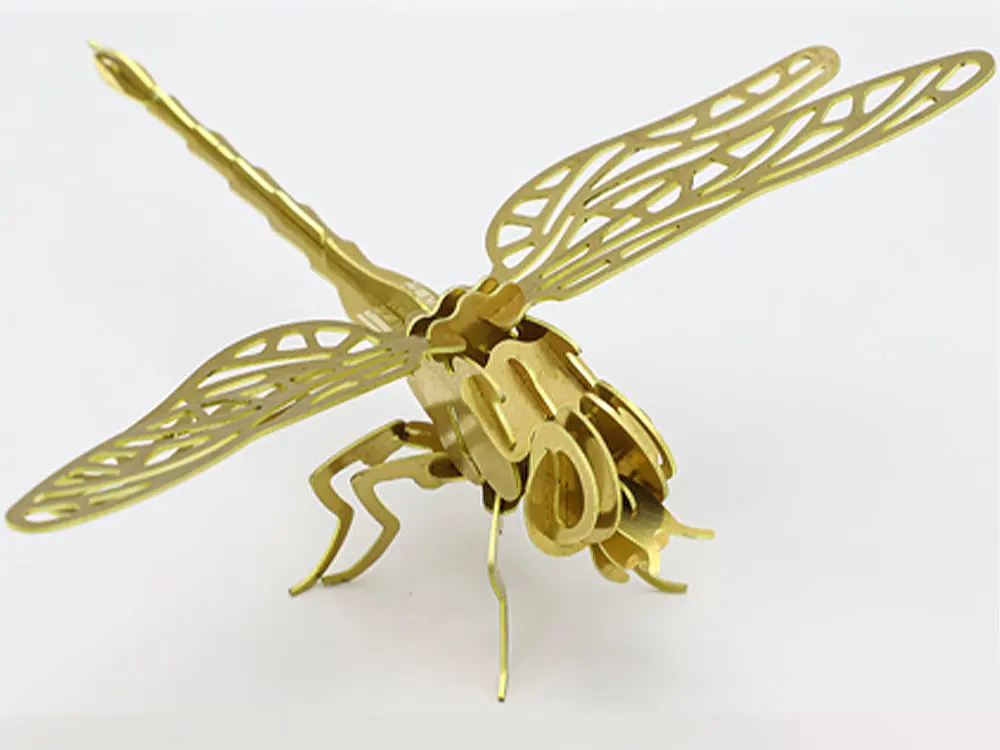
Yes. A fiber laser cutting cut brass sheets and plates when the equipment and cutting parameters are appropriate for the material.
Brass is an alloy of copper and zinc. It is commonly used in electrical fittings, plumbing components, hardware, decorative products, and precision industrial parts. Its composition affects how the material responds to laser energy, making alloy selection an important consideration.
What Makes Brass Difficult to Cut?
Brass has two important processing considerations.
Reflective properties: Brass can reflect laser energy, so the cutting head and optical protection system must be suitable for reflective metals. Correct equipment configuration helps maintain stable cutting conditions.
Zinc vaporization: Brass contains zinc, which vaporizes more readily than copper during heating. This can influence the cutting process and generate metal fumes. Appropriate cutting parameters and effective fume extraction are therefore important when processing brass.
Brass composition can affect how the material responds to laser energy. Before production, test the intended brass material to confirm cutting performance and ensure the finished edges meet your quality requirements.
What Brass Thickness Can a Fiber Laser Cut?
Brass cutting capacity varies with alloy composition and machine configuration. When cutting brass with fiber laser equipment, manufacturers should evaluate the required thickness alongside cutting speed and edge quality.
The following WINTEK data shows the reference thickness and speed for different power levels. Use these figures as a starting point, then verify the settings against your brass grade and production requirements.
| WINTEK Brass Cutting Parameters | |||
|---|---|---|---|
| Moc lasera | Max. Cutting Thickness | Prędkość cięcia | Assist gas |
| 1500W | 2mm | 1–13m/min | N₂ / O₂ |
| 2000W | 3mm | 1–16m/min | N₂ / O₂ |
| 3000W | 5mm | 1–25m/min | N₂ / O₂ |
| 6000W | 10mm | 1–25m/min | N₂ / O₂ |
The table provides a useful starting point for selecting equipment. For cutting brass with fiber laser technology, the final parameters should be confirmed through testing, particularly when the alloy composition or surface finish differs from the material used in the original tests.
How to Choose a Fiber Laser Cutting Machine for Copper and Brass
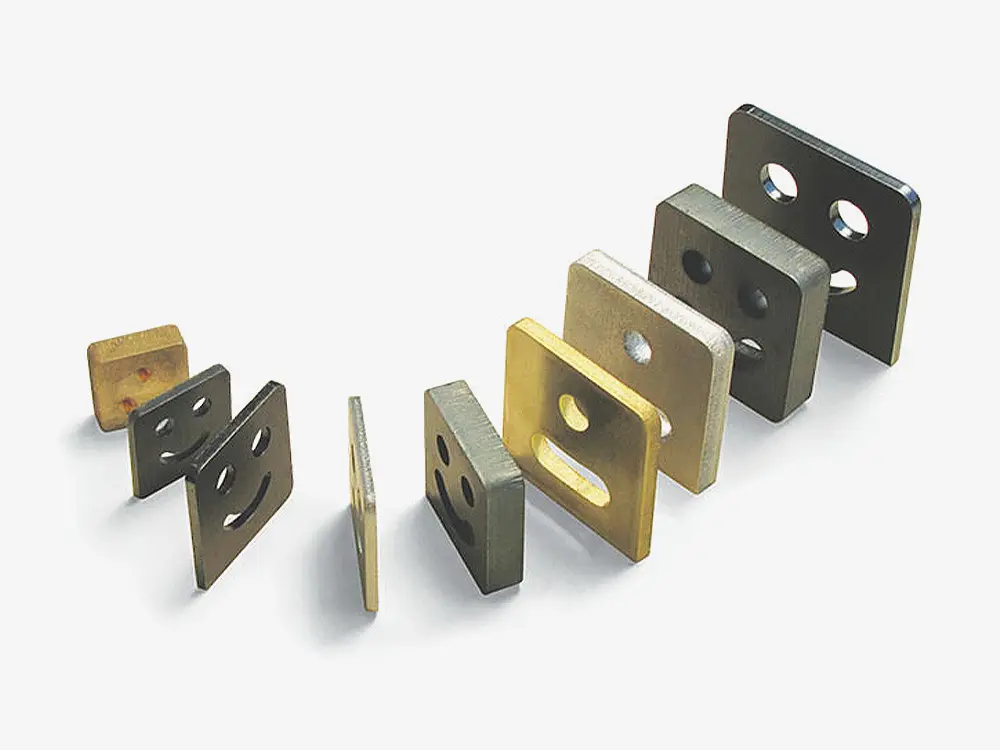
1. Select the Right Laser Power for Copper and Brass
Copper has high thermal conductivity and reflectivity, which affect laser energy absorption and heat transfer during cutting. Brass also reflects laser energy, while its zinc content influences melting behavior and fume generation. Laser power should therefore be selected according to the material, thickness, cutting speed, and required edge quality rather than maximum cutting capacity alone.
For thin sheets and detailed parts, prioritize stable piercing, narrow kerfs, and consistent dimensional accuracy. For thicker plates or high-volume production, higher laser power may improve cutting speed and expand the usable thickness range. Request separate cutting data for copper and brass at your actual working thicknesses, including cutting speed, assist gas, and achievable edge quality.
2. Evaluate the Laser Source and Cutting Head
The laser source and cutting head must be compatible with reflective metals and the selected power level. Copper and brass can reflect incident laser energy, so the cutting head needs suitable optical protection and components rated for the intended operating conditions. Protective windows should be easy to inspect and replace because contamination can reduce beam transmission and affect cutting stability.
Also evaluate the focusing system, nozzle compatibility, and capacitive height control. Accurate height sensing helps maintain the distance between the nozzle and the sheet, while correct focus positioning concentrates energy in the cutting zone. Confirm that the supplier has tested the complete configuration on copper and brass, rather than relying on specifications established for carbon steel.
3. Check Assist Gas and Cutting Parameters
Assist gas removes molten metal from the kerf and influences oxidation, dross formation, and edge quality. Nitrogen is often preferred when a clean, low-oxidation edge is required. Oxygen may be suitable for specific material grades and cutting conditions, but the appropriate choice should be verified through material-specific testing rather than applied universally to both metals.
Gas pressure, nozzle diameter, focus position, and cutting speed must be matched to the material and thickness. Insufficient gas flow can leave dross on the underside, while unsuitable pressure or nozzle selection can destabilize the cutting process. Ask the supplier for tested parameter sets and estimated gas consumption for your target applications, particularly if you plan to cut copper and brass continuously.
4. Choose the Appropriate Working Area and Motion System
Select a working area that accommodates your standard sheet sizes and typical part layouts. A 3015 machine supports sheets up to 3,000 × 1,500mm, while larger formats may be more suitable for oversized sheets or high-volume nesting. Consider loading and unloading space as well as the maximum dimensions of the raw material to avoid workflow bottlenecks.
For precision copper and brass components, evaluate positioning accuracy, repeatability, acceleration, and mechanical stability. These factors influence contour accuracy and consistency when cutting small holes, narrow slots, and intricate patterns. Request the manufacturer’s accuracy specifications and verify finished dimensions using representative parts, especially when the application requires tight tolerances.
5. Verify Cutting Performance Through Material Tests
Cutting tests should use the same copper and brass grades, thicknesses, and surface conditions expected in production. Different alloys and sheet conditions can produce different results, so a test on pure copper should not automatically be treated as proof of equivalent performance on brass. Provide representative part drawings and specify the required tolerances before the test begins.
Evaluate piercing reliability, cut-edge smoothness, burrs, dross, oxidation, dimensional accuracy, and processing time. Record laser power, cutting speed, gas type and pressure, nozzle size, and focus position so that results can be reproduced. For production planning, compare complete processing cycles rather than maximum cutting speed alone, including piercing time and any required deburring or finishing.
6. Compare Operating Costs and Technical Support
Calculate operating costs based on actual production hours, material thicknesses, and expected output. Include electricity, assist gas, protective windows, nozzles, maintenance, and downtime. Cutting speed alone does not determine cost per part: unstable piercing, excessive dross, scrap, and additional finishing can offset the benefits of a faster machine.
Before purchasing, confirm warranty coverage, spare-parts availability, installation support, and access to technical assistance. Ask whether the supplier can provide cutting parameter guidance for different copper and brass thicknesses and explain the inspection and replacement procedures for optical components. Clear maintenance instructions and responsive troubleshooting help reduce commissioning time and production interruptions.
Wnioski
WINTEK offers fiber laser cutting machine solutions for metal fabrication, with different power configurations for varying production requirements. Its copper and brass cutting data provides an initial reference for machine selection, while testing your actual material helps confirm the appropriate configuration. If you are evaluating a machine for fiber laser cutting copper or brass, contact Wintek Laser to discuss your material thickness, cutting requirements, and production goals. Request a suitable machine recommendation and cutting test to make a more informed purchasing decision.