
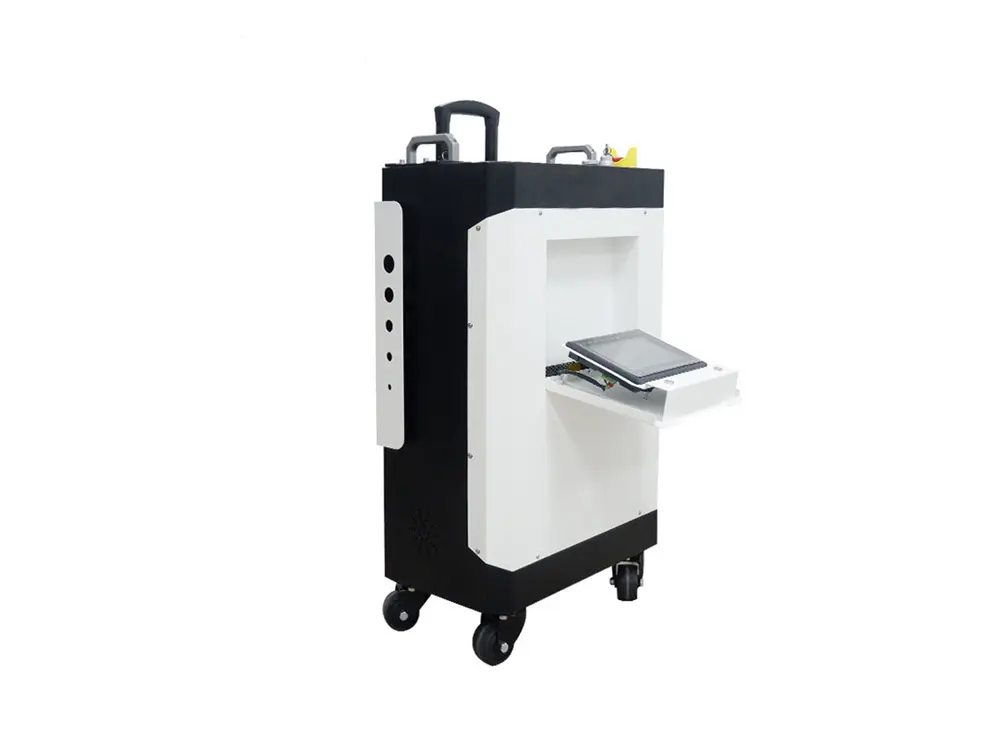
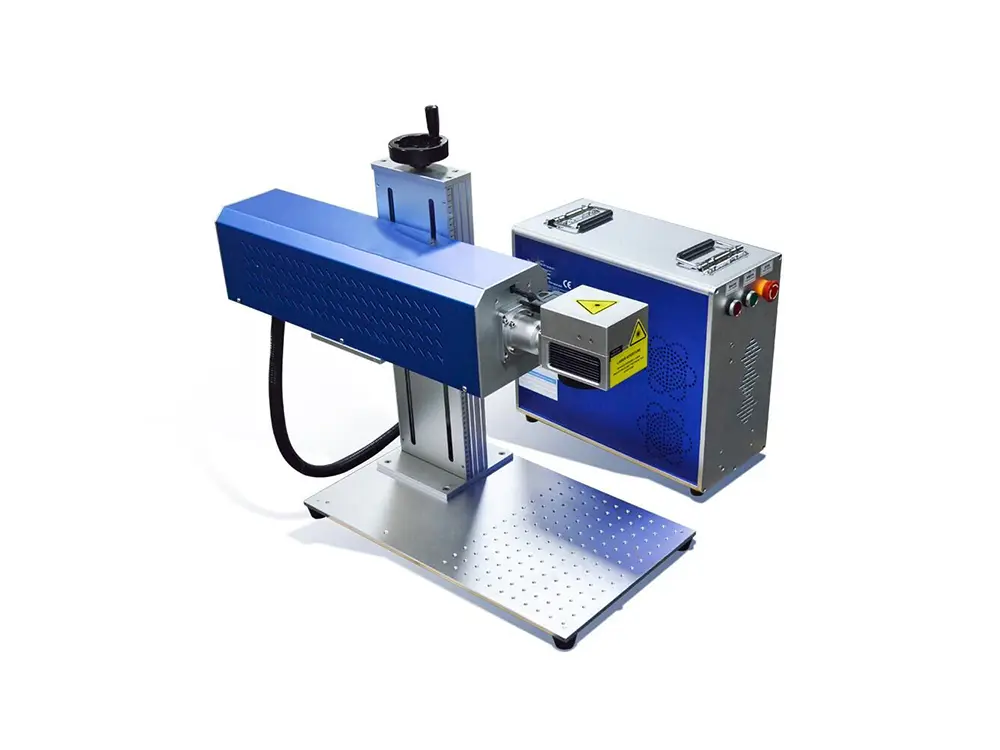











A laser welding machine is a valuable investment for metal fabrication, manufacturing, repair, and other industrial applications. Proper care and regular maintenance can help maintain stable welding performance, reduce unexpected downtime, and support reliable operation over the long term.
For businesses that use laser welding equipment regularly, laser welding machine maintenance should be part of daily operations. Key tasks include cleaning the machine, inspecting the protective lens and welding head, maintaining the cooling system, checking consumable parts, and monitoring the equipment for signs of wear or abnormal operation.
Preventive maintenance can help identify potential problems before they affect welding quality or production. By following a consistent maintenance routine and addressing issues early, operators can reduce unnecessary component wear and help extend the service life of the laser welding machine.
10 Essential Laser Welding Machine Maintenance Tips

1. Keep the Welding Machine Clean
Keeping the machine clean is one of the simplest parts of laser welding machine maintenance and can help support reliable machine operation. Dust, metal particles, and welding residue can accumulate on the machine, welding head, ventilation openings, and other exposed components.
If grinding, cutting, or other metalworking processes are performed nearby, contamination may build up more quickly. Operators should regularly remove dust and debris from the machine and surrounding work area.
Pay particular attention to the area around the welding head, ventilation openings, and cooling areas. Keeping these areas clean can help prevent contamination and maintain proper airflow.
Cleaning frequency depends on the working environment and operating hours. Machines used in dusty production areas generally require more frequent cleaning.
2. Check the Protective Lens Regularly
The protective lens is an important consumable component of a laser welding head. It helps protect internal optical components from welding fumes, spatter, dust, and other contaminants.
Operators should inspect the protective lens regularly for contamination, discoloration, scratches, cracks, or other visible damage. If the lens becomes contaminated, clean it according to the manufacturer’s recommended procedure and use suitable optical cleaning materials.
Avoid touching the optical surface directly with your fingers. Improper handling can leave marks or damage the lens.
A heavily contaminated, scratched, cracked, or damaged lens should be replaced promptly. Continuing to operate with a damaged protective lens may affect welding quality and increase the risk of damage to other optical components.
Include protective lens inspection in the routine maintenance schedule to help maintain stable optical performance.
3. Maintain the Cooling System
Maintaining the cooling system is an important part of laser welding machine maintenance because it helps keep the laser source and other heat-sensitive components within the proper operating temperature range.
Depending on the machine configuration, a laser welding machine may use an air-cooled or water-cooled system. Maintenance requirements can therefore vary between different models.
For water-cooled machines, operators should regularly check the coolant level, temperature, and overall condition. The cooling system should also be inspected for leaks, warning alarms, abnormal noise, or unusual temperature changes. Coolant should be replaced according to the specified service interval.
For air-cooled machines, keep ventilation openings and cooling areas free from dust and other obstructions. Sufficient airflow is important for maintaining stable operating temperatures.
If the machine repeatedly shows overheating alarms or abnormal temperature readings, stop operation and inspect the cooling system before continuing production.
4. Inspect the Welding Head and Nozzle
The welding head is exposed to heat, welding spatter, fumes, and frequent movement during operation. Regular inspection can help prevent minor issues from affecting the welding process.
Check the nozzle for contamination, deformation, cracks, or excessive wear. A damaged or contaminated nozzle can affect shielding gas flow and welding results. Clean or replace the nozzle when necessary according to the manufacturer’s recommendations.
The welding head should also be handled carefully during installation, cleaning, and adjustment. Avoid impacts, excessive force, or unnecessary movement that could damage internal optical components.
This is particularly important for handheld laser welding machines, where frequent movement can increase the risk of accidental impacts or cable strain.
5. Check the Wire Feeding System
For applications that use filler wire, the wire feeding system should be inspected regularly.
Operators should check whether the wire is fed smoothly and consistently. Irregular feeding can cause unstable welding and affect the appearance and quality of the finished weld.
Inspect the wire feeding path, rollers, guide components, and other contact parts for dust, metal residue, or abnormal wear. These components should be cleaned or replaced when necessary.
The welding wire itself should also be stored in a clean and dry environment. Moisture, dust, and other contamination can affect welding quality.
For machines equipped with a wire feeder, follow the manufacturer’s recommendations for inspection, cleaning, adjustment, and component replacement.
6. Inspect Cables and Connections
Cables and accessible electrical connections should be checked regularly for visible damage, wear, or looseness. Look for cuts, abrasion, excessive bending, damaged connectors, or other signs of wear. Cables connected to the welding head require particular attention because they are frequently moved during operation.
For a handheld laser welding machine, avoid pulling, twisting, sharply bending, or dragging cables across rough or sharp surfaces. Proper cable handling can help prevent premature damage.
If a cable or connection appears damaged, stop using the equipment and arrange an inspection by qualified personnel. Electrical components should not be repaired or modified without appropriate technical knowledge.
7. Use Recommended Welding Parameters
Using appropriate operating parameters can help reduce unnecessary stress on the machine and its components. Operators should keep settings within the recommended operating range.
Depending on the application, these parameters may include laser power, welding speed, wire feeding speed, shielding gas flow, and other process settings.
Incorrect parameters may cause excessive heat input, increased spatter, unstable welding, and unnecessary wear on some components.
Operators should select suitable settings according to the material type, material thickness, joint design, and welding requirements. Following the recommended operating procedures can help reduce unnecessary component wear and maintain consistent welding performance.
8. Maintain a Suitable Working Environment
The working environment can have a significant effect on the service life of a laser welding machine.
Operate the machine in a clean, dry, and well-ventilated area whenever possible. Excessive moisture, corrosive substances, and extreme temperatures should be avoided.
Make sure there is sufficient space around the machine for ventilation and heat dissipation. Do not place materials or other equipment where they could interfere with airflow.
If the machine must operate in a harsh environment, increase the frequency of inspections and maintenance according to the actual working conditions.
When the machine will not be used for an extended period, follow the manufacturer’s recommendations for shutdown, cleaning, and storage.
9. Follow a Regular Maintenance Schedule
A regular maintenance schedule is an important part of laser welding machine maintenance. It makes it easier to monitor machine condition and prevents important inspections from being overlooked.
Daily maintenance can include basic cleaning and visual inspections of key components. Operators should also pay attention to abnormal sounds, warning messages, unusual temperatures, or other changes during operation.
More detailed inspections should be scheduled based on operating hours, working conditions, and the machine’s maintenance requirements. The inspection frequency can be increased when the machine operates for long hours or in demanding working environments.
Keeping simple maintenance records can also be useful. Operators can record cleaning, inspections, consumable replacement, alarms, and other service activities. These records can help identify recurring problems and make preventive maintenance easier to manage.
10. Replace Consumable Parts When Necessary
Some components naturally wear during normal operation and need to be replaced when they no longer meet the required operating condition.
Protective lenses, nozzles, and wire feeding components are common wear parts in laser welding. Their service life can vary depending on operating hours, welding conditions, and the working environment.
Operators should not wait until a worn or contaminated part fails completely before replacing it. Excessive wear or contamination can affect welding quality and may place additional stress on other components.
Inspect consumable parts regularly and replace them according to their condition and the manufacturer’s recommendations. Using compatible replacement parts can also help maintain stable welding performance.
Wnioski
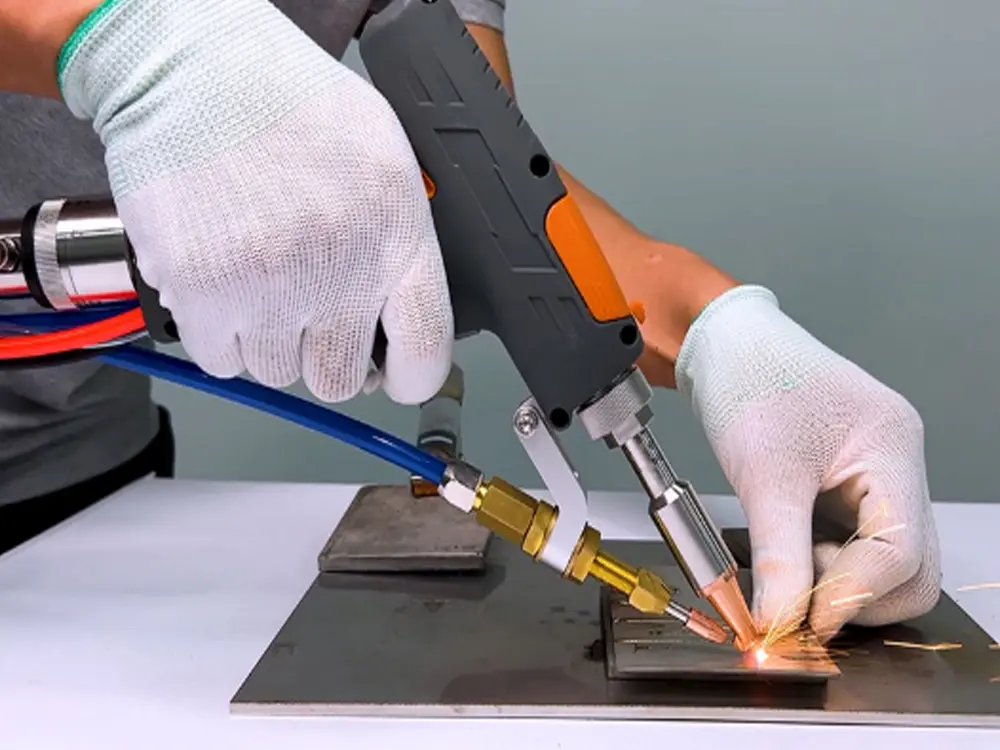
Extending the service life of a laser welding machine starts with consistent maintenance and proper operation. Effective laser welding machine maintenance can help reduce unnecessary wear, prevent unexpected downtime, and support reliable long-term operation. Regular inspections, timely replacement of worn parts, and a suitable working environment can help maintain stable performance and reduce unexpected downtime.
The maintenance routine should be adjusted according to the machine configuration, operating conditions, and specified maintenance requirements. Identifying potential problems early can help prevent minor issues from developing into costly equipment problems.
For businesses that rely on laser welding for daily production, preventive maintenance is a practical way to protect the equipment investment and support reliable long-term operation. With proper care and regular maintenance, WINTEK laser welding machines can provide stable performance and reliable service for demanding welding applications.