











Laser cutting burrs are a common quality issue in metal fabrication. Although fiber laser cutting machines can produce fast, precise, and clean cuts, improper cutting parameters or machine conditions may leave burrs, dross, or rough edges on the workpiece.
Burrs can increase secondary processing, affect part quality, and add labor costs for grinding or deburring. This guide explains the main causes of laser cutting burrs and practical ways to improve cutting quality, from cutting parameters and assist gas to nozzle condition and machine stability.
What Are Laser Cutting Burrs?
Laser cutting burrs are unwanted metal residues or sharp protrusions that remain along the edge of a cut part. They are commonly found on the lower edge of the workpiece, where molten metal may solidify after it is not completely removed from the cutting kerf.
During fiber laser cutting, the laser beam melts the material along the cutting path while assist gas helps remove the molten metal from the kerf. If the energy input, cutting speed, gas pressure, or focus position is not properly matched to the material, molten metal may remain on the cut edge and form burrs or dross.
Excessive burrs can lead to:
- Additional grinding or deburring work
- Higher labor costs
- Longer production cycles
- Poorer edge appearance
- Difficulties during welding or assembly
- Additional handling requirements due to sharp edges
For manufacturers producing precision sheet metal parts, reducing burrs can improve both cutting quality and production efficiency.
What Causes Laser Cutting Burrs?
Laser cutting burrs rarely result from a single setting. They are usually caused by unsuitable cutting conditions or equipment issues.
The main factors include:
- Cutting speed and laser power
- Posição de foco
- Assist gas and pressure
- Nozzle condition and alignment
- Cutting height
- Protective lens condition
- Material type and thickness
- Piercing parameters
- Machine stability
Because these factors affect one another, burr problems are best addressed through systematic testing rather than changing multiple settings at once.
How to Reduce Laser Cutting Burrs
1. Optimize the Cutting Speed
Cutting speed affects both heat input and the amount of time the laser interacts with the material.
If the speed is too high, the material may not be fully penetrated, resulting in rough edges or burrs. If it is too low, excessive heat can increase molten material and dross formation.
The ideal speed depends on material type, thickness, laser power, assist gas, and focus position. Use the machine manufacturer’s recommended settings as a starting point and fine-tune the speed through test cuts.
2. Adjust the Laser Power
Laser power must be matched to the material thickness and cutting speed.
Too little power may cause incomplete penetration, while excessive power can increase heat input and affect edge quality. Higher-power fiber laser cutting machines are useful for thicker materials and higher production requirements, but maximum power is not necessarily required for every application.
The objective is to use enough power for stable penetration without creating unnecessary heat.
3. Check the Focus Position
The focus position determines where the laser beam reaches its highest energy density relative to the workpiece. An unsuitable focus can reduce cutting efficiency and make molten material harder to remove, contributing to burrs and rough edges.
Focus position varies with material, thickness, laser power, and cutting configuration. Use recommended settings as a starting point and fine-tune them with test cuts.
4. Use the Correct Assist Gas and Pressure
Assist gas helps remove molten material from the kerf and strongly influences edge quality. Insufficient gas flow or pressure may leave molten material on the cut edge and increase burr formation.
Oxygen is commonly used for carbon steel, while nitrogen is often selected for stainless steel when low oxidation is required. Compressed air can also be used for suitable applications.
Gas pressure should be matched to the material, thickness, nozzle, and cutting conditions. Increasing pressure alone will not necessarily eliminate burrs.
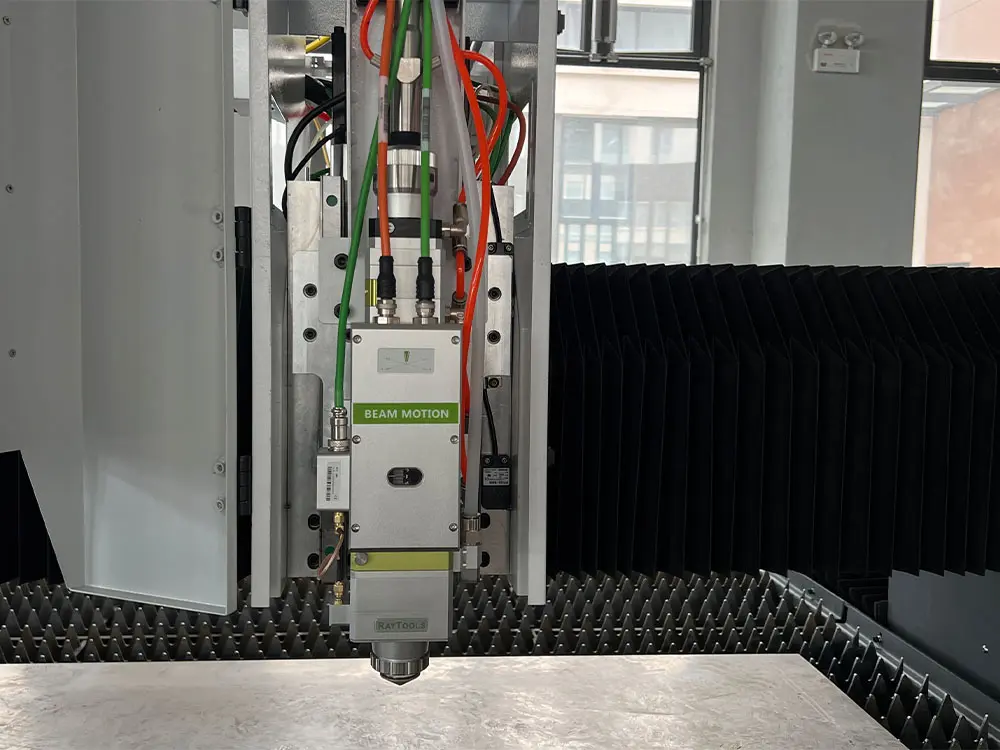
5. Keep the Cutting Nozzle Clean and Properly Aligned
Cutting height affects both assist gas performance and cutting stability. Excessive height can weaken the gas stream, while insufficient clearance increases the risk of nozzle contamination or collision.
Automatic height control helps maintain a consistent distance from the workpiece, particularly when processing large or uneven sheets.
6. Maintain the Correct Cutting Height
The distance between the nozzle and the workpiece also affects assist gas flow.
If the cutting head is too far from the material, the gas stream may lose effectiveness before reaching the kerf. If the distance is too small, the nozzle may be more vulnerable to collisions and contamination.
A reliable automatic height-control system can help maintain a consistent cutting distance during production, especially when processing uneven or large metal sheets.
7. Check the Protective Lens
A contaminated or damaged protective lens can reduce laser transmission and cause unstable cutting performance.
If burrs suddenly appear after a period of clean cutting, inspect the protective lens before changing major cutting parameters. Regular inspection and timely replacement can help maintain stable cutting quality.
8. Match Cutting Parameters to the Material
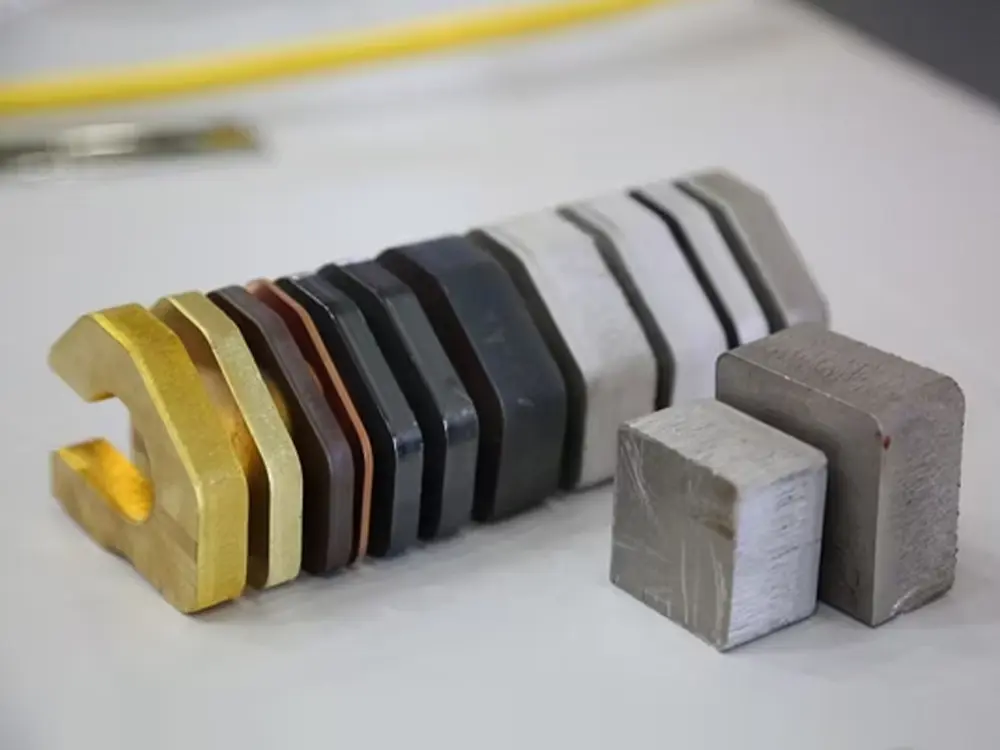
Different metals respond differently to laser cutting because of their thermal and optical properties. Carbon steel, stainless steel, aluminum, brass, and copper therefore require different cutting strategies.
Operators should use material-specific cutting data rather than applying the same settings across all metals. This reduces trial and error and helps maintain consistent edge quality.
How to Reduce Burrs When Cutting Different Metals
Aço carbono
Carbon steel is commonly cut with oxygen, which supports the cutting process and helps remove molten material. Excessive burrs may indicate an imbalance between cutting speed, power, oxygen pressure, or focus position.
When troubleshooting carbon steel, adjust these conditions systematically rather than changing several settings at once.
Aço inoxidável
Stainless steel is commonly processed with nitrogen when a clean, low-oxidation edge is required. Stable nitrogen flow is particularly important for removing molten material and maintaining a clean edge.
If burrs occur, check the gas supply and cutting conditions before making major parameter changes.
Alumínio
Aluminum has different thermal characteristics from steel and requires application-specific cutting conditions. Poorly matched settings can result in dross and rough edges, so operators should use suitable parameters for the alloy and thickness being processed.
Latão e cobre
Copper and brass are highly reflective materials and can require a suitable laser source, cutting head, and process configuration. Proper parameter selection is particularly important for maintaining stable cutting performance and edge quality.
How to Troubleshoot Laser Cutting Burrs
When unwanted material appears along a cut edge, identify the symptom first and then check the related cutting conditions. A step-by-step approach makes it easier to locate the cause without unnecessarily changing multiple parameters.
Excess material along the bottom edge: Start by checking whether the cutting speed, laser power, and material thickness are properly matched.
Heavy dross on the cut edge: Inspect the assist gas pressure and flow, then check the nozzle condition and focus position.
Uneven results from one side of the cut: Verify nozzle alignment and make sure the laser beam is properly centered through the nozzle.
A sudden change after previously clean cutting: Check the nozzle, protective lens, and assist gas supply for contamination, damage, or unstable operation.
Thick plates showing excessive edge residue: Reassess the laser power, cutting speed, focus position, and assist gas settings for the material thickness.
Material buildup around corners: Look for excessive heat accumulation and review the corner-cutting parameters, where slower movement can increase heat input.
Change one parameter at a time and record the results. Keeping successful settings for different materials and thicknesses can make future setup and troubleshooting faster and more consistent.
How Piercing Parameters Affect Burrs
Burrs can also originate from poor piercing conditions, particularly when cutting thicker metal.
Excessive piercing energy, insufficient piercing time, or unsuitable gas conditions can leave excessive molten material around the starting point and affect the subsequent cut.
For thick materials, piercing settings should therefore be optimized separately from the main cutting parameters.
How Machine Quality Affects Laser Cutting Burrs
Even with properly optimized parameters, machine stability affects cutting consistency. A stable fiber laser cutting machine helps maintain accurate beam positioning, cutting height, and motion during production.
Key factors include the laser source, cutting head, motion system, height control, cooling system, machine bed, and CNC control. These components work together to maintain stable cutting performance.
This becomes particularly important when manufacturers process different materials and thicknesses or operate the machine for extended production runs.
How to Choose a Fiber Laser Cutting Machine for Better Cutting Quality
When choosing a fiber laser cutting machine, manufacturers should look beyond maximum laser power. Cutting head quality, autofocus capability, motion accuracy, automatic height control, machine rigidity, cooling performance, and CNC control can all affect cutting consistency.
The machine should also match the materials, thicknesses, production volume, and edge-quality requirements of the application.
A suitable configuration provides a more reliable foundation for maintaining stable cutting performance and reducing secondary deburring work.
Conclusão
Reducing laser cutting burrs requires a combination of suitable cutting parameters, proper equipment maintenance, and stable machine performance. Instead of changing settings randomly, manufacturers should use material-specific cutting data, check the nozzle and protective lens regularly, and maintain stable assist gas and cutting conditions.
Recording successful parameters for different materials and thicknesses can also reduce setup time and improve consistency during production.
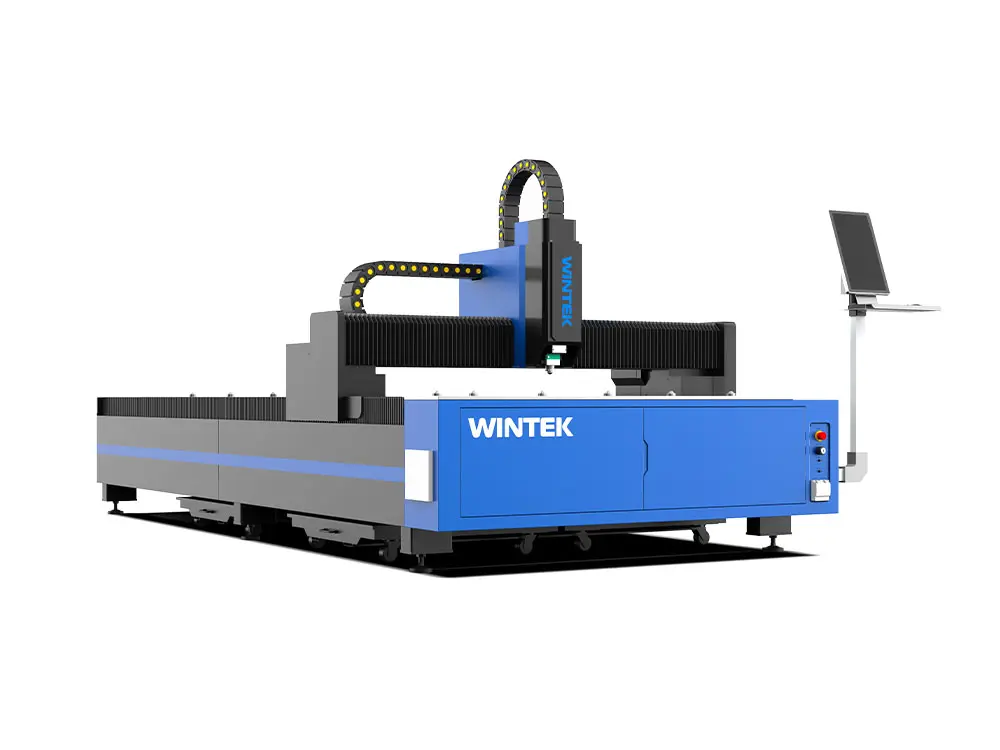
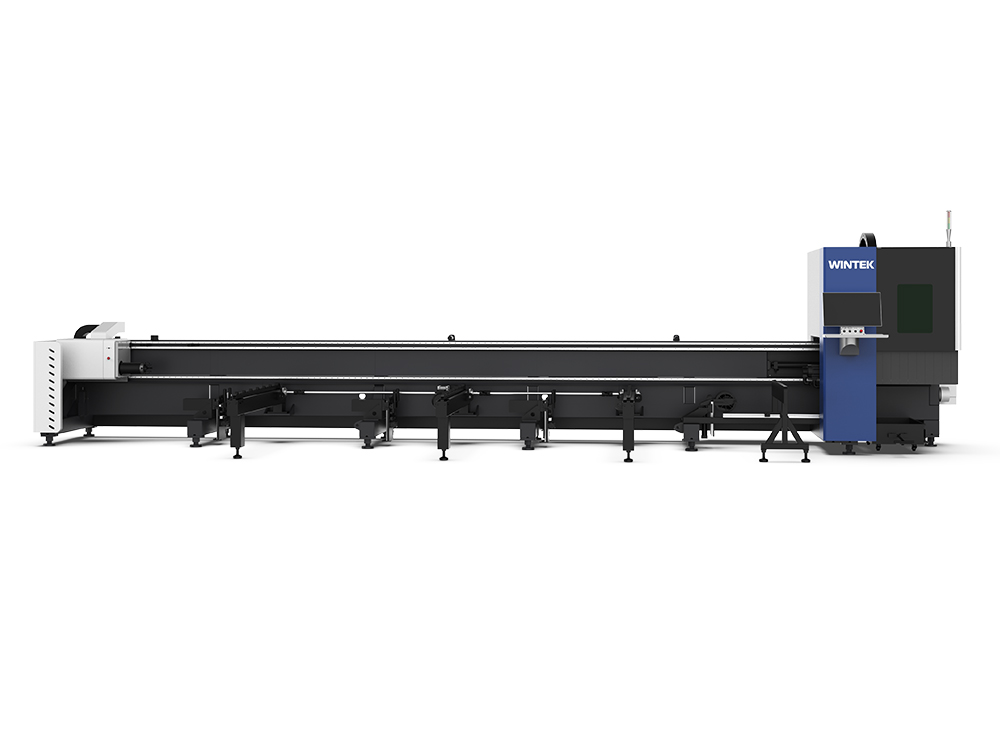
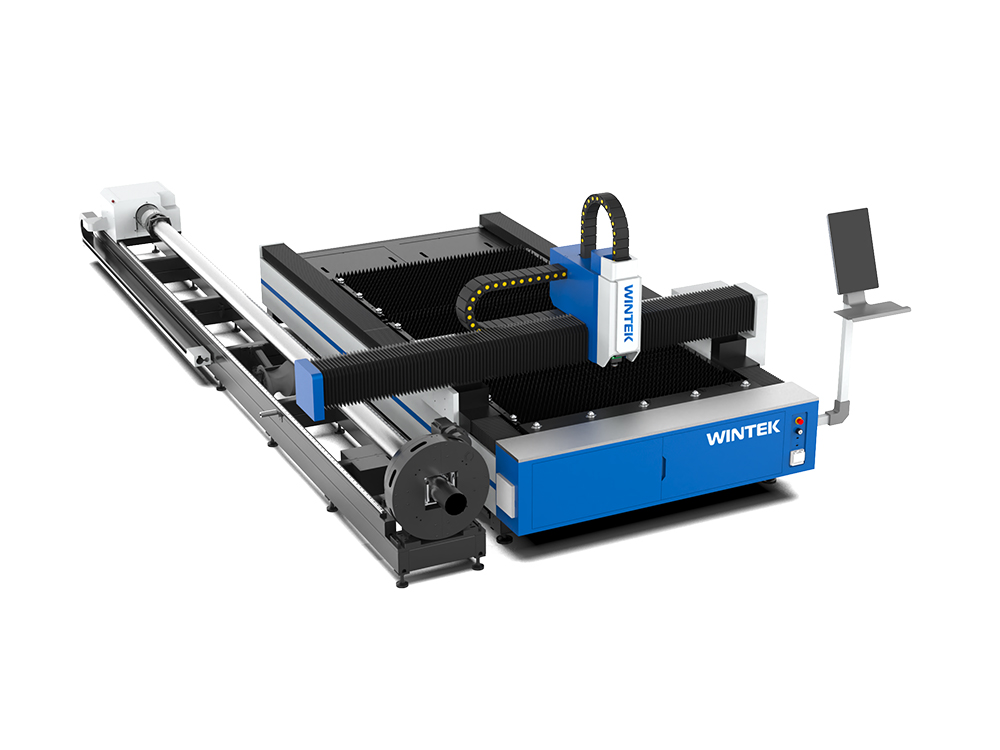
WINTEK fiber laser cutting machines are designed for stable, precise metal cutting across a range of fabrication applications. With the right machine configuration and properly optimized cutting parameters, manufacturers can improve edge quality, reduce secondary deburring, and achieve more consistent production results.