











As manufacturers look for cleaner and more efficient ways to prepare metal surfaces, laser cleaning is becoming a practical alternative to conventional surface treatment methods. Traditional cleaning processes such as chemical cleaning and abrasive blasting often rely on solvents, abrasive media, or water, which can create additional handling, waste, and disposal requirements.
Laser cleaning takes a different approach. By using concentrated laser energy to remove unwanted material from a surface, it can clean rust, paint, oxides, oil, grease, and certain coatings without continuously applying chemicals or abrasive media. This makes eco laser cleaning an increasingly attractive option for manufacturers looking to reduce consumables and simplify surface preparation.
But is laser cleaning actually environmentally friendly?
In many industrial applications, it can reduce the environmental burden associated with conventional cleaning methods. However, laser cleaning is not completely impact-free. Its overall environmental performance depends on factors such as the contamination being removed, machine configuration, energy consumption, cleaning efficiency, and how the resulting particles and fumes are captured and managed.
What Makes Laser Cleaning an Eco-Friendly Process?

The environmental advantages of laser cleaning mainly come from its selective and dry cleaning process. Instead of introducing abrasive particles, solvents, or cleaning solutions to the workpiece, the laser uses controlled energy to target unwanted material on the surface.
Depending on the material and process settings, laser cleaning can remove rust, paint, oxides, oil, grease, and certain coatings while leaving the underlying substrate largely unaffected.
Because no continuous cleaning medium is required, the process can reduce the number of consumables used during surface preparation. This can help manufacturers reduce chemical purchases, abrasive consumption, wastewater generation, and some of the waste-management requirements associated with traditional cleaning.
Another advantage is process control. Laser parameters such as power, frequency, scanning speed, and scan width can be adjusted according to the substrate and contamination. This allows operators to treat specific areas instead of applying the same cleaning method across the entire workpiece.
For these reasons, eco laser cleaning can be particularly valuable in applications where precision, reduced consumables, and a dry cleaning process are important.
At the same time, the environmental impact of laser cleaning should be evaluated as a complete process. The machine consumes electricity, and removed contaminants may generate particles or fumes that require appropriate extraction and filtration.
1. Reduced Use of Chemicals and Consumables
Many industrial cleaning processes use solvents, acids, alkaline solutions, or other chemical agents. Depending on the application, these materials can require additional storage, handling, workplace controls, and waste management.
Laser cleaning can remove many types of contamination without applying a chemical solution to the workpiece. For suitable applications, this reduces reliance on cleaning agents and can simplify the surface preparation process.
For manufacturers seeking to reduce solvent use or minimize routine chemical handling, this can be a significant operational advantage.
2. Less Secondary Waste
Waste generation is another important factor when comparing cleaning technologies.
Abrasive blasting requires a continuous supply of abrasive media. After use, the abrasive material becomes mixed with removed rust, paint, coatings, or other contaminants and must be collected and managed.
Wet and chemical cleaning can also generate used cleaning solutions, contaminated rinse water, and treatment residues.
Laser cleaning does not require a continuous flow of abrasive media or cleaning solution. As a result, it can reduce the amount of secondary material introduced into the cleaning process.
However, laser cleaning does not eliminate waste completely. Depending on the contamination and process parameters, ablation can produce fine particles, dust, or fumes. Suitable fume extraction and filtration should therefore be considered as part of an eco-friendly laser cleaning machine system.
3. More Precise Surface Treatment
Environmental efficiency is not only about reducing waste. It also depends on how effectively a process removes unwanted material without unnecessarily affecting the underlying surface.
Mechanical cleaning methods can sometimes affect both the contamination and the substrate. For components with tight dimensional tolerances, delicate finishes, or high replacement costs, excessive surface removal can result in rework or additional processing.
Laser cleaning provides localized treatment with adjustable process parameters. By controlling power, frequency, scanning speed, and scan width, operators can optimize the process for different substrates and contaminants.
This level of control is useful for molds, tools, precision components, automotive parts, and other high-value metal products where surface condition and dimensional consistency matter.
How Does Laser Cleaning Compare With Abrasive Blasting?
Abrasive blasting and laser cleaning use fundamentally different approaches.
Abrasive blasting uses high-speed particles to impact and remove material from the surface. Laser cleaning uses concentrated laser energy to loosen and remove the unwanted layer.
Abrasive blasting remains an effective solution for heavy-duty surface preparation. It can be suitable for large surfaces, thick rust, heavy scale, and stubborn coatings. However, the process requires a continuous supply of abrasive media, which creates additional material consumption and waste.
Laser cleaning eliminates the need for this continuous abrasive flow. It can therefore reduce secondary waste and make the cleaning area easier to manage.
The difference is also important when surface control is a priority. Laser parameters can be adjusted according to the contamination and substrate, allowing operators to focus treatment on specific areas.
Neither technology is ideal for every application. Abrasive blasting can be a strong choice when aggressive bulk removal and large-area processing are the main priorities. Laser cleaning can be more suitable when selective treatment, process control, and reduced consumables are important.
The right choice depends on contamination thickness, substrate material, surface area, required cleaning level, production volume, and finishing requirements.
Is Laser Cleaning Better Than Chemical Cleaning for the Environment?
Chemical cleaning can be highly effective, but it often involves multiple process stages.
Depending on the application, parts may need to be soaked or treated with a cleaning solution, rinsed, neutralized, dried, and prepared for the next production step. These stages can increase water use and create wastewater or chemical residues that require appropriate treatment.
Laser cleaning provides a dry alternative for many surface-cleaning applications. Instead of dissolving contamination through a chemical reaction, the laser uses controlled energy to remove the unwanted layer directly from the surface.
For suitable applications, components can be cleaned without immersion in a chemical bath or a separate rinsing and drying stage. This can simplify the workflow before welding, coating, bonding, or inspection.
For example, a steel component may require the removal of rust, oil, grease, or oxides before welding. An eco laser cleaning process can treat the contaminated area directly, helping reduce the need for liquid cleaning agents and additional washing or drying.
However, laser cleaning is not a universal replacement for chemical cleaning. Chemical processes may still be practical for bulk treatment, complex geometries, or certain contaminants that are difficult to remove with a laser.
The environmental advantage is therefore strongest when laser cleaning can effectively replace a chemical-based process while maintaining the required cleaning quality and production efficiency.
What About the Energy Consumption of Laser Cleaning?
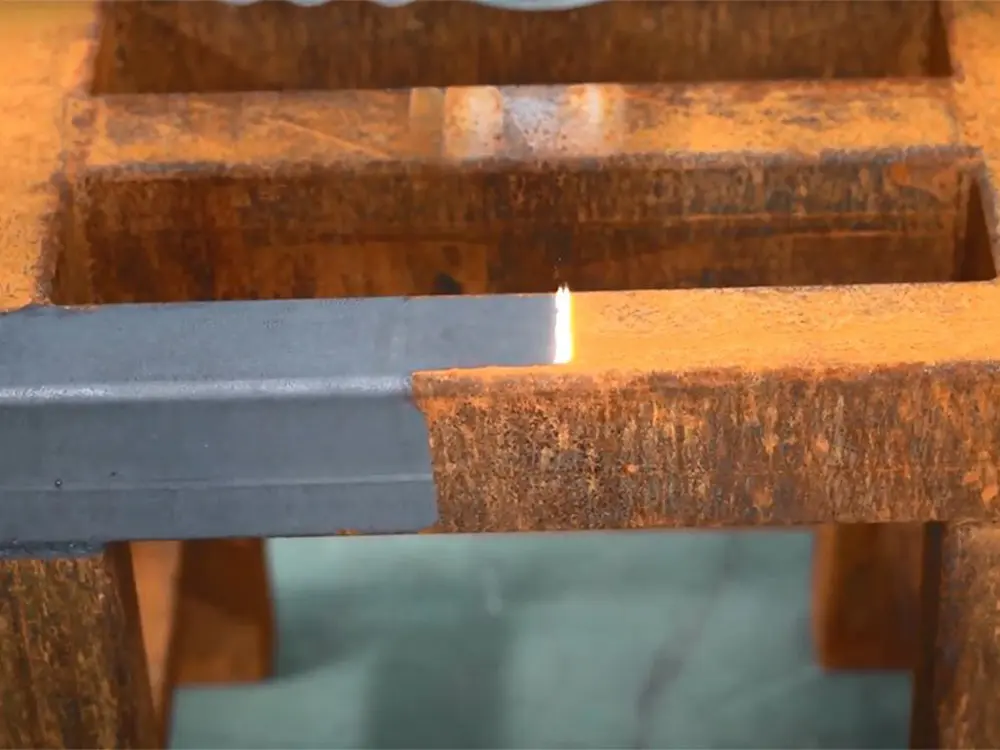
Electricity consumption is an important part of evaluating the environmental performance of laser cleaning.
Unlike chemical cleaning, which relies on chemical reactions, or abrasive blasting, which relies on mechanical energy and consumable media, laser cleaning uses electrical energy to generate and control the laser beam.
Actual energy consumption depends on the laser source and supporting components such as the control system, cooling system, and scanning mechanism. A higher-power machine may consume more electricity, but laser power alone does not determine the energy required for a specific cleaning task.
Cleaning efficiency is equally important.
A higher-power system may complete a cleaning job faster, while a lower-power machine may require a longer operating time. Therefore, manufacturers should consider the energy required to achieve the desired cleaning result rather than comparing machine power alone.
Factors such as laser efficiency, cleaning speed, duty cycle, scanning strategy, contamination thickness, and production volume can all affect energy consumption.
This is why selecting the right eco-friendly laser cleaning machine is important. A machine with significantly more capacity than the application requires may increase energy consumption without providing a proportional productivity benefit.
What Happens to the Contaminants After Laser Cleaning?
Laser cleaning removes unwanted material from the workpiece, but the removed material still needs to be managed.
Depending on the contamination and process parameters, rust, paint, coatings, oil, and other residues may be converted into fine particles, dust, or fumes during the cleaning process.
For industrial applications, suitable fume extraction and ventilation should therefore be considered. An appropriate extraction system can help capture airborne particles and fumes generated during cleaning.
The required filtration system depends on the material being removed, the cleaning parameters, and the operating environment. Collected material should be handled according to its composition and applicable local requirements.
This is an important part of evaluating eco laser cleaning. Reducing chemicals and abrasive media is beneficial, but effective control of airborne emissions and removed residues is still necessary.
Where Is Eco Laser Cleaning Most Useful?
The practical benefits of eco-friendly laser cleaning become especially apparent in applications where surface preparation is performed frequently or where conventional cleaning requires multiple processing steps.
Typical applications include:
- Rust and oxide removal: Cleaning metal components before welding, coating, or further processing.
- Paint and coating removal: Removing selected coatings during maintenance, repair, or recoating.
- Mold and tooling cleaning: Removing residues and buildup from molds, dies, and production tools.
- Weld preparation: Removing rust, oil, grease, and oxides from joint areas before welding.
- Machinery maintenance: Cleaning metal parts and equipment during maintenance and refurbishment.
- Automotive components: Treating selected components where controlled surface cleaning is required.
- Ship and rail maintenance: Removing rust, coatings, and other contamination from metal structures and components.
- Metal fabrication: Preparing surfaces before welding, coating, inspection, or other downstream processes.
For manufacturers, the strongest case for eco-friendly laser cleaning often comes from repeated cleaning operations. Reducing consumables, avoiding wet treatment, and simplifying washing or drying can help improve the overall workflow.
Choosing an Eco-Friendly Laser Cleaning Machine

Choosing an eco-friendly laser cleaning machine should start with the application rather than simply selecting the highest laser power.
The type and thickness of contamination, substrate material, treated area, required cleaning speed, cleaning precision, and production volume all influence the most suitable laser configuration.
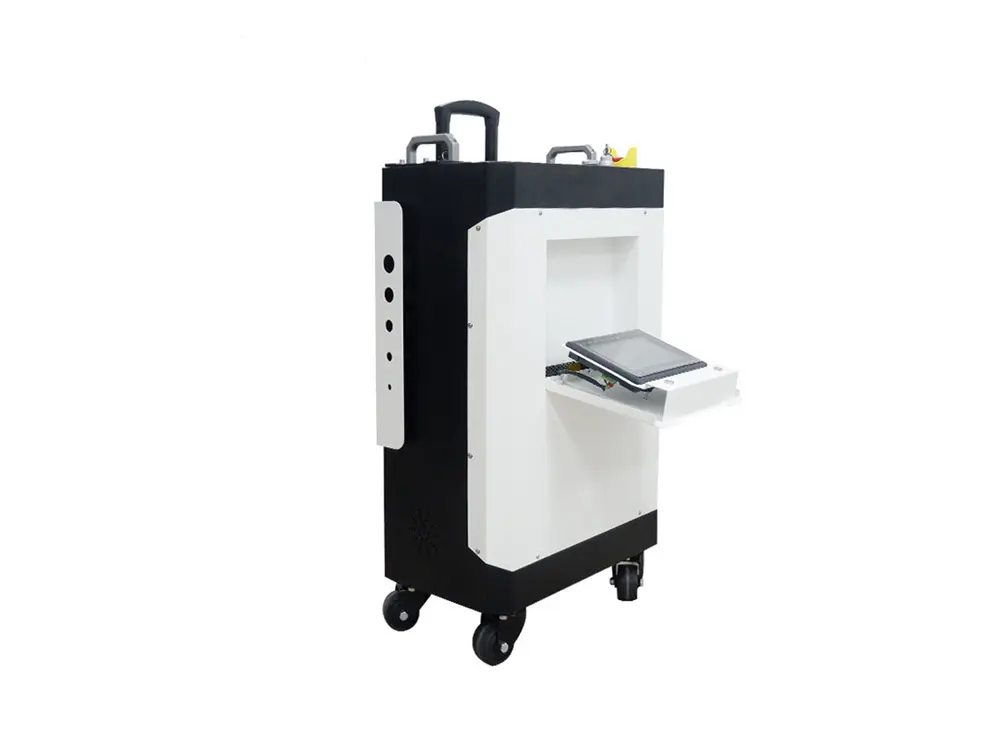
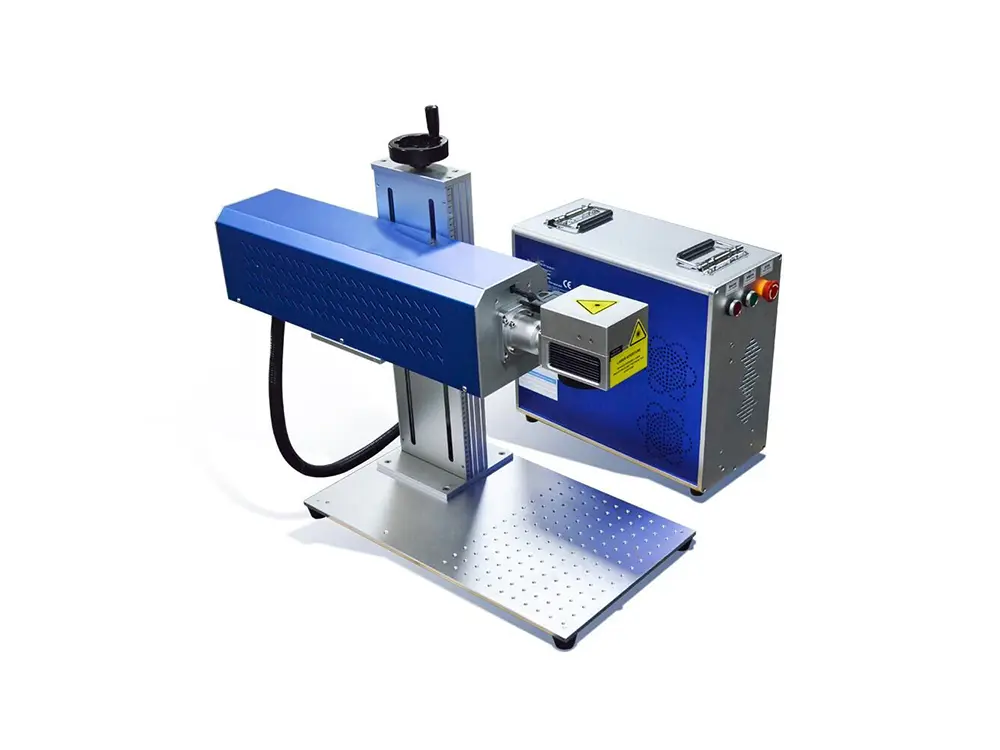
WINTEK offers both pulse laser cleaning machines and continuous laser cleaning machines, giving manufacturers different options for precision-oriented and higher-productivity cleaning applications.
Pulse Laser Cleaning Machines
Wintek pulse laser cleaning machines are designed for applications where controlled and selective material removal is important.
The laser delivers energy in short pulses, allowing operators to adjust the process for different contaminants and substrates while controlling heat input.
Pulse laser cleaning is well suited to applications such as rust and oxide removal, paint and coating removal, mold and tooling maintenance, and cleaning automotive or precision components.
Wintek pulse laser cleaning machines are available from 50W to 500W, providing different configurations for precision-focused cleaning applications.
Continuous Laser Cleaning Machines
Wintek continuous laser cleaning machines are designed for applications where cleaning speed and production efficiency are higher priorities.
Continuous laser output can be suitable for larger surfaces, heavier contamination, and routine industrial cleaning tasks.
Typical applications include heavy rust removal, paint and coating removal, machinery maintenance, large metal components, and surface preparation before welding or fabrication.
Wintek continuous laser cleaning machines are available from 1000W to 3000W, covering a range of higher-productivity industrial cleaning requirements.
The best choice is not necessarily the machine with the highest power. Manufacturers should consider the contamination, substrate, surface area, required cleaning result, operating frequency, and production volume together.
Selecting the right eco-friendly laser cleaning machine can help balance cleaning performance, productivity, and energy use.
Заключение
Laser cleaning is becoming a practical choice for manufacturers seeking more efficient and resource-conscious surface treatment. By using laser energy instead of chemical agents or abrasive media, it can reduce consumable use and help create a cleaner working process.
Its environmental advantages are strongest when the entire cleaning system is properly designed. Factors such as laser efficiency, power selection, fume extraction, and contaminant collection all play a role in the overall sustainability of the process.
For manufacturers exploring eco laser cleaning, choosing equipment based on the actual application is key. The right eco-friendly laser cleaning machine can deliver consistent cleaning performance while reducing unnecessary materials, waste, and process complexity.
As industries continue to pursue cleaner production methods, laser cleaning provides a flexible solution for achieving effective surface treatment with fewer consumables and a more controlled process.