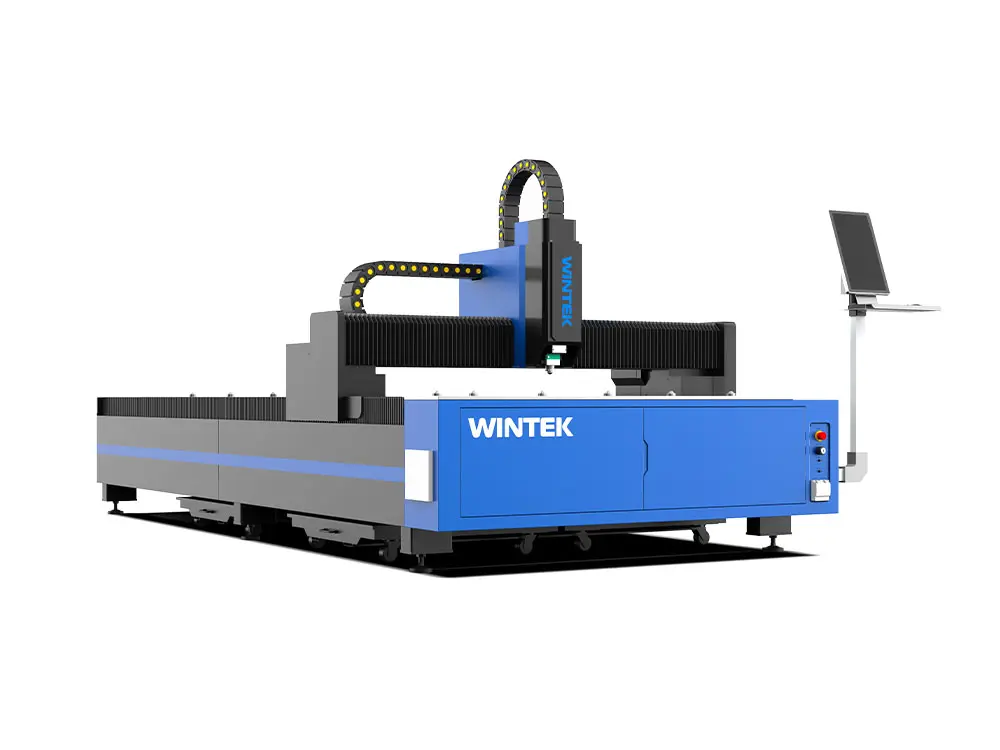












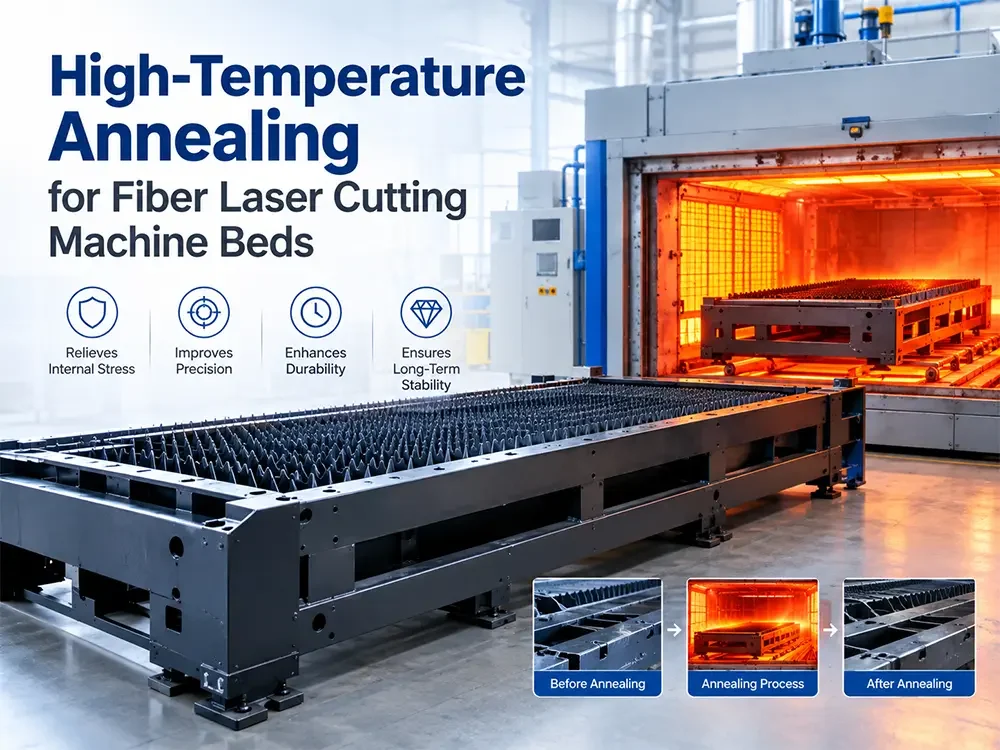
A fiber laser cutting machine needs a rigid and stable structure to maintain consistent cutting performance over long-term operation. The machine bed is one of its most important structural components because it supports the working table, guide rails, drive system, and other key parts. Most fiber laser cutting machine beds are made from welded steel…
14
Сен
Сен
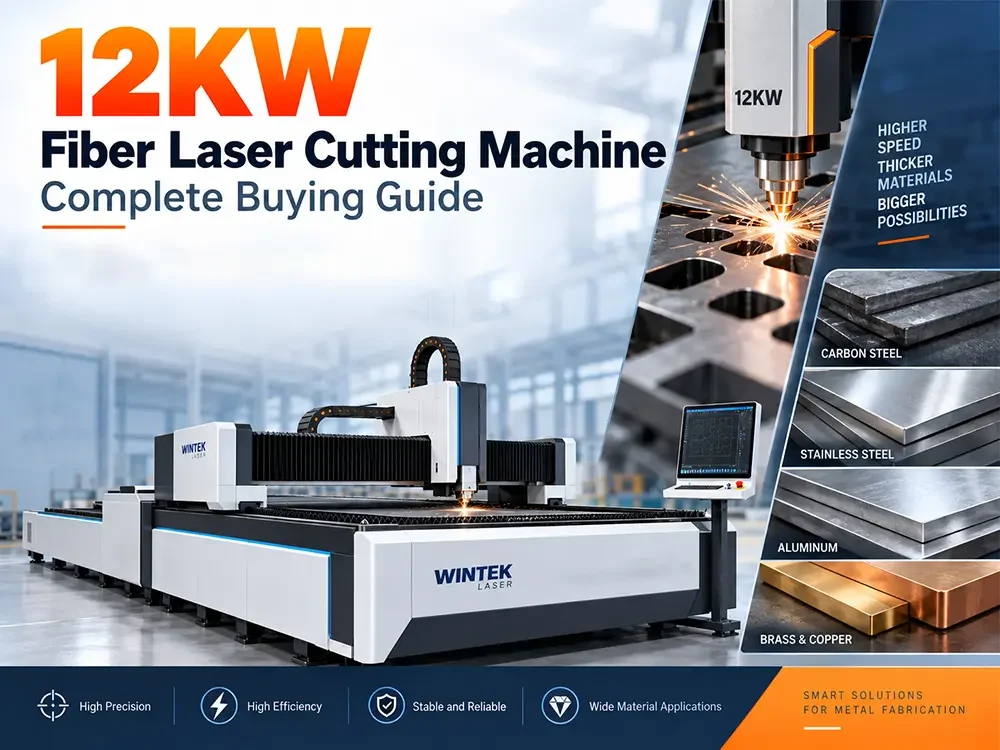
Choosing the right laser power is an important decision for metal fabrication businesses. It directly affects cutting capacity, production speed, operating costs, and the range of materials you can process. A 12KW fiber laser cutting machine offers a strong balance between cutting capacity and production performance. It is designed for manufacturers processing medium and thick…

03
Сен
Сен
As manufacturers look for cleaner and more efficient ways to prepare metal surfaces, laser cleaning is becoming a practical alternative to conventional surface treatment methods. Traditional cleaning processes such as chemical cleaning and abrasive blasting often rely on solvents, abrasive media, or water, which can create additional handling, waste, and disposal requirements. Laser cleaning takes…

02
Сен
Сен
When choosing a handheld laser welding or cleaning machine, the laser head plays an important role in the overall user experience. Its design can affect handling, maintenance, safety features, and how well the machine fits a particular production environment. SUP21T and SUP23T are multifunctional handheld laser heads used in applications such as laser welding, laser…

01
Сен
Сен
Laser welding is a suitable option for many stainless steel railing applications, including stair railings, balcony railings, handrails, and other architectural metalwork. Its concentrated heat input and high welding speed make it possible to create clean, precise joints while helping minimize heat-related distortion. For manufacturers, laser welding stainless steel railings can offer several advantages over…
25
Авг
Авг
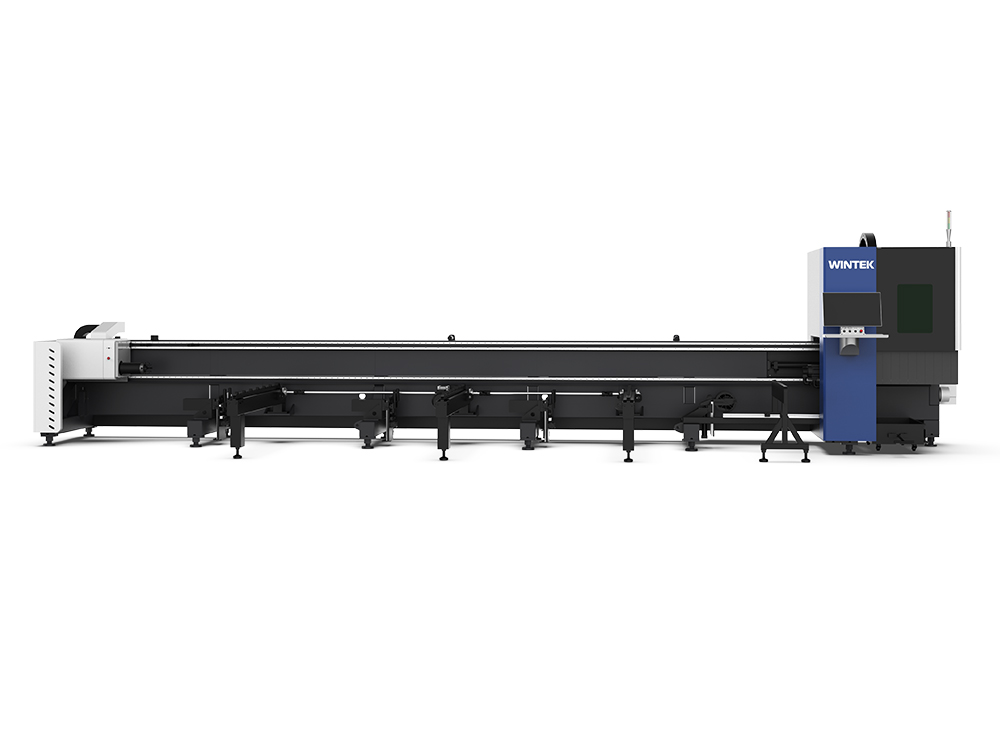
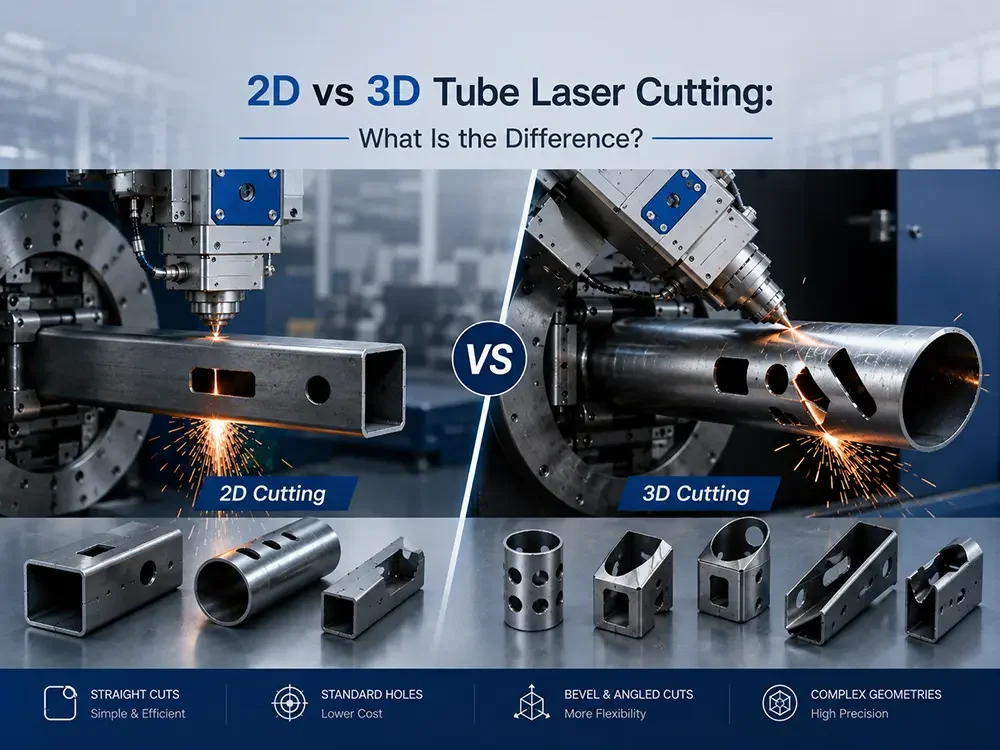
Tube laser cutting has become an essential manufacturing process for industries that work with round tubes, square tubes, rectangular tubes, and other structural profiles. Compared with conventional sawing, drilling, and manual fabrication, a tube laser cutting machine can integrate cutting, hole making, slotting, notching, and other processes into a single automated operation. When choosing a…
24
Авг
Авг
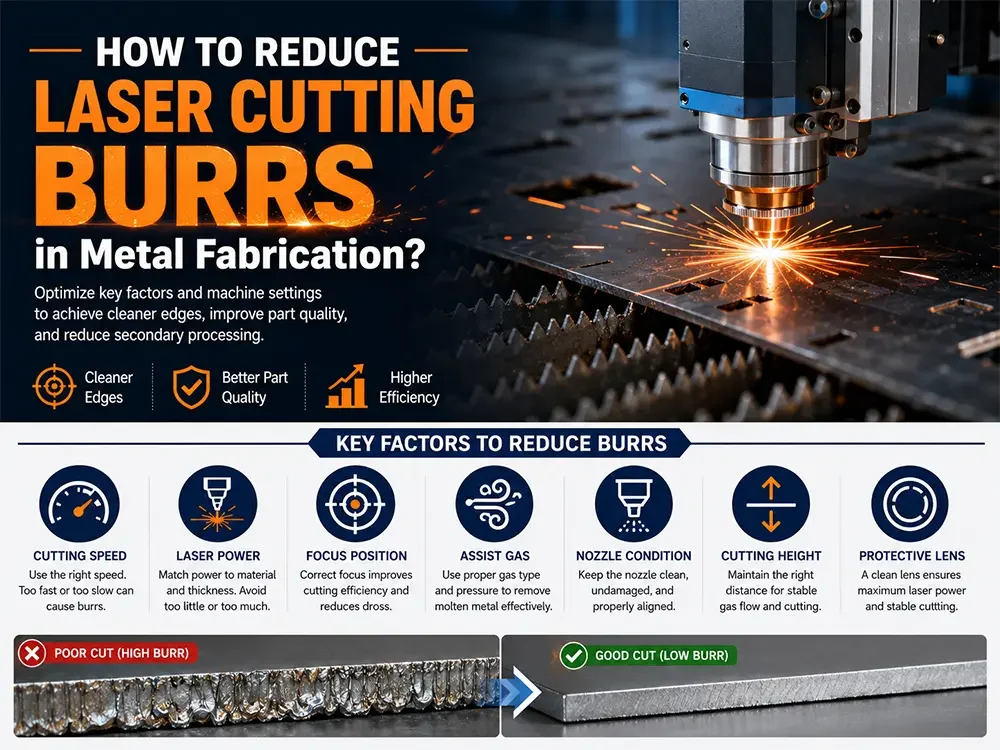
Laser cutting burrs are a common quality issue in metal fabrication. Although fiber laser cutting machines can produce fast, precise, and clean cuts, improper cutting parameters or machine conditions may leave burrs, dross, or rough edges on the workpiece. Burrs can increase secondary processing, affect part quality, and add labor costs for grinding or deburring….

13
Авг
Авг
Grease and oil are common contaminants on mechanical components used in industrial machinery, automotive equipment, and manufacturing systems. If these residues are not properly removed, they can interfere with inspection, assembly, coating, welding, repair, and other downstream processes. Traditional cleaning methods such as solvents, detergents, abrasive blasting, pressure washing, and manual scrubbing can remove grease…
12
Авг
Авг
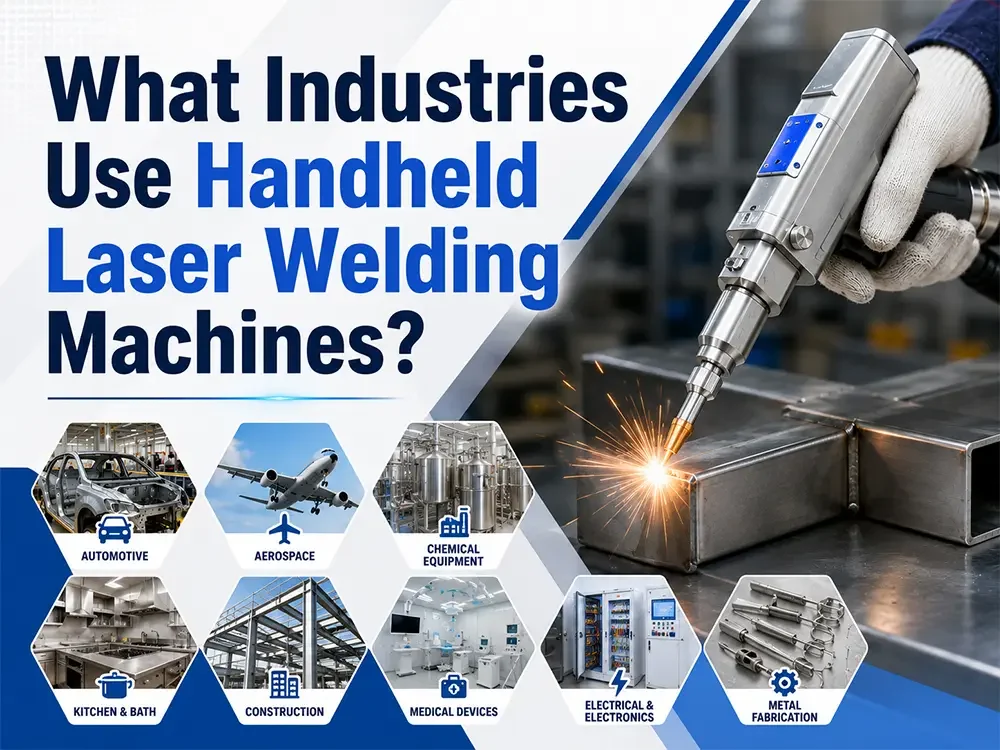
Handheld laser welding machines are becoming increasingly popular in modern metal fabrication due to their high welding speed, precision, flexibility, and ease of operation. Unlike traditional welding methods such as TIG and MIG, laser welding uses a highly concentrated beam to generate heat directly at the joint, producing strong, clean welds with a relatively small…

11
Авг
Авг
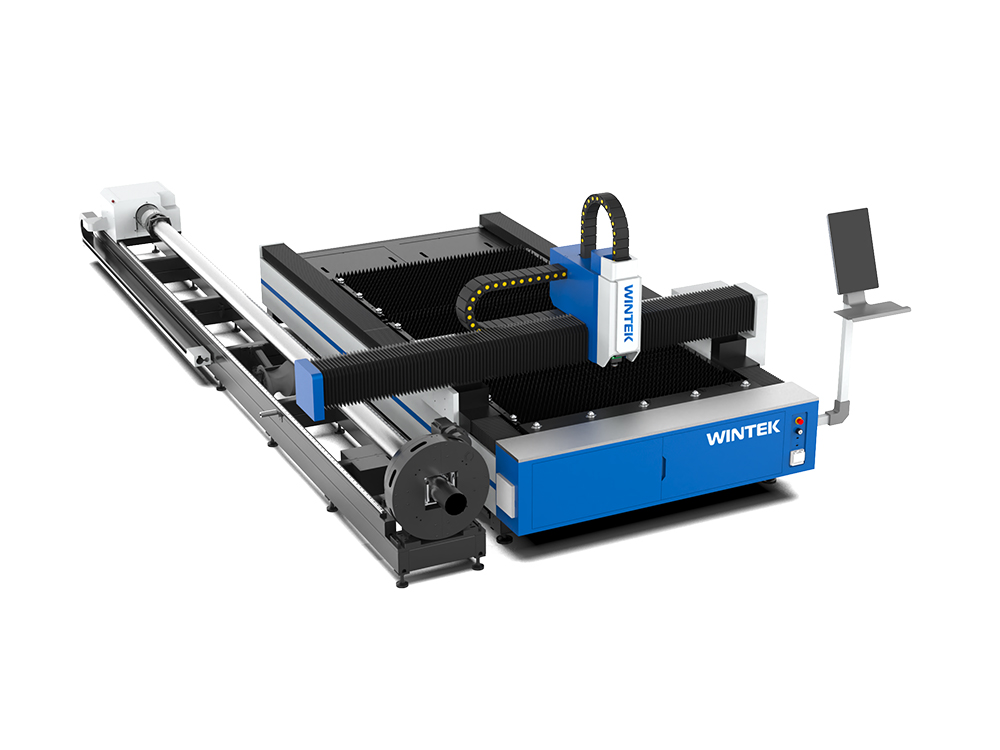
Metal fabrication companies often need to process both metal sheets and tubes for manufacturing applications such as machinery parts, steel structures, furniture, automotive components, and other metal products. Traditionally, manufacturers have relied on separate sheet metal laser cutting machines and tube laser cutting machines, with each machine dedicated to a specific type of material cutting….