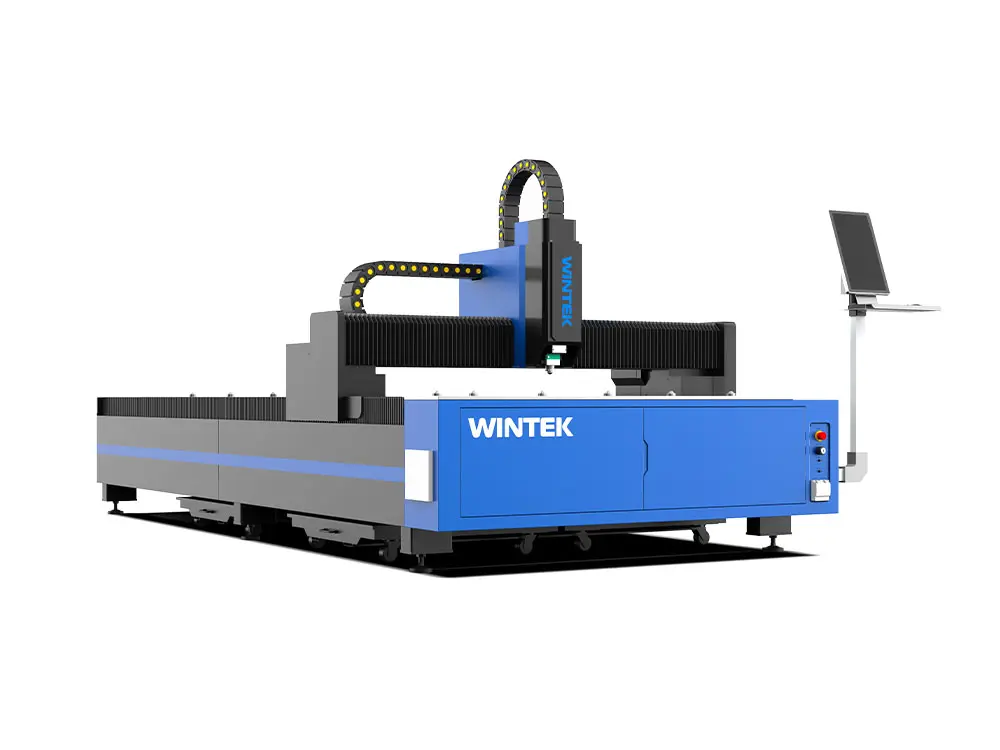
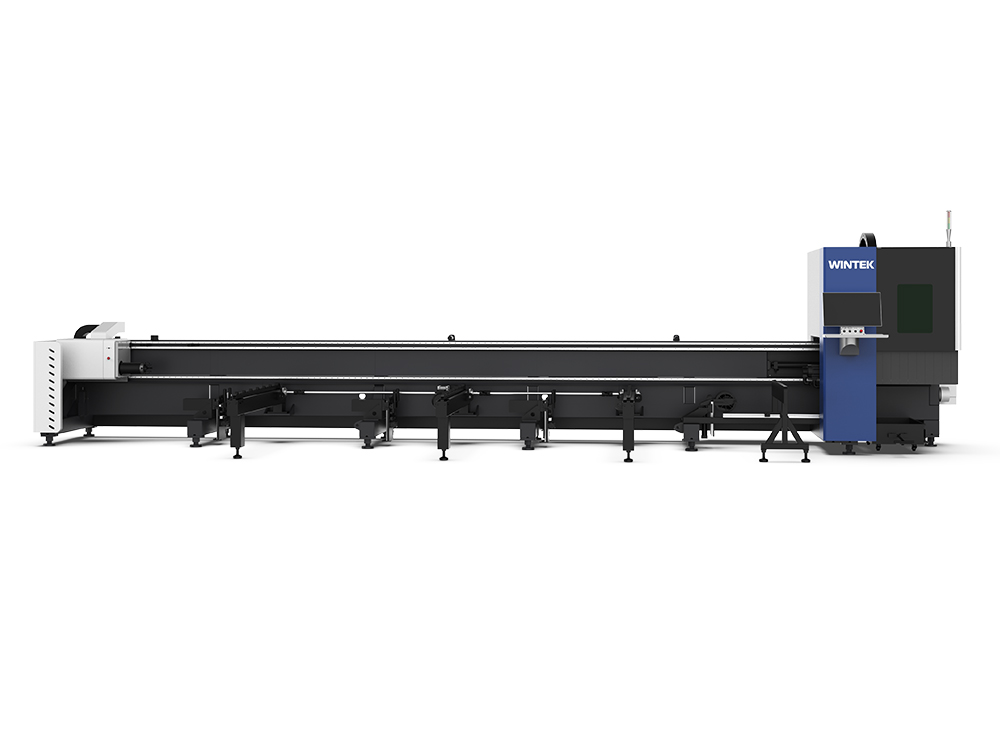
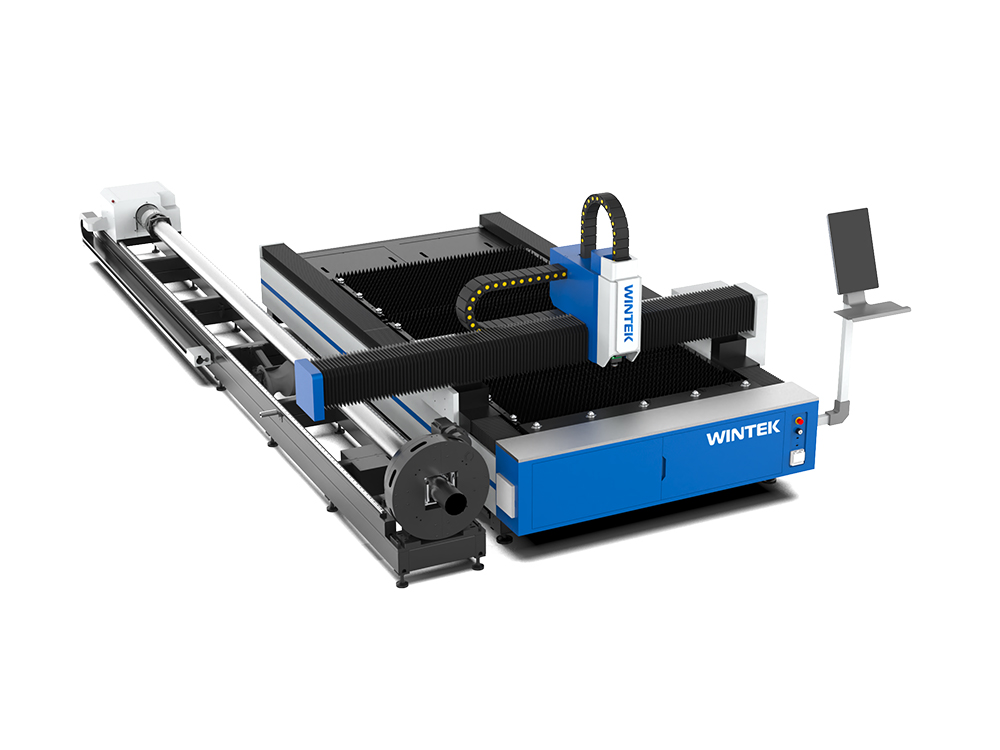












Before a metal fiber laser cutting machine leaves the factory, buyers should verify its configuration, inspect cutting performance, and confirm that all accessories and shipping documents are complete. These checks help ensure that the delivered equipment matches the purchase agreement and is ready for installation.
Skipping pre-shipment inspection can lead to incorrect configurations, missing components, or delays during commissioning. For overseas buyers, resolving these issues after delivery can be more difficult and costly.
This guide explains what to check before shipment, from laser source specifications and cutting test results to export packaging and after-sales arrangements.
Confirm the Machine Configuration Against the Contract
Start by comparing the completed machine with the purchase agreement and approved technical specifications. Confirm the laser source brand and rated power, working area, cutting head model, CNC controller, drive system, and included auxiliary equipment.
For a metal fiber laser cutting machine, the exact configuration matters more than the model name alone. Two machines with the same nominal power may differ in their cutting heads, motion components, control systems, and standard accessories. Record any approved substitutions in writing before shipment.
Check the following details:
- Laser source: Confirm the manufacturer, rated power, and model against the agreed configuration.
- Working area: Confirm the effective cutting dimensions and ensure they accommodate the sheet sizes used in your production.
- Cutting head: Check the model, focusing configuration, and compatibility with the specified laser power.
- Control system: Confirm the CNC controller, operating interface, and supported file formats.
- Drive system: Verify the specified motors, transmission components, and motion control configuration.
- Auxiliary equipment: Verify the chiller, fume extraction or dust collection system, voltage transformer if required, and other items listed in the contract.
A written configuration sheet is particularly useful when comparing sheet metal laser cutting equipment from different suppliers. It provides a clear reference for checking component brands, technical specifications, included accessories, and any approved changes before dispatch.
Inspect the Machine Structure and Mechanical Components
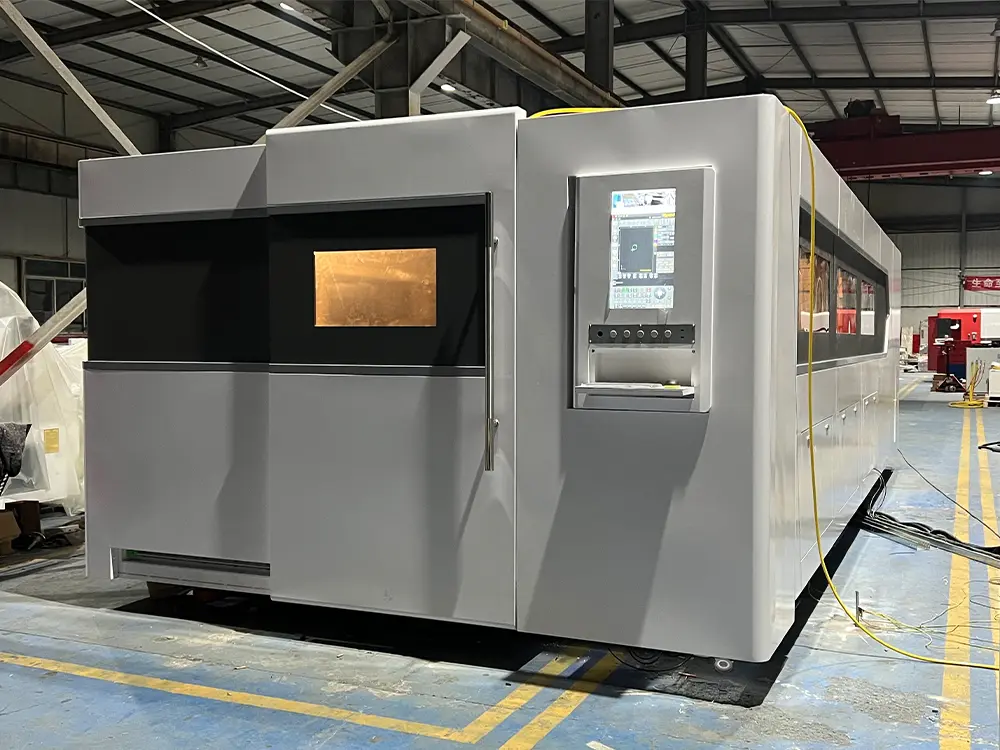
The machine bed, guide rails, and drive system affect positioning accuracy and stability during repeated cutting operations. Before shipment, inspect the frame for visible damage, incomplete assembly, loose covers, and improperly secured cables.
Ask the supplier to run the X, Y, and Z axes through their working ranges. Watch for abnormal noise, irregular movement, cable interference, or unexpected stops. If the machine has an exchange table, test its loading, movement, and safety functions according to the specified configuration.
For a CNC laser metal cutting machine, request positioning accuracy or repeatability test results when these are included in the acceptance requirements.
Request a Real Cutting Test Before Shipment
A pre-shipment cutting test should use the materials and thicknesses specified in the buyer’s application requirements. Ask the supplier to record the test conditions so that the results can be reviewed against the agreed acceptance criteria.
For each sample, check the following:
- Cutting edge quality: Inspect the cut edges for excessive dross, burrs, and uneven surfaces.
- Dimensional accuracy: Measure the finished sample and compare the results with the programmed dimensions and agreed tolerances.
- Contour quality: Examine straight lines, corners, small holes, and detailed shapes for visible defects.
- Piercing performance: Check the entry points for excessive damage and confirm that piercing remains stable under the tested conditions.
- Process parameters: Record the material grade, thickness, laser power, assist gas, nozzle specification, and cutting speed.
A metal sheet laser cutting machine should be accepted based on the agreed material, thickness, cutting quality, and dimensional requirements. If your production involves several metals or thickness ranges, request separate samples for the applications that matter most to your business.
Test the Electrical System and Safety Functions
Before packing, verify that the electrical system matches the requirements of the destination country and the agreed machine configuration. Check the rated voltage, frequency, phase requirements, electrical cabinet, grounding, and wiring connections.
Ask the supplier to demonstrate the emergency stop buttons, door interlocks, warning indicators, and other safety devices fitted to the machine. For enclosed models, confirm that the doors and interlocks operate correctly. Exchange-table systems should also be checked for proper operation and applicable safety protections.
Safety devices should also be tested according to the machine configuration. These may include emergency stop buttons, door interlocks, protective enclosures, warning indicators, and light curtains where fitted.
If the machine includes an enclosed cutting area, check that the doors and interlocks function as intended. For an exchange-table model, verify the relevant movement safeguards and operating controls.
Confirm the required electrical supply, compressed air, assist gas, cooling, and fume extraction connections before arranging installation. Factory testing does not replace site-specific installation checks or operator safety training.
Verify Software, Drawings, and Operating Functions
Before shipment, test the CNC controller and verify that the operator can load cutting programs, move the machine axes, control the cutting head, and access the functions included in the order.
Confirm the supported drawing and cutting file formats, software licenses, and compatibility with your existing nesting workflow. If your production requires specific software versions or external system connections, verify these requirements before dispatch.
Request the user manual, electrical diagrams, maintenance instructions, and troubleshooting guidance in the agreed language. A video of the actual machine operating and completing a cutting test can also help your team prepare for installation. Before approving shipment, confirm that all contracted software functions are available and that the required documents have been provided.
Check Accessories, Consumables, and Spare Parts
Missing accessories can delay commissioning even when the main machine is undamaged. Compare the packing list with the purchase agreement and verify the quantity and specifications of every included item.
Depending on the ordered configuration, check the following:
- Cutting nozzles and protective windows
- Ceramic rings and other specified cutting head consumables
- Tool kits and maintenance accessories
- Required cables, connections, and fittings
- User manuals, electrical diagrams, and software documentation
- Contracted spare parts and replacement components
Confirm in writing which accessories are included in the purchase price and which are optional. For distributors and production facilities, also identify the recommended consumables, commonly replaced parts, and ordering procedures for future maintenance.
Confirm Packaging and Export Shipping Arrangements

International shipping exposes laser cutting equipment to handling, vibration, and moisture risks. Before dispatch, confirm that the packaging method is suitable for the machine’s dimensions, weight, shipping route, and expected storage conditions.
Confirm that exposed precision components are protected, loose accessories are secured, and the machine is properly fixed inside the package. Appropriate moisture protection is important when the shipment may encounter humid conditions or temperature changes.
Verify the shipping marks, package dimensions, gross weight, and number of packages so that the freight forwarder can arrange transportation and unloading.
Check the commercial invoice, packing list, and applicable export documents for consistency. Confirm the agreed Incoterms, freight arrangements, insurance responsibilities, and estimated dispatch date.
Request photographs of the packed machine, protective materials, and shipping marks before dispatch. Keep these records for shipment tracking and reference if damage is reported upon arrival.
Finalize Acceptance Records and After-Sales Support
Before authorizing dispatch, obtain a pre-shipment inspection report covering the agreed machine configuration, functional tests, cutting results, and any unresolved issues. Compare the findings with the acceptance criteria in the purchase agreement and document any corrective actions required before shipment.
Before shipment, confirm the warranty period, installation and training arrangements, technical support channels, and any additional service charges. Overseas buyers should clarify whether remote assistance or on-site installation is available, how to request replacement parts, and which documents are required for commissioning and maintenance.
Pre-Shipment Checklist for a Metal Fiber Laser Cutting Machine
Before authorizing shipment, use the following checklist to verify that the machine and supporting documents are ready for delivery.
| Inspection Item | What Buyers Should Check |
|---|---|
| Makine Yapılandırması | Confirm the machine model, laser power, working area, cutting head, CNC controller, and drive system match the purchase agreement. |
| Mechanical Components | Inspect the machine bed, guide rails, motion axes, cable carriers, and exchange table, if equipped. |
| Cutting Performance | Review test samples for cutting edge quality, dimensional accuracy, piercing performance, and consistency. |
| Electrical System | Verify the rated voltage, frequency, phase requirements, wiring, and grounding. |
| Safety Functions | Test emergency stops, door interlocks, warning indicators, and other installed safety devices. |
| CNC and Software | Confirm program loading, axis movement, cutting head operation, supported file formats, and required software functions. |
| Accessories and Spare Parts | Check the quantities of nozzles, protective windows, ceramic rings, tool kits, cables, and agreed spare parts. |
| Technical Documents | Confirm that user manuals, electrical diagrams, maintenance instructions, and troubleshooting guides are provided. |
| Export Packaging | Verify protective materials, moisture protection, package dimensions, gross weight, and shipping marks. |
| Shipping Documents | Check the commercial invoice, packing list, applicable export documents, and agreed shipping arrangements. |
| Inspection Records | Obtain the pre-shipment inspection report and cutting test records, and confirm that outstanding issues have been resolved. |
| Warranty and Support | Confirm warranty terms, installation arrangements, operator training, and after-sales support channels. |
Complete these checks before approving dispatch. Document any discrepancies and obtain confirmation of corrective actions from the supplier before the machine leaves the factory.
Sonuç
A thorough pre-shipment inspection helps ensure that your equipment meets the agreed specifications and is ready for delivery. Before approving a metal fiber laser cutting machine for shipment, verify the cutting test results, confirm that all accessories and documents are complete, and resolve any outstanding issues with the supplier.
Clear acceptance criteria and documented inspection results help reduce delivery risks and simplify installation. By completing these checks before dispatch, buyers can prepare their production teams for commissioning with greater confidence.
At WINTEK Laser, we supply fiber laser cutting machines for metal fabrication businesses worldwide. We focus on reliable machine configurations, pre-shipment testing, and practical after-sales support to help customers prepare for installation and production.
Looking for a metal fiber laser cutting machine for your business? Contact WINTEK Laser to discuss your cutting requirements and get a tailored solution for your application.