
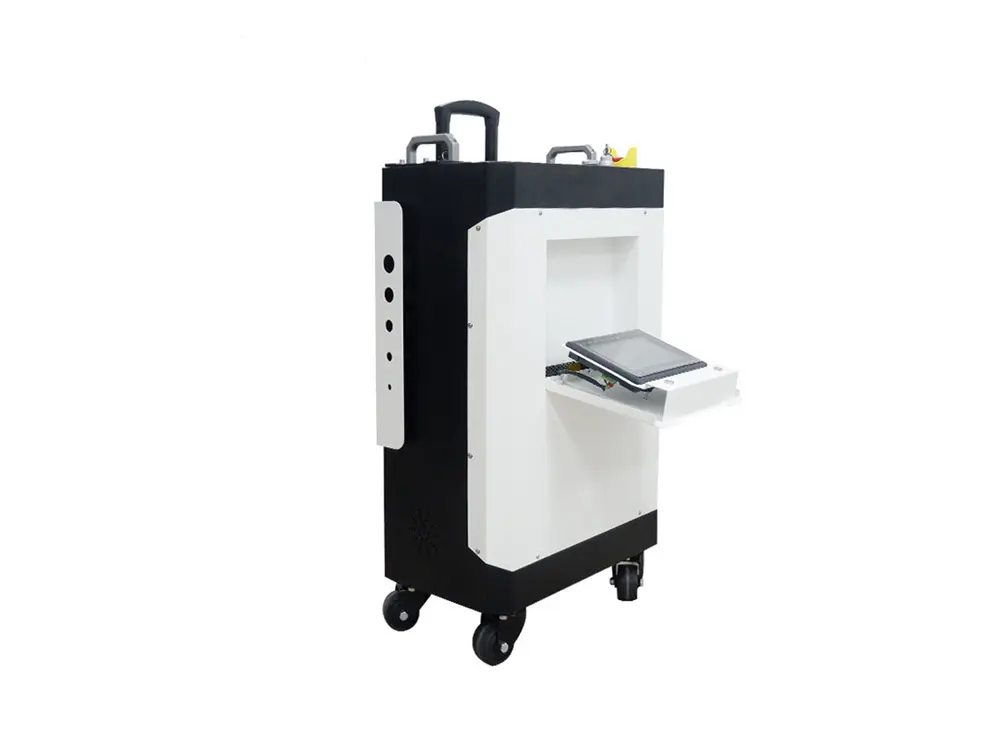
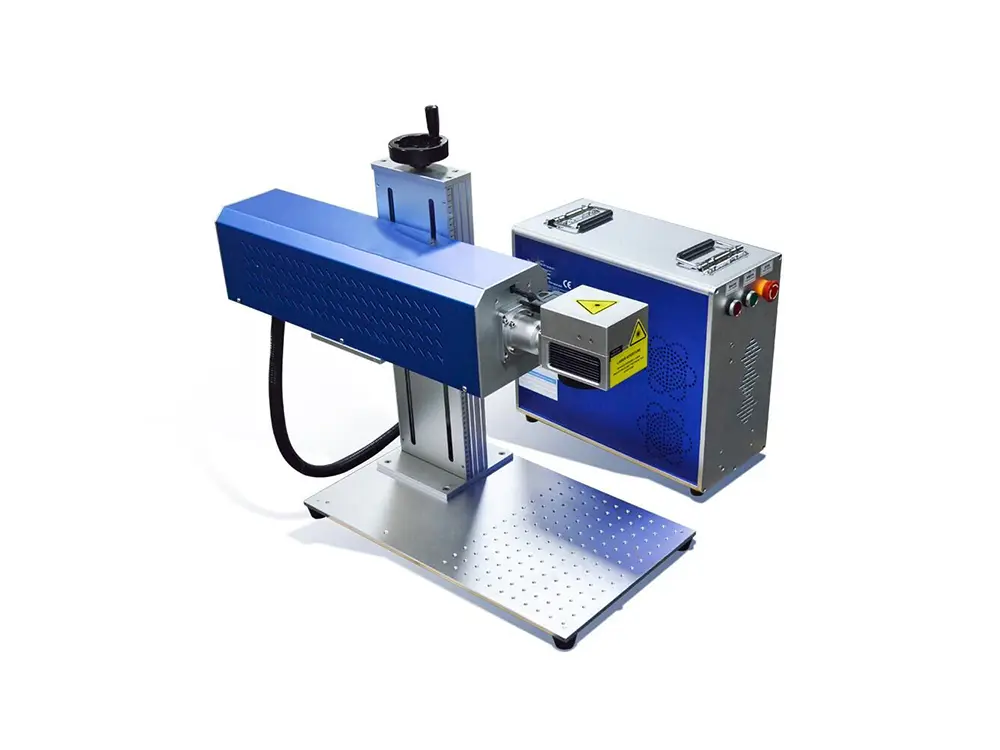











Stone has been a fundamental material in architecture, monuments, and decorative art for centuries. From historic cathedrals to modern commercial buildings, it offers a unique combination of durability and timeless visual appeal. However, over time, stone surfaces are inevitably exposed to environmental factors such as pollution, moisture, and biological growth. This leads to the accumulation of dirt, moss, algae, paint, and other contaminants that gradually reduce both the appearance and structural quality of the material. Laser cleaning stone provides a modern, precise solution to restore these surfaces, effectively removing contaminants without causing damage.
Conventional cleaning methods, including sandblasting, chemical treatments, and high-pressure water cleaning, are still widely used. However, these approaches often come with significant drawbacks. They can be too aggressive for delicate stone surfaces, may introduce harmful chemicals into the environment, and in many cases fail to deliver consistent, high-quality results.
Laser cleaning stone technology offers a modern and highly effective alternative. By combining precision, efficiency, and environmental responsibility, this method is transforming the way stone surfaces are maintained and restored. In this article, we will examine how laser cleaning machines for stone operate, along with their key advantages, practical applications, and growing importance across multiple industries.
What Is Laser Cleaning for Stone?
Laser cleaning of stone is a non-contact, non-abrasive method that uses high-energy light pulses to remove surface contaminants without damaging the underlying material. Unlike chemical cleaners, it leaves no residue, and unlike sandblasting, it doesn’t erode or scratch the stone surface.
The technology relies on precise laser pulses that target contaminants. The contaminants absorb the laser energy, vaporize, and are removed, while the stone remains intact. Modern laser stone cleaning machines offer adjustable settings, allowing operators to tailor power, speed, and frequency to different stone types, from soft limestone to hard granite.
Advantages of Laser Stone Cleaning Machine
The benefits of using a stone cleaning laser are numerous:
- Non-Destructive Cleaning: Laser cleaning preserves the original texture, color, and fine details of stone surfaces. Sculptures, historic monuments, and decorative façades can be restored without damage.
- Environmentally Friendly: Traditional methods often involve harsh chemicals, water runoff, and waste disposal issues. Laser cleaning is chemical-free and requires no water, making it an eco-friendly alternative.
- Precision and Control: With laser surface cleaning stone systems, operators can focus on small, delicate areas or stubborn stains without affecting surrounding surfaces.
- Time Efficiency: Multiple layers of dirt, algae, moss, or graffiti can be removed in less time compared to traditional methods, reducing labor costs.
- Versatility: Laser stone cleaning machines can handle a wide variety of stone types and applications, making them suitable for monuments, floors, façades, and statues.
Applications of Laser Cleaning Stone
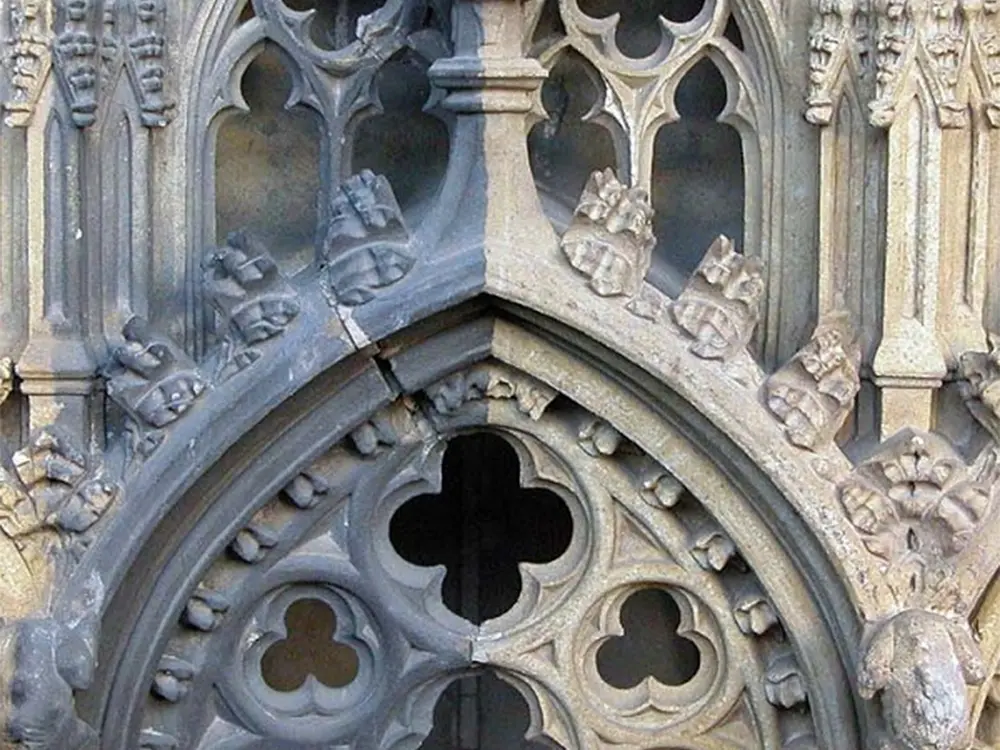
1. Architectural Restoration
Historical buildings and monuments face decades of weathering, pollution, and graffiti. Traditional cleaning risks eroding delicate carvings or altering stone color. Laser cleaning stone offers precise restoration while preserving authenticity.
2. Commercial and Residential Stone Maintenance
Marble floors, granite countertops, and exterior stone walls can accumulate stains, dust, or cement residue. A laser cleaning machine for stone allows property managers and contractors to maintain pristine surfaces efficiently and safely.
3. Graffiti and Pollution Removal
Urban environments expose stone monuments and public art to paint, soot, and grime. Laser stone cleaning machines can remove graffiti and surface pollutants without harmful chemicals or abrasion.
4. Museums and Cultural Heritage Sites
Delicate sculptures and historical artifacts benefit from laser surface cleaning stone techniques, as laser cleaning is gentle enough to remove contaminants without harming the artwork.
How Laser Stone Cleaning Works
The laser stone cleaning process can be broken down into several steps:
1. Assessment: Evaluate the stone type, contamination layer, and overall surface condition. Different types of stone, such as marble, sandstone, limestone, and granite, require specific laser settings to achieve safe and effective cleaning results.
2. Machine Setup: Configure the laser cleaning machine for stone with the appropriate wavelength, pulse energy, and scanning speed. Portable systems are ideal for on-site restoration, while larger units suit industrial stone maintenance.
3. Cleaning Process: The laser beam is scanned across the stone surface. Contaminants absorb the laser energy, break down, and are removed. Modern systems often include dust extraction to keep the environment clean.
4. Inspection: After cleaning, carefully inspect the surface to ensure uniformity and no damage. Additional passes can be made for stubborn contamination layers if needed.
Laser Cleaning Stone: Safety and Precautions
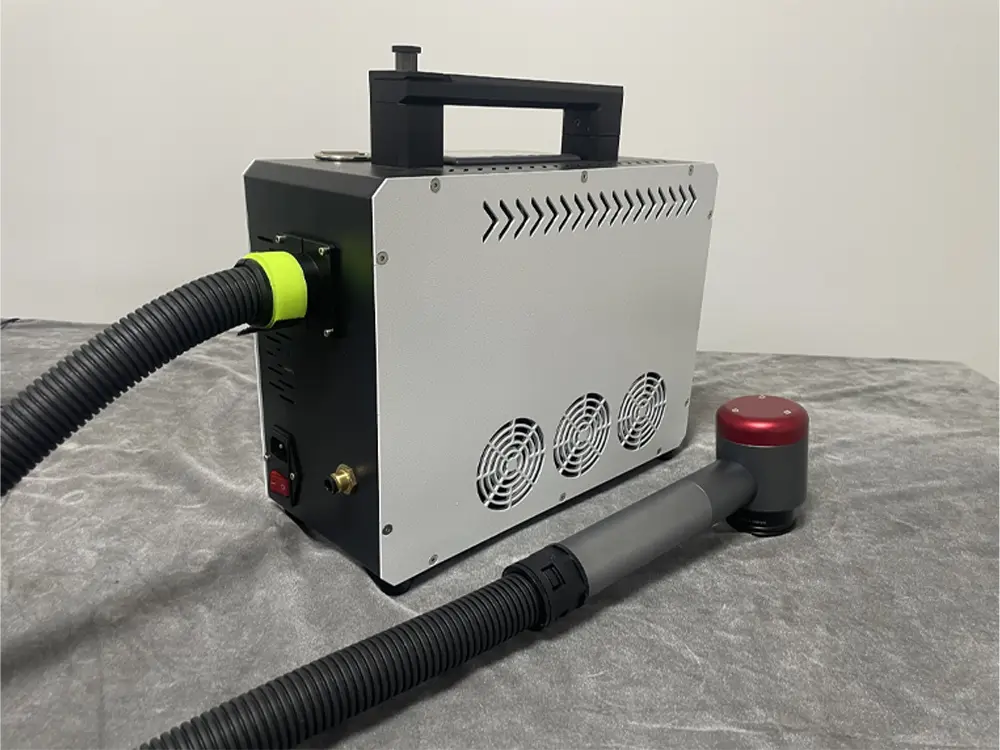
Laser cleaning stone is a safe and highly controlled process when performed correctly. However, like any advanced technology, it requires proper handling and awareness to ensure both operator safety and optimal results on the stone surface.
One of the most important considerations is personal protective equipment. Operators should always wear appropriate laser safety goggles to protect their eyes from direct or reflected laser exposure. Protective gloves and suitable workwear are also recommended, especially when working in environments with dust or debris.
Another key factor is parameter control. Using the correct laser power, pulse frequency, and scanning speed is essential. Excessive energy can potentially discolor or slightly alter sensitive stone surfaces, particularly softer materials such as limestone or marble. Proper calibration ensures effective cleaning without compromising the integrity of the stone.
It is also important to test the process on a small area before starting full-scale cleaning. This allows operators to fine-tune settings and verify that the desired results can be achieved without unintended effects.
In addition, maintaining a clean and controlled working environment improves both safety and efficiency. Using dust extraction systems can help remove particles generated during the cleaning process, keeping the workspace safe and improving visibility.
Finally, operator training plays a crucial role. A well-trained operator understands how different stone materials react to laser energy and can adjust settings accordingly. This not only ensures consistent cleaning results but also minimizes risks.
By following these safety practices, laser cleaning stone becomes a reliable, precise, and secure solution for a wide range of applications. It also helps ensure consistent cleaning results while protecting the original quality of the stone surface.
Choosing the Right Laser Stone Cleaning Machine
Selecting a reliable stone cleaning laser is critical for achieving professional results. Key considerations include:
- Power and pulse control: Adjustable power for different stone hardness.
- Portability: Machines should be easy to transport for on-site restoration.
- Cooling and maintenance: Efficient heat management for prolonged operation.
- Manufacturer support: Professional guidance and technical support enhance long-term reliability.
Brands like Wintek provide robust, user-friendly laser cleaning machines for stone, optimized for performance, precision, and safety.
Laser Cleaning vs Traditional Methods
When comparing laser cleaning stone with traditional cleaning methods, the differences become clear in terms of performance, safety, and environmental impact. Conventional techniques such as sandblasting or chemical cleaning often rely on physical abrasion or harsh substances to remove contaminants. While they may be effective in some cases, they can also damage the stone surface, causing erosion, scratches, or loss of fine details.
In contrast, laser stone cleaning is a non-contact process that removes contaminants without physically touching the material. This significantly reduces the risk of surface damage and preserves the natural texture and appearance of the stone. It is especially beneficial for delicate surfaces such as historical monuments or decorative stonework.
Another major advantage is environmental performance. Traditional methods often involve water usage, chemical waste, or dust generation, which can create additional cleanup challenges and environmental concerns. Laser cleaning of stone eliminates the need for chemicals and minimizes waste, making it a cleaner and more sustainable solution.
Efficiency is also an important factor. With a laser cleaning machine for stone, operators can achieve consistent and precise results in less time, especially when dealing with complex surfaces or stubborn contaminants. This leads to reduced labor costs and improved productivity.
Overall, laser surface cleaning stone offers a modern alternative that combines precision, safety, and sustainability, making it a superior choice for many stone cleaning applications.
Conclusion
As stone surfaces face pollution, aging, and human-induced damage, laser cleaning stone technology provides a revolutionary solution. With precision, safety, and environmental benefits, laser stone cleaning machines are becoming essential tools for restoration professionals, architects, and property managers.
Investing in a laser cleaning machine for stone ensures long-lasting beauty, reduces maintenance efforts, and preserves the historical and aesthetic value of stone surfaces. Whether for monuments, commercial buildings, or residential projects, laser cleaning is the future of stone restoration.