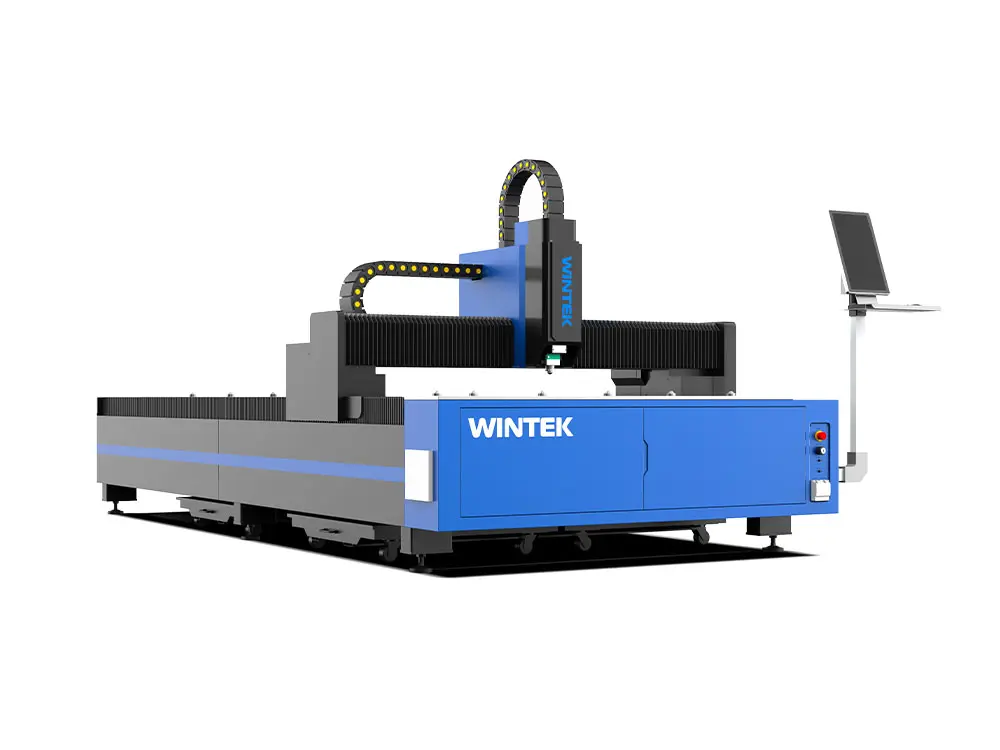
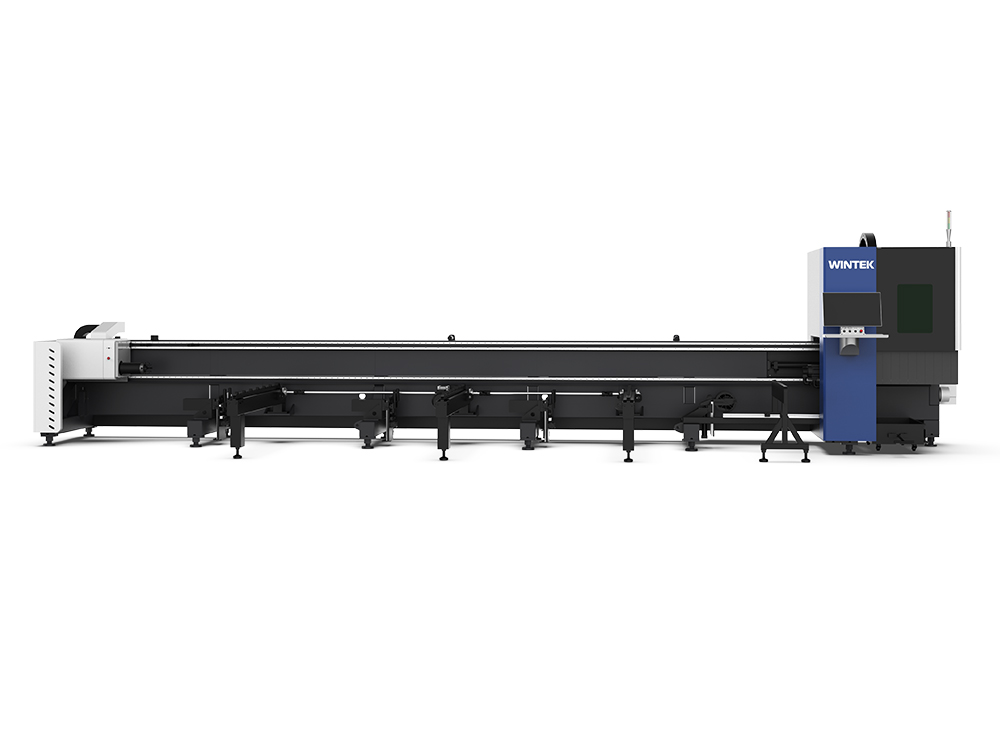
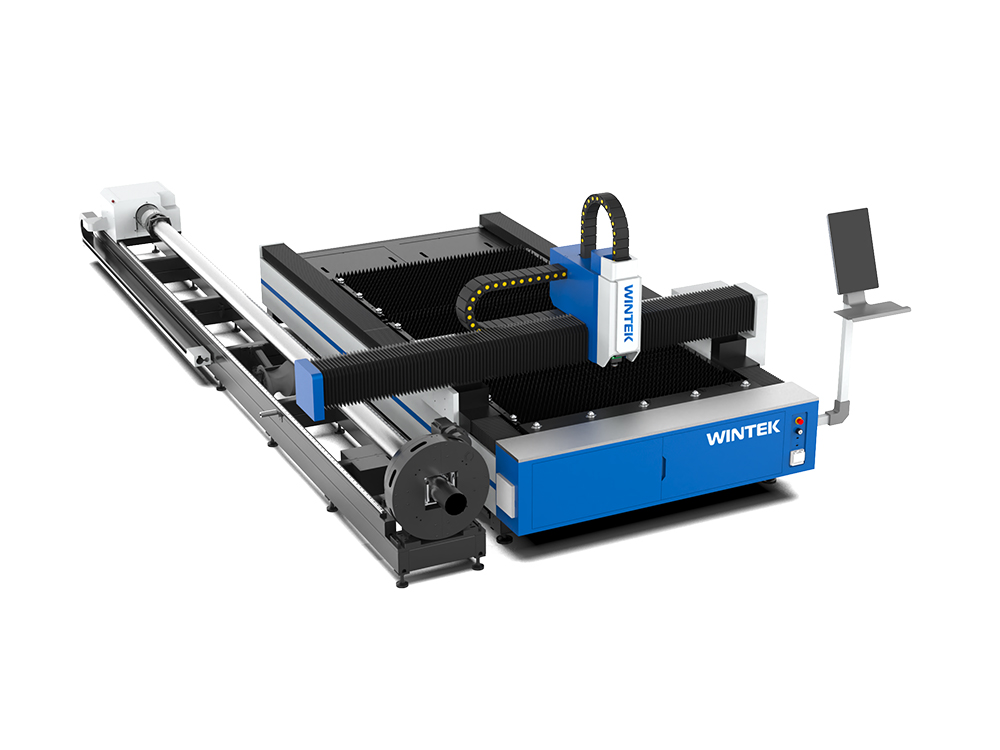

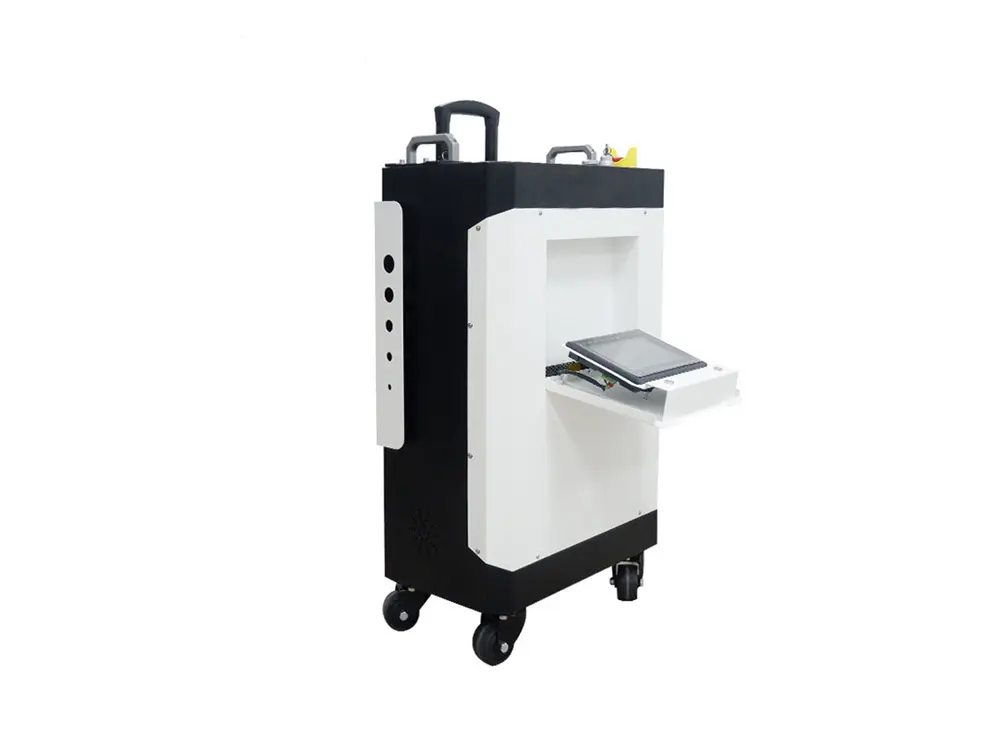
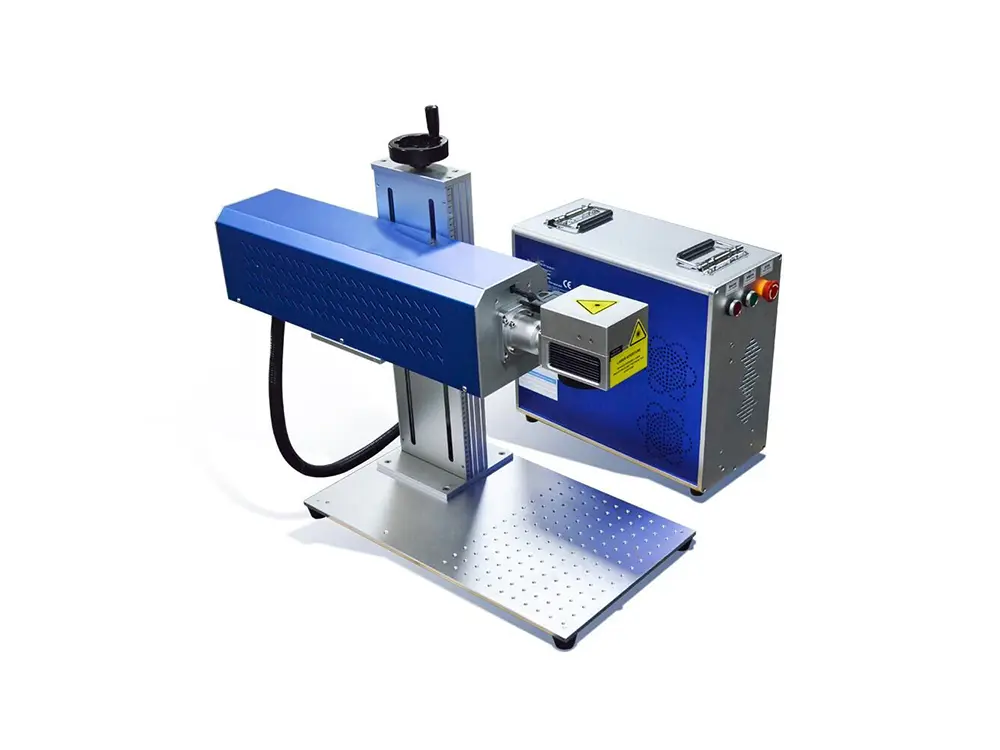











A laser sheet metal cutting machine relies on more than laser power and cutting speed to deliver consistent results. Consumables such as cutting nozzles, protective windows, and assist gas directly affect cut quality, operating costs, and production efficiency. Regular inspection and timely replacement of worn components can help reduce downtime and maintain stable performance when processing carbon steel, stainless steel, aluminum, and other metals.
This guide explains the main consumables used in fiber laser sheet metal cutting, their functions, common signs of wear, and practical ways to control replacement costs.
Common Consumables for Laser Sheet Metal Cutting Machine

1. Laser Cutting Nozzles
The cutting nozzle is one of the most frequently replaced consumables in a fiber laser cutting machine. It directs assist gas toward the cutting zone and helps maintain the gas flow required for stable cutting.
Nozzle selection depends on the material, sheet thickness, cutting speed, assist gas, and process settings. Different nozzle diameters and designs are available for specific cutting applications.
Common reasons for nozzle replacement include:
- Damage caused by collisions with the workpiece.
- Deformation or wear around the nozzle opening.
- Spatter buildup that affects gas flow.
- Blockages caused by dust or metal residue.
A damaged or contaminated nozzle can disrupt gas flow, resulting in rough edges, dross, or incomplete cuts. Operators should inspect the nozzle regularly and keep its opening clean. When the nozzle becomes deformed or cannot maintain consistent performance, replacement is usually the better option.
2. Protective Windows and Cover Glass
Protective windows, also called protective lenses or cover glass, help shield the cutting head’s internal optical components from dust, smoke, metal particles, and spatter.
Contamination on a protective window can reduce laser transmission and cause localized heating, potentially damaging the window or affecting cutting performance.
The replacement interval depends on cutting conditions, material type, assist gas quality, machine configuration, and maintenance practices. There is no universal replacement schedule that suits every production environment.
Operators should inspect the protective window for visible contamination, scratches, discoloration, or signs of thermal damage. Follow the equipment manufacturer’s cleaning procedure and use suitable optical cleaning materials.
If the protective window is damaged or cleaning does not restore its condition, replace it according to the manufacturer’s instructions. Keeping this component in good condition helps protect more expensive optical parts from avoidable damage.
3. Ceramic Rings
Ceramic rings are commonly used in laser cutting heads to support the nozzle assembly and provide electrical insulation. In systems with capacitive height sensing, the ceramic ring also helps maintain a reliable electrical connection for detecting the distance between the cutting head and the metal sheet.
A damaged ceramic ring can interfere with height detection and may cause unstable cutting head movement. Cracks, chips, loose installation, or electrical connection problems are signs that inspection is necessary.
Ceramic rings are not replaced as frequently as nozzles, but they should be checked after a collision or whenever abnormal height sensing occurs.
When installing a replacement, make sure the component is compatible with the cutting head model. Proper installation helps maintain stable sensing performance and reduces the risk of cutting head collisions.
4. Focus Lenses and Collimating Lenses
Focus lenses and collimating lenses are critical optical components, but they are not routine replacement items in every application. Replacement may be necessary if a lens is damaged, contaminated beyond recovery, or otherwise unable to meet the equipment manufacturer’s performance requirements.
The collimating lens helps control the laser beam as it travels through the cutting head, while the focusing lens concentrates the beam onto the workpiece.
Optical contamination can affect beam quality, cutting stability, and processing results. Unlike nozzles, these lenses should not be replaced simply because a fixed amount of operating time has passed.
Inspect them according to the manufacturer’s maintenance procedure. Optical components require careful handling, suitable cleaning materials, and a clean working environment. Improper cleaning can introduce scratches or additional contamination.
If cutting performance deteriorates unexpectedly, check the nozzle, protective window, process parameters, and other possible causes before assuming that an internal lens needs replacement. Internal optical maintenance should be performed by qualified personnel.
5. Assist Gas and Gas Supply Components
Assist gas is an essential operating resource for a fiber laser sheet metal cutting machine. Oxygen, nitrogen, and compressed air may be used depending on the metal, sheet thickness, required edge quality, and cutting parameters.
Oxygen is commonly used for carbon steel cutting when the process benefits from an oxidation reaction. Nitrogen is often selected for stainless steel and aluminum when a cleaner, low-oxidation edge is required. Compressed air can also be suitable for certain applications, depending on material thickness, machine capability, and the required cut quality.
Although the gas itself is not a machine component, its consumption can represent a significant portion of operating costs.
The following factors influence gas consumption:
- Material type and thickness.
- Cutting speed and operating hours.
- Gas pressure and nozzle configuration.
- Cutting path length and production volume.
- Gas purity and supply stability.
Gas filters, regulators, seals, and other supply components may also require periodic maintenance or replacement. Leaks, pressure fluctuations, and contaminated gas can affect cutting consistency.
To control costs, use the gas type, pressure, and purity recommended for the specific application. Regularly inspect connections and monitor gas consumption to identify potential leaks or inefficient settings.
6. Dust Collector Filters
Dust collector filters are service items in the fume extraction system used with a laser sheet metal cutting machine. They capture airborne particles generated during cutting. As dust accumulates, airflow can decrease and extraction performance may deteriorate.
Common signs that filters need attention include reduced suction, increased pressure drop, visible damage, and filter service alarms.
The appropriate cleaning or replacement interval depends on the filtration system, material being processed, cutting hours, and dust characteristics. Follow the dust collector manufacturer’s recommendations rather than relying on a fixed schedule.
Regularly inspect filters, ducts, and extraction connections to maintain airflow and reduce unnecessary strain on the extraction system. Proper filtration maintenance also helps keep the working area cleaner and supports effective fume management.
7. Lubricants and Grease
Lubricants and grease help protect moving components in the machine’s transmission and motion systems. Depending on the machine design, lubrication requirements may apply to specified guide rails, racks, bearings, and other motion-system components. The required lubricant and application method vary by component and equipment configuration.
These materials are not necessarily replaced on the same schedule as cutting nozzles or protective windows. Instead, they are maintained according to the machine’s lubrication plan.
Insufficient lubrication can increase friction, accelerate wear, and affect positioning accuracy. Excess lubricant, however, may attract dust and debris or contaminate nearby components.
Use only the lubricant specified by the machine manufacturer. Check automatic lubrication systems, reservoirs, and delivery lines where fitted. Follow the recommended lubrication intervals and keep surrounding areas clean.
A consistent maintenance routine helps preserve motion accuracy and supports reliable long-term operation.
8. O-Rings, Seals, and Gas Line Connectors
O-rings, seals, and gas line connectors help maintain secure connections in the assist gas supply system. Although these parts are relatively inexpensive, damaged seals or loose fittings can cause leaks, pressure fluctuations, and unnecessary gas consumption.
Over time, seals may harden, crack, deform, or lose elasticity. Poor sealing can cause gas leaks, pressure instability, and increased operating costs.
Inspect seals and connectors when performing routine maintenance, replacing related components, or investigating abnormal gas pressure. Replace damaged parts with compatible specifications.
During installation, ensure that sealing surfaces are clean and that connectors are properly secured. Avoid overtightening fittings, which may damage threads or sealing components.
Although these parts are relatively inexpensive, neglecting them can affect cutting quality and create unnecessary interruptions.
How to Manage Consumable Costs Effectively

The cost of operating a laser sheet metal cutting machine depends on production volume, material thickness, cutting parameters, and maintenance practices. Replacing parts too early wastes money, while continuing to use damaged components can lead to poor cut quality, material waste, and unplanned downtime. The goal is to replace consumables based on their condition and the manufacturer’s maintenance recommendations. Manufacturers can manage these expenses through several practical measures.
1. Establish a Condition-Based Inspection Schedule
Inspect nozzles, protective windows, ceramic rings, and filters according to the equipment manufacturer’s recommendations. Increase inspection frequency when processing reflective metals, cutting thick plates, or operating under demanding production conditions.
2. Use Compatible Replacement Parts
Confirm the specifications of replacement nozzles, protective windows, ceramic rings, and other components against the cutting head and machine model. Compatibility is more important than choosing parts based on price alone.
3. Track Consumable Usage and Replacement History
Record replacement dates, operating hours, material types, and cutting conditions. These records can help identify recurring failures, compare consumption across production jobs, and establish more effective maintenance intervals.
4. Optimize Cutting Parameters and Gas Consumption
Use suitable nozzle sizes, focus positions, assist gas pressures, and cutting speeds for each material and thickness. Incorrect settings can lead to poor edges, excessive gas use, and avoidable rework.
5. Train Operators to Identify Early Warning Signs
Train operators to recognize nozzle damage, protective window contamination, unusual cutting results, reduced extraction airflow, and abnormal gas pressure. Qualified technicians should handle internal optical maintenance and other specialized repairs.
Συμπέρασμα
Consumable management is an important part of maintaining a fiber laser sheet metal cutting machine. Cutting nozzles, protective windows, ceramic rings, assist gas, and filtration components all affect operating costs and production consistency. Understanding their functions and recognizing early signs of wear can help manufacturers avoid unnecessary downtime and material waste.
When choosing a laser cutting machine, consider more than its purchase price and cutting capacity. Consumable availability, replacement requirements, maintenance procedures, and after-sales support also influence long-term operating costs.
Looking for a fiber laser cutting machine for your production needs? Contact WINTEK Laser to discuss suitable machine configurations, metal cutting applications, and service support for your business.