
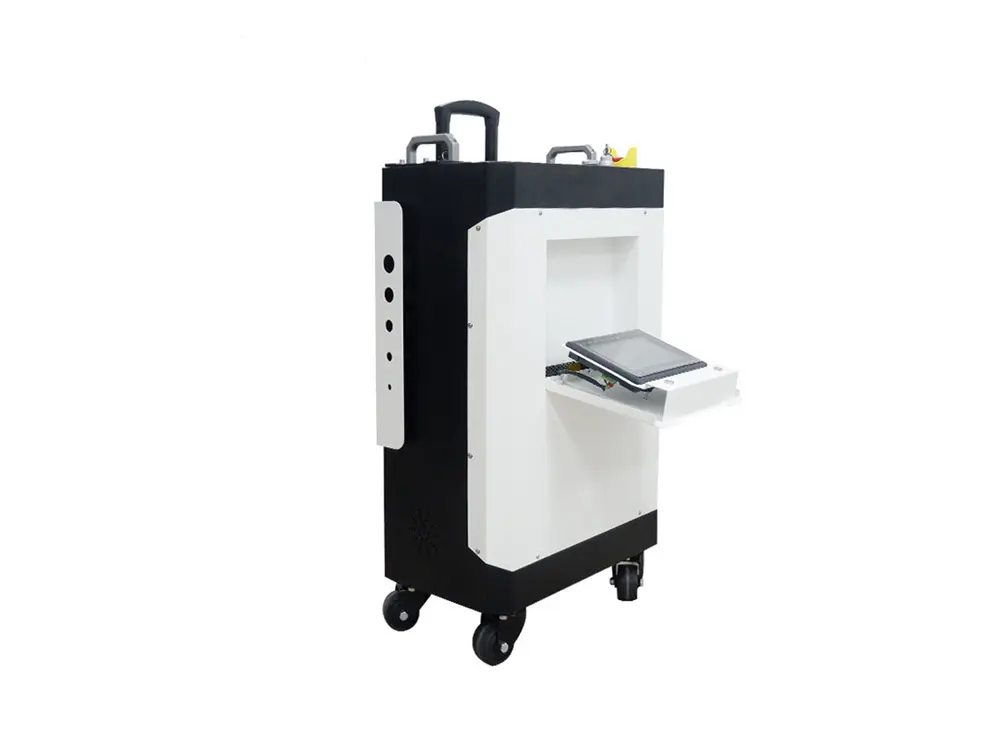
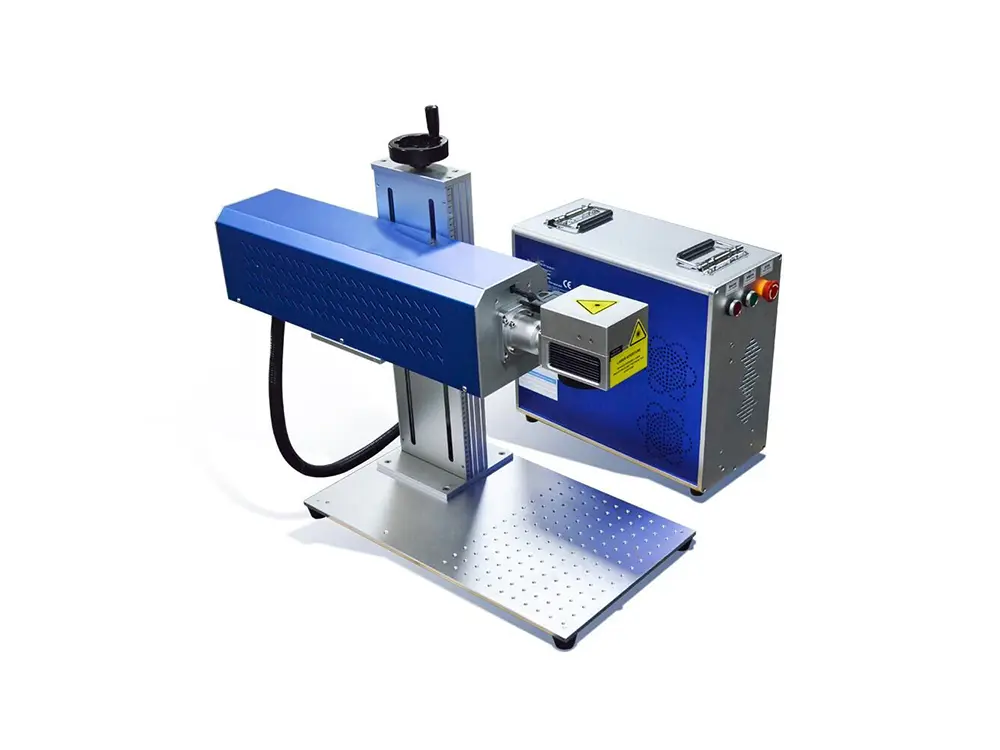











Choosing the right fiber laser cutter is a significant investment for any metal fabrication business. The right fiber laser cutting machine can improve production efficiency, reduce operating costs, increase cutting accuracy, and provide long-term value for your manufacturing operations.
However, with hundreds of laser cutting machine manufacturers, different laser power options, and various machine configurations available, selecting the right model can be challenging. A wrong choice may lead to unnecessary costs, lower productivity, and difficulties in future maintenance.
This fiber laser cutter buying guide explains the key factors you should consider before purchasing a laser cutting machine, including laser power, cutting materials, machine size, core components, software, maintenance requirements, and supplier selection. As a practical laser cutter buying guide, this article also helps manufacturers understand how to evaluate machine performance, cost factors, and supplier reliability before making a purchase decision.
Whether you are upgrading your existing equipment or investing in your first industrial laser cutting machine, this laser cutter buying guide covers 20 essential points to help you choose the right solution for your production needs and avoid costly purchasing mistakes.
20 Things to Check Before Buying a Fiber Laser Cutter
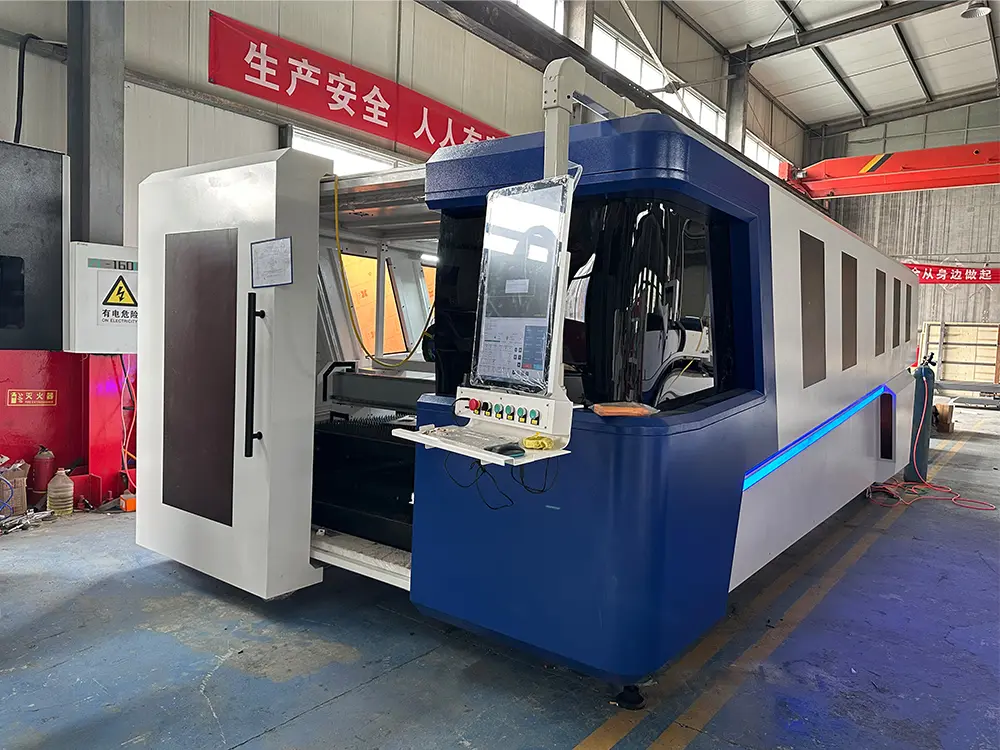
Part 1: Understand Your Cutting Requirements
The first step in this laser cutter buying guide is understanding your production requirements before choosing a fiber laser cutting machine. The right machine configuration depends on your materials, product types, cutting thickness, production volume, and future business plans.
1. Define Your Metal Cutting Requirements
Before purchasing a fiber laser cutter, the first step is to clearly define your metal processing requirements.
Different manufacturers have different applications. Some companies mainly cut thin sheet metal for cabinets and equipment, while others process thick plates for machinery, construction, or industrial fabrication.
Before selecting a machine, consider:
- What materials do you mainly cut?
- What is the maximum thickness you need to process?
- How many hours will the machine operate daily?
- What production capacity do you expect?
- Do you need sheet cutting, tube cutting, or both?
Understanding your actual application helps determine the appropriate laser power, cutting area, machine configuration, and automation level.
A properly selected fiber laser cutter can improve productivity while avoiding unnecessary investment in features you do not need.
2. Choose the Right Fiber Laser Power
Laser power is one of the most important factors when selecting a fiber laser cutting machine because it directly affects cutting speed, thickness capability, and production efficiency.
Fiber laser cutters are available in different power levels, from entry-level systems for thin sheet metal processing to high-power machines designed for heavy industrial applications.
A general guideline is:
| Puissance du laser | Suitable Applications |
|---|---|
| 1000W-1500W | Thin sheet metal cutting and small fabrication jobs |
| 2000W-3000W | General metal fabrication and medium thickness cutting |
| 4000W-6000W | Higher productivity and thicker material processing |
| 12000W+ | Heavy plate cutting and large-scale industrial production |
For many metal fabrication businesses, a 2000W-3000W fiber laser cutter provides a good balance between investment cost and cutting performance.
However, choosing the highest power machine is not always the best option. The ideal laser power depends on your materials, thickness requirements, production goals, and budget.
3. Check Material Types and Cutting Thickness Capability
Before buying a fiber laser cutter, make sure the machine can process your required materials and thickness range.
Modern fiber laser cutting machines can cut a wide variety of metals, including:
1) Carbon Steel: One of the most commonly processed materials due to its excellent cutting performance, strength, and wide range of industrial applications.
2) Stainless Steel: Widely used in fabrication, food equipment, machinery, and construction. Proper assist gas selection and cutting parameters help achieve clean and high-quality edges.
3) Aluminum: A lightweight metal with high thermal conductivity and reflectivity, requiring suitable machine configurations and optimized cutting settings.
4) Brass: Commonly used for decorative parts, electrical components, and precision metal products. Proper parameters are important to achieve stable cutting results.
5) Copper: A highly conductive material that requires appropriate laser power and optimized cutting conditions due to its high reflectivity.
6) Other Metal Alloys: Depending on the machine configuration and cutting parameters, fiber laser cutters can also process various alloy materials used in different industries.
Different materials have different cutting characteristics. Therefore, you should always evaluate the maximum cutting thickness based on the actual materials you process rather than relying only on general machine specifications.
Choosing the right fiber laser cutter based on your material requirements ensures better cutting quality, stable performance, and improved production efficiency.
4. Select the Right Cutting Area and Machine Size
The cutting area of a fiber laser cutting machine directly affects production flexibility and manufacturing efficiency.
Common working sizes include 3015, 4020, and 6020 models, but the ideal choice depends on the dimensions of your raw materials and the size of your finished products.
A smaller cutting bed may be suitable for standard sheet metal processing and limited production space, while a larger working area can improve productivity for manufacturers handling large metal plates.
Choosing the right machine size helps reduce material handling time, improve workflow, and provide greater flexibility for future production needs.
5. Understand Different Types of Fiber Laser Cutters
Fiber laser cutters are available in different configurations to meet various manufacturing requirements. Choosing the right machine type depends on the materials you process, product applications, production volume, and future expansion plans.
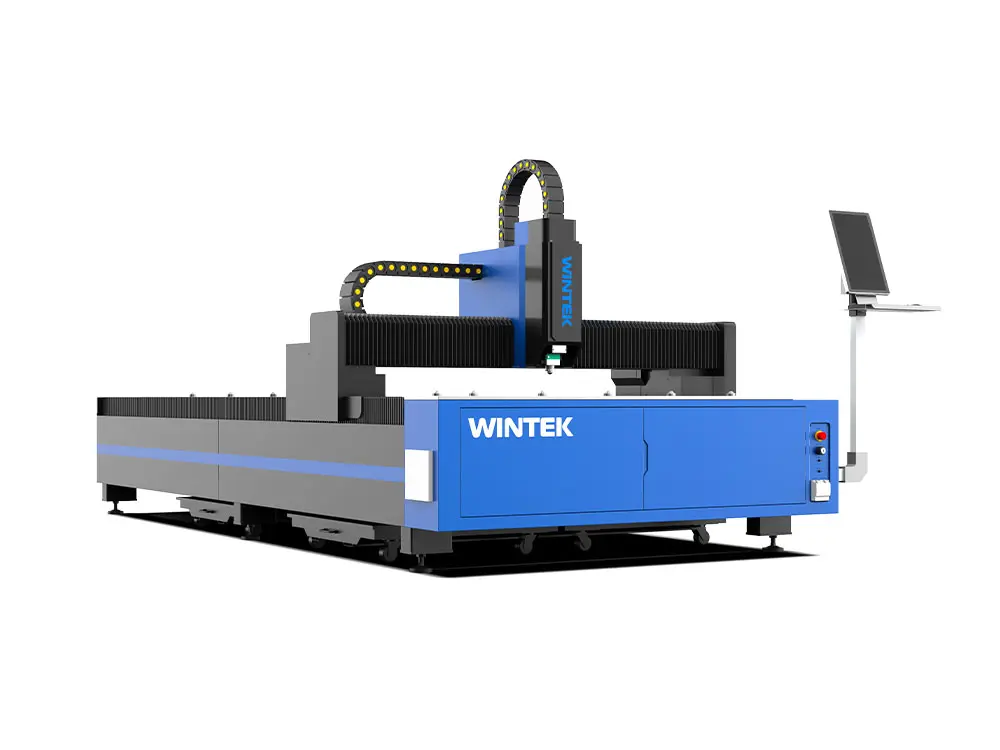
1) Machine de découpe laser de tôles
Sheet metal fiber laser cutting machines are designed for processing flat metal sheets and plates. They are widely used in industries such as metal fabrication, electrical cabinets, kitchen equipment, machinery parts, and industrial components. These machines are an ideal choice for manufacturers that mainly work with standard metal sheets and require high cutting accuracy and efficiency.
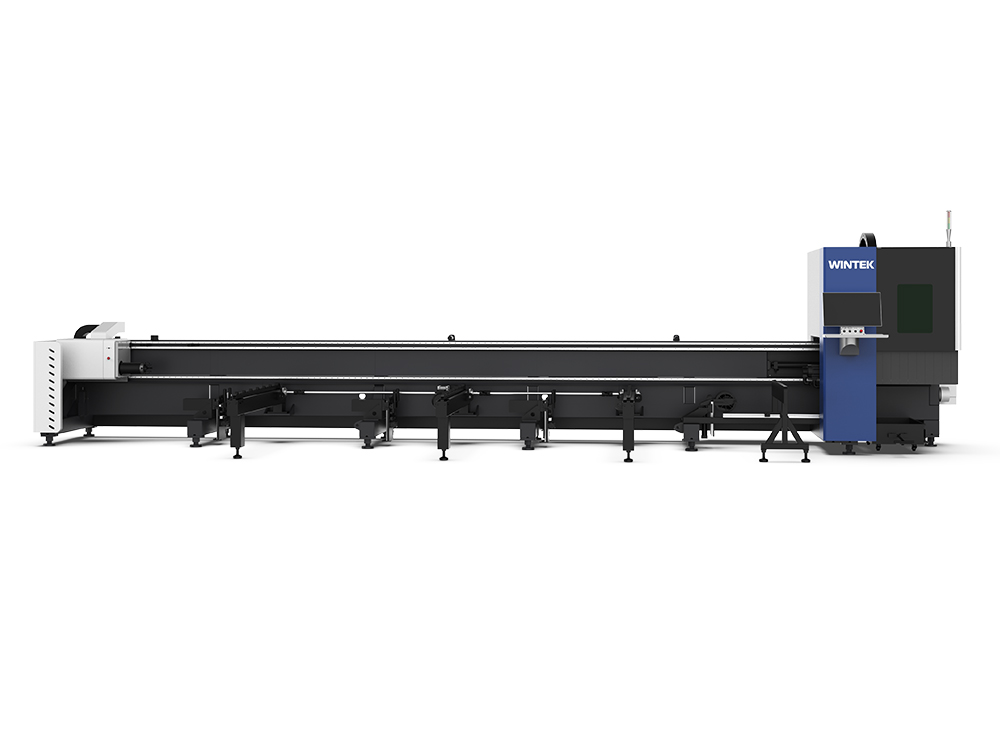
2) Machine de découpe laser de tubes
Tube laser cutting machines are specially designed for processing different types of metal tubes and profiles, including round tubes, square tubes, rectangular tubes, and structural steel profiles. They are commonly used in applications such as furniture manufacturing, construction, steel structures, and automotive industries. Tube laser cutters can improve processing efficiency by reducing manual operations and providing precise tube cutting solutions.
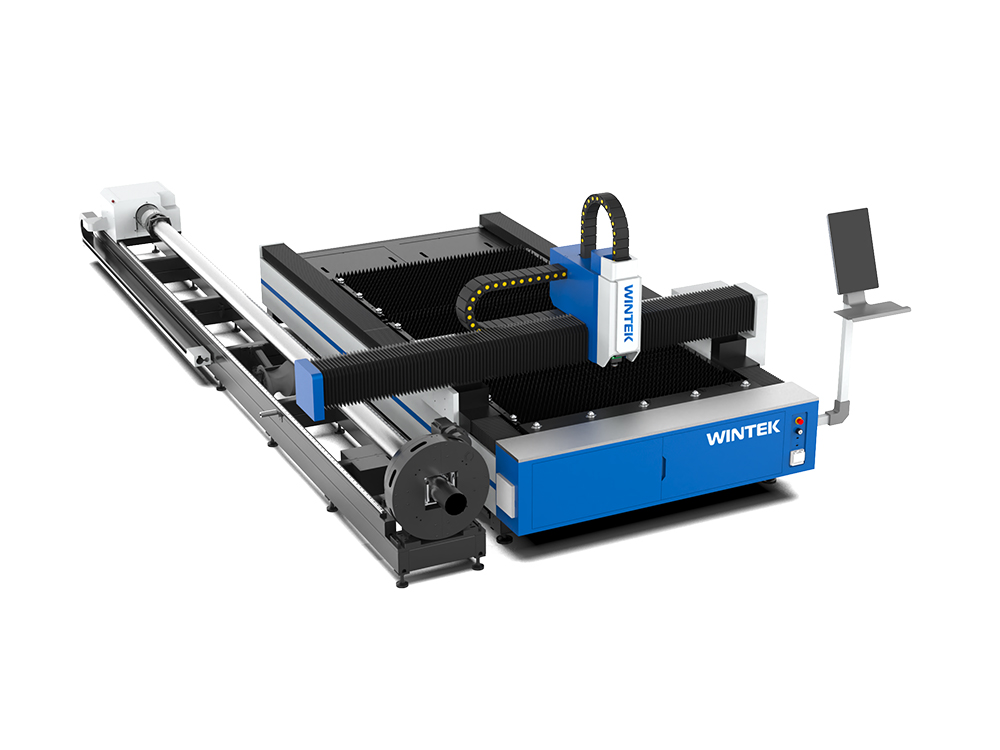
3) Sheet and Tube Laser Cutting Machine
For manufacturers that need to process both metal sheets and tubes, a sheet and tube integrated fiber laser cutting machine provides greater production flexibility while saving factory space. This type of machine allows businesses to handle multiple applications with one system, making it a practical solution for companies looking to expand their processing capabilities.
When selecting a fiber laser cutter, consider not only your current production requirements but also your future business growth. Choosing the right machine configuration from the beginning can help avoid production limitations and provide better long-term value.
Part 2: Evaluate Machine Performance and Components

After defining your cutting requirements, the next step is to evaluate the machine performance and key components. The quality of components directly affects cutting accuracy, production efficiency, machine lifespan, and maintenance costs.
A reliable fiber laser cutter should not only provide high cutting speed but also maintain stable performance during long-term industrial operation.
6. Check the Quality of the Fiber Laser Source
The laser source is one of the most important components of a fiber laser cutting machine because it directly determines cutting performance, stability, and energy efficiency.
When choosing a fiber laser cutter, buyers should consider the laser source brand, power range, service availability, warranty support, and long-term reliability.
Common fiber laser source brands used in industrial laser cutting applications include Raycus, MAX, and IPG. These manufacturers provide stable laser technology suitable for cutting different metal materials, including carbon steel, stainless steel, aluminum, brass, and copper.
A high-quality laser source can provide:
- Sortie laser stable
- Consistent cutting performance
- Higher energy efficiency
- Longer service life
- Reduced maintenance requirements
However, laser power should always match your actual production needs. A higher-power laser source does not always mean a better choice if your applications mainly involve thin or medium-thickness materials.
Selecting the right laser source configuration helps achieve better cutting results and improves the overall return on investment.
7. Choose a Reliable Laser Cutting Head
The laser cutting head is another critical component that directly affects cutting accuracy, edge quality, and machine performance.
A high-quality cutting head should provide precise positioning, stable operation, automatic focusing, and reliable protection features during continuous production.
Advanced laser cutting heads can automatically adjust the focus position according to different material thicknesses, reducing manual adjustments and improving cutting efficiency.
When evaluating a laser cutting head, consider factors such as:
- Cutting accuracy
- Focus adjustment capability
- Protection system
- Compatibility with different materials
- Maintenance requirements
A reliable cutting head helps maintain consistent cutting quality, reduce downtime, and improve overall production efficiency.
8. Evaluate Machine Bed Structure and Stability
The machine bed is the foundation of a fiber laser cutter and plays an important role in maintaining long-term cutting accuracy.
During high-speed cutting operations, machine vibration and deformation can affect cutting precision and edge quality. A strong and stable machine frame helps ensure reliable performance even during continuous industrial production.
A high-quality fiber laser cutting machine should have:
- A strong welded steel structure
- Proper stress relief treatment
- High rigidity and stability
- Good vibration resistance
A well-designed machine bed not only improves cutting accuracy but also extends equipment service life and reduces performance issues over time.
For manufacturers operating laser cutting machines for many hours each day, machine structure quality is an important factor that should not be overlooked.
9. Consider Cutting Speed and Production Efficiency
Cutting speed is an important factor when selecting a fiber laser cutting machine because it directly affects production capacity and manufacturing efficiency.
However, the actual cutting speed depends on multiple factors, including:
- Puissance du laser
- Material type
- Material thickness
- Cutting parameters
- Assist gas
- Machine configuration
For example, a high-power fiber laser cutter can process thicker materials faster, while a lower-power machine may provide better cost efficiency for thin sheet metal applications.
Although cutting speed is important, it should not be the only factor considered. A reliable laser cutting machine should provide a balance between speed, accuracy, stability, and operating costs.
Choosing the right machine configuration helps manufacturers achieve higher productivity while maintaining consistent cutting quality.
10. Check CNC System and Laser Cutting Software
The CNC system and software are essential for controlling the operation of a fiber laser cutter and improving daily production efficiency.
Modern laser cutting software should support:
- CAD drawing import
- Automatic nesting
- Cutting path optimization
- Parameter adjustment
- Production management
A user-friendly CNC system can simplify machine operation, reduce learning time, and help operators achieve better cutting results.
Nesting software is especially important because it can optimize material layouts, reduce metal waste, and improve material utilization.
When purchasing a fiber laser cutting machine, buyers should evaluate not only the hardware components but also the software system and technical support provided by the manufacturer.
11. Consider Automation Options for Future Production
Automation has become increasingly important for modern metal fabrication businesses. When purchasing a fiber laser cutter, it is worth considering whether the machine can support future automation upgrades.
Common automation options include:
- Automatic loading systems
- Automatic unloading systems
- Exchange tables
- Material handling systems
These solutions can reduce manual labor, shorten loading and unloading time, and improve machine utilization, especially for manufacturers with high production volumes.
For example, an exchange table laser cutting machine allows operators to load and unload materials while another table is cutting, significantly reducing waiting time.
Even if full automation is not immediately required, choosing a machine with upgrade possibilities provides greater flexibility as your business grows.
Part 3: Understand Cost and Supplier Factors

Choosing a fiber laser cutter is not only about machine performance. Buyers should also evaluate the total investment, supplier reliability, and long-term service support.
A machine with the right configuration, reasonable operating costs, and reliable manufacturer support can provide greater value throughout its service life.
12. Understand Fiber Laser Cutter Price and Machine Configuration
An important part of this laser cutter buying guide is understanding fiber laser cutter prices. The price of a fiber laser cutter depends on multiple factors, including laser power, cutting area, machine structure, core components, automation level, and customization requirements.
Generally, fiber laser cutter prices vary significantly depending on different production requirements. A compact laser cutting machine with lower power may be suitable for small workshops and basic metal fabrication, while high-power fiber laser cutting machines with advanced automation features are designed for large-scale industrial production.
When comparing fiber laser cutting machine prices, buyers should evaluate the overall machine configuration, including laser power, working area, laser source brand, cutting head quality, CNC system, software features, automation options, and after-sales support.
Choosing the lowest-priced machine is not always the best decision. A cheaper machine may use lower-quality components, provide limited technical support, or lead to higher maintenance costs over time.
Instead of focusing only on the initial purchase price, manufacturers should consider the overall value of the equipment, including cutting performance, reliability, operating costs, service support, and expected return on investment.
13. Evaluate Long-Term Operating Costs
The initial purchase price is only one part of the total investment. Before buying a fiber laser cutter, manufacturers should also consider the long-term operating costs throughout the machine’s service life.
These costs may include electricity consumption, assist gas usage, consumable parts, routine maintenance, and replacement components. Although these expenses may not be obvious during the initial purchase stage, they can significantly affect the overall production cost over time.
A fiber laser cutting machine with high efficiency, stable performance, and reliable components can help reduce operating expenses by minimizing downtime, lowering maintenance requirements, and maintaining consistent cutting quality.
Evaluating long-term operating costs allows manufacturers to select equipment that provides better overall value and higher return on investment instead of focusing only on the initial machine price.
14. Check Manufacturer Experience and Reputation
Choosing the right fiber laser cutter manufacturer is just as important as selecting the machine itself. A reliable manufacturer can provide better equipment quality, professional technical support, stable spare parts supply, and customized solutions based on different production requirements.
Before making a purchase decision, buyers should evaluate the manufacturer’s production experience, export history, customer feedback, certifications, manufacturing capabilities, and technical support services.
A professional laser cutting machine manufacturer should understand different industry applications and provide suitable solutions for customers from various markets.
With more than 10 years of experience in laser equipment manufacturing and customers in over 120 countries and regions, WINTEK Laser provides fiber laser cutting solutions for manufacturers worldwide.
WINTEK Laser focuses on delivering reliable laser cutting machines with high-quality components, stable performance, and professional technical support to help businesses improve productivity and achieve efficient metal processing.
15. Review Warranty and After-Sales Service
After-sales service is an important consideration when purchasing a fiber laser cutter, especially for overseas buyers who need reliable technical support after installation.
A professional supplier should provide clear warranty terms, spare parts availability, remote technical assistance, troubleshooting support, and responsive service throughout the machine’s lifespan.
Before placing an order, buyers should understand the supplier’s warranty policy, service process, technical support capabilities, and spare parts supply system.
Since fiber laser cutting machines are long-term production equipment, reliable after-sales support can help reduce downtime, solve operational issues quickly, and ensure stable production performance.
Choosing a supplier with strong service capabilities provides additional confidence and protects your investment after purchase.
16. Confirm Installation and Operator Training Support
Proper installation and operator training are essential for achieving the best performance from a new fiber laser cutting machine.
A professional manufacturer should provide guidance on machine installation, operation procedures, cutting parameter settings, daily maintenance, and basic troubleshooting.
Well-trained operators can better understand machine functions, improve cutting quality, reduce operating errors, and maximize equipment utilization.
For international customers, suppliers with experience in overseas installation support and remote technical assistance can make the setup process smoother and help businesses start production faster.
Part 4: Make a Long-Term Investment Decision

A fiber laser cutter is a long-term investment for your business. Beyond machine specifications and price, buyers should also consider safety, supplier reliability, future production needs, and long-term support.
Choosing equipment that can adapt to your business growth will help maximize productivity and protect your investment.
17. Check Safety Features and Protection Systems
Safety is an important factor when selecting an industrial fiber laser cutting machine.
A reliable laser cutter should include proper safety protection systems to protect operators, equipment, and the working environment during daily operation.
Important safety features may include protective covers, emergency stop functions, safety sensors, and laser protection designs.
For enclosed fiber laser cutting machines, protective structures can help reduce operator exposure to laser radiation and improve workplace safety.
Choosing a machine with appropriate safety features not only protects employees but also supports stable and compliant production operations.
18. Compare Fiber Laser Cutter Manufacturers
Before making a final purchasing decision, it is important to compare different fiber laser cutter manufacturers based on more than just price.
Different suppliers may offer similar-looking machines, but differences in machine structure, component quality, manufacturing experience, technical support, and after-sales service can significantly affect long-term performance.
When comparing manufacturers, consider factors such as equipment quality, production capability, certifications, customer experience, delivery time, spare parts availability, and technical support.
A reliable manufacturer should not only provide a high-quality machine but also offer continuous support throughout the equipment lifecycle.
19. Consider Future Production Expansion
A fiber laser cutter should meet not only your current production requirements but also your future business growth.
When selecting a machine, consider whether it can handle increased production volume, thicker materials, additional applications, or future automation upgrades.
For example, a manufacturer that starts with sheet metal cutting may later require tube cutting capabilities, higher laser power, or automatic loading systems as production expands.
Choosing a scalable laser cutting solution helps avoid replacing equipment too soon and provides greater flexibility for future market demands.
A well-planned investment today can provide better production efficiency and long-term value.
20. Choose a Reliable Fiber Laser Cutter Supplier
Selecting a reliable fiber laser cutter supplier is one of the most important steps in the purchasing process.
A professional supplier should provide high-quality equipment, reliable components, technical support, spare parts availability, and customized solutions based on customer requirements.
WINTEK Laser provides industrial fiber laser cutting machines designed for different metal processing applications, including sheet metal cutting, tube cutting, and customized fabrication.
With more than 10 years of experience in laser equipment manufacturing and customers in over 120 countries and regions, WINTEK Laser focuses on delivering reliable machines with stable performance, quality components, and professional support.
Whether you need a standard fiber laser cutter or a customized laser cutting solution, choosing an experienced supplier ensures better equipment performance and long-term production support.
Frequently Asked Questions About Fiber Laser Cutters

1. What is the difference between a fiber laser cutter and a CO2 laser cutter?
A fiber laser cutter uses a solid-state laser source to process metal materials, while CO2 laser cutters use a gas laser source. Compared with CO2 laser machines, fiber laser cutters generally offer higher energy efficiency, faster cutting speeds for metals, lower maintenance requirements, and better performance when cutting reflective materials such as aluminum, brass, and copper.
2. How much maintenance does a fiber laser cutter require?
Fiber laser cutters require relatively low maintenance compared with many traditional cutting technologies, but regular maintenance is still important for stable operation. Routine maintenance includes checking the laser cutting head, cleaning the cutting area, inspecting consumable parts, maintaining the cooling system, and following the manufacturer’s recommended maintenance procedures to reduce downtime and extend machine lifespan.
3. Can one fiber laser cutter replace multiple traditional cutting machines?
In many applications, a fiber laser cutter can replace traditional cutting methods such as plasma cutting, flame cutting, and mechanical cutting due to its high precision, fast processing speed, and automation capabilities. However, the best choice depends on the material type, thickness, production volume, and specific manufacturing requirements.
4. What gas is used in fiber laser cutting?
Fiber laser cutting machines commonly use assist gases such as oxygen, nitrogen, and compressed air. Oxygen is often used for carbon steel cutting because it improves cutting efficiency, while nitrogen is commonly used for stainless steel and aluminum to achieve cleaner edges and reduce oxidation. The best gas choice depends on the material and required cutting quality.
5. Should I choose a single-table or exchange-table fiber laser cutter?
A single-table fiber laser cutter is suitable for businesses with lower production volumes and standard metal processing needs, while an exchange-table laser cutting machine is designed for higher productivity. The exchange table reduces loading and unloading time by allowing operators to prepare materials while the machine continues cutting, improving overall production efficiency.
6. What should I check before buying a fiber laser cutter from China?
Before buying a fiber laser cutter from China, buyers should evaluate the manufacturer’s production experience, machine quality, component brands, certifications, export history, technical support, and after-sales service. Choosing a reliable laser cutting machine supplier helps ensure stable equipment performance, professional support, and better long-term value.
Conclusion
A fiber laser cutter is more than just a production machine; it is a long-term investment that can influence your manufacturing efficiency, product quality, and business growth. Making the right choice at the beginning can help you build a more reliable and efficient metal processing workflow. This laser cutter buying guide provides a practical reference for manufacturers evaluating their next laser cutting investment. By understanding the key considerations before purchase, businesses can make more confident decisions and choose equipment that supports their long-term goals.
WINTEK Laser is committed to providing dependable fiber laser cutting solutions for customers worldwide. With a focus on machine quality, professional support, and customer requirements, WINTEK helps manufacturers improve their production capabilities with advanced laser technology.
If you are looking for a suitable fiber laser cutter for your application, contact WINTEK Laser to discuss your requirements and explore the right solution for your business.