
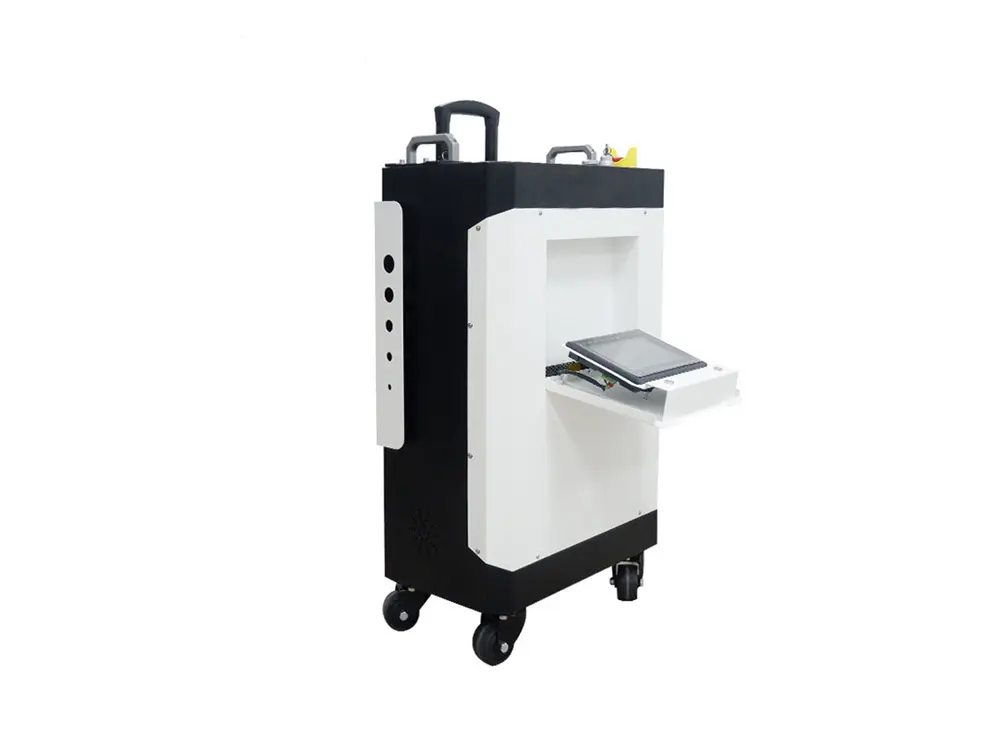
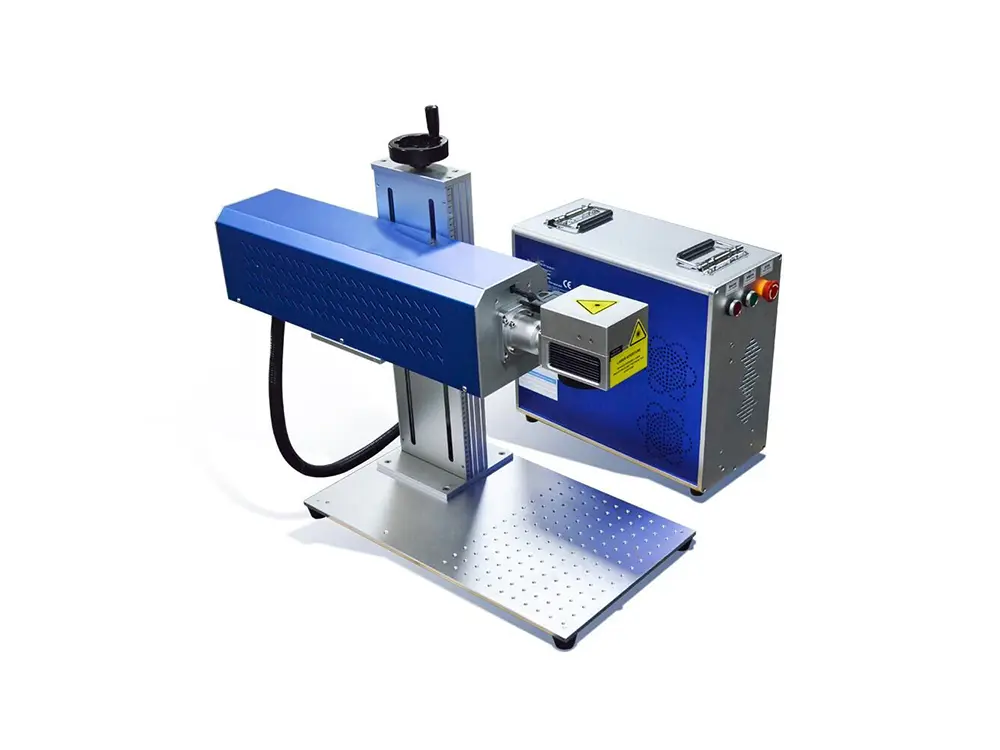











Laser welding is a suitable option for many stainless steel railing applications, including stair railings, balcony railings, handrails, and other architectural metalwork. Its concentrated heat input and high welding speed make it possible to create clean, precise joints while helping minimize heat-related distortion.
For manufacturers, laser welding stainless steel railings can offer several advantages over conventional welding processes. A handheld laser welding machine for stainless steel offers flexible welding and can produce clean weld seams with less post-welding grinding and polishing.
However, choosing the right laser welding solution involves more than simply selecting a machine. Stainless steel grade, material thickness, joint design, laser power, shielding gas, filler wire, and production requirements can all affect the final welding result.
So, can laser welding be used for stainless steel railings? Yes, and it can be an efficient alternative to traditional welding for many railing fabrication applications. This guide covers the key benefits of laser welding, the factors that affect welding performance, and how to choose the right saldatrice laser portatile per acciaio inossidabile railing production.
Can You Laser Weld Stainless Steel Railings?
Stainless steel railing fabrication involves a variety of components and joint configurations, and laser welding can be used for many of them. The specific welding approach depends largely on how the components are designed, positioned, and fitted together.
Common stainless steel railing joints include:
- Tube-to-tube joints: Used for connecting handrails, horizontal rails, and frame sections.
- Tube-to-sheet joints: Common when tubes or posts are connected to base plates or other flat components.
- Corner joints: Often used with square or rectangular stainless steel profiles for railing frames.
- Post-to-base connections: Used to attach railing posts to base plates and supporting structures.
- Profile and frame connections: Found in architectural and decorative railing assemblies.
Joint fit-up is particularly important when laser welding these components. Tightly fitted parts generally provide more consistent welding conditions, while larger or uneven gaps may require filler wire or adjustments to the welding parameters.
The accessibility of the joint should also be considered. Railing assemblies can include corners, narrow spaces, curved sections, and different welding orientations, so operators need to be able to position the welding head effectively throughout the process.
For manufacturers, evaluating the actual tube or profile dimensions, joint configuration, material thickness, and required weld finish is an important step before setting up a laser welding process. Testing representative railing components can help determine the appropriate welding method and process parameters for each application.
Why Use Laser Welding for Stainless Steel Railings?
For railing manufacturers, the value of laser welding goes beyond welding speed. The process can also help control heat input, maintain weld appearance, and reduce the amount of finishing required after welding. These factors can be particularly important when producing stainless steel railings with visible joints and repeated components.
1. Faster Welding for Repetitive Railing Work
Laser welding can provide higher travel speeds than many conventional manual welding processes when material thickness, joint design, and parameters are properly matched.
This can be valuable for railing manufacturers that repeatedly weld tube-to-tube joints, frame connections, brackets, and other standardized components. Faster welding can shorten cycle times and increase the number of railing assemblies that can be completed in a given production period.
Actual welding speed depends on laser power, stainless steel thickness, joint configuration, welding parameters, and operator technique, so manufacturers should evaluate speed using their actual workpieces rather than relying only on machine specifications.
2. Lower Heat Input for Thin Stainless Steel
Railing components are often made from relatively thin stainless steel tubes, sheets, and profiles. Excessive heat during welding can lead to distortion, discoloration, or dimensional changes that become more noticeable during final assembly.
Because laser energy is concentrated in a small area, laser welding can limit unnecessary heat input when the process is properly configured. This helps maintain the shape and alignment of railing components, which is particularly important when multiple sections need to fit together accurately.
The actual level of distortion still depends on material thickness, joint design, clamping, welding speed, and process parameters.
3. Cleaner Weld Appearance
The appearance of the weld is particularly important for stainless steel railings because many joints remain visible after fabrication.
With properly selected parameters, laser welding can produce narrow and consistent weld seams with relatively low spatter. This can help maintain a cleaner appearance on stainless steel tubes, corners, and frame connections.
For architectural railings where the weld will be visible, controlling the welding process is especially important. Surface preparation, joint fit-up, shielding gas, laser parameters, and welding technique all contribute to the final appearance.
4. Less Grinding and Polishing
One of the practical benefits of laser welding for stainless steel railings is the potential to reduce post-welding finishing.
When the joint is properly prepared and the welding parameters are well controlled, the resulting seam can require less grinding than some conventional welding processes. This is useful for railing manufacturers because grinding and polishing can become a significant part of the fabrication process when many visible joints are involved.
The amount of finishing required will still depend on the weld appearance specified for the final product. Laser welding does not automatically eliminate grinding or polishing, but it can reduce the amount of corrective finishing needed when the process is properly optimized.
What Laser Power Is Suitable for Stainless Steel Railings?

There is no single laser power that is suitable for every stainless steel railing project. The right choice depends on material thickness, joint design, welding speed, and production requirements.
For most stainless steel railing applications, 1500W, 2000W, and 3000W laser welding machines are practical options. The appropriate power should be selected based on the specific material and welding requirements.
1500W Laser Welding Machine
A 1500W laser welding machine is a practical choice for thinner stainless steel tubes, sheets, and standard railing components. It can provide a good balance between welding performance and equipment investment for general railing fabrication.
2000W Laser Welding Machine
A 2000W laser welding machine is suitable when manufacturers work with thicker stainless steel or require higher welding speed and productivity. It provides greater penetration capability while remaining versatile for a wide range of railing applications.
3000W Laser Welding Machine
A 3000W laser welding machine is designed for thicker stainless steel components and more demanding production requirements. The higher power can provide greater penetration and help manufacturers achieve higher productivity when processing suitable materials.
These recommendations are general guidelines rather than fixed thickness limits. Actual welding performance depends on the stainless steel grade, material thickness, joint configuration, welding speed, and other process parameters. Application testing is recommended before selecting the final laser welding power.
Do You Need Welding Wire for Stainless Steel Railings?
Not necessarily. Stainless steel railings can be laser welded with or without filler wire, depending on the joint gap, material thickness, joint design, and required weld profile.
When two stainless steel components have a tight and consistent fit-up, wire-free laser welding may be sufficient for certain joints. This can help simplify the welding process and reduce filler material consumption.
Filler wire becomes more useful when there is a larger joint gap, when additional material is required to form the weld, or when a specific weld profile is needed. A wire feeder can also provide greater flexibility when railing components have variations in fit-up.
For railing fabrication, the decision should be based on the actual joint rather than a fixed rule. Testing representative workpieces is the most reliable way to determine whether wire feeding is necessary.
What Shielding Gas Is Used for Stainless Steel Laser Welding?
Shielding gas protects the molten weld pool from atmospheric contamination during stainless steel laser welding. Proper gas selection and coverage can help improve weld appearance, process stability, and weld quality.
Argon and nitrogen are commonly considered for stainless steel laser welding, but the preferred gas depends on the stainless steel grade, welding parameters, joint configuration, and required surface appearance.
Argon provides stable shielding and is widely used for stainless steel welding. Nitrogen may also be suitable for certain stainless steel applications and can provide good weld protection when the process is properly configured.
Gas flow rate is equally important. Too little gas can result in inadequate shielding, while excessive flow can increase gas consumption and may create turbulence around the weld pool.
For stainless steel railing fabrication, manufacturers should select the shielding gas and flow rate based on actual welding conditions rather than using a single setting for every application. Testing the intended material and joint configuration is recommended before establishing production parameters.
How to Get Clean Welds on Stainless Steel Railings
For visible stainless steel railing joints, weld appearance depends heavily on preparation and process consistency. Before starting production, check the following:
1. Clean the Joint Area
Remove oil, grease, dust, oxide, and other contaminants from the welding area. Stainless steel surfaces should be clean and dry before welding.
2. Check Joint Fit-Up
Make sure the tubes, sheets, or profiles are properly aligned and clamped. Minimize unnecessary gaps to maintain consistent welding conditions.
3. Match Parameters to the Workpiece
Set laser power, welding speed, wire feeding, and other parameters according to the actual stainless steel thickness and joint design. Avoid simply copying settings from another material or machine.
4. Keep the Welding Motion Consistent
Maintain a steady travel speed and consistent gun angle. Uneven movement can affect bead width, penetration, and weld appearance.
5. Check Shielding Gas Coverage
Make sure the selected shielding gas provides adequate coverage around the weld pool. Check the gas supply, flow rate, and nozzle position before production.
6. Inspect the Nozzle and Welding Head
Keep the nozzle clean and correctly positioned. Contamination or damage around the nozzle can affect gas coverage and welding consistency.
For production work, it is also useful to establish tested parameters for each common railing material and joint type rather than adjusting settings by trial and error for every workpiece.
How to Choose a Laser Welding Machine for Stainless Steel Railings
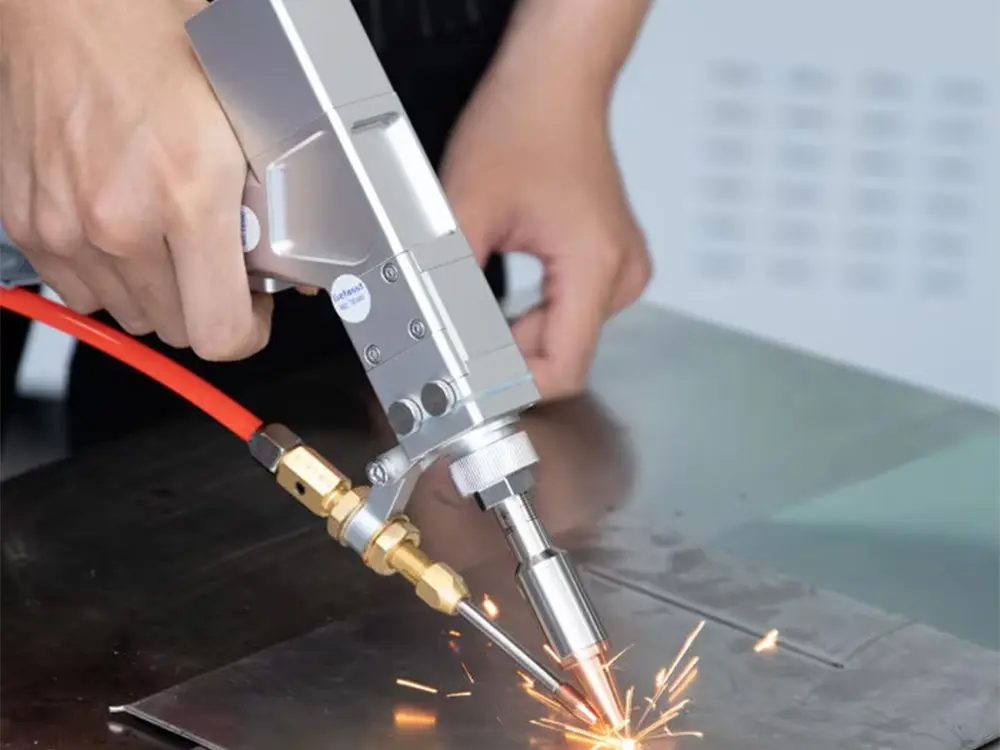
Choosing the right laser welding machine for stainless steel depends on your materials, production requirements, and the features you need. Before purchasing, consider the following factors.
Material Thickness and Laser Power
Consider the typical stainless steel thickness you need to weld and choose a suitable laser power accordingly. WINTEK offers 1500W, 2000W, and 3000W laser welding machines for different welding requirements.
Sistema di raffreddamento
Choose an appropriate cooling system based on the machine’s power and expected working conditions. The right cooling configuration helps maintain stable performance during continuous operation.
Testa di saldatura laser
A reliable welding head is important for consistent beam delivery, scanning performance, and ease of operation. It should also be suitable for the welding applications and materials you process.
Sorgente laser
The laser source plays an important role in welding performance, stability, and service life. Wintek laser welding machines are equipped with MAX laser sources, providing stable and reliable performance for stainless steel railing fabrication and other metal welding applications.
Alimentatore di fili
If your railing components have larger joint gaps or require additional filler material, a stable wire feeder can provide greater flexibility during welding.
Assistenza post-vendita
For international buyers, after-sales service is an important part of the purchasing decision. Consider warranty coverage, spare parts availability, operator training, technical support, and response time when comparing laser welding machine suppliers.
By evaluating these factors together, manufacturers can choose a laser welding solution that matches their stainless steel railing production needs.
Can Laser Welding Replace Traditional Welding for Stainless Steel Railings?
In many stainless steel railing applications, laser welding can be used as an alternative to conventional welding processes. However, whether it should replace TIG, MIG, or other welding methods depends on the manufacturer’s workpieces, production volume, required finish, and investment priorities.
Laser welding can be particularly attractive when manufacturers need:
- Faster welding for repetitive railing components
- Controlled heat input for thin stainless steel
- Consistent weld appearance
- Reduced spatter and post-welding finishing
- Flexible handheld welding for different railing structures
Traditional welding may still be preferred for applications with larger joint gaps, specific fabrication requirements, existing equipment investments, or processes where laser welding does not provide a clear production advantage.
For this reason, manufacturers should compare the two processes using their actual stainless steel railing components. Evaluating welding speed, penetration, appearance, finishing time, labor requirements, and overall production cost provides a more useful basis for choosing between laser and conventional welding.
Conclusione
Laser welding is a practical option for stainless steel railing fabrication, particularly for tubes, profiles, frames, handrails, and other architectural metalwork. Its concentrated heat input, welding speed, and potential for reduced post-welding finishing make it an attractive alternative for many manufacturers.
However, choosing the right laser welding machine requires more than selecting a higher laser power. Material thickness, joint design, fit-up, shielding gas, filler wire, welding parameters, and production volume all influence the final welding result.
WINTEK Laser provides handheld laser welding solutions with 1500W–3000W power options for stainless steel and other metal fabrication applications. With 10+ years of laser manufacturing expertise, WINTEK helps manufacturers select suitable welding equipment based on their materials, workpiece designs, joint requirements, and production needs.