











Laser cutting has become one of the most efficient technologies in modern sheet-metal fabrication. Manufacturers use laser systems to process materials quickly while maintaining excellent cutting precision. Among the many materials used in fabrication, galvanized steel is especially common because of its strong corrosion resistance.
However, cutting galvanized steel with laser requires additional attention compared with cutting plain carbon steel. The zinc coating that protects the material from rust behaves differently when exposed to high temperatures. During the cutting process, this coating can produce fumes and affect cutting performance if not handled properly.
For this reason, operators must understand the potential safety concerns and follow proper operating procedures. With the right equipment, ventilation, and cutting parameters, the process can be performed safely and efficiently.
This article explains the safety considerations involved in laser cutting galvanized steel and provides practical tips for maintaining a safe and stable cutting process.
What Is Galvanized Steel?

Galvanized steel is steel that has been treated with a protective zinc coating. This coating helps prevent rust and significantly increases the durability of the material.
The most common manufacturing method is hot-dip galvanizing. In this process, steel sheets are dipped into molten zinc. The zinc bonds with the steel surface and forms a protective layer. Another method is electro-galvanizing, which produces a thinner and smoother coating.
The zinc layer acts as a sacrificial barrier. Even if the surface is scratched, the zinc continues protecting the steel underneath. This makes galvanized steel suitable for parts exposed to humidity, weather, or corrosive environments.
Because of these advantages, galvanized steel is widely used in sheet-metal fabrication. It is common in ventilation ducts, electrical cabinets, roofing panels, and structural components.
However, the zinc coating behaves differently from plain steel when exposed to extreme heat. During laser cutting galvanized steel, the laser beam quickly melts the metal and heats the zinc layer.
As a result, part of the coating may evaporate or react during the cutting process. This is why proper ventilation and correct cutting parameters are important when performing laser cutting galvanized steel.
Is Laser Cutting Galvanized Steel Safe?
In most cases, cutting galvanized steel with a fiber laser is safe when proper safety procedures are followed. Modern fiber laser cutting machines are designed with enclosed cutting areas, safety interlocks, and efficient exhaust systems that help control fumes and protect operators.
However, the zinc coating on galvanized steel can generate metal fumes when heated to high temperatures. These fumes may contain zinc oxide particles that can accumulate in poorly ventilated environments. Long-term exposure to these fumes may cause discomfort or health issues for operators.
For this reason, workshops that regularly perform laser cutting galvanized steel should install effective smoke extraction systems and maintain good airflow in the cutting area.
When ventilation systems, protective equipment, and correct machine settings are used, laser cutting galvanized steel can be carried out safely without significant risk.
Potential Hazards of Laser Cutting Galvanized Steel
Understanding possible risks helps manufacturers maintain a safe working environment and stable production process.
1. Zinc Fumes and Health Risks
The most common concern during the cutting process is zinc fume generation. When the laser beam melts the metal, the zinc coating may vaporize.
These fumes can form zinc oxide particles in the air. In poorly ventilated environments, operators may inhale these particles.
Short-term exposure may cause irritation or discomfort. Proper extraction systems significantly reduce these risks during laser cutting galvanized steel.
2. Surface Coating Reactions
Another issue involves the reaction of the zinc coating under high heat. The coating may evaporate unevenly during laser cutting galvanized steel.
This reaction can sometimes cause:
- Slight edge roughness
- Increased spatter
- Minor surface residue
Correct laser parameters help minimize these effects.
Safety Tips for Laser Cutting Galvanized Steel
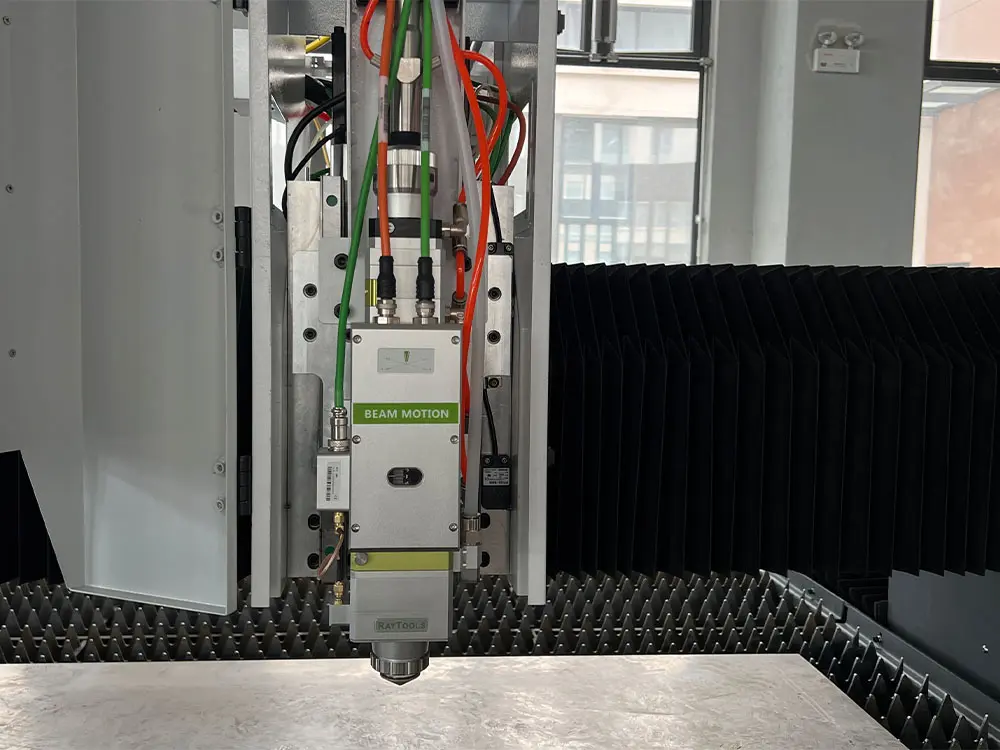
Maintaining a safe working environment requires both equipment preparation and operator awareness. The following practices improve safety and cutting stability.
1. Install Proper Ventilation Systems
Effective ventilation is essential when performing laser cutting galvanized steel. Exhaust systems remove fumes directly from the cutting zone.
Industrial workshops typically install:
- High-power extraction fans
- Multi-layer filtration systems
- Localized smoke collection ducts
These systems prevent zinc fumes from accumulating inside the workspace.
2. Use Personal Protective Equipment
Operators should always wear suitable protective equipment when performing laser cutting galvanized steel.
Recommended equipment includes:
- Protective safety glasses
- Industrial respirators
- Protective gloves
- Flame-resistant clothing
These protective measures reduce exposure to fumes and metal particles.
3. Optimize Laser Cutting Parameters
Proper machine settings also improve safety and cutting quality. Incorrect parameters may increase zinc vaporization during laser cutting galvanized steel.
Operators should adjust:
- Potenza del laser
- Velocità di taglio
- Assist gas pressure
- Focus position
Balanced parameters help achieve smooth edges and stable processing conditions.
Wintek Fiber Laser Cutting Parameters for Galvanized Steel
Select the laser power according to the material thickness. Using too low power may cause incomplete cuts, while excessive power can increase spatter and fume generation.
| Potenza laser | Material Thickness | Notes |
| 1500W | 1-3mm | Suitable for small sheets, clean cuts with nitrogen |
| 2000W | 2-5mm | Optimal for medium panels, minimal spatter |
| 3000W | 4-8mm | Heavy-duty cutting, slightly rough edges |
| 6000 W | 8-12mm | Thick panels, higher fume generation, requires strong ventilation |
| 12.000 W | 12-20mm | Ultra-thick steel, ensure proper exhaust and slow cutting speed |
Why Fiber Laser Machines Are Suitable for Galvanized Steel
Fiber laser technology has become the industry standard for cutting coated sheet metals. These machines deliver high energy density and excellent beam quality, making them highly effective for laser cutting galvanized steel.
Compared with traditional methods, fiber lasers provide several advantages:
- High cutting precision
- Faster processing speed
- Reduced heat-affected zones
- Lower operating costs
Modern machines also include intelligent control systems. These systems allow operators to fine-tune parameters for laser cutting galvanized steel.
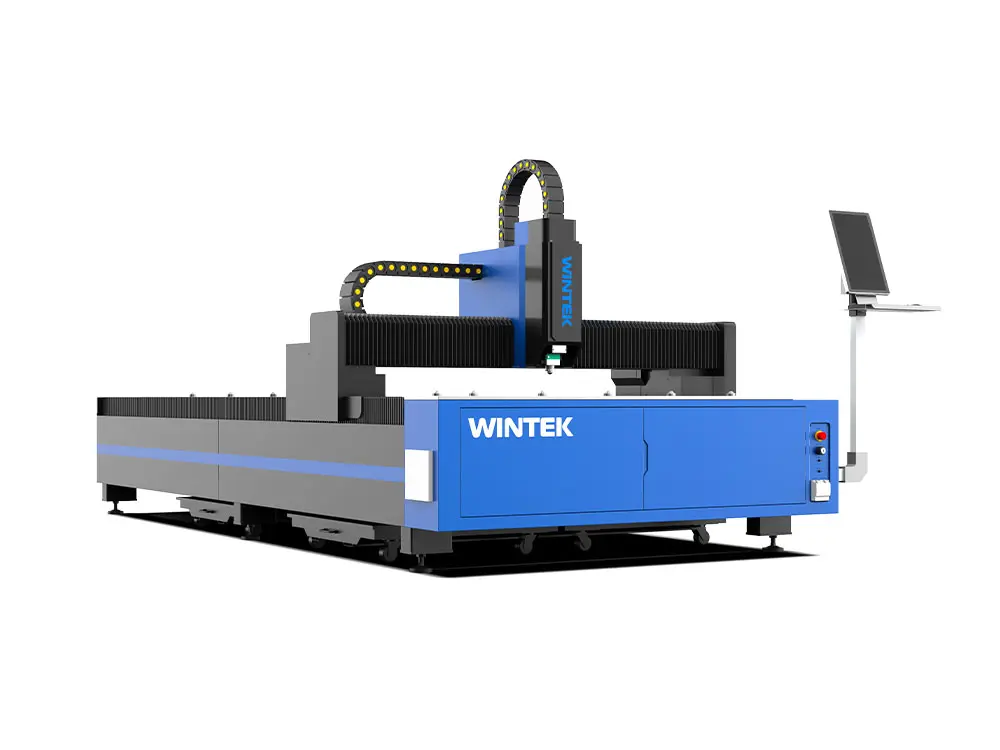
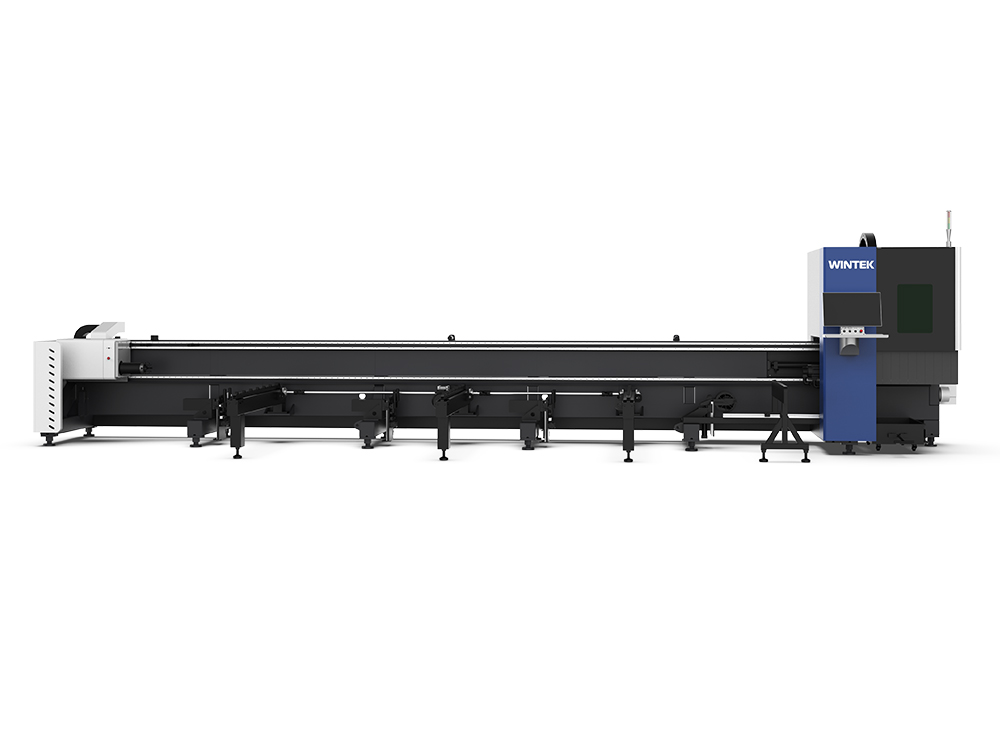
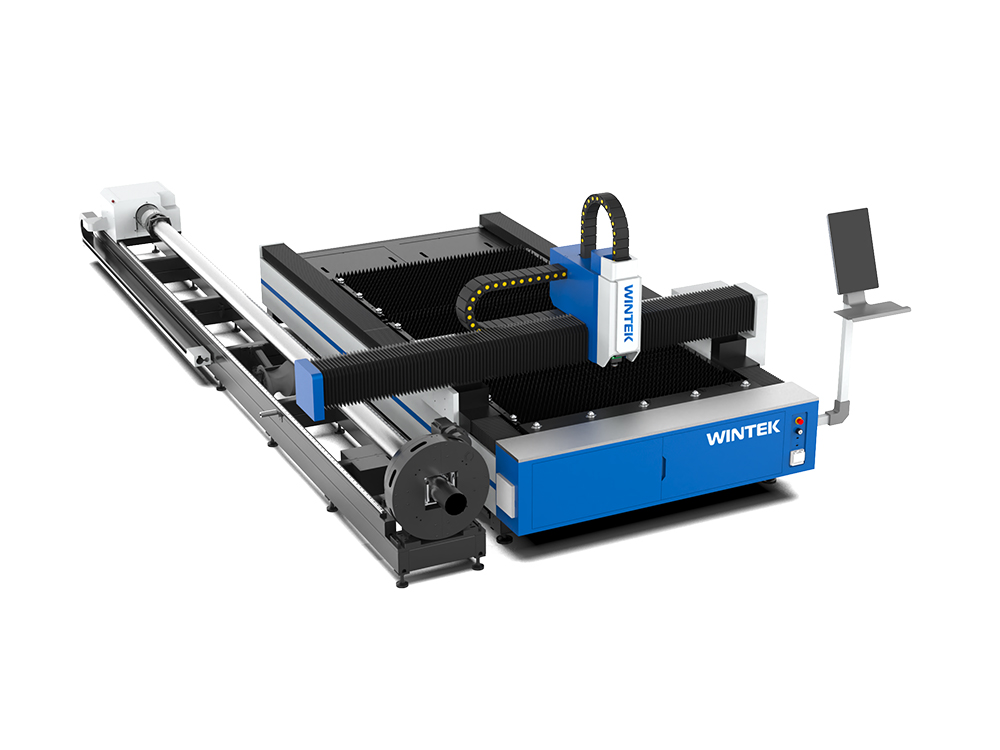
Manufacturers such as Wintek produce advanced fiber laser cutting machines designed for industrial metal fabrication. These machines support stable cutting performance across different sheet metal materials, including galvanized steel.
Best Practices for Consistent Cutting Quality
Maintaining quality when cutting galvanized sheet metal requires attention to several technical factors.
First, operators should clean the material surface before cutting. Oil or dirt may affect the cutting process.
Second, selecting the correct assist gas improves cutting performance. Many operators use nitrogen to achieve cleaner edges.
Third, maintaining stable machine calibration ensures consistent results. Regular inspection of the focusing lens and nozzle helps maintain optimal cutting conditions.
By following these practices, manufacturers can achieve reliable results during laser cutting galvanized steel.
Conclusione
Galvanized steel remains an essential material in modern manufacturing. Its corrosion resistance makes it suitable for a wide range of industrial applications. Although the zinc coating introduces additional considerations, laser cutting remains a safe and effective method for processing galvanized steel.
Good ventilation, appropriate protective equipment, and optimized machine parameters are the key factors that ensure safe operation.
With modern fiber laser technology and responsible safety practices, manufacturers can perform laser cutting galvanized steel efficiently while maintaining high production quality.