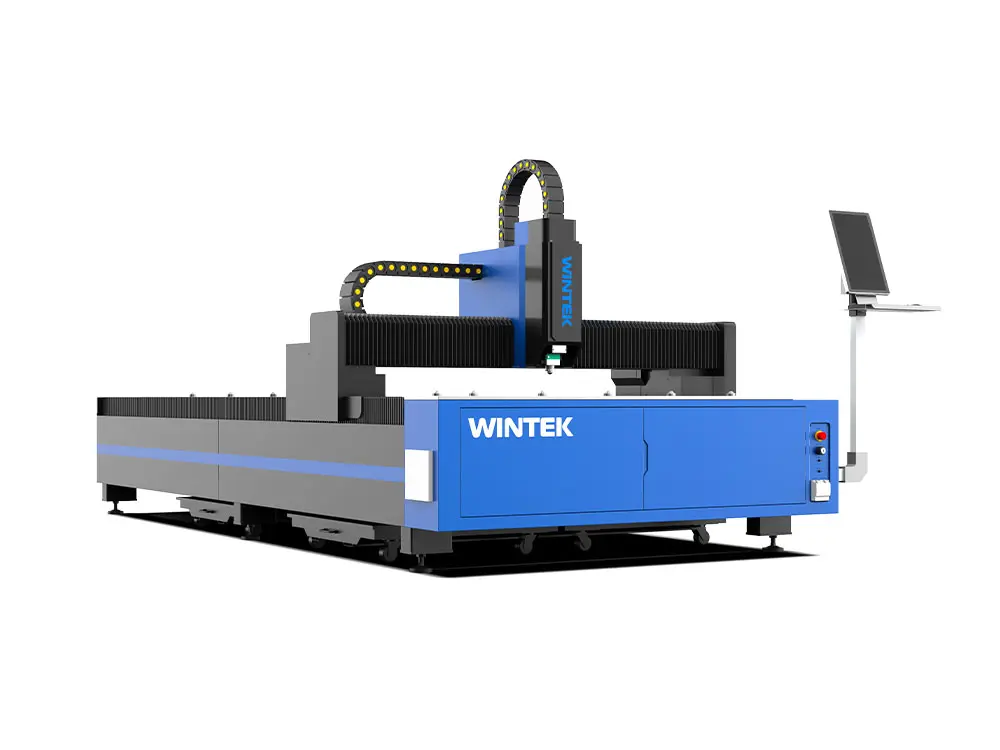
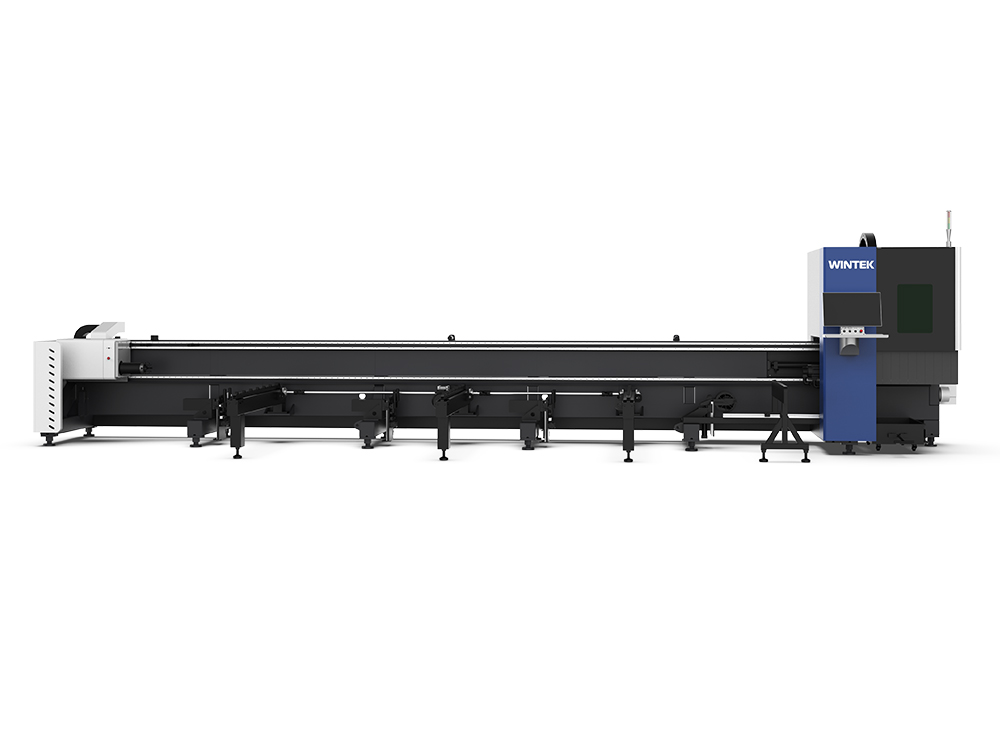
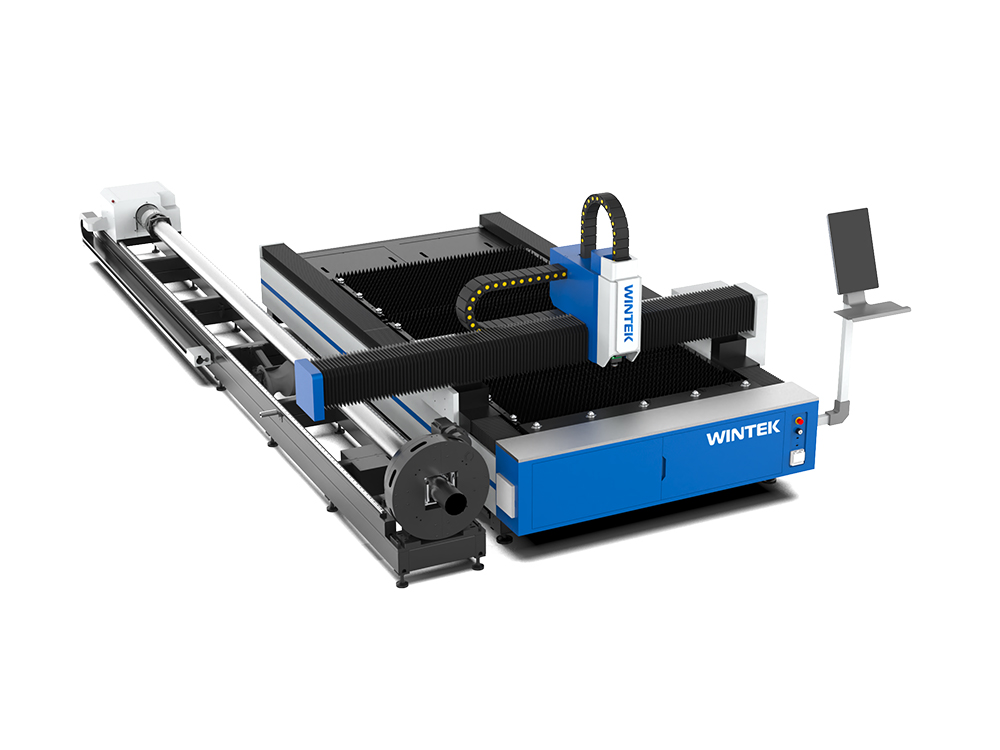
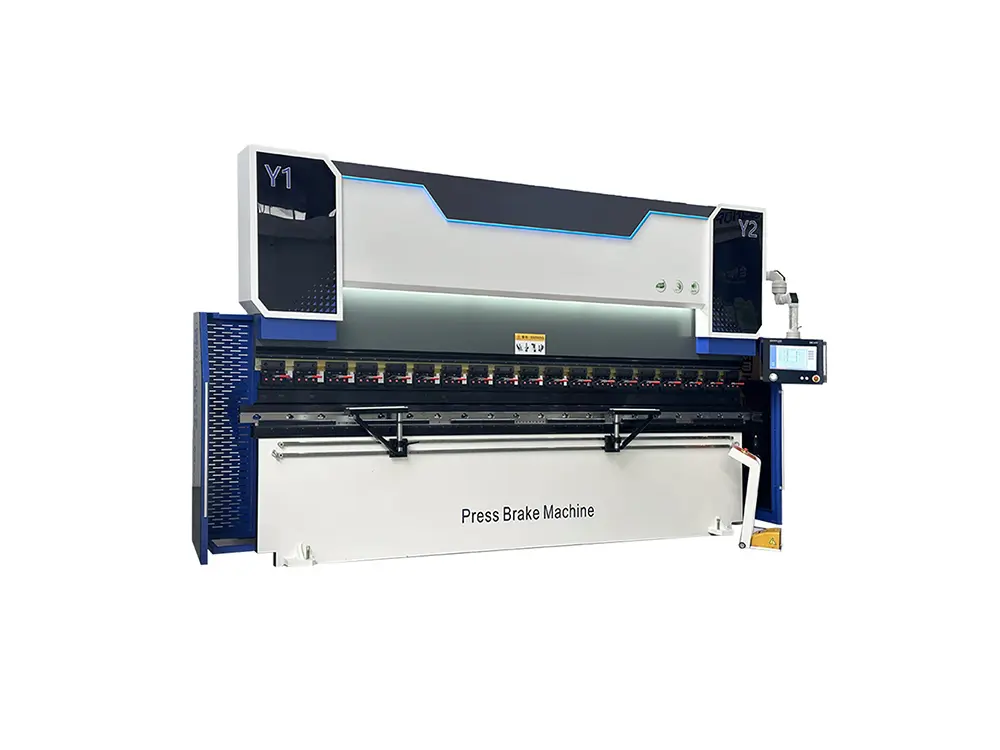










Laser cutting technology has become one of the most important tools in modern metal fabrication. Among the various types of machines available today, the sheet metal laser cutting machine is considered a core piece of equipment for manufacturers that need high precision, speed, and efficiency. As industries move toward automation and digital manufacturing, laser cutting has become essential for producing high-quality sheet metal components.
Companies like Wintek Laser have played a major role in advancing this technology by offering reliable, user-friendly, and high-performance laser cutting solutions. Whether for small workshops or large industrial plants, these machines help improve production capabilities while reducing errors and material waste.
In this article, we will explore the advantages and disadvantages of sheet metal laser cutting machines, providing a balanced perspective to help users understand the strengths, limitations, and best applications of this popular technology.
What Is a Sheet Metal Laser Cutting Machine?
A sheet metal laser cutting machine uses a focused laser beam to cut through different types of metal materials with exceptional accuracy. The machine directs high-energy laser light onto the metal surface, melting or vaporizing the material along the cutting line. CNC control ensures the cutting path is precise and consistent, making laser machines ideal for complex shapes and detailed patterns.
There are several types of laser cutting machines. Among them, fiber laser cutting machines have become the most popular for sheet metal applications. Fiber lasers offer high power efficiency, lower maintenance requirements, and excellent cutting quality for metals such as stainless steel, carbon steel, aluminum, copper, and brass.
Advantages of Sheet Metal Laser Cutting Machines

The sheet metal laser cutting machine offers numerous benefits that make it the preferred choice for many industries. Below are the key advantages explained in detail.
1. High Precision and Cutting Accuracy
One of the greatest strengths of a sheet metal laser cutting machine is its extraordinary cutting precision. The focused laser beam creates an extremely narrow kerf width, allowing manufacturers to cut fine details and intricate geometries that are difficult or impossible with traditional tools.
- Tolerances can reach ±0.02 mm.
- Smooth and clean edges without secondary processing.
- Ideal for small parts and complex features.
Wintek laser cutting machines, for example, are engineered to maintain high accuracy even during continuous, long-time operation, ensuring consistent quality across large production batches.
2. Fast Cutting Speed for High Productivity
Laser cutting is significantly faster than plasma cutting, mechanical cutting, or traditional shearing. A fiber laser can cut thin sheet metal at extremely high speeds and maintain smooth, clean edges.
- Up to 3× faster than CO₂ lasers for thin metal.
- Suitable for mass production.
- High-speed servo motors improve efficiency.
This speed advantage allows manufacturers to reduce production time, minimize delays, and increase output without compromising quality. It also improves overall workflow efficiency and maximizes the utilization of resources.
3. Versatility Across Many Metal Materials
A sheet metal laser cutting machine can process a wide range of metals, making it extremely versatile for industrial use. Common materials include:
- Stainless steel
- Carbon steel
- Copper and brass
- Aluminum and aluminum alloys
- Galvanized steel
This versatility makes the technology suitable for industries such as automotive, aerospace, construction, electronics, kitchenware, and mechanical parts manufacturing.
4. Minimal Material Waste and High Efficiency
Laser cutting is a non-contact process, which means the laser head does not touch the material. This reduces wear and tear while also decreasing the risk of material distortion.
Benefits include:
- Narrow kerf width that maximizes sheet usage.
- Precise nesting software reduces waste.
- No pressure is applied to the material, so there is no deformation.
The efficiency of laser cutting helps companies reduce material consumption and increase profitability.
5. Excellent Edge Quality with No Secondary Processing
Laser cutting produces smooth and clean edges, eliminating the need for grinding or polishing in most cases.
- Oxidation-free edges when using nitrogen cutting.
- No burrs on stainless steel and thin sheet metal.
- Ideal for visible surfaces and decorative parts.
This is especially beneficial for industries requiring high-quality finishes.
6. Low Maintenance and Long Machine Lifespan
Compared with CO₂ laser systems, fiber lasers have fewer components and require less maintenance.
- No mirrors or lenses in beam delivery.
- Lower energy consumption.
- Longer lifespan of fiber laser source (100,000 hours on average)
Manufacturers like Wintek design machines with stable mechanical structures and high-quality components to minimize downtime and reduce long-term costs.
Disadvantages of Sheet Metal Laser Cutting Machines
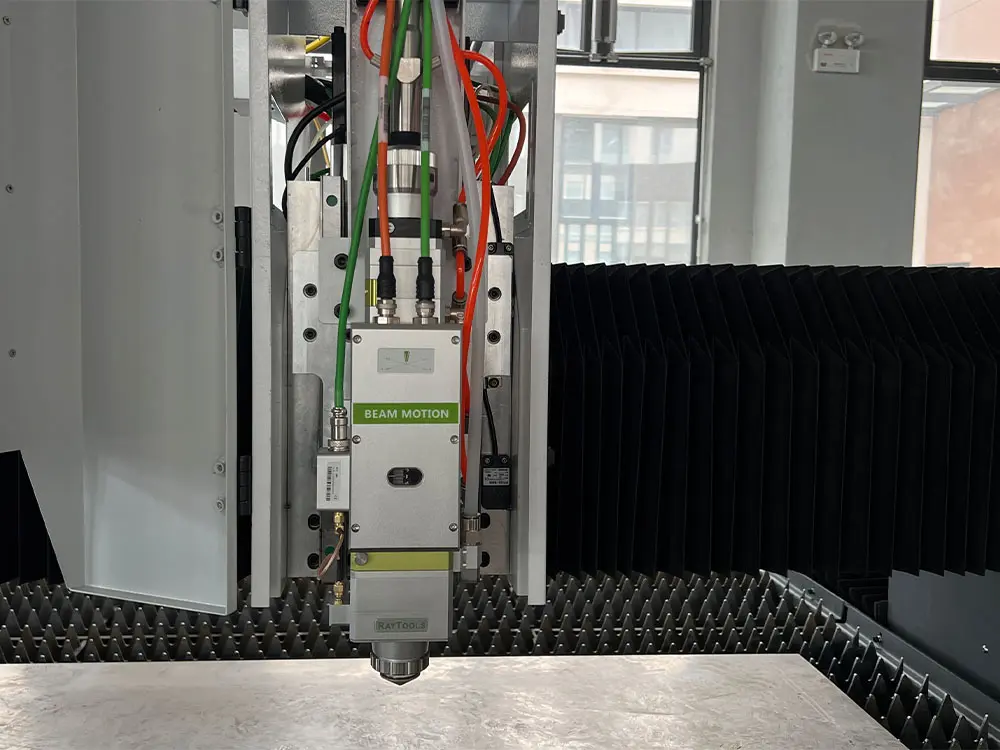
Although the advantages are significant, sheet metal laser cutters also come with certain limitations. Understanding these disadvantages helps companies make informed purchasing decisions.
1. High Initial Investment Cost
Laser cutting machines, especially high-power fiber lasers, require a significant upfront investment. Costs vary based on factors such as laser power from 1000W to 30,000W, machine size, and the CNC system or brand. While the initial price is high, many companies find that long-term benefits like reduced waste, lower labor costs, and faster production can compensate for the investment.
Wintek offers machines in multiple price ranges to meet different budgets and production needs.
2. Limited Cutting Thickness for Certain Materials
Fiber laser cutting is excellent for thin and medium-thickness metals. However, very thick metals above 25 to 40 millimeters may not achieve the same quality as plasma or oxy-fuel cutting. Reflective metals also require higher laser power to ensure stable processing. For applications that involve ultra-thick plates, other cutting methods may still be more suitable.
3. Skilled Operators and Training Required
Although laser cutting machines are highly automated, operators still need proper training to run the system safely and efficiently. Required skills include understanding cutting parameters, selecting the right materials, performing maintenance and troubleshooting, and following essential safety procedures. Manufacturers such as WintekLaser usually provide training and technical support to help operators master the equipment quickly.
4. Potential Safety Hazards
Laser cutting machines use high-energy beams that require strict safety protocols. Operators must be aware of laser radiation protection, the high-temperature cutting zone, proper fume extraction, and electrical safety. If these safety measures are neglected, operators may face serious risks, which makes proper protective equipment and training essential.
5. High Power Consumption for Large-scale Production
Laser cutting can consume significant electrical energy, especially when operating at high power levels or for long production hours. Higher kilowatt machines naturally use more electricity, and the use of assist gases such as oxygen, nitrogen, or air also increases the overall operating cost. Even so, fiber lasers are still more energy-efficient compared with traditional CO₂ laser systems.
Applications of Sheet Metal Laser Cutting Machines
A sheet metal laser cutting machine is widely used in many industries because of its accuracy, speed, and flexibility. Major applications include automotive parts such as body panels, brackets, and exhaust components, as well as aerospace structural parts and precision components. In the electronics industry, it is commonly used for enclosures, heat sinks, and circuit protection parts. Machinery manufacturers rely on laser cutting for frames, covers, and mechanical components, while the construction sector uses it for metal doors, decorative panels, and architectural structures. Household appliance producers also use laser cutting for kitchen equipment and stainless steel products.
Wintek Laser machines are frequently chosen in these industries thanks to their consistent cutting performance and high reliability in demanding mass production environments.
Conclusion
The sheet metal laser cutting machine offers unmatched precision, speed, and efficiency, making it one of the most powerful tools in modern manufacturing. Although the initial investment is high and proper training is required, the long-term benefits often outweigh the drawbacks.
With the rapid development of fiber laser technology, laser cutting has become more accessible and cost-effective for workshops and factories worldwide. Manufacturers like WintekLaser continue to innovate, providing reliable and advanced cutting systems that help businesses improve productivity and quality.
For any company involved in metal fabrication, choosing the right sheet metal laser cutting machine can significantly enhance production capacity, reduce costs, and maintain a competitive edge in the global market.