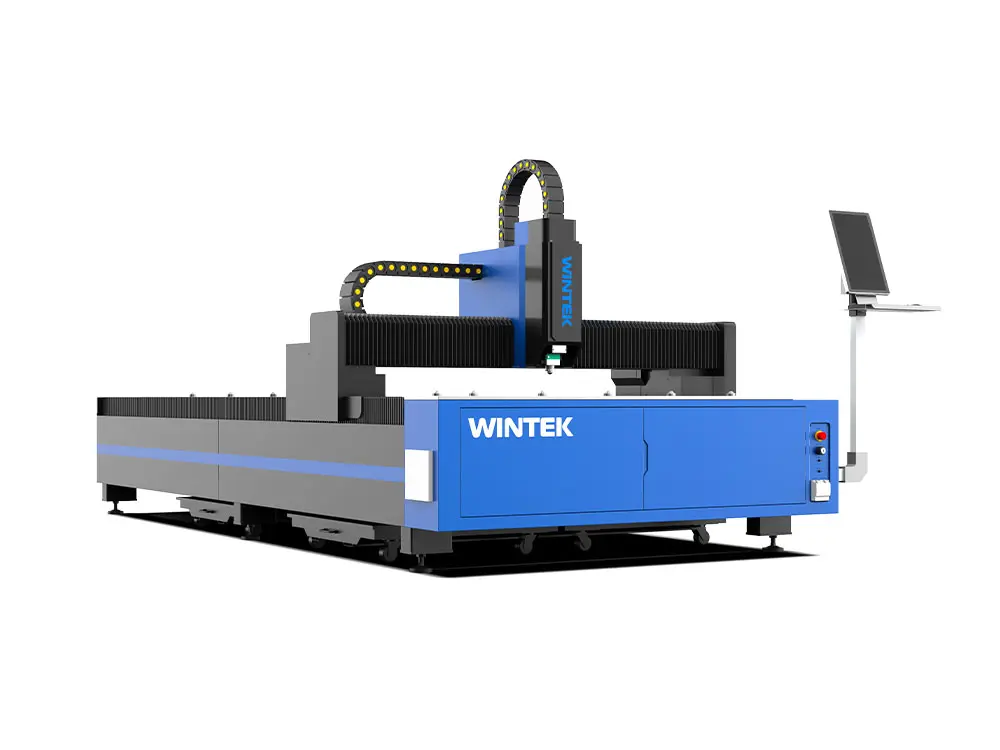
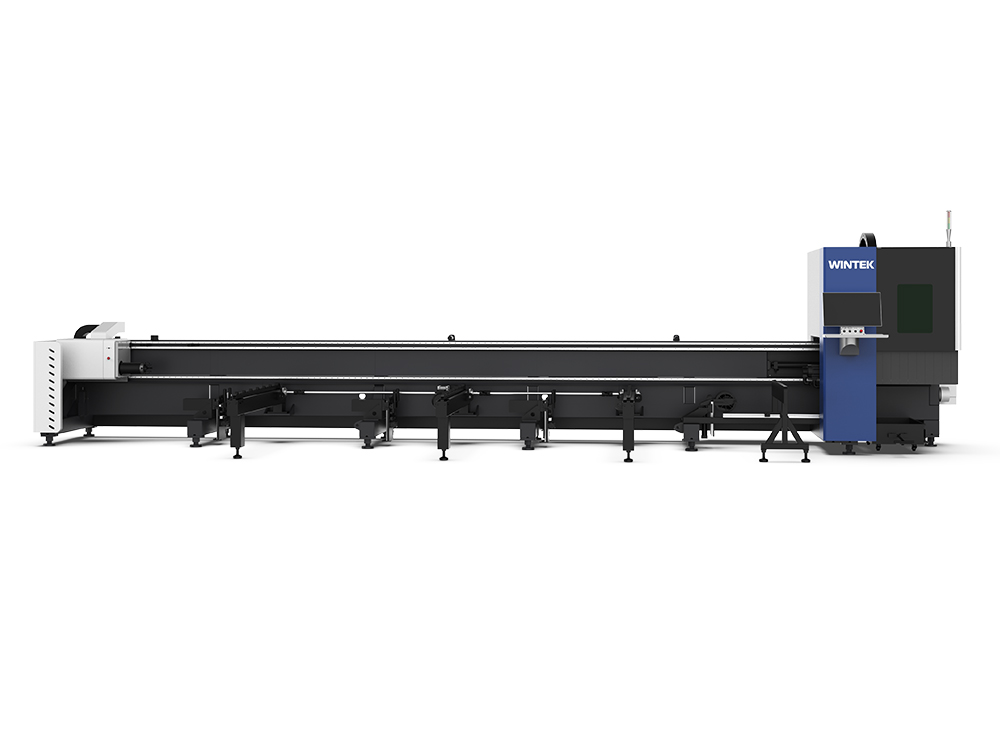
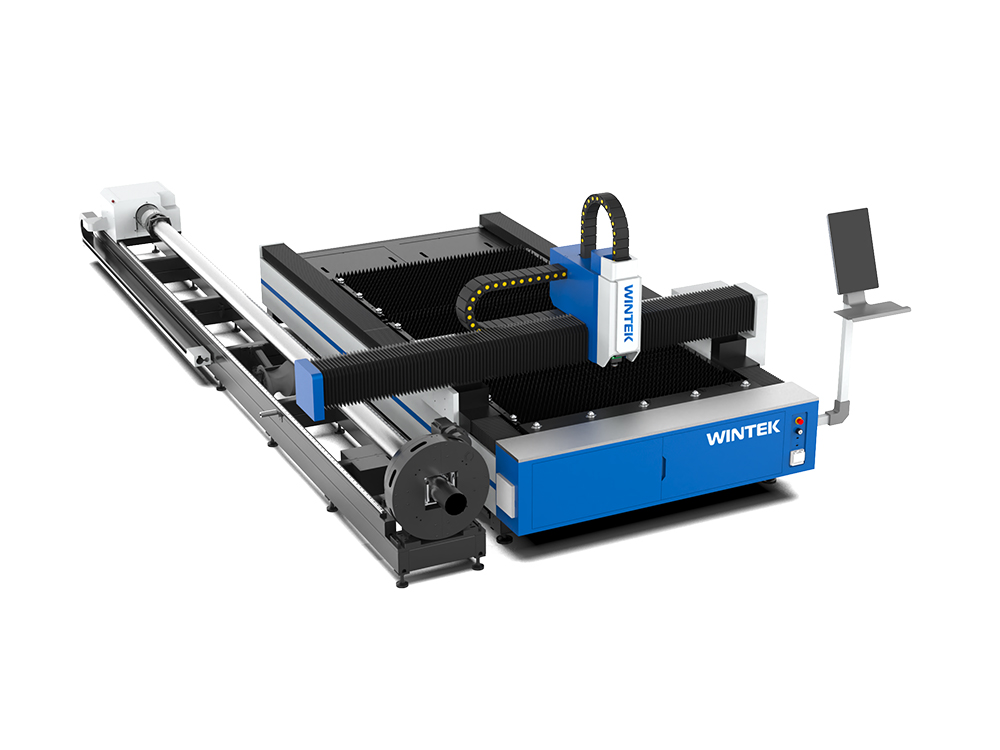
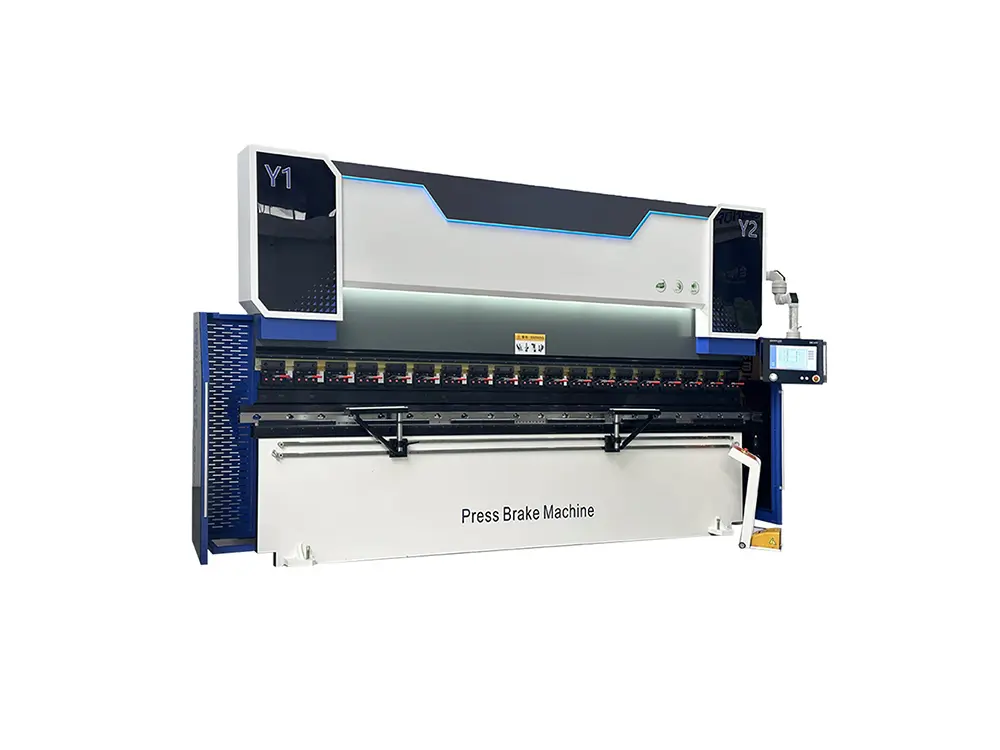

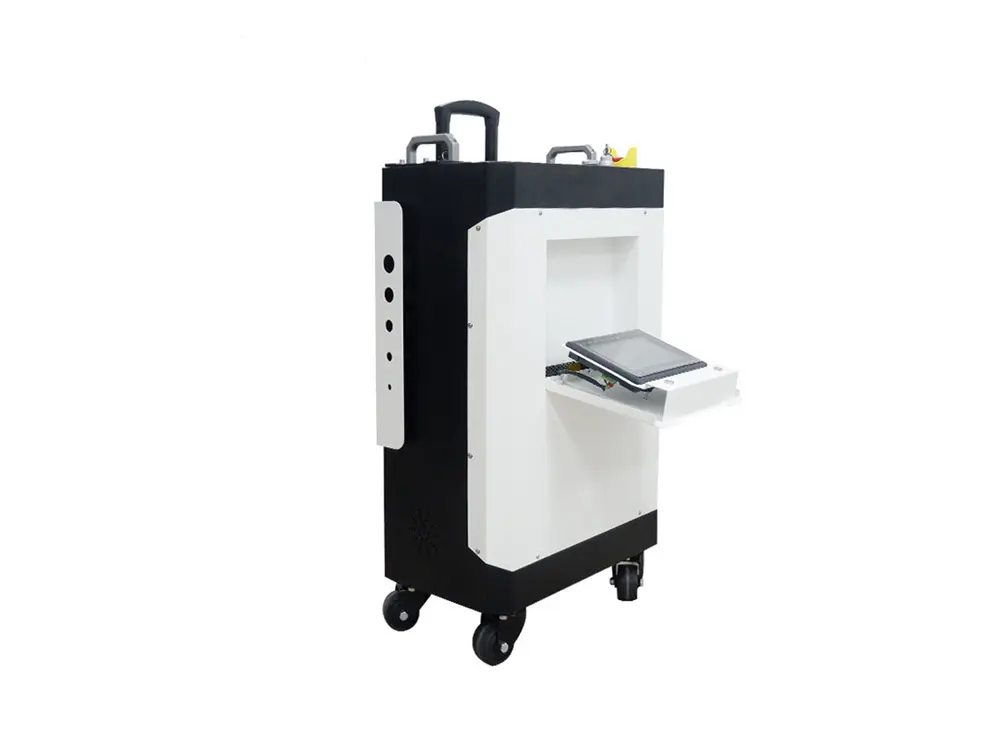
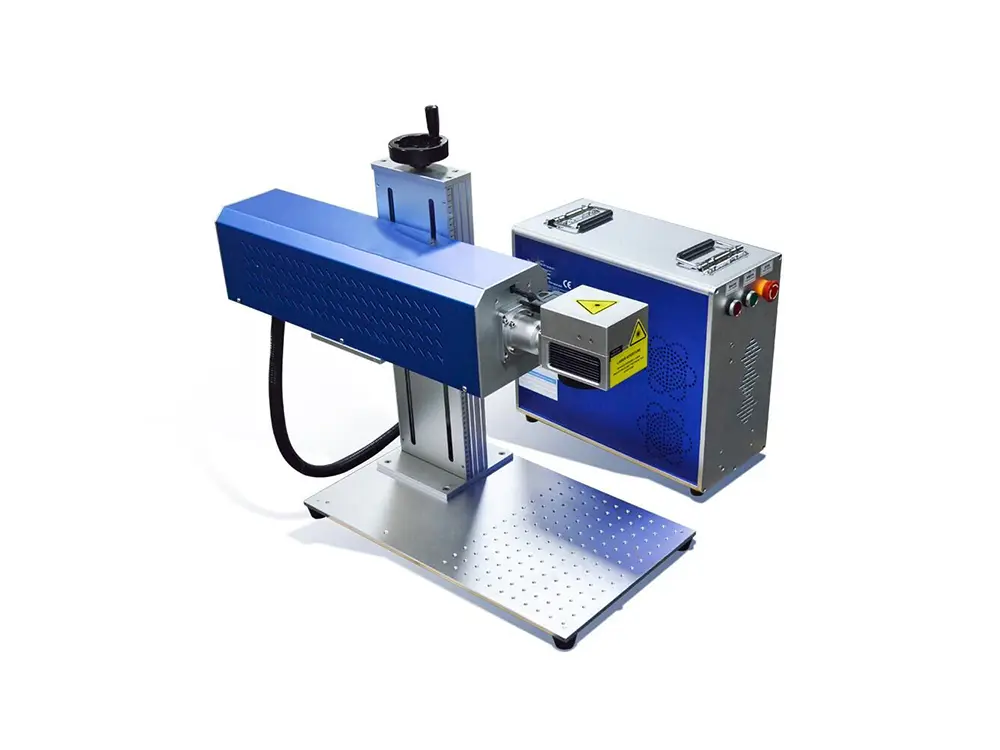











In modern manufacturing, laser cutting has become a highly efficient and precise fabrication method. Many industries rely on advanced laser systems for fast and accurate processing. Wintek cnc fiber laser cut machines are especially popular for their speed, precision, and automation.
Most people associate fiber laser cutting machines with metal processing. They are commonly used to cut stainless steel, carbon steel, aluminum, brass, and copper. However, a common question many users ask is: Can a CNC fiber laser cutting machine cut wood?
The short answer is technically yes, but it is not the ideal application. To understand why, it is important to explore how fiber laser technology works, how wood reacts to laser energy, and which type of laser machine is best suited for wood processing.
What Is a CNC Fiber Laser Cut Machine?

A CNC fiber laser cut machine is a computer-controlled laser cutting system that uses a fiber laser source to generate a high-energy beam. The laser beam is transmitted through optical fiber and focused onto the surface of the material through a cutting head.
Once the laser contacts the material, it produces extremely high temperatures that melt or vaporize the material along the programmed cutting path. At the same time, assist gases such as nitrogen or oxygen blow away molten material to produce a clean and precise cut.
Fiber laser cutting machines are widely used because they offer several advantages:
- High cutting speed
- Excellent cutting precision
- Low maintenance requirements
- High energy efficiency
- Long service life of the laser source
Because of these benefits, the fiber laser cutting machine has become the preferred solution for metal fabrication industries such as automotive manufacturing, machinery production, sheet metal processing, and metal furniture manufacturing.
How Laser Cutting Works on Different Materials
Laser cutting performance depends heavily on how a material absorbs laser energy. Different materials react to laser beams in different ways. Metals absorb the wavelength generated by fiber lasers very efficiently. This allows the CNC fiber laser cut machine to melt metal quickly and create extremely clean cutting edges. Non-metal materials behave differently. Some materials absorb the laser energy poorly, while others may burn or char during processing.
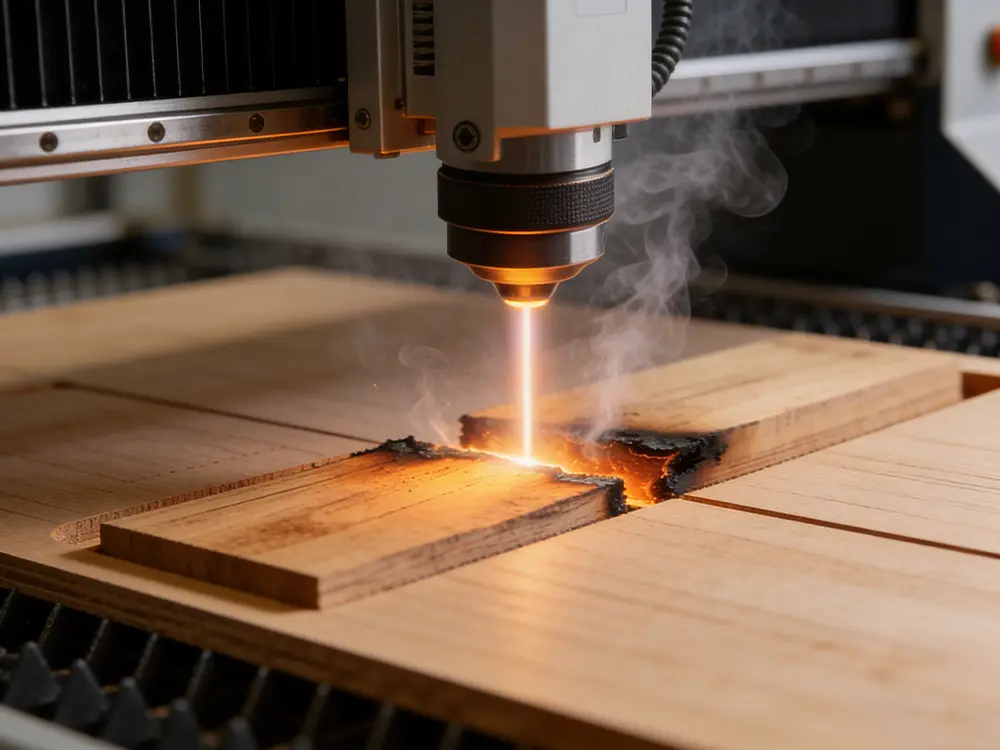
Wood, in particular, contains organic fibers and moisture. When exposed to a high-energy laser beam, wood does not melt like metal. Instead, it burns, carbonizes, or vaporizes. This difference in material behavior plays a major role in determining whether fiber laser machines are suitable for wood cutting.
Can a CNC Fiber Laser Cut Machine Cut Wood?
Technically speaking, a CNC fiber laser cut machine can cut wood under certain conditions, but it is generally not recommended for regular wood processing.
Fiber lasers typically operate at a wavelength of around 1064 nm, which is optimized for metal materials. Wood does not absorb this wavelength as effectively as metals. As a result, the laser energy may not interact with the wood surface in a controlled manner.
When a fiber laser beam contacts wood, several issues may occur:
- Burning and charring of the surface
- Irregular cutting edges
- Smoke and carbon residue
- Increased fire risk
- Reduced cutting efficiency
In some cases, thin wood sheets or plywood may be cut using a fiber laser cutting machine, but the cut quality usually cannot match machines designed specifically for non-metal materials. Therefore, while a CNC fiber laser cut machine might be capable of cutting wood occasionally, it is not the best choice for this type of material.
Why Fiber Laser Machines Are Not Ideal for Wood
There are several technical reasons why wood cutting is not the main application of a CNC fiber laser cut machine.
1. Laser Wavelength Compatibility
Fiber lasers emit a wavelength that is highly suitable for metals. Wood and other organic materials absorb this wavelength inefficiently. This leads to unstable cutting performance.
2. Thermal Reaction of Wood
Unlike metal, which melts under heat, wood burns when exposed to high temperatures. This burning process can produce blackened edges and smoke.
3. Fire Safety Concerns
Wood is a flammable material. When processed by a high-power fiber laser cutting machine, sparks or excessive heat may increase the risk of fire if the process is not carefully controlled.
4. Cutting Quality
A CNC fiber laser cut machine is designed to produce extremely smooth metal edges. With wood, however, the edges may appear charred or rough due to combustion.
Which Laser Machines Are Better for Cutting Wood?
If wood processing is the primary goal, other types of laser systems are generally more suitable than a cnc fiber laser cut machine. CO₂ laser cutting machines operate at a wavelength of 10.6 micrometers, which is much more easily absorbed by non-metal materials. Because of this, they are widely used for cutting and engraving materials such as wood, acrylic, leather, paper, rubber, and many types of plastics.
When processing wood, CO₂ lasers can produce smooth cutting edges and fine engraving details with minimal burning. This makes them a popular choice for woodworking applications, including decorative products, crafts, wooden signage, and customized designs.
Situations Where Fiber Laser Machines May Cut Wood
Although not recommended, there are some situations where users might attempt wood cutting with a CNC fiber laser cut machine.
1. Thin Wooden Sheets
Very thin plywood or veneer may be cut with lower power settings. However, the results often include burnt edges.
2. Experimental or DIY Applications
Some workshops may experiment with cutting non-metal materials using their existing fiber laser cutting machine, especially if the machine is already available.
3. Engraving Instead of Cutting
In some cases, a fiber laser may mark or engrave wood surfaces rather than cutting through them. This can produce decorative effects but still carries the risk of burning.
Main Applications of CNC Fiber Laser Cutting Machines
Even though wood cutting is possible in limited situations, the real strength of the CNC fiber laser cut machine lies in metal processing. Common applications include:
1. Sheet Metal Fabrication
Fiber laser machines are widely used to cut steel sheets for industrial parts and components.
2. Automotive Manufacturing
Car manufacturers rely on fiber laser cutting machines to process metal panels, brackets, and structural parts.
3. Machinery Production
Industrial equipment manufacturers use CNC fiber laser machines to produce precise mechanical components.
4. Metal Furniture Manufacturing
Metal cabinets, shelves, and office furniture often require laser-cut components for accurate assembly.
5. Electrical Equipment
Enclosures, panels, and structural parts in electrical equipment are frequently cut using CNC fiber laser cutting machines.
Choosing the Right Laser Cutting Machine
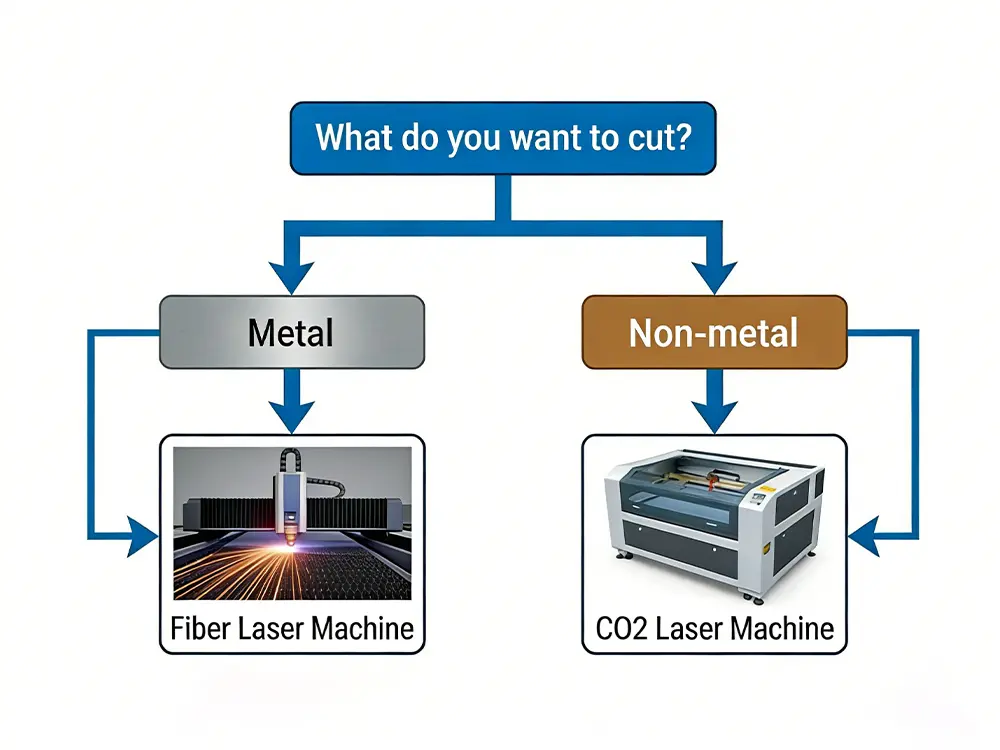
Choosing the right laser cutting machine depends mainly on the materials you plan to process and the type of production your business requires. In the laser industry, the two most common technologies are fiber laser cutting machines and CO₂ laser cutting machines. Each type is designed for different materials and applications, so understanding their differences can help manufacturers select the most suitable equipment for their production needs.
A fiber laser cutting machine is primarily designed for metal processing. Fiber lasers operate at a wavelength that metals absorb very efficiently, allowing the laser beam to generate high energy density and cut materials quickly and precisely. Because of this advantage, fiber laser machines are widely used to cut stainless steel, carbon steel, aluminum, brass, and copper. Industries such as sheet metal fabrication, automotive manufacturing, and machinery production often rely on fiber laser technology because it provides fast cutting speeds, high precision, and lower operating costs compared with many traditional cutting methods.
In contrast, CO₂ laser cutting machines are generally better suited for non-metal materials. CO₂ lasers produce a different wavelength that is easily absorbed by organic materials such as wood, acrylic, leather, plastics, fabric, and paper. This makes them highly effective for cutting and engraving decorative products, signage, packaging materials, and craft items. The cutting edges on wood and acrylic are usually smooth and clean, which is why CO₂ laser machines are widely used in woodworking, advertising, and creative manufacturing industries.
When choosing between these two technologies, manufacturers should carefully evaluate the materials they process most frequently. If the main production involves metal parts and requires high cutting efficiency, a fiber laser cutting machine is typically the best option. However, if the applications focus on wood, plastics, or other non-metal materials, a CO₂ laser cutting machine will generally deliver better results. By selecting the right laser technology for the intended materials, businesses can improve productivity, achieve higher cutting quality, and maximize the long-term value of their equipment.
Conclusion
CNC fiber laser cut machine excels in metal processing, providing high precision, fast cutting speed, and consistent results for materials like stainless steel, carbon steel, aluminum, and copper. While it can cut wood in limited cases, this is not its intended application, and the results are often uneven or charred.
For wood, acrylic, and other non-metal materials, CO₂ laser cutting machines are more suitable due to their wavelength and cutting characteristics. Wintek Laser offers both fiber laser and CO₂ laser cutting solutions, enabling manufacturers to choose the right machine for each material and achieve efficient, high-quality production across a variety of applications.