









Laser cleaning has emerged as one of the most efficient and environmentally friendly ways to remove rust, paint, oxide layers, and other contaminants from metal surfaces. Compared with traditional methods like sandblasting, grinding, or chemical treatments, laser cleaning delivers higher precision, lower operating costs, and eliminates chemical waste.
Among the different laser cleaning systems available today, handheld fiber laser cleaning machines stand out for their portability, flexibility, and powerful cleaning performance. They are widely used across industries such as metal fabrication, automotive maintenance, shipbuilding, aerospace, and mold manufacturing.
In this guide, we present the 2026 best handheld fiber laser cleaning machine for sale reviews, break down the differences between major laser cleaning technologies, and provide expert guidance to help you choose the right machine for your needs.
What Is a Handheld Fiber Laser Cleaning Machine
A handheld fiber laser cleaning machine is a compact and portable device that uses a high-energy laser beam to remove contaminants from a variety of surfaces, including metals, ceramics, plastics, and composites. The laser instantly vaporizes rust, paint, grease, oxide layers, and other unwanted materials without damaging the underlying substrate. Unlike traditional abrasive cleaning methods, laser cleaning is a non-contact process, eliminating mechanical wear and minimizing the risk of surface deformation.
Modern handheld systems are typically equipped with high-quality fiber laser sources from leading manufacturers such as Raycus, Max, and IPG. These lasers are known for their high energy efficiency, stable output, and long service life, ensuring consistent and reliable cleaning performance over time.
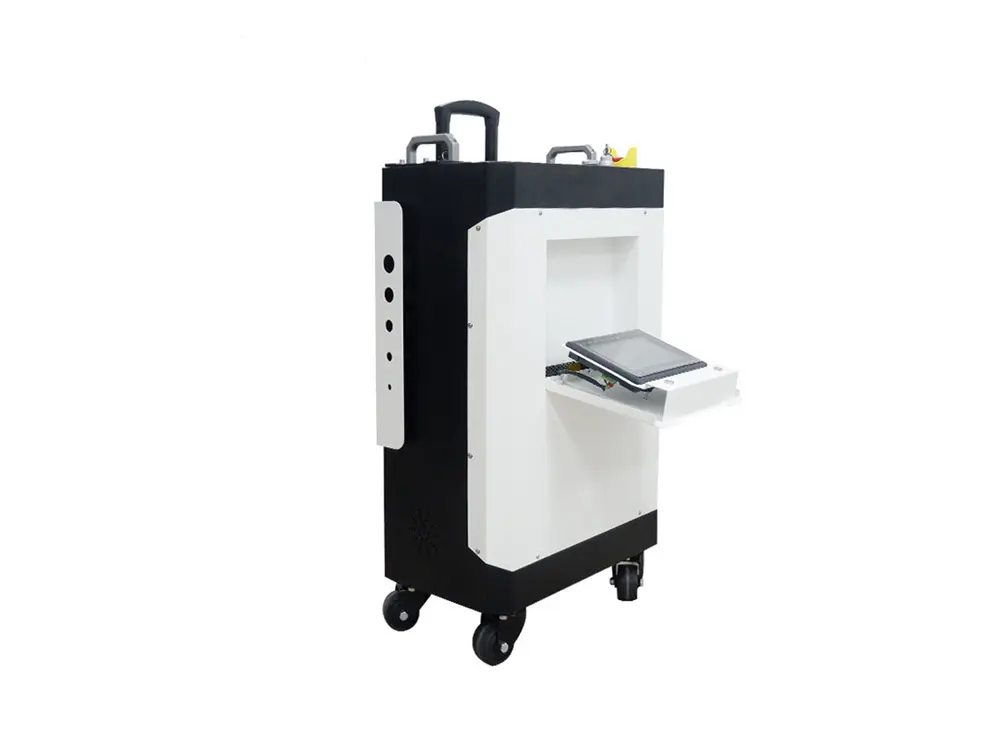
Wintek standard handheld fiber laser cleaning machine seamlessly combines high-quality laser source, control system, handheld cleaning gun, cooling mechanism, and power supply. This design enables operators to perform precise, efficient, and safe cleaning. It works effectively on a wide variety of surfaces, including both industrial metals and non-metallic materials.
The Evaluation Criteria – How We Ranked the Machines

To determine the best handheld fiber laser cleaning machines available in 2026, we evaluated them using several practical criteria based on real industrial applications.
1. Cleaning Efficiency
The primary purpose of a laser cleaning machine is to remove contaminants quickly and effectively. Machines with higher power levels generally provide faster cleaning speeds, especially for thick rust layers and large metal surfaces.
2. Ergonomics of the Cleaning Gun
Operator comfort plays a major role in productivity. If the cleaning gun is too heavy or poorly balanced, operators may experience fatigue during long cleaning tasks.
Key factors include:
- Weight of the handheld gun
- Grip design
- Cooling performance during continuous operation
Well-designed laser cleaning guns allow operators to work for extended periods without discomfort.
3. Laser Source Reliability
The fiber laser source is the most critical component in a laser cleaning machine.
High-quality fiber lasers can operate for up to 100,000 hours, providing long-term stability and reducing maintenance costs.
Reliable laser sources ensure consistent cleaning results and longer machine lifespan.
4. Safety Features
Laser cleaning machines operate with high-energy Class 4 lasers, which makes safety extremely important.
Professional systems typically include:
- Emergency stop buttons
- Dual-trigger safety mechanisms
- Protective grounding systems
- Alarm systems for cooling and power faults
These safety features help ensure safe operation in industrial environments.
5. Price-to-Performance Value
The best laser cleaning machine is not always the most expensive one. Instead, buyers should evaluate the machine based on the balance between performance, reliability, and price.
Machines that deliver high cleaning efficiency with reasonable operating costs offer the best long-term value.
2026 Best Handheld Fiber Laser Cleaning Machine For Sale Reviews
Different industries require different cleaning capabilities. In 2026, handheld fiber laser cleaning machines can generally be divided into three main categories.
The Industrial Powerhouse (1000W–3000W Continuous Laser)
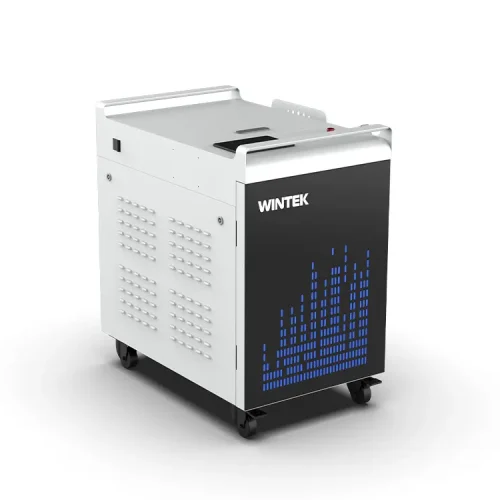
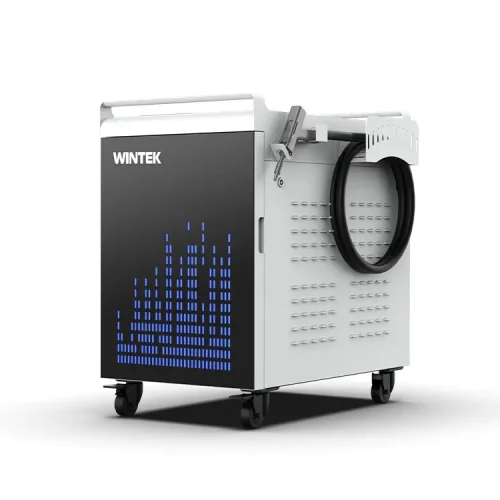
High-power continuous laser cleaners are engineered for heavy-duty industrial cleaning applications. Operating at 1000W to 3000W, these machines produce a strong, continuous laser beam capable of rapidly removing thick rust layers and coatings.
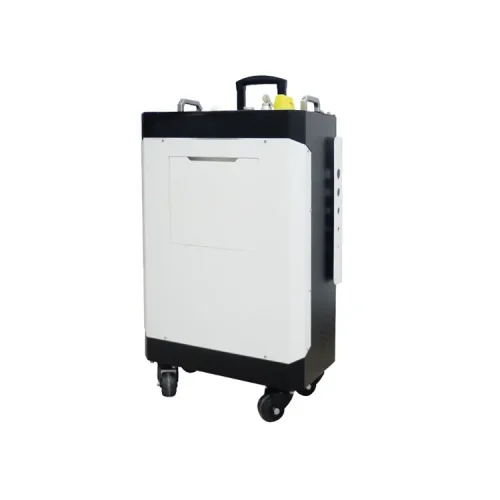
They are widely used for tasks such as steel structure rust removal, ship maintenance, industrial equipment restoration, and heavy machinery cleaning. Due to their high power output, these systems generally require water cooling and are housed in large, wheeled cabinets for easy mobility.
The key advantages of high-power continuous laser cleaners include exceptionally fast cleaning speeds, suitability for large metal surfaces, and the ability to operate continuously for extended periods. However, because they generate heat during operation, care must be taken when cleaning thin or delicate materials to avoid surface damage.
For large-scale projects like bridges, ships, and heavy steel structures, high-power continuous laser cleaners deliver unmatched productivity and reliability, making them the go-to choice for industrial applications.
The Precision Cleaning Expert (100W 200W 300W Pulse Laser)
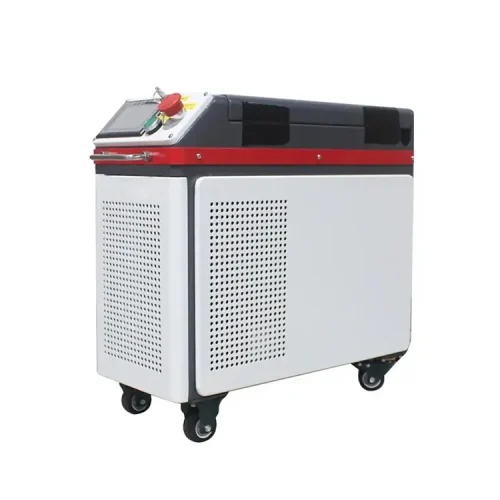
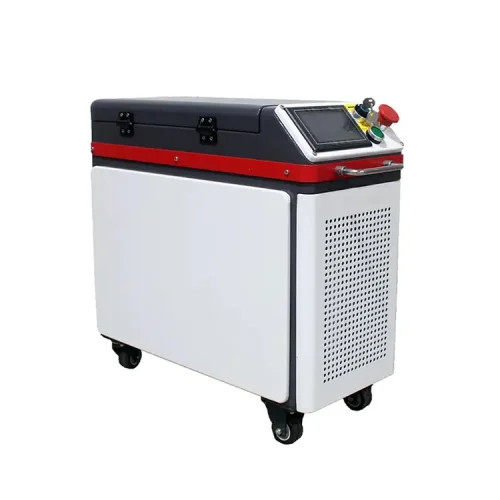
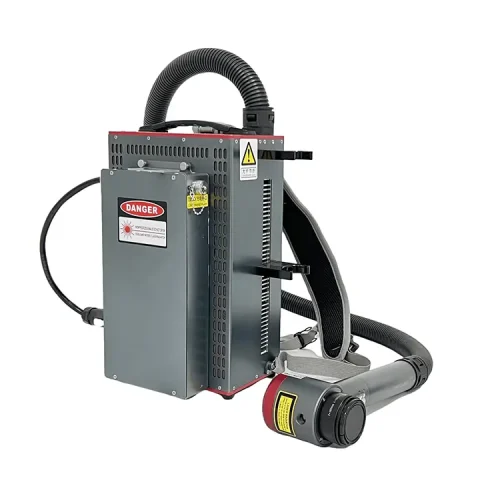

The precision cleaning expert is a lightweight, air-cooled handheld pulse laser designed for high-accuracy surface cleaning. With power settings ranging from 100w to 300w, it delivers controlled bursts of laser energy that efficiently remove rust, paint, grease, and other contaminants without harming the underlying surface.
Air cooling makes the machine highly portable and easy to maneuver, allowing operators to clean in tight spaces or perform on-site tasks without bulky water-cooling systems. This versatility makes it ideal for applications such as precision mold maintenance, aerospace parts, automotive components, and the restoration of antiques or delicate artworks.
Although pulse lasers are slower than high-power continuous lasers and are not suitable for heavy rust or thick coatings, they provide unmatched precision and surface protection. For applications where accuracy, safety, and minimal thermal impact are essential, 100W–300W air-cooled pulse laser cleaners deliver an ideal balance of portability, efficiency, and reliability.
High-Power Pulse Laser Cleaners (500W–1000W)


High-power pulse laser cleaners are designed to bridge the gap between low-power precision pulse systems and high-power continuous wave industrial machines. Operating between 500W and 1000W, these machines deliver higher pulse energy, allowing them to remove thicker rust, paint, and coatings while still maintaining the advantages of pulse laser technology.
Unlike continuous wave lasers, pulse laser cleaners release energy in controlled bursts. This significantly reduces heat transfer to the substrate, helping protect the original surface while effectively removing contaminants. Because of this balance between power and precision, high-power pulse lasers are suitable for applications where both cleaning efficiency and surface protection are important.
These machines are widely used in industries such as automotive manufacturing, mold maintenance, aerospace components, and industrial equipment cleaning. Compared with lower-power pulse systems, they provide faster cleaning speeds and improved performance on moderately heavy rust or thicker coatings.
For users who require stronger cleaning capability than standard pulse lasers but still want to avoid the thermal impact of continuous lasers, 500W–1000W pulse laser cleaners offer an excellent balance of power, precision, and versatility.
Handheld Fiber Laser Cleaning Machine Price Guide 2026
Handheld fiber laser cleaning machine prices vary significantly depending on power level, laser technology, cooling system, and brand configuration. In 2026, most handheld laser cleaners range from a few thousand dollars for entry-level systems to tens of thousands for high-power industrial machines. Understanding these price differences can help buyers choose the right equipment for their specific cleaning applications and budget.
Low-power pulse laser cleaners (100W–300W) for precision cleaning typically cost $3,500 to $6,500. Higher-power pulse systems (500W–1000W) usually range from $9,500 to $22,000. At Wintek, these machines deliver stable performance and precise cleaning. They ensure reliable operation, ideal for mold maintenance, precision components, and delicate surface restoration.
For heavy industrial tasks, continuous laser cleaners efficiently remove rust and coatings. Prices generally range from $2,000 to $5,500. Cost depends on the machine’s configuration and power level. Wintek handheld fiber laser cleaning machines deliver efficient cleaning performance and durable industrial construction. They offer cost-effective and environmentally friendly solutions for metal fabrication, automotive repair, and equipment maintenance.
Conclusion
Handheld fiber laser cleaning machines offer an efficient and environmentally friendly solution for removing rust, paint, grease, and other contaminants. Compared with traditional cleaning methods such as sandblasting or chemical treatments, they provide higher precision, lower operating costs, and better protection for the underlying surface.
Today, handheld laser cleaning technology is widely used across industries, including metal fabrication, automotive repair, equipment maintenance, and mold manufacturing. Their portability and flexibility allow operators to perform cleaning tasks quickly and accurately in a variety of working environments. Wintek handheld laser cleaning machines combine reliable performance, durable construction, and user-friendly design. With a full range of options for different cleaning needs, Wintek provides efficient, cost-effective, and high-quality solutions for industrial and precision surface cleaning.