











In modern manufacturing, companies are expected to produce parts faster while maintaining consistent quality. Traditional welding methods such as MIG and TIG can deliver strong joints, but they often require skilled operators, generate significant heat distortion, and involve time-consuming post-processing. As production demands continue to rise, many companies are turning to laser welding machines as a more efficient and precise alternative.
Laser welding technology is now widely used in industries such as automotive, aerospace, electronics, medical equipment, and sheet metal fabrication. It allows manufacturers to create deep, narrow weld seams with excellent consistency and minimal distortion. Whether used in large factories or small workshops, laser welding machines help improve productivity while delivering stable, high-quality welds.
What Is a Laser Welding Machine?
A laser welding machine uses a highly concentrated laser beam as a heat source to melt and fuse materials. Unlike conventional welding methods that rely on electrical arcs or flames, laser welding focuses energy into an extremely small area, producing deep penetration and minimal thermal distortion.
The process can be performed using handheld guns for flexible operations or automated systems for high-volume production lines. Modern fiber laser welding machines are particularly popular due to their efficiency, low maintenance requirements, and excellent beam quality.
Because the heat-affected zone is very small, laser welding is ideal for precision components and thin materials where traditional welding might cause warping or damage.
Types of Laser Welding Machines
Laser welding machines can be classified in several practical ways depending on how they are used, their structure, and the laser source. In practical industrial applications, the following types are the most common.
1. Handheld Laser Welding Machines
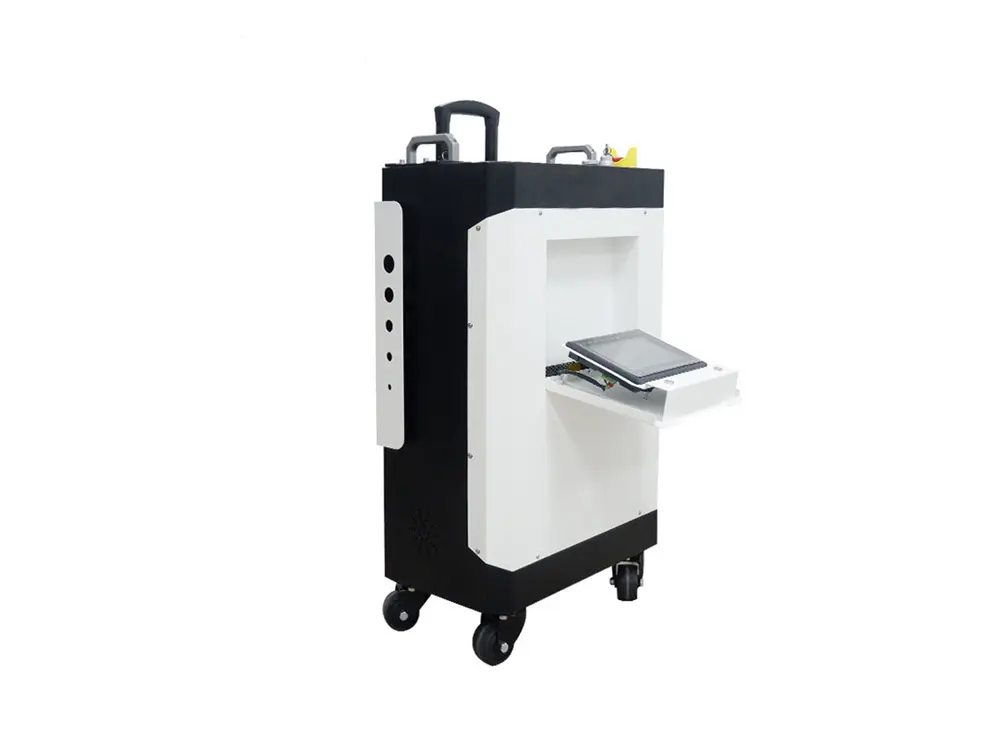
Handheld laser welders are compact, portable systems operated manually with a welding gun connected to the main unit by a fiber cable. They are widely used in small workshops, repair jobs, custom fabrication, and on-site work.
Key features include:
- Flexible operation, short learning curve
- Suitable for thin to medium-thickness metals
- Clean welds with minimal post-processing
- Lower investment compared with large systems
Many small businesses consider handheld units first because the small laser welding machine price is relatively affordable while still offering significant productivity improvements.
2. Desktop Laser Welding Machines
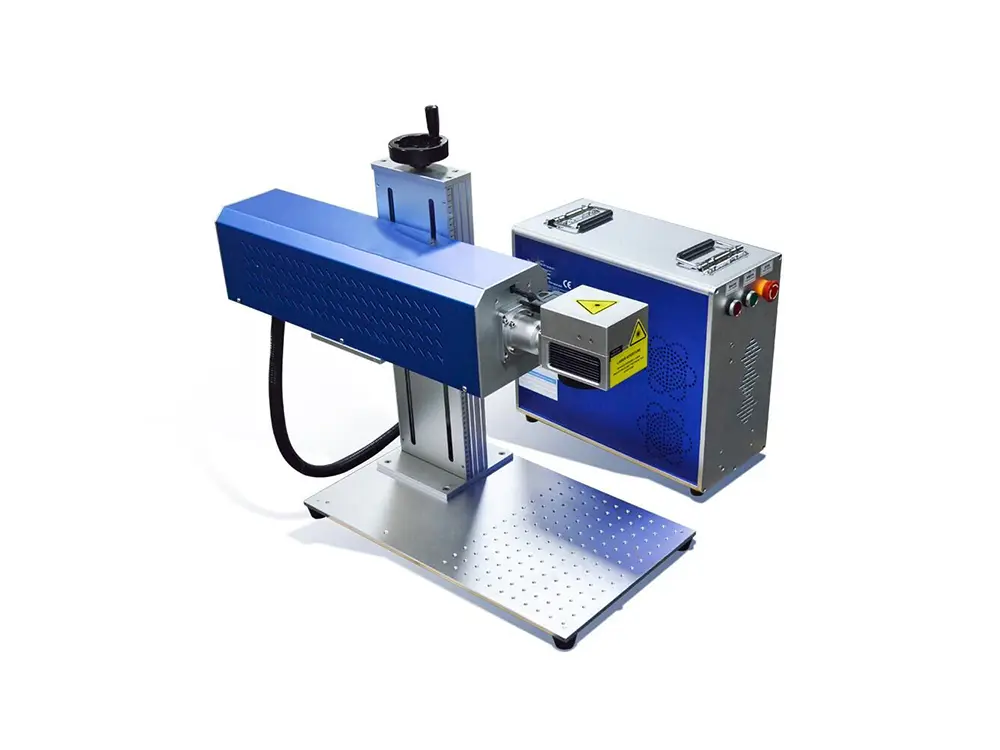
Desktop laser welding machines are compact stationary units placed on a workbench. They are designed for precision welding of small parts. These machines are commonly used in electronics component assembly, jewelry manufacturing, sensor and connector fabrication, medical instrument production, and other precision hardware applications.
They provide high stability and accuracy, ensuring consistent weld quality for small workpieces. However, their size and design limit them to handling only smaller components compared with larger industrial systems.
3. Robotic Laser Welding Machines
Robotic laser welding machines combine a laser source with a programmable robotic arm, allowing precise and repeatable welding of complex parts. They are commonly used for automotive components, large metal assemblies, high-volume production, and parts with intricate geometries.
These systems provide excellent consistency and quality across every weld. However, they require a higher initial investment and technical setup compared with handheld or desktop machines.
Advantages of Laser Welding Machines
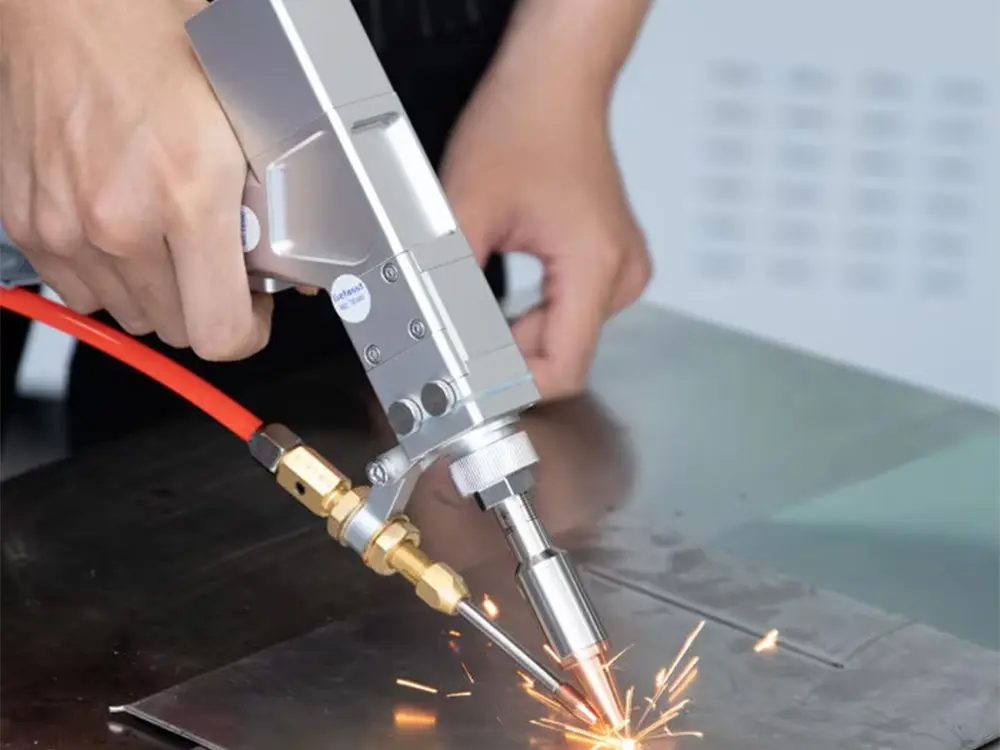
Laser welding machines offer numerous advantages over traditional welding methods, which explains their growing popularity across industries:
1. High Precision and Accuracy
Laser welding provides extremely focused heat, allowing for narrow, deep welds with minimal distortion. This high precision is ideal for delicate components, thin metals, and intricate geometries where traditional welding could cause warping or damage.
2. Minimal Heat-Affected Zone
Because laser energy is concentrated on a very small area, the surrounding material experiences minimal heat exposure. This reduces thermal distortion and preserves the structural integrity of sensitive components.
3. Fast and Efficient Production
Laser welding can achieve faster welding speeds compared to conventional methods. Faster welding speeds help increase production throughput, reduce labor costs, and meet tight production schedules without compromising quality.
4. Clean and Aesthetic Welds
Laser welds are typically clean, with little to no spatter. Many welds require minimal post-processing, saving time and reducing operational costs. This is especially beneficial for industries like jewelry, electronics, and medical devices, where appearance and surface quality are critical.
5. Versatility Across Materials
Laser welding machines can work with a wide variety of metals, including stainless steel, aluminum, copper, and titanium alloys. This versatility allows manufacturers to standardize their welding processes across multiple material types.
6. Energy Efficiency and Lower Operating Costs
Modern fiber laser welding machines typically consume less energy than traditional welding systems, reducing energy costs. Combined with reduced material waste and minimal rework, this makes laser welding an economically attractive option.
7. Adaptable for Different Production Scales
From handheld units suitable for small workshops to robotic systems for high-volume production, laser welding machines can be tailored to the scale and complexity of the manufacturing process. For smaller operations, the small laser welding machine price makes it feasible to implement advanced welding technology without a huge investment.
8. Enhanced Safety
With proper shielding and protective measures, laser welding is generally safer than traditional arc welding. The localized heat reduces the risk of burns and fire hazards, and modern machines often include automated safety interlocks and monitoring systems.
Applications of Laser Welding Machines
Many industries use laser welding machines because they offer high precision, fast welding speeds, and the ability to produce high-quality welds with minimal distortion. Their versatility allows manufacturers to work with different metals and component sizes while maintaining consistent results.
1. Automotive Manufacturing
In the automotive industry, laser welding is commonly used to join body panels, battery components, sensors, and transmission parts. The technology allows manufacturers to create strong, precise welds while maintaining high production speeds. Because the heat-affected zone is very small, laser welding helps reduce material deformation and ensures better dimensional accuracy for critical vehicle components.
2. Electronics and Electrical Components
Laser welding plays an important role in the production of electronic devices and electrical components. It is often used for welding connectors, sensors, micro-components, and battery tabs. The highly focused laser beam allows manufacturers to weld extremely small parts without damaging surrounding materials, making it ideal for delicate assemblies.
3. Medical Device Manufacturing
The medical industry requires extremely clean, precise, and reliable welds. Laser welding machines are frequently used to manufacture surgical instruments, medical implants, and stainless steel medical devices. The process produces smooth weld seams with minimal contamination, which is essential for maintaining strict hygiene and quality standards.
4. Jewelry and Precision Hardware
Laser welding is also widely used in jewelry repair and precision hardware manufacturing. Jewelers use compact laser welders to repair chains, rings, and delicate metal pieces without affecting surrounding areas. The precise control of laser energy allows for detailed work that would be difficult with traditional welding methods.
5. Sheet Metal Fabrication
In sheet metal processing, laser welding machines are used to join stainless steel cabinets, metal enclosures, kitchen equipment, and decorative metal parts. Handheld laser welders are particularly popular in fabrication workshops because they allow operators to weld quickly while producing clean seams that require little finishing work.
Because of these advantages, laser welding machines continue to expand into new manufacturing fields as companies look for faster, more precise, and more efficient welding solutions.
How to Choose a Suitable Small Laser Welder?
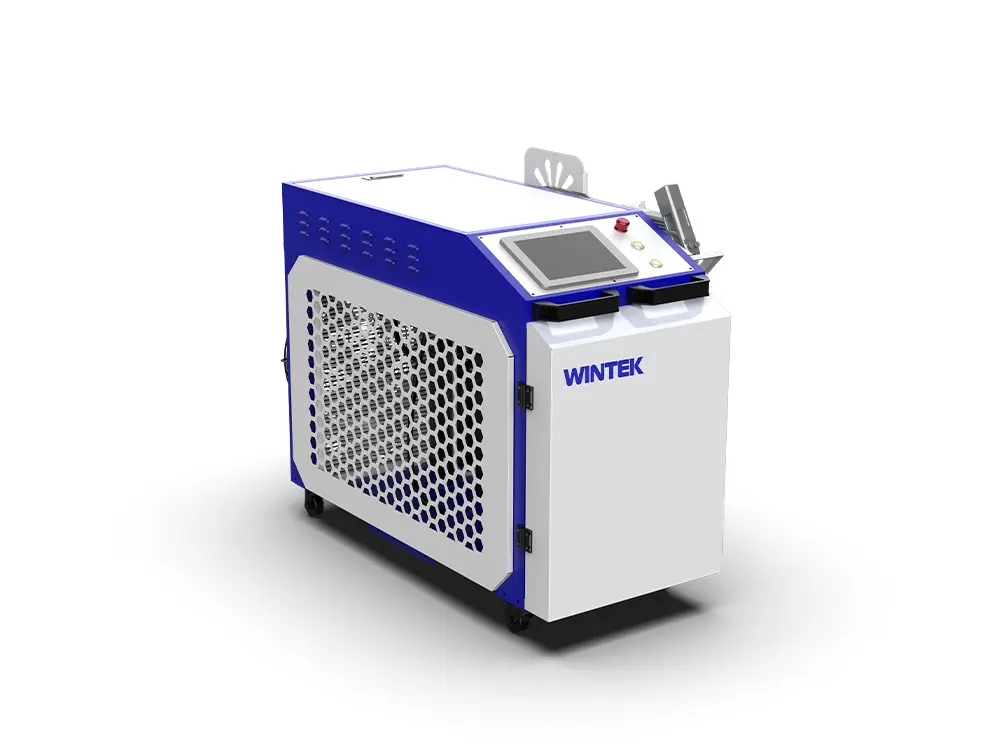
Choosing the right handheld laser welder begins with understanding the materials and thicknesses you typically work with. Metals like stainless steel, aluminum, and copper absorb laser energy differently, so selecting a machine capable of handling these ensures precise, clean welds without warping or damage. Handheld laser welders from Wintek are designed to handle a wide range of metals, providing stable performance even when working with delicate components.
Production volume is another key consideration. Handheld welders are ideal for small workshops, repair jobs, or custom fabrication, offering maximum flexibility and portability. They allow operators to reach tight spaces and perform on-site repairs efficiently, while still delivering high-quality, precise welds for every task.
Budget is an important factor for small businesses. The small laser welding machine price for handheld models typically ranges from a few thousand dollars depending on power level and configuration. This price range makes it accessible for companies looking to upgrade their welding capabilities without a large upfront investment, while still benefiting from professional-grade performance.
Ease of operation is another critical aspect. Wintek handheld laser welders are designed for user-friendly handling, with clear controls and ergonomic design that reduce operator fatigue. Even operators with limited experience can achieve consistent, high-quality welds, making it practical for small teams or repair crews.
Finally, reliable support and maintenance are essential. Wintek provides professional training, technical assistance, and spare parts availability to ensure smooth operation and long-term reliability.
Considering material compatibility, workflow needs, budget, usability, and support helps manufacturers confidently choose a handheld laser welding solution that boosts efficiency and precision while keeping the small laser welding machine price reasonable.
Conclusion
Laser welding machines have become an essential solution for modern manufacturing thanks to their precision, speed, and efficiency. Compared with traditional welding methods, they provide cleaner welds, minimal distortion, and higher productivity across a wide range of industries. For small workshops and fabrication businesses, handheld laser welders offer a practical and flexible solution. Their portability and ease of operation allow operators to perform high-quality welding in various working environments, from fabrication shops to on-site repairs.
With the continuous advancement of fiber laser technology, more companies are adopting handheld laser welding machines to improve production efficiency and welding quality. Working with a reliable manufacturer such as Wintek helps ensure stable performance, technical support, and long-term reliability.