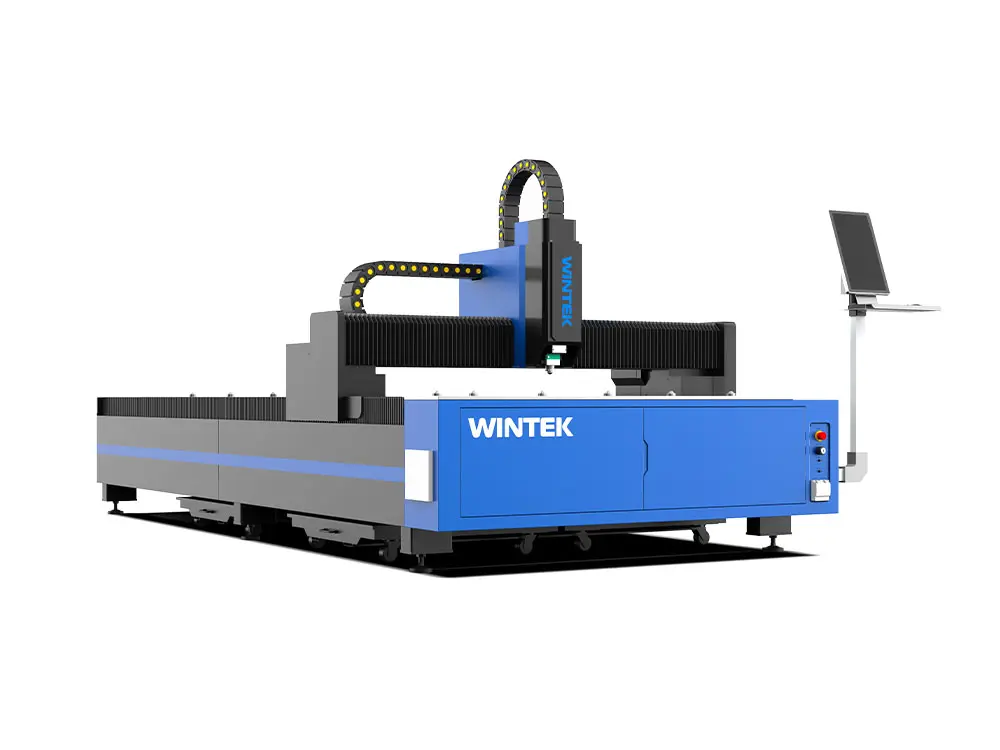
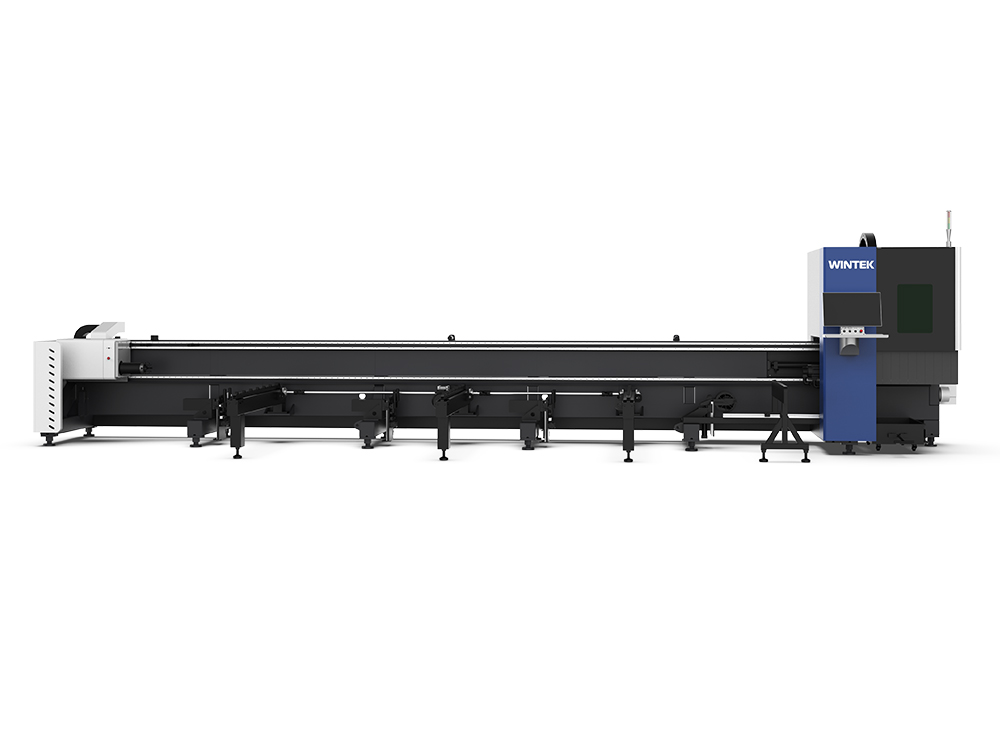
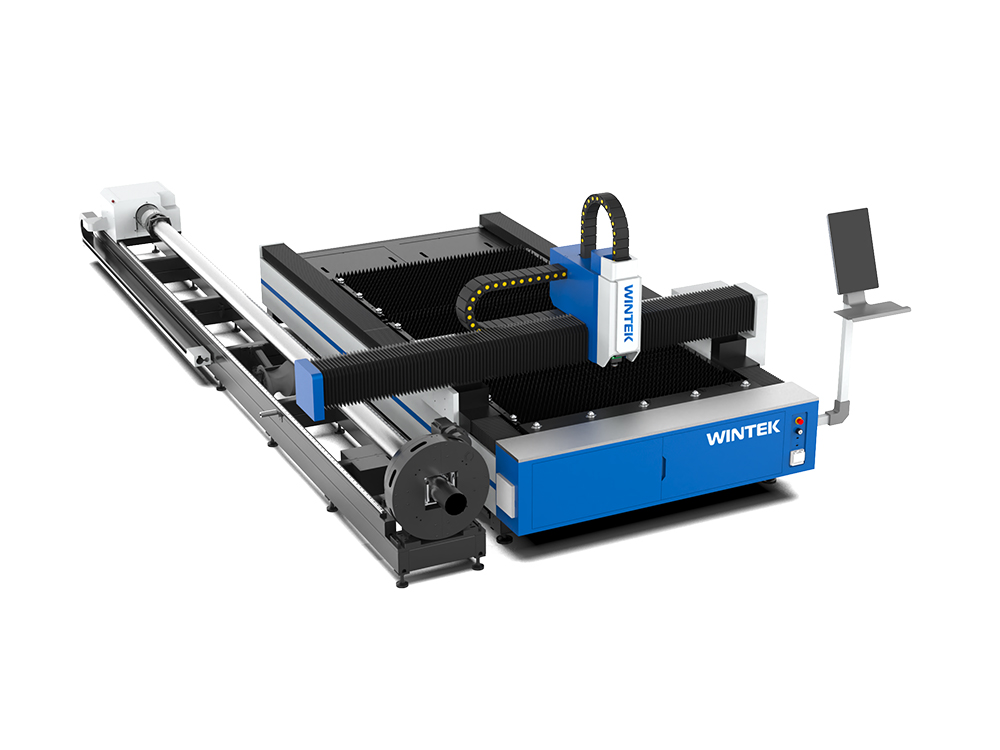

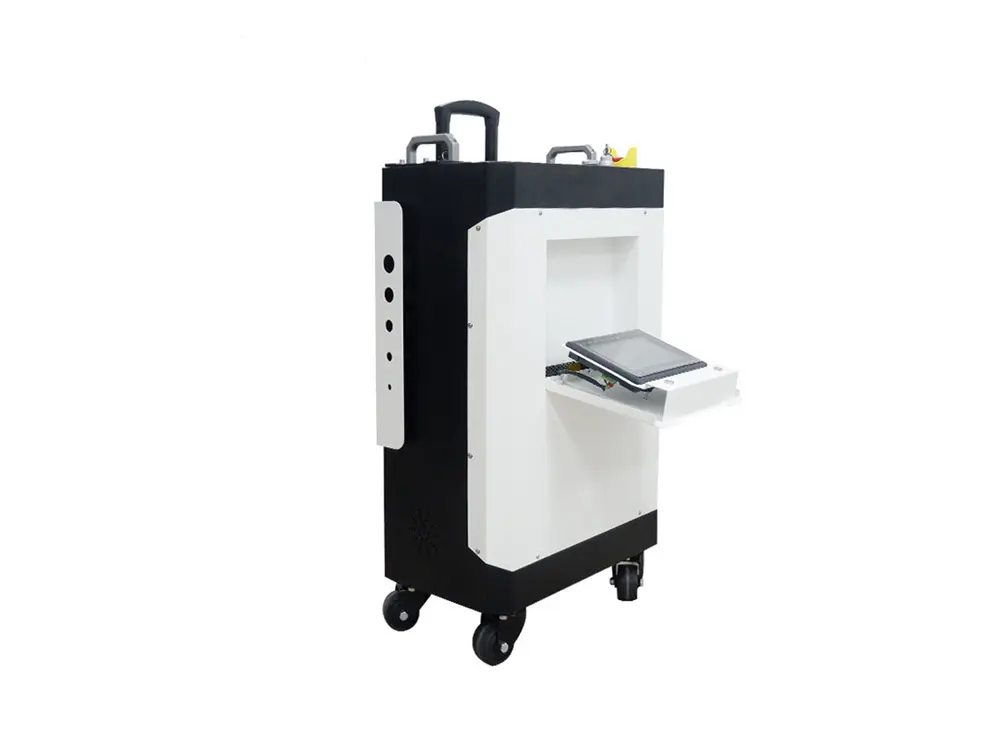
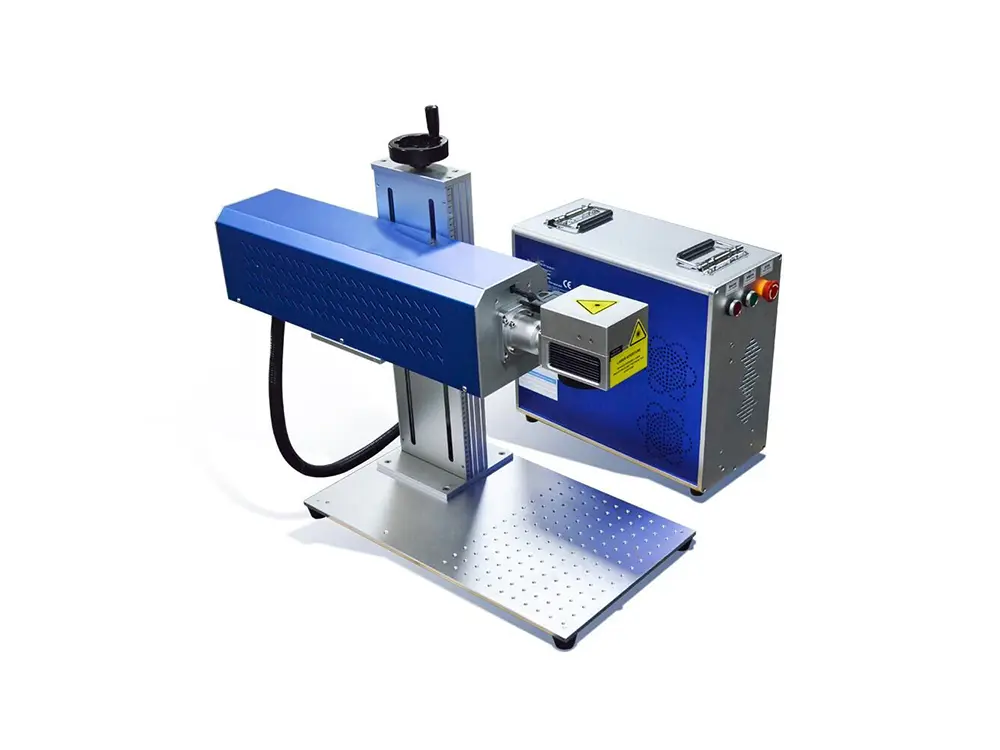











Choosing the right laser source is one of the most critical decisions when investing in a laser steel cutting machine. While machine structure, cutting head, and control system all play important roles, the laser source ultimately defines cutting speed, edge quality, operating efficiency, and long-term stability.
A properly matched laser source delivers consistent performance across different steel types and thicknesses. In contrast, an unsuitable choice can limit productivity, increase scrap rates, and lead to higher maintenance risks over time.
This guide explains how to choose the right laser source for a laser steel cutting machine. It focuses on power selection, application requirements, operating conditions, and the practical characteristics of mainstream laser source brands used in steel cutting.
Why the Laser Source Matters in Steel Cutting

The laser source is the core energy generator of a laser steel cutting machine. It generates the laser beam and transmits it through optical fibers to the cutting head, where it focuses the beam onto the steel surface. The beam’s quality, stability, and power level directly determine cutting performance and process consistency.
A suitable laser source enables faster cutting speeds, smoother cut edges, and more stable processing of thicker steel with reduced dross. It also improves energy efficiency and minimizes downtime caused by output instability or excessive maintenance. For steel cutting applications, long-term output stability often has a greater impact on productivity than peak power alone.
Understand Your Steel Cutting Applications
Before comparing laser source brands or power levels, clearly define the actual production scenarios for your laser steel cutting machine.
Key factors to evaluate include:
- Types of steel: carbon steel, stainless steel, galvanized steel, or alloy steel.
- Typical material thickness range.
- Production volume and daily operating hours.
- Cutting quality and edge finish requirements.
- Budget constraints and expected return on investment.
For example, a workshop cutting thin stainless steel sheets for decorative panels has very different laser source requirements compared with a factory processing thick carbon steel plates for structural components. Defining these parameters early helps avoid overspending on unnecessary power or selecting a source that cannot meet production demands.
Selecting the Appropriate Laser Power for Steel Cutting
Laser power is one of the most visible specifications of a laser steel cutting machine, but higher power is not always the best choice. Selecting the appropriate power level depends on material thickness, cutting speed expectations, and production intensity.
Low Power Range (1KW–3KW)
This power range is suitable for thin to medium steel sheets. It is commonly used for stainless steel up to around 6mm and carbon steel up to around 10mm, depending on cutting speed and quality requirements. Low-power laser sources offer lower initial investment, reduced energy consumption, and simpler operation. They are widely adopted by small and medium-sized workshops focused on sheet metal fabrication, custom orders, and light industrial applications.
Medium Power Range (4KW–6KW)
Medium-power laser sources provide a strong balance between cutting speed and thickness capability. They are widely used in mixed production environments where both thin and moderately thick steel must be processed efficiently within the same workflow. Compared with lower power systems, this range significantly improves productivity on thin materials while offering more stable performance on thicker steel. It is a popular choice for manufacturers seeking flexibility without moving into high-power system costs.
High Power Range (8KW and Above)
High-power laser sources are designed for heavy-duty steel cutting applications. They dramatically increase cutting speed on thick carbon steel and enable stable processing of plates over 20mm. These systems require higher initial investment and more robust machine design, including reinforced structures, advanced cutting heads, and enhanced cooling. However, they deliver substantially higher productivity for industrial-scale steel cutting operations and continuous production lines.
Beam Quality and Output Stability
Beam quality directly affects focusability, kerf width, and cutting precision. A laser source with stable, high-quality beam output ensures consistent edge quality and predictable cutting results across long production runs.
For a laser steel cutting machine, stable long-term output is often more critical than peak power ratings. Fluctuations in laser output can lead to uneven cuts, increased scrap rates, frequent parameter adjustments, and reduced overall efficiency. In industrial environments, consistency is a key factor in maintaining production reliability.
Overview of Common Laser Source Brands for Steel Cutting
Below is a practical, experience-based overview of commonly used laser source brands for laser steel cutting machines. Rather than ranking brands by price or popularity alone, this comparison focuses on performance stability, power coverage, application suitability, and long-term operating characteristics in real production environments.
Max Laser Source
Max laser sources are widely adopted in laser steel cutting machines thanks to their broad power range, mature product lineup, and competitive cost-performance ratio. They are commonly used in applications ranging from thin sheet processing to medium and thick carbon steel cutting.
In practical operation, Max laser sources provide stable output for general industrial cutting and are well-suited for workshops and manufacturers that prioritize balanced performance, availability, and cost control. They are often selected for standard production lines where cutting efficiency and operating cost must be carefully balanced.
Raycus Laser Source
Raycus laser sources are frequently adopted in medium and high-power laser steel cutting machines, particularly in environments requiring long operating hours and continuous production.
They are commonly selected for carbon steel and stainless steel cutting where consistent cutting quality and reliable long-term operation are essential. Their wide industrial adoption makes them a proven choice for manufacturers seeking predictable performance and established market support.
Reci Laser Source
Reci laser sources are typically chosen for cost-sensitive laser steel cutting solutions. They are often applied in entry-level and mid-range machines used by small workshops, startups, or businesses with light industrial cutting requirements.
While they are not focused on the highest power segments, Reci laser sources are suitable for thin to medium steel cutting and non-continuous production environments. For users prioritizing initial investment control and basic cutting capability, they offer a practical and economical option.
IPG Laser Source
IPG laser sources are recognized for excellent beam quality, high electro-optical efficiency, and outstanding long-term stability. They are commonly used in high-end laser steel cutting machines where cutting precision, speed, and reliability are critical.
IPG systems perform particularly well in thick steel cutting, high-speed processing, and demanding production conditions. Their advanced thermal management and consistent beam characteristics make them suitable for automated production lines and manufacturers with strict quality standards.
JPT Laser Source
JPT laser sources stand out for their precise energy control, high stability, and strong adaptability in laser steel cutting machines. Manufacturers often choose JPT for applications that demand fine cutting edges, controlled heat input, and consistent performance across varying materials and thickness.
They are well-suited for precision-oriented setups, thin to medium steel cutting, and applications involving complex geometries where control accuracy and adaptability are prioritized over maximum cutting speed.
Matching the Laser Source to the Machine Design
A laser source should never be selected in isolation. It must be compatible with the cutting head, optical components, control software, and overall machine structure.
Higher power laser sources, for example, require cutting heads with appropriate optics and cooling, as well as stable mechanical structures capable of handling increased cutting speed and thermal load. Proper system integration ensures that the laser source can perform reliably without compromising machine lifespan or cutting quality.
Energy Efficiency and Total Operating Cost
While initial purchase price is an important consideration, long-term operating cost often has a greater impact on overall profitability. A more efficient laser source can significantly reduce electricity consumption and cooling costs over time.
For laser steel cutting machines operating multiple shifts per day, energy efficiency, output stability, and reliability play a decisive role in total cost of ownership and return on investment.
Service, Support, and Spare Parts Availability
Technical support, spare parts availability, and service response time should also influence laser source selection. A reliable laser source supported by accessible service networks reduces downtime and protects production schedules.
This factor is especially critical for manufacturers operating laser steel cutting machines. High-volume and time-sensitive production environments make unexpected downtime extremely costly.
Conclusion
Choosing the right laser source for a laser steel cutting machine is ultimately about balance. The ideal solution aligns power level, beam quality, operating stability, cost, and brand reliability with real production requirements.
Rather than focusing solely on brand reputation or maximum power, buyers should evaluate how different laser source brands perform in their specific steel cutting applications. At Wintek, we emphasize matching source characteristics to real-world cutting scenarios rather than chasing headline power figures.
A properly selected laser source improves cutting quality, enhances productivity, and ensures stable, reliable operation over the long term. That’s why Wintek supports customers with comprehensive comparisons of laser source brands and technologies, helping them identify the best fit for their needs.
By understanding application requirements, manufacturers can compare brands, technologies, and performance characteristics objectively. This allows them to choose a laser source that ensures efficient, stable, and consistent steel cutting for years.