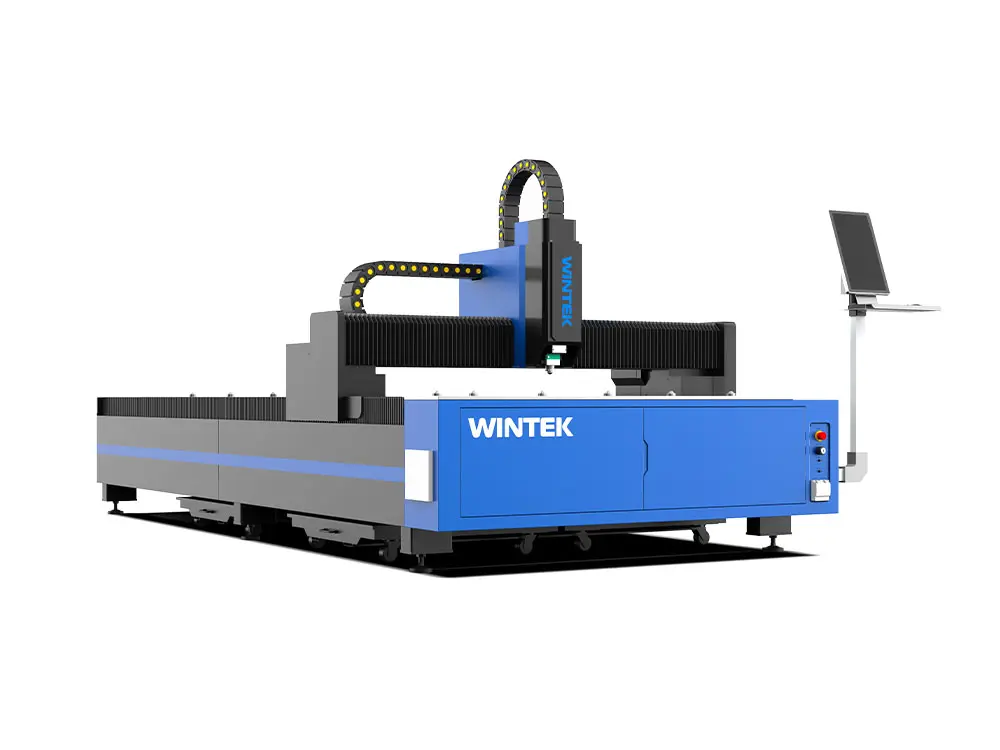
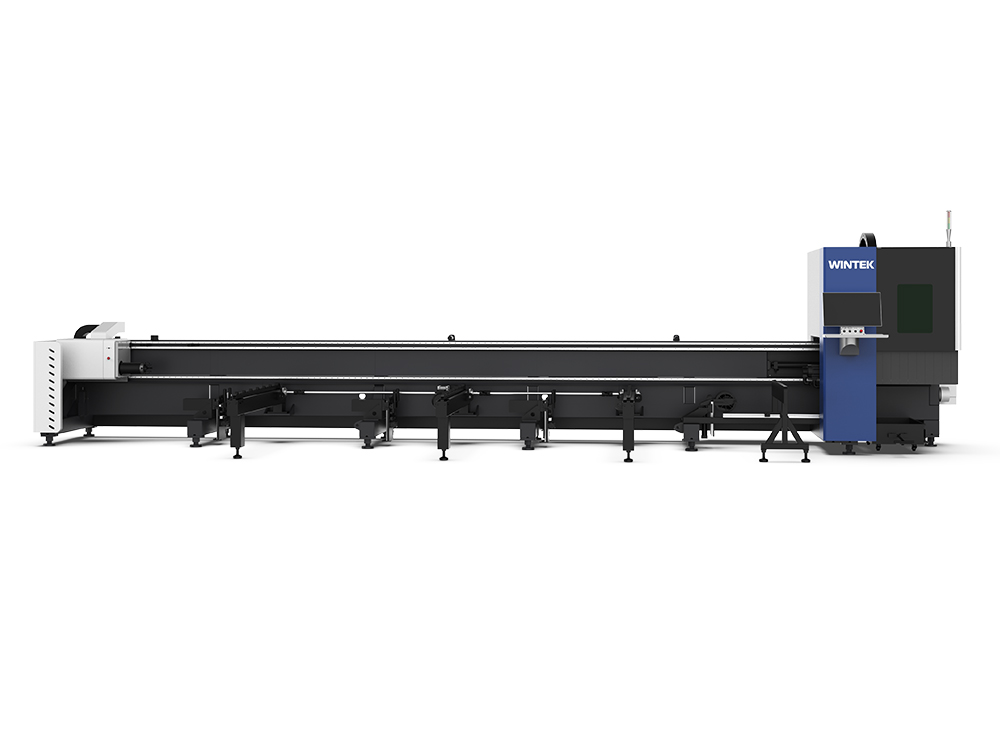
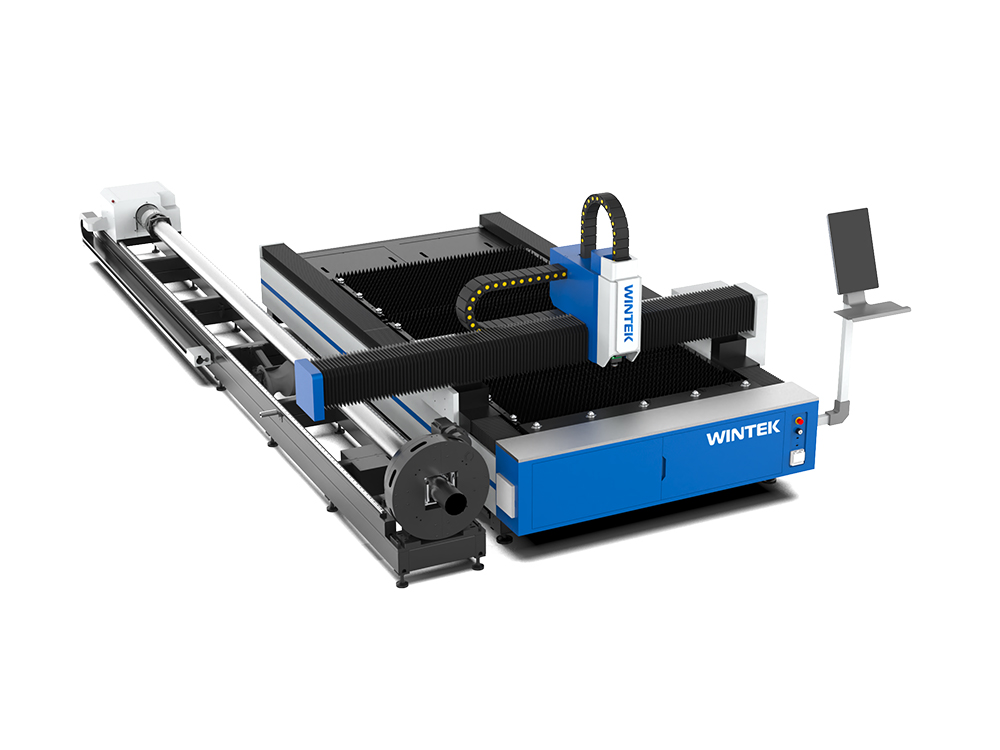

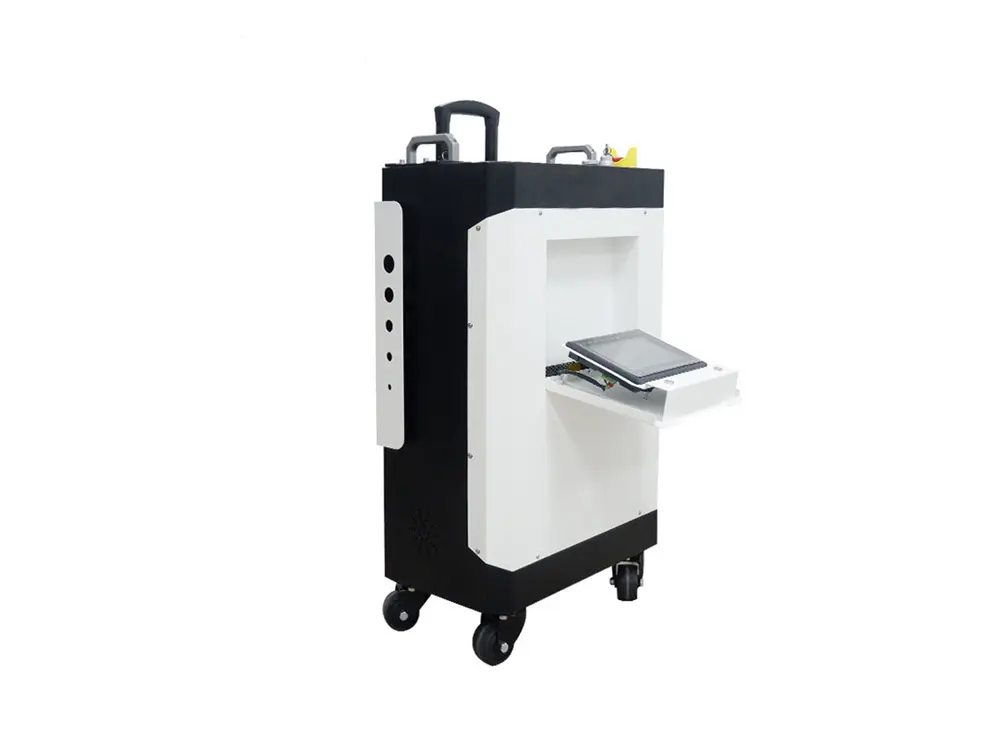
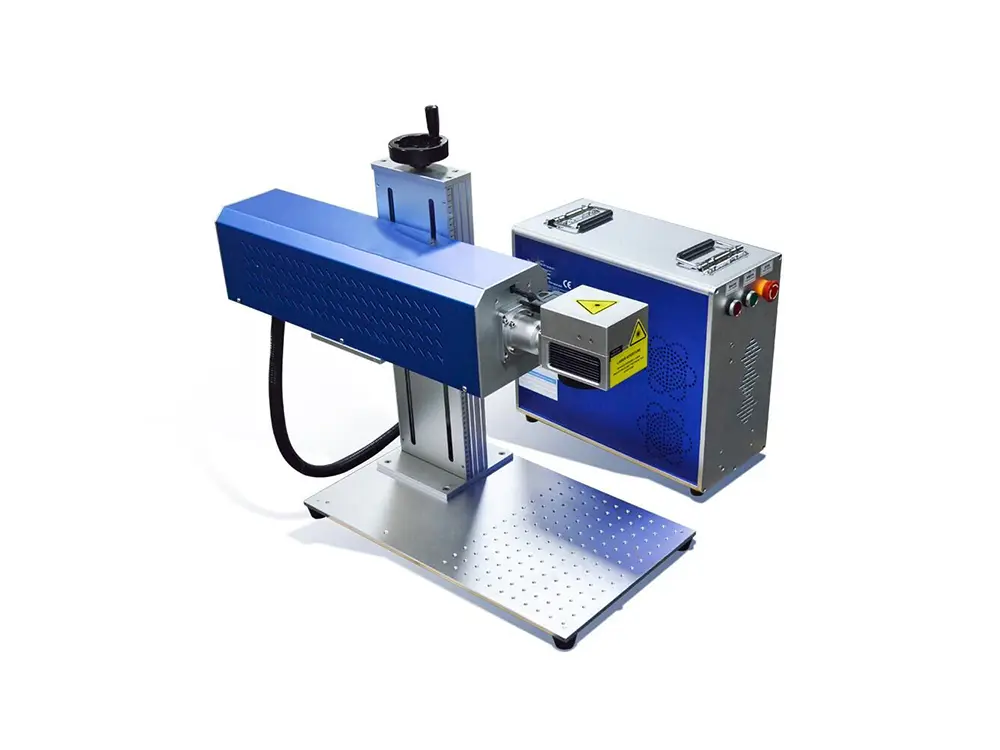











Fiber optic laser cutting machines have become indispensable equipment in modern metal fabrication, offering high precision, efficiency, and long-term operational stability. However, during winter, especially in regions with low ambient temperatures, these advanced machines face a serious but often underestimated risk of freezing damage. If proper preventive measures are not taken, frozen cooling systems and pipelines can crack, leading to expensive repairs, extended downtime, and irreversible damage to critical components.
This article provides a comprehensive guide on how to protect fiber laser cutting machines from freezing damage during winter, helping manufacturers ensure production stability and protect their equipment.
Why Winter Freezing Is a Risk for Fiber Optic Laser Cutting Machines
Unlike traditional mechanical cutting equipment, a fiber optic laser cutting machine relies heavily on a stable thermal management system. The laser source, cutting head, and optical components all generate significant heat during operation and must be cooled continuously using a closed-loop water cooling system.
When ambient temperatures fall below freezing, the coolant inside pipelines, chillers, and internal channels may freeze and expand. This expansion creates internal pressure that can rupture pipes, fittings, or internal chiller components. Even minor cracks may lead to coolant leakage, unstable cooling performance, or sudden system shutdown once the machine resumes operation.
In many cases, freezing damage is not immediately visible. Problems often appear only after the fiber optic laser cutting machine is restarted, increasing repair difficulty and maintenance costs.
Components Most Vulnerable to Freezing Damage
Understanding which parts of a fiber optic laser cutting machine are most susceptible to freezing is essential for effective winter protection.
Cooling water pipelines, both external and internal, represent the most common failure points during winter. Pipes installed near workshop entrances, exterior walls, or ventilation openings are especially susceptible to localized freezing. Once frozen, expanding ice can cause cracks or joint failures, leading to coolant leakage and system instability.
Industrial water chillers contain narrow flow channels and heat exchangers that are highly sensitive to freezing. Ice formation inside these components can result in internal structural damage, often making full chiller replacement necessary rather than simple repair.
Modern laser cutting heads use water cooling to stabilize optical components and maintain cutting accuracy. Freezing in these channels can cause deformation, leakage, or optical misalignment, directly impacting cutting quality and machine reliability.
High-power fiber optic laser cutting machines require precise temperature control of the laser source to ensure stable output and long service life. Any interruption or instability in the cooling system caused by freezing can significantly reduce laser performance and shorten the lifespan of the laser source.
Workshop Environment Requirements During Winter

Effective winter protection starts with the operating environment.
The workshop temperature should be kept above 5°C (41°F) at all times, including overnight and during weekends. Short-term freezing conditions are sufficient to damage cooling systems if water remains inside the machine.
Avoid placing a fiber optic laser cutting machine near large doors, loading bays, or poorly insulated exterior walls. Cold air infiltration can significantly lower localized temperatures, even when the general workshop environment appears warm.
Stable, continuous heating is far safer than frequent temperature fluctuations, which can cause condensation inside electrical cabinets and optical components.
Cooling System Protection: The Most Critical Measure
1. Proper Use of Antifreeze
Replacing pure water with a suitable antifreeze solution is one of the most effective ways to protect a fiber optic laser cutting machine during winter. Antifreeze lowers the freezing point of the coolant and helps prevent internal corrosion within the cooling system.
When using antifreeze, it is important to select products compatible with laser equipment cooling systems, follow the recommended mixing ratios carefully, and avoid mixing different antifreeze brands or formulations. Experienced manufacturers such as Wintek Laser typically provide clear guidance on antifreeze selection, ensuring reliable winter protection without compromising cooling efficiency.
| Ambient Temperature | Antifreeze : Water Ratio |
| 2°C – 5°C | 2 : 8 to 2 : 5 (20% : 80% to 20% : 50%) |
| 12°C – 15°C | 3 : 7 (30% : 70%) |
| 22°C – 25°C | 4 : 6 (40% : 60%) |
| 32°C – 35°C | 5 : 5 (50% : 50%) |
| 42°C – 45°C | 6 : 4 (60% : 40%) |
Note: Higher antifreeze concentrations provide stronger freeze protection but may reduce heat transfer efficiency. Always balance freeze resistance with cooling performance and follow equipment recommendations.
2. Regular Chiller Inspection
Before winter begins, thoroughly inspect the chiller system:
- Confirm correct temperature setpoints.
- Check coolant flow rate and pressure.
- Test alarms and safety protection functions.
During winter operation, monitor coolant temperature closely. Sudden fluctuations may indicate partial freezing or restricted flow inside the system.
Winter Startup and Shutdown Guidelines
Daily operating practices are critical for preventing freezing-related damage to a fiber optic laser cutting machine. Before starting the machine, ensure the coolant temperature is above the minimum safe level, verify normal water flow and stable pressure, and allow the system to warm up gradually before high-power cutting. Never force operation if cooling alarms are triggered, as this can worsen existing freezing damage.
If the machine will remain idle overnight or for several days, maintain workshop heating whenever possible and keep the chiller running in standby mode if recommended by the manufacturer. Proper shutdown and short-term idle precautions help protect the cooling system and maintain long-term machine reliability.
Long-Term Shutdown and Holiday Protection
During long production breaks, such as winter holidays, freezing risk increases significantly.
Manufacturers generally choose between two approaches:
- Drain the cooling system completely, ensuring no water remains in pipes or components.
- Fill the system with properly mixed antifreeze, maintaining minimum temperature protection.
Draining requires careful execution to avoid leaving trapped water in low points or internal channels. Antifreeze is often the safer option for complex systems.
Disconnecting power alone is not sufficient protection if water remains inside the machine.
Common Winter Protection Mistakes to Avoid
Many freezing-related issues with fiber optic laser cutting machines occur due to common mistakes in winter protection. Key mistakes to avoid include:
1. Assuming short-term cold exposure is harmless
Even brief drops below freezing can cause ice formation in cooling pipelines or the chiller, leading to cracks and system failures.
2. Relying solely on antifreeze
Antifreeze alone cannot prevent localized freezing in areas near workshop doors, exterior walls, or ventilation openings. Exposed pipes and components should also be properly insulated.
3. Neglecting stable workshop temperatures
Allowing temperature fluctuations can result in condensation or ice inside electrical cabinets and optical assemblies, affecting machine reliability.
4. Restarting without inspection
Powering on the machine immediately after exposure to freezing conditions can worsen existing damage and compromise the cooling system, laser source, or cutting head.
By avoiding these mistakes, manufacturers can significantly reduce winter-related downtime and protect the long-term performance of their fiber optic laser cutting machines.
Conclusion
Winter can be tough on a fiber optic laser cutting machine, and preventing freezing or damage requires more than a single precaution. Keeping the workshop at a stable temperature, using the right coolant, insulating pipelines, and following proper operating procedures all play an important role in protecting the machine.
Taking these steps not only helps reduce maintenance costs and extend the machine’s lifespan, but also keeps cutting performance consistent. With simple yet effective winter measures recommended by experienced manufacturers like Wintek Laser, a fiber optic laser cutting machine can stay safe and reliable even in the coldest conditions.
By following these precautions, your fiber optic laser cutting machine can keep running smoothly and efficiently throughout winter, ready for production whenever you need it.