











In the world of modern metal fabrication, precision, speed, and efficiency are key to maintaining a competitive edge. Among the various cutting methods available today, plasma cutting and laser cutting are two of the most widely used technologies. Each method offers unique benefits and is suitable for different applications and materials.
But when it comes to choosing the right one for your business or workshop, a critical question arises: Which one cuts metal better—plasma cutting or laser cutting? This article provides an in-depth comparison of both methods, including how they work, their advantages and limitations, and the types of projects they’re best suited for.
How Plasma Cutting Works
Plasma cutting uses a high-velocity jet of ionized gas—commonly referred to as plasma—to cut through electrically conductive materials. This includes metals such as steel, stainless steel, and aluminum.
The plasma cutter creates an electric arc between an electrode and the workpiece. The arc ionizes the gas, creating plasma. The high-speed plasma jet melts the metal, and the force of the gas blows the molten material away from the cut.

How Laser Cutting Works
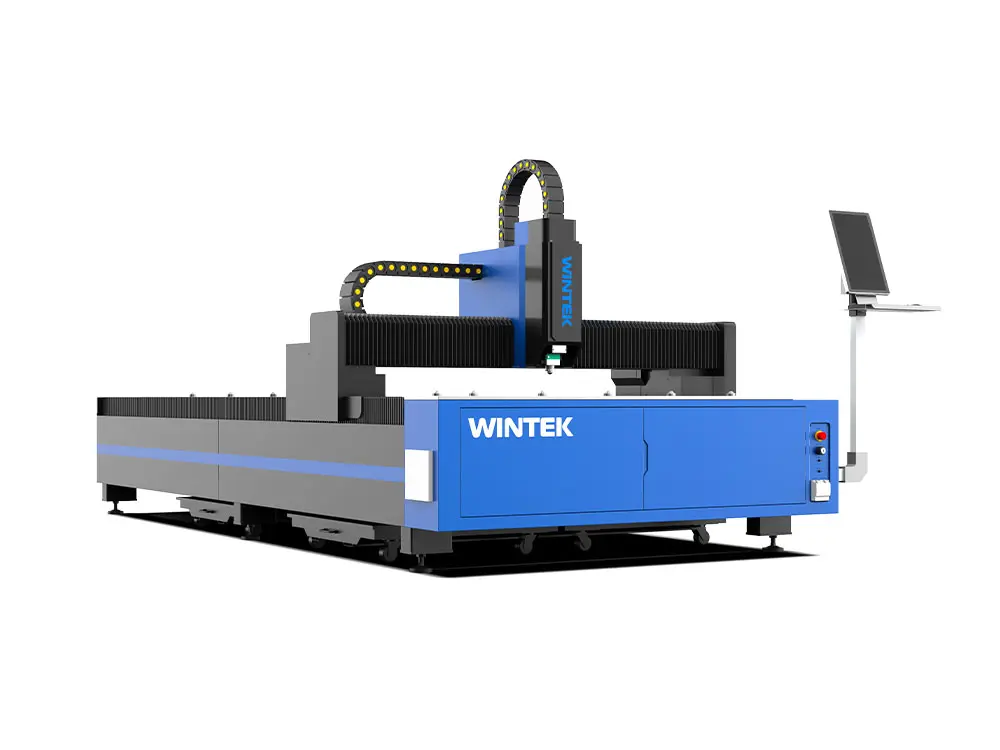
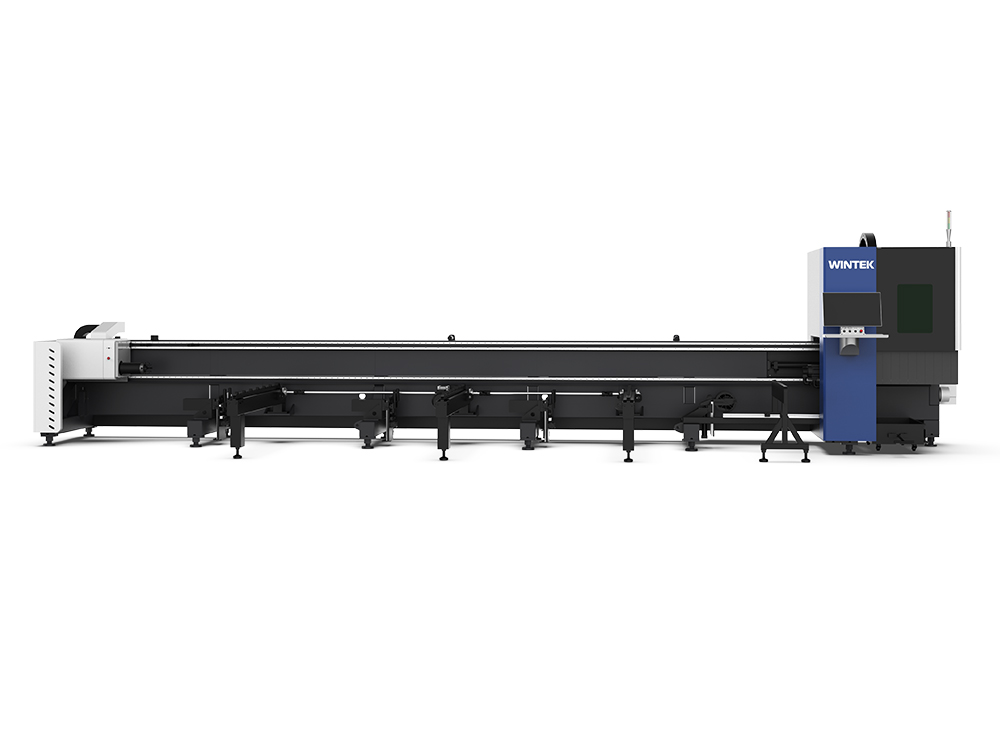
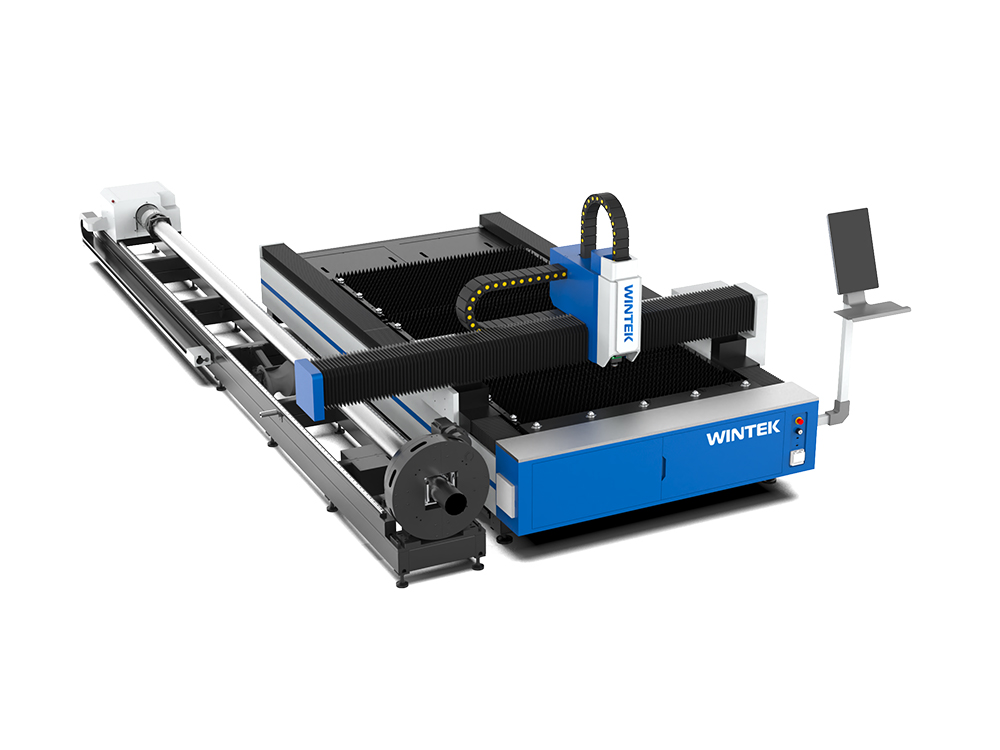
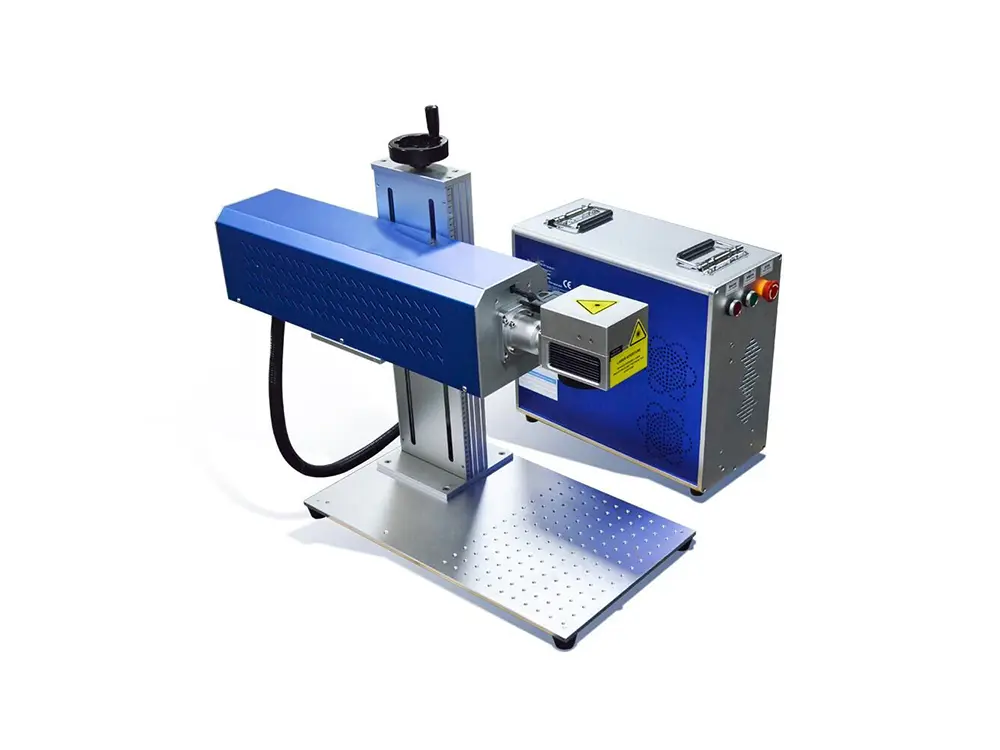
Laser cutting, on the other hand, utilizes a focused beam of light (a laser) to melt, burn, or vaporize metal. The energy from the laser is directed through lenses or mirrors, achieving extremely high precision in cutting.
There are several types of lasers used for cutting:
- CO₂ lasers: Suitable for non-metallic and metallic materials.
- Fiber lasers: Ideal for metal cutting due to their power, efficiency, and precision.
- YAG lasers: Less common today but still used in some applications.
Material Compatibility
Plasma Cutting:
- Suitable for metals like stainless steel, mild steel, and aluminum.
- Not suitable for plastics, wood, or non-conductive materials.
Laser Cutting:
- Effective on both metal and non-metal materials (with different laser types)
- Fiber lasers specialize in cutting metals (carbon steel, stainless steel, aluminum, brass, copper)
- Works best on clean, flat, and reflective surfaces.
Cutting Thickness
One of the main differences between plasma and laser cutting is their performance with different material thicknesses.
Plasma cutting excels at cutting thicker materials, often from 8 mm up to over 50 mm in mild steel, depending on the machine’s power.
Laser cutting is best for thin to medium thickness metals, generally up to 25 mm, with high precision.
For very thick components, plasma cutting is more cost-effective but slower and less precise. For thin to medium-thickness sheets, laser cutting delivers cleaner edges and finer details.
Cutting Precision and Quality
Laser cutting delivers superior edge quality and higher precision than plasma cutting. The laser beam is extremely narrow, allowing for tight tolerances and intricate patterns, making it ideal for detailed work.
Plasma cut kerfs (cut width) tend to be wider and the edges may be rougher. This is especially true for thinner materials where the heat-affected zone (HAZ) is more prominent.
Speed and Productivity
When speed is a priority, both plasma and laser cutting can deliver impressive results, but their efficiency varies depending on material thickness.
Plasma cutting is generally faster for thick metals. With high-power industrial plasma systems, operators can slice through heavy steel plates quickly, making it ideal for structural work and large-scale fabrication.
Laser cutting maintains high cutting speeds on thin and medium-thickness materials, often outperforming plasma in these ranges due to its precise beam and minimal resistance.
In high-volume manufacturing, laser systems integrated with automated loading and unloading can run continuously, delivering exceptional productivity for parts requiring tight tolerances.
Operational Costs
Cost considerations go beyond the purchase price of the machine. They include consumables, energy usage, maintenance, and operator training.
Plasma cutting machines typically have a lower initial investment compared to industrial-grade laser cutters. Consumables such as electrodes and nozzles are relatively inexpensive, but they need periodic replacement. Energy consumption can be higher than that of a fiber laser.
Laser cutting systems, especially fiber lasers, often have a higher upfront cost but lower ongoing maintenance needs. Fiber lasers are energy-efficient, have fewer consumable parts, and offer longer service life for the cutting head components.
Ease of Use and Training
Modern plasma cutters are user-friendly, and operators can be trained relatively quickly. The process is forgiving for less-than-perfect material preparation, such as slightly dirty or painted surfaces.
Laser cutting cutters require a higher level of precision in setup and maintenance, and operators may need more specialized training. The advantage is that once the system is configured, CNC automation makes production highly repeatable with minimal manual intervention.
Safety Considerations
Both plasma and laser cutting involve high temperatures and potential hazards, so proper safety measures are essential.
Plasma cutting produces intense UV radiation, sparks, and fumes, requiring protective gear and adequate ventilation.
Laser cutting presents risks from the laser beam and reflected light, so safety enclosures, interlocks, and protective eyewear rated for the specific laser wavelength are necessary.
For either method, compliance with workplace safety regulations protects both operators and equipment.
Environmental Impact
Fiber laser cutting is often considered more environmentally friendly than plasma cutting due to its lower energy consumption and reduced waste. The narrow kerf and high precision reduce scrap rates, while the lack of direct contact with the material minimizes the need for rework. Plasma cutting generates more heat-affected zones, more fume emissions, and requires consumable part replacements more frequently.
Plasma Cutting Vs Laser Cutting: Choosing the Right Method for You
The decision between plasma and laser cutting depends on your specific priorities:
- If you work primarily with thick metal plates and need a cost-effective solution for heavy fabrication, plasma cutting is the practical choice.
- If you require high precision, fine details, and clean edges for thin to medium materials, laser cutting is the superior option.
- If your projects involve large, structural components where speed outweighs ultra-fine accuracy, plasma cutting delivers faster results at a lower upfront cost.
- If your business focuses on precision manufacturing such as aerospace, electronics, or custom metalwork, laser cutting offers tighter tolerances and minimal post-processing.
- If your workflow includes dirty, painted, or rusted metals, plasma cutting is more forgiving of surface conditions.
- If you need versatility to cut both metals and certain non-metals with the same system, laser cutting (with the appropriate laser source) is the better fit.
Conclusion
Both plasma and laser cutting have proven their value in modern metal fabrication. Plasma excels in heavy-duty applications where material thickness and cost-effectiveness matter most. Laser cutting dominates in precision-driven industries such as aerospace, electronics, and custom metalwork, where accuracy and clean edges are non-negotiable.
By evaluating your typical project sizes, materials, and quality requirements, you can make an informed investment that delivers the best return for your business—whether that’s plasma, laser, or a strategic blend of both.