
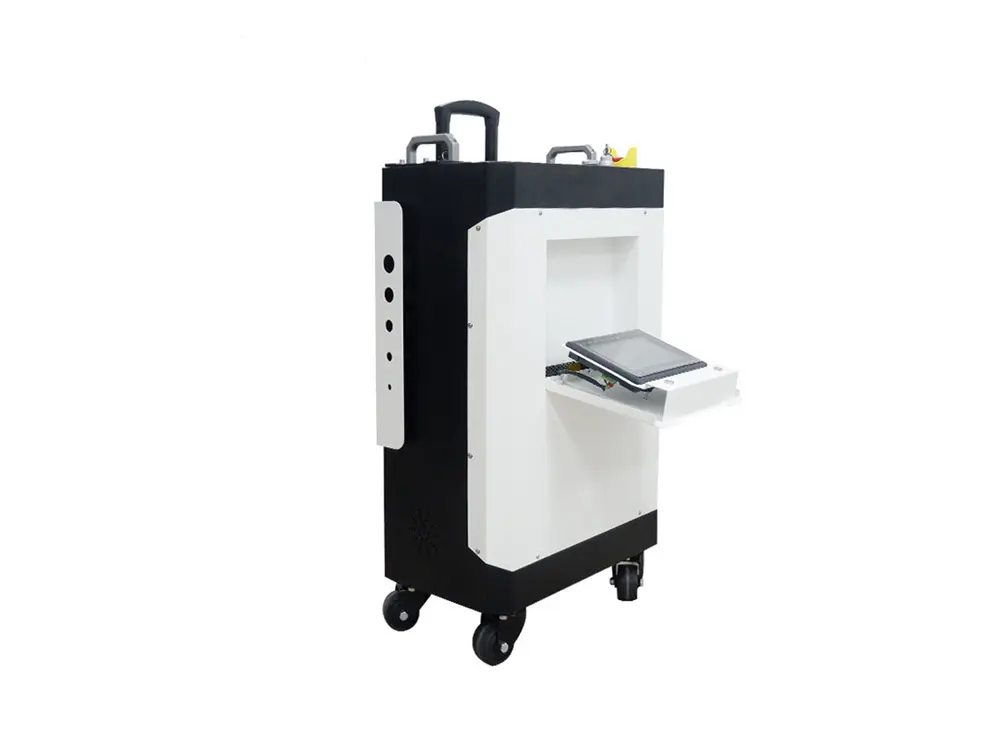
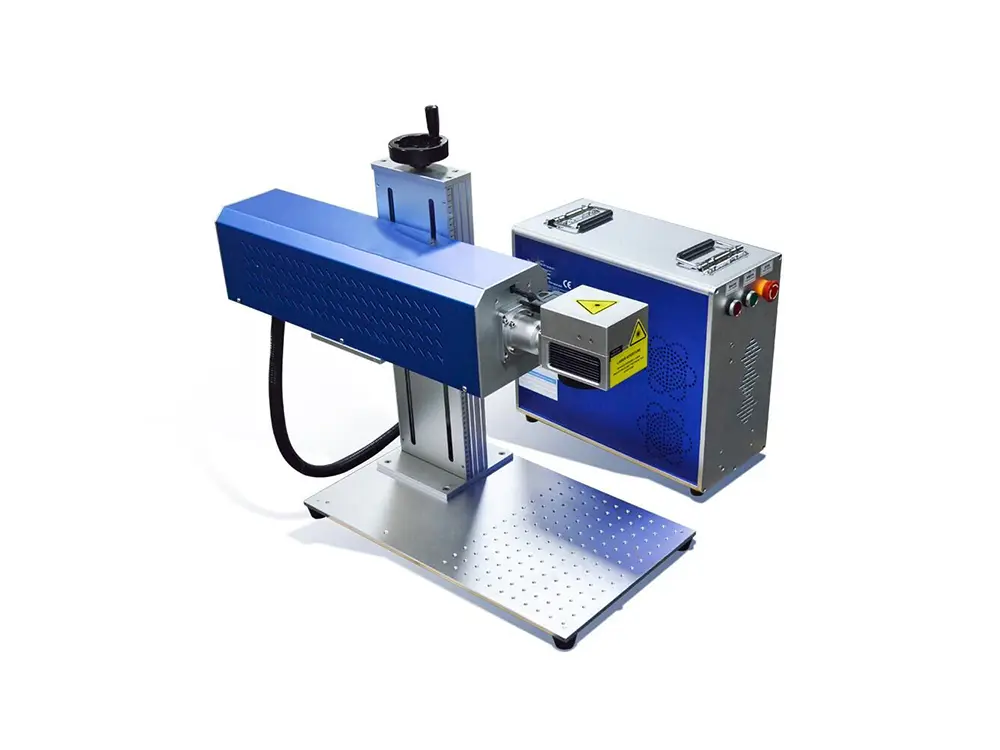











Laser rust removal has become an advanced and efficient solution for industrial metal maintenance and restoration. Traditional rust removal methods such as sandblasting, chemical treatments, and mechanical scraping are often labor-intensive, time-consuming, or environmentally harmful. In contrast, a laser rust removal machine can clean metal surfaces quickly, safely, and precisely.
However, to achieve optimal results and ensure operator safety, it is essential to follow proper precautions. This guide provides a comprehensive overview of the precautions that must be taken when using a laser rust removal machine, including preparation, operation, maintenance, and safety measures. Following these best practices can extend the life of your equipment, improve cleaning efficiency, and protect both the operator and the environment.
Understanding Laser Rust Removal Technology
A laser rust removal machine works by emitting a high-intensity laser beam onto the metal surface. The laser energy heats and vaporizes rust, scale, oxide, and other contaminants without damaging the underlying metal. Unlike chemical or abrasive methods, laser cleaning is contactless and produces minimal waste.
The technology offers several advantages:
- High precision, which allows selective cleaning of small areas.
- Fast operation reduces downtime for industrial maintenance.
- Eco-friendly operation, eliminating the need for harmful chemicals.
- Reduced risk of metal deformation, because the heat-affected zone is minimal.
While these advantages make laser rust removal an excellent choice for industrial use, improper operation can lead to safety risks, equipment damage, or unsatisfactory cleaning results. Understanding the precautions is critical to achieving consistent and reliable outcomes.
Preparation Before Using a Laser Rust Removal Machine

Proper preparation before using a laser rust removal machine is the foundation of safe and effective operation. Several steps should be followed carefully:
1. Inspect the Equipment
Before starting any cleaning task, inspect the laser rust removal machine for visible damage, loose connections, or worn components. Check the laser lens, cables, and cooling system. Malfunctioning equipment can reduce cleaning effectiveness or cause safety hazards.
2. Prepare the Work Area
Ensure that the work area is clean, well-ventilated, and free of flammable materials. Laser rust removal produces small amounts of smoke and metal particles. Proper ventilation prevents inhalation hazards and keeps the working environment safe. Avoid using the machine near combustible liquids or gases.
3. Wear Protective Gear
Operators should wear appropriate personal protective equipment. This includes laser safety goggles rated for the laser wavelength, gloves, and protective clothing. Even though laser rust removal is contactless, high-intensity laser light can damage eyes and skin if proper precautions are not followed.
4. Identify the Material Type
Before using a laser rust removal machine, it is important to understand the material being cleaned. Metals such as stainless steel, carbon steel, aluminum, and brass each require different laser settings, while non-metal materials like stone, concrete, and ceramics may need lower power and careful control.
5. Secure the Workpiece
Ensure that the metal object to be cleaned is stable and fixed in place. Movement during cleaning can cause uneven rust removal or accidental exposure of the operator to the laser beam.
Laser Rust Removal Machine Operational Precautions
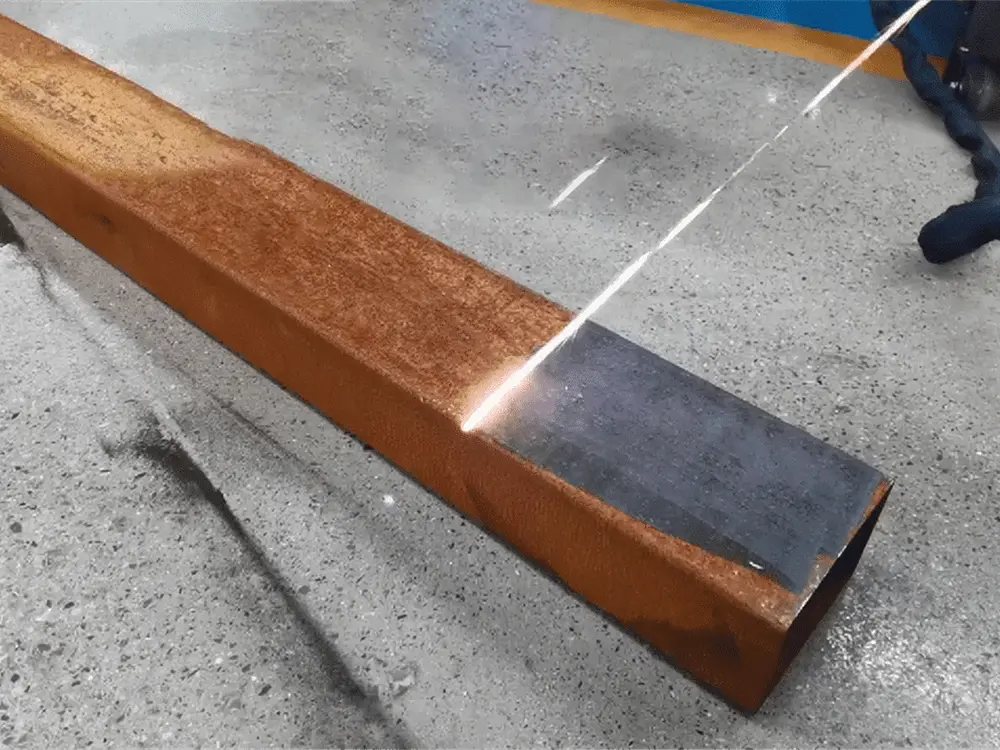
Using a laser rust removal machine requires careful attention to operational parameters. Following these precautions ensures both safety and efficiency.
1. Correct Laser Settings
Select the appropriate laser power, frequency, and scanning speed for the type and thickness of the rusted material. Excessive power can damage the metal surface, while insufficient power may leave rust or scale behind.
2. Maintain Safe Distance
Maintain the recommended distance between the laser nozzle and the metal surface. Too close can overheat the material, and too far can reduce cleaning efficiency. Refer to the machine manufacturer’s guidelines for optimal distance.
3. Avoid Reflective Surfaces
Shiny or reflective metals can reflect laser light, which poses a safety risk. Operators should use shields or barriers to prevent stray reflections. Laser safety goggles also protect the eyes from indirect exposure.
4. Use Controlled Motion
Move the laser head smoothly and consistently. Abrupt movements can cause uneven cleaning or surface marks. For large areas, a consistent scanning pattern ensures uniform rust removal.
5. Monitor Temperature
Although laser rust removal produces a small heat-affected zone, repeated exposure to the same area can cause surface overheating. Monitor the temperature and allow cooling periods if necessary to prevent metal warping.
6. Limit Exposure Time
Prolonged exposure to laser energy can damage delicate components. Adjust operation time based on the thickness of the rust and the type of metal.
Safety Measures for Operating a Laser Rust Removal Machine
Safety is a critical aspect when operating a laser rust removal machine. Laser beams are powerful and can be hazardous if handled improperly.
1. Eye Protection
Always wear laser safety goggles suitable for the wavelength of your machine. Even brief exposure can cause permanent eye damage. Ensure that bystanders in the work area are also protected.
2. Skin Protection
Avoid direct contact with the laser beam. Protective clothing and gloves reduce the risk of burns. Operators should never bypass safety interlocks or shields.
3. Fire Safety
Keep a fire extinguisher nearby. Although laser rust removal generates minimal sparks, debris and dust can ignite under high-intensity laser energy. Avoid cleaning near flammable materials.
4. Ventilation
Laser rust removal produces fumes containing metal oxide particles. Use an exhaust or filtration system to remove smoke and prevent inhalation of harmful particles. In poorly ventilated areas, operators should use respiratory protection.
5. Machine Maintenance
Regular maintenance reduces safety risks. Clean the laser lens, check cooling systems, and inspect electrical components. A well-maintained laser rust removal machine ensures stable operation and reduces the chance of malfunctions.
Maintenance Tips for a Laser Rust Removal Machine
To ensure safe and efficient operation, proper maintenance is essential for a laser rust removal machine. Regularly cleaning the lens and mirrors helps maintain beam quality, while inspecting cables, connectors, and cooling systems prevents potential electrical failures. Periodic calibration according to manufacturer guidelines ensures accurate and stable operation, and worn parts should be replaced promptly to avoid performance degradation.
Additionally, the machine should be stored in a dry, dust-free environment when not in use. By following these maintenance practices, operators can preserve efficiency, extend the machine’s lifespan, and maintain safe and reliable long-term operation.
Best Practices for Effective Rust Removal
To maximize the benefits of a laser rust removal machine, operators should follow best practices:
- Start with a test area to adjust settings for optimal cleaning.
- Use consistent scanning patterns to achieve uniform rust removal.
- Avoid excessive overlapping of laser paths to prevent surface discoloration.
- Document parameter settings for different metals and rust conditions for repeatable results.
- Train all operators thoroughly on safety, equipment handling, and emergency procedures.
These best practices improve cleaning quality, reduce downtime, and ensure operator safety.
Conclusion
Wintek laser rust removal machine offers a fast, precise, and eco-friendly method for removing rust from metal surfaces. With proper setup, correct laser parameters, and careful operation, the machine delivers stable and consistent cleaning results while minimizing surface damage.
Reliable safety practices and routine maintenance ensure long-term performance and a safer working environment. By following these precautions, businesses can achieve cleaner surfaces, reduce downtime, and improve overall efficiency. Choosing a Wintek laser rust removal machine provides a dependable and cost-effective solution for high-quality rust removal.