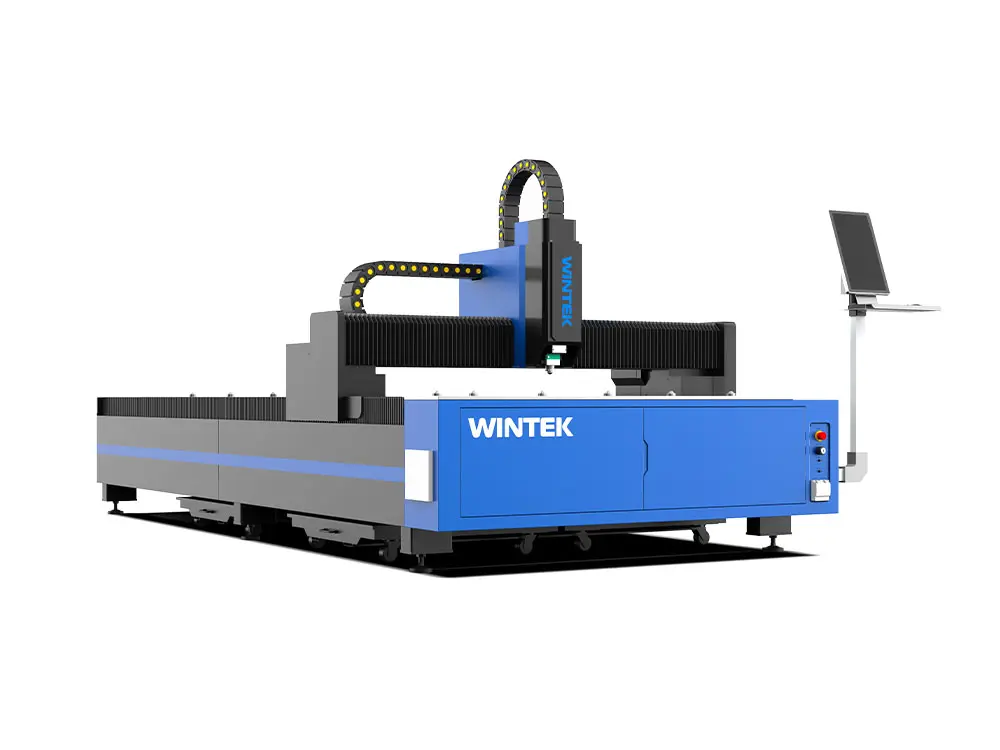
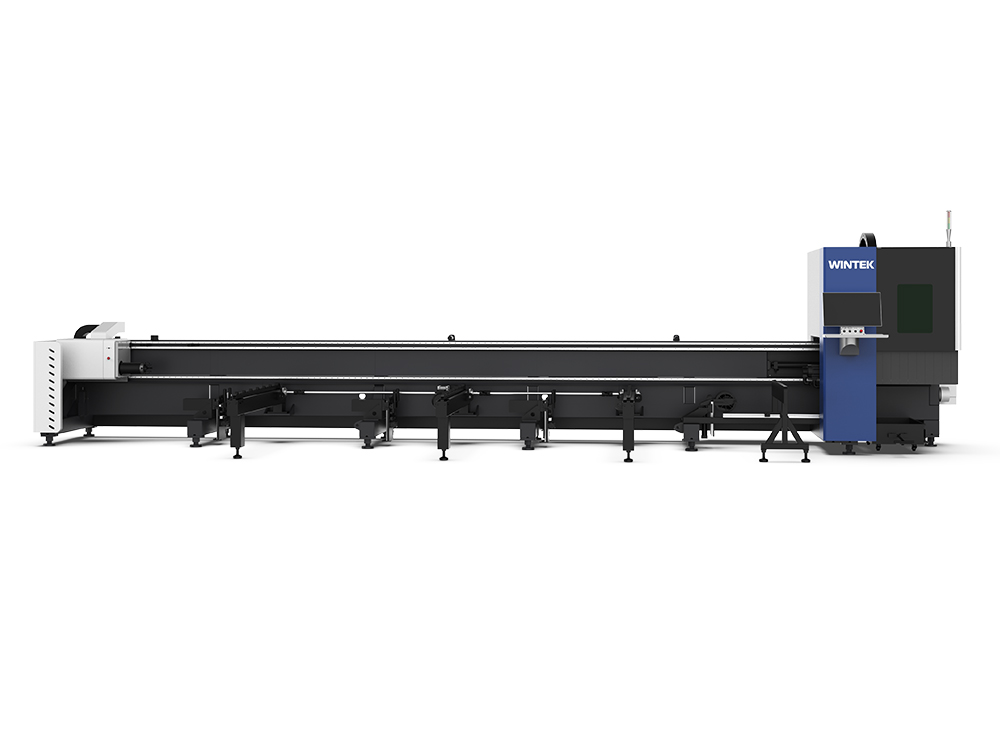
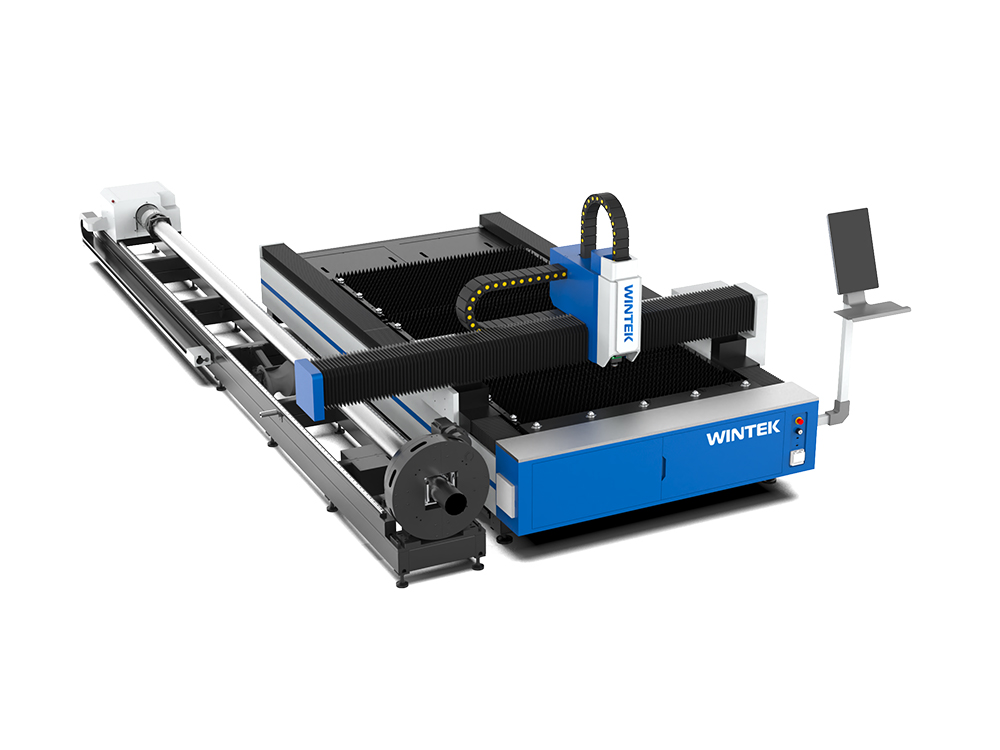

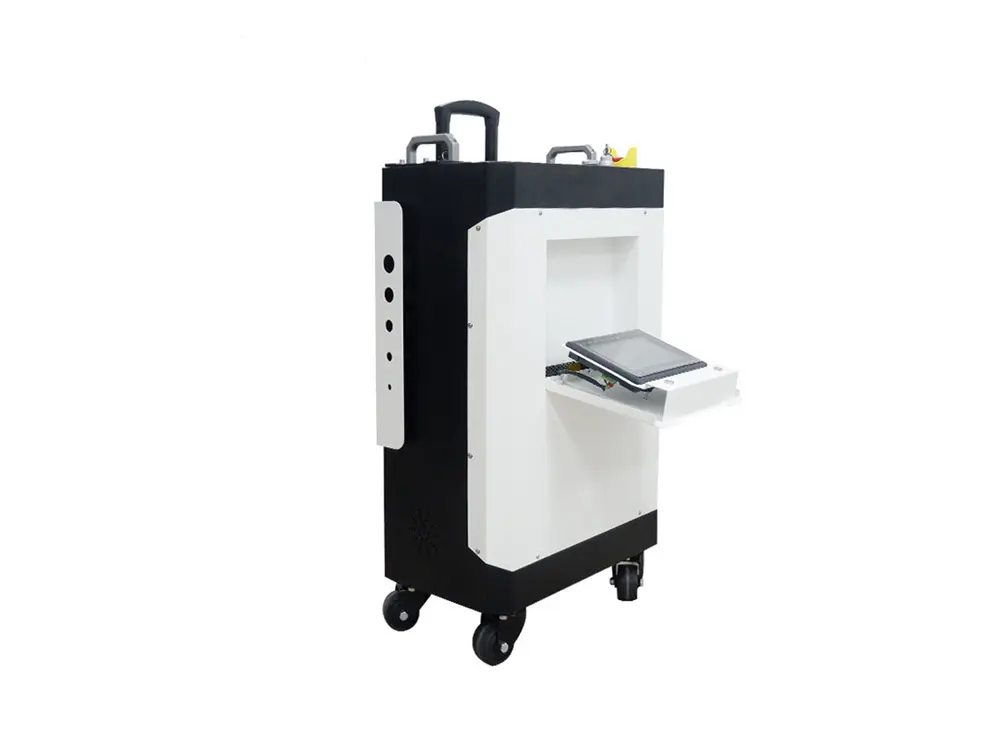
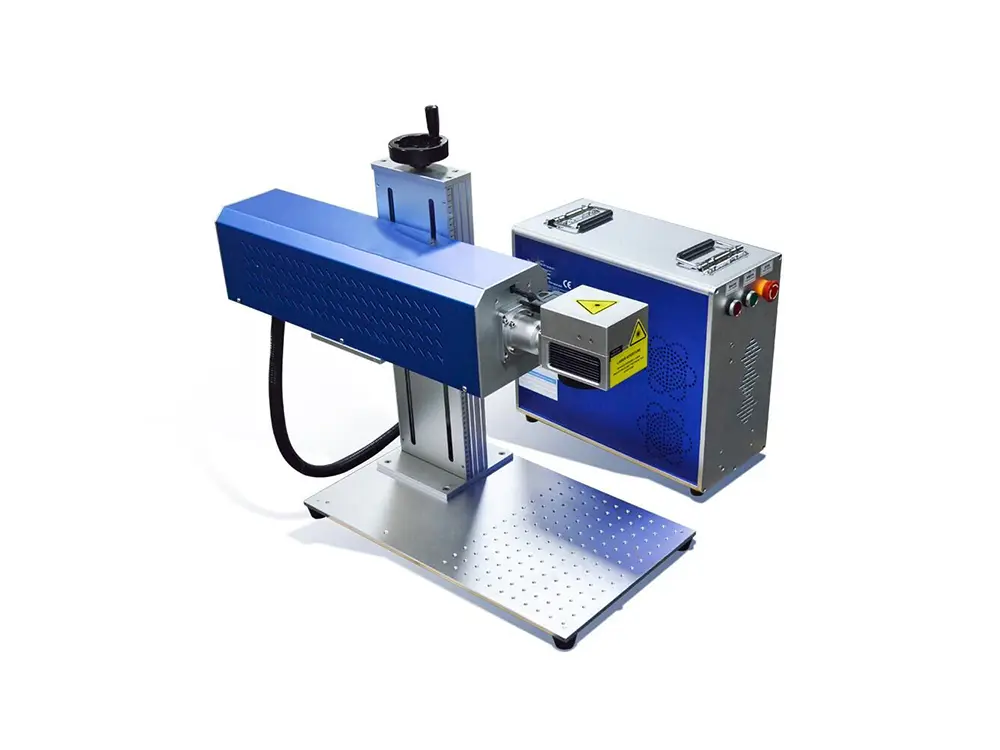











Tube laser cutting has become a core technology in modern metal fabrication. From furniture manufacturing and automotive components to construction structures and fitness equipment, tube and pipe profiles are everywhere. To meet growing demands for accuracy, flexibility, and efficiency, more manufacturers are turning to a laser cutting machine for tubes instead of traditional sawing, drilling, or plasma methods.
But one of the most common questions buyers ask is simple and practical: What types of tubes can a tube laser cut?
In this article, we explore the capabilities of a modern laser cutting machine tube. We will introduce the materials, tube shapes, sizes, and thickness ranges it can process, as well as the key factors that affect cutting performance.
Understanding Tube Laser Cutting Technology

A tube laser cutting machine uses a high-energy fiber laser beam combined with CNC control to cut metal tubes and pipes with extreme precision. Unlike flat sheet laser systems, tube laser machines are equipped with:
- Automatic chuck systems for clamping round, square, or irregular tubes.
- Rotary axes for precise 360° processing.
- Intelligent nesting software for efficient material usage.
This design allows the laser cutting machine for tubes to perform cutting, slotting, beveling, perforating, and complex contour processing in a single setup.
Common Metal Materials Cut by Tube Laser Cutting Machines
Modern fiber laser tube cutting machines can handle a wide range of metal materials with high precision and efficiency. They are widely used across construction, furniture, automotive, fitness equipment, and industrial fabrication. Below are the most common metal materials processed by tube laser cutting machines.
1. Carbon Steel Tubes
Carbon steel is one of the most commonly cut materials due to its strength, affordability, and wide availability. Tube laser cutting machines can easily cut carbon steel tubes used in structural frames, machinery parts, and industrial supports. It delivers clean edges and accurate holes, even on thick-walled tubes.
2. Stainless Steel Tubes
Stainless steel is popular for applications that require corrosion resistance and a clean appearance, such as furniture, handrails, medical equipment, and food processing. Laser tube cutting machines produce smooth, oxide-free cuts on stainless steel, making them ideal for visible or high-precision components.
3. Aluminum Tubes
Aluminum tubes are lightweight and commonly used in aerospace, automotive, bicycle, and display structures. Although aluminum is highly reflective, modern laser tube cutting machines are designed to cut aluminum efficiently with stable performance and minimal deformation.
4. Galvanized Steel Tubes
Galvanized steel tubes are widely used in construction, fencing, and HVAC systems. Tube laser cutting allows precise cutting without damaging the base material, while proper exhaust systems help manage zinc vapor during processing.
5. Brass Tubes
Brass tubes are often used in decorative structures, fittings, and electrical components. Fiber laser tube cutting machines can cut brass accurately, producing fine details and smooth edges for both functional and aesthetic applications.
6. Copper Tubes
Copper is commonly used in electrical, plumbing, and heat-exchange applications. While copper is highly reflective, advanced tube laser cutting machines with optimized laser sources can process copper tubes with high accuracy and consistent quality.
7. Alloy Steel Tubes
Alloy steel tubes are used in high-strength and high-temperature applications such as automotive frames and industrial equipment. Tube laser cutting machines handle alloy steel efficiently, maintaining precision even for complex shapes and angled cuts.
By supporting a wide range of metal tube materials, laser tube cutting machines provide manufacturers with flexibility, efficiency, and consistent cutting quality across diverse industries.
What Types of Tubes Can a Tube Laser Cut?
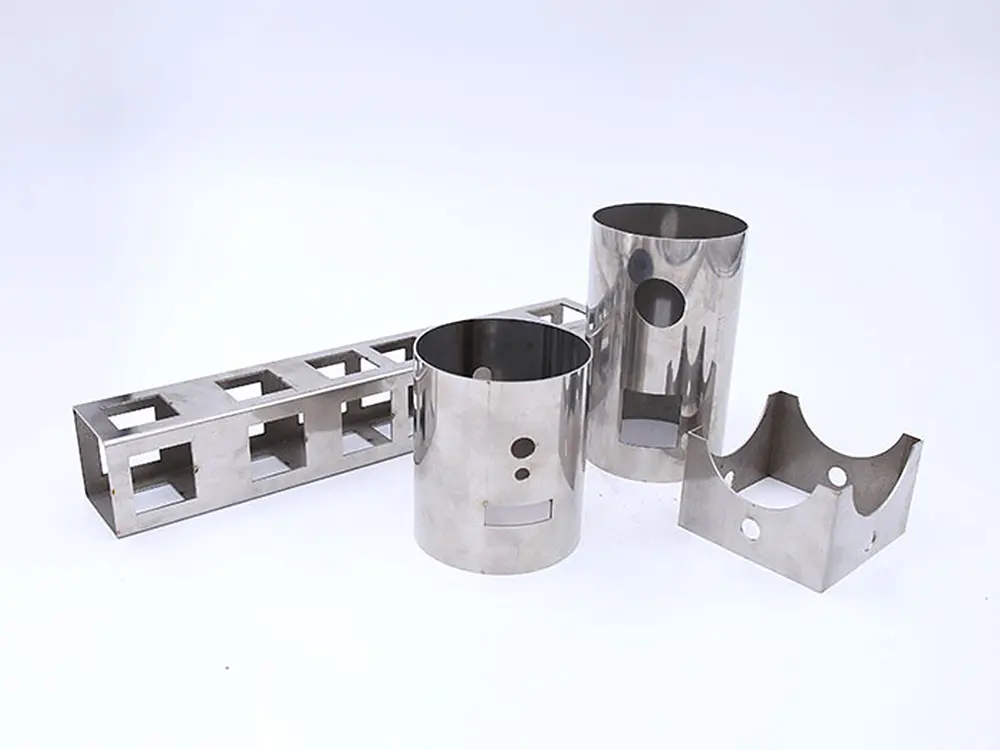
Tube laser cutting machines are designed to process a wide variety of tube and profile shapes with high precision. Based on their structural characteristics, the supported materials can generally be grouped into three main categories: closed tubes, open-section profiles, and custom or special-shaped profiles.
1. Closed Tubes
Closed tubes feature a fully enclosed cross-section and are widely used in structural frames, furniture, and industrial equipment. Tube laser cutting machines can accurately cut, drill, slot, and contour these profiles with excellent consistency.
This category includes:
Round Tubes
Square and Rectangular Tubes
Oval and Elliptical Tubes
2. Open Section Profiles
Open section profiles have at least one open side and are commonly used in construction, machinery frames, and load-bearing structures. With appropriate chuck systems and profile support, tube laser cutting machines can process these profiles efficiently and safely.
This category includes:
Angle Steel and Channel Steel
H-beams and I-beams
3. Custom and Special-Shaped Tubes
Custom and special-shaped profiles refer to non-standard or irregular cross-sections designed for specific applications. Advanced tube laser cutting machines can handle many of these profiles, depending on machine configuration and clamping design, making them ideal for customized and flexible production requirements.
Supported Tube Sizes, Lengths, and Wall Thickness

In addition to tube shape and material, tube size, length, and wall thickness are critical factors that determine whether a tube laser cutting machine is suitable for a specific application.
1. Tube Diameter and Profile Size: A modern tube laser cutting machine can process a wide range of tube diameters and profile sizes, from small precision tubes used in furniture and fitness equipment to large structural tubes for construction and industrial frames. The exact capacity depends on the chuck design and machine configuration.
2. Tube Length: Most tube laser cutting machines support standard tube lengths commonly used in the industry, such as 6 meters, 9 meters, and 12 meters. Machines equipped with automatic loading and unloading systems can also handle long tubes more efficiently while maintaining cutting accuracy.
3. Wall Thickness Range: Wall thickness capability varies depending on laser power and material type. In general, tube laser cutting machines can process thin-wall tubes with high precision while also handling thicker tubes for structural applications, providing a balance between cutting speed and edge quality.
Key Factors That Affect Tube Laser Cutting Performance
Although tube laser cutting machines are highly versatile, several factors directly influence cutting quality, efficiency, and stability.
1. Laser Power
Higher laser power allows for cutting thicker tubes and higher-speed processing, especially for carbon steel and stainless steel. Selecting the right power level is essential to match production needs without unnecessary energy consumption.
2. Chuck System and Clamping Stability
Stable clamping is critical for accurate tube cutting. Advanced chuck systems ensure proper centering and rotation of round, square, and irregular tubes, reducing vibration and improving cut consistency.
3. CNC Control and Software
Intelligent CNC systems and tube nesting software optimize cutting paths, reduce material waste, and support complex geometries. This is especially important for batch production and customized designs.
4. Material Properties
Different materials respond differently to laser cutting. Reflective metals such as aluminum, brass, and copper require optimized cutting parameters and stable laser sources to ensure consistent results.
Why Choose A Laser Cutting Machine Tube?
Compared with traditional cutting methods such as sawing, drilling, or plasma cutting, tube laser cutting offers several clear advantages:
- Higher cutting accuracy and repeatability.
- Reduced secondary processing.
- Faster production speed.
- Cleaner edges and better surface quality.
- Greater flexibility for complex designs.
These benefits make tube laser cutting machines an ideal solution for modern metal fabrication workshops.
Conclusion
The laser cutting machine tube from a trusted brand like Wintek Laser makes cutting metal tubes easier, faster, and more precise than ever before. It handles a wide range of shapes, sizes, and materials, from standard round and square tubes to custom or complex profiles, all with consistent quality and clean edges.
Beyond speed and accuracy, these machines simplify production by reducing secondary work and material waste. For any manufacturer looking to improve efficiency, take on more challenging designs, and stay ahead in metal fabrication, wintek tube laser cutting machine is a smart and reliable choice.