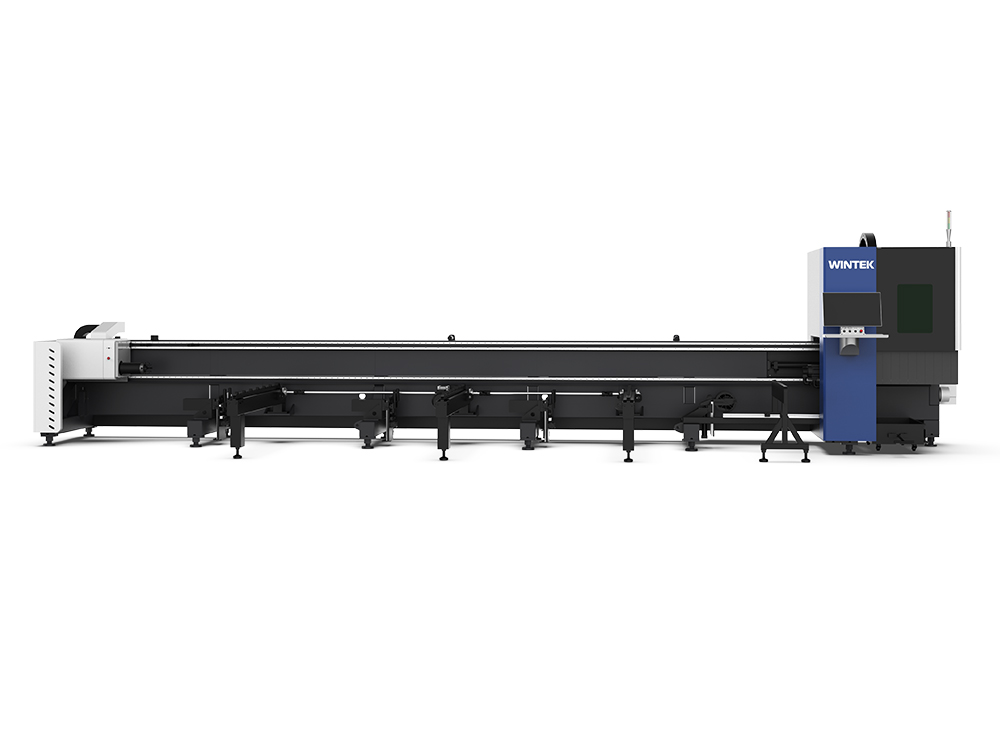
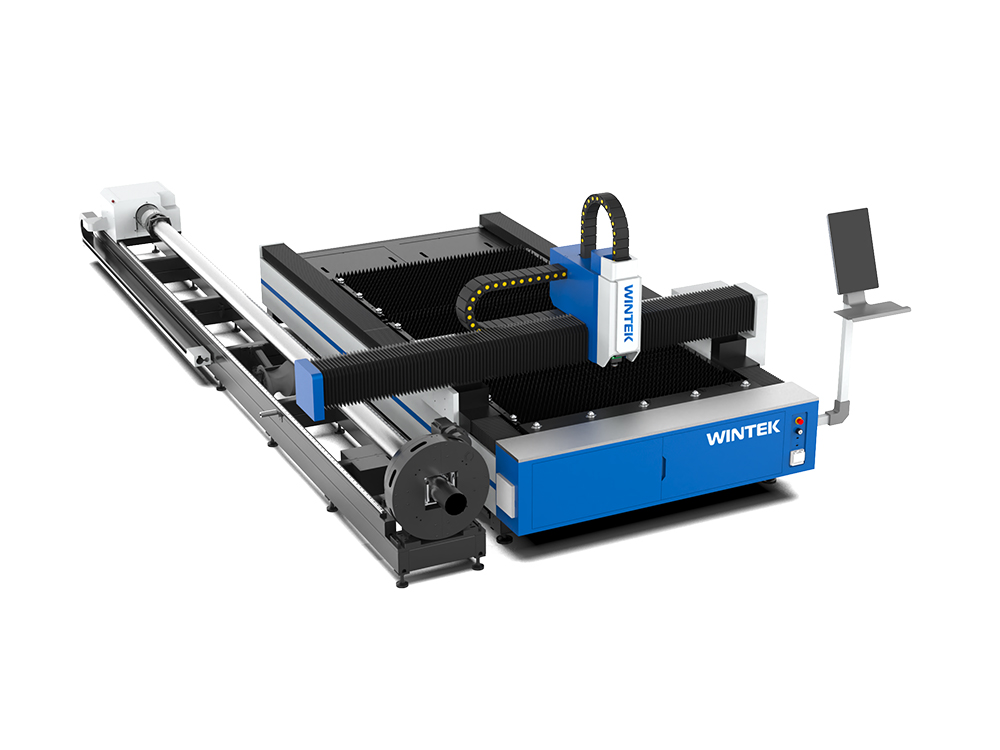











When purchasing a fiber laser cutting machine, most buyers focus first on laser power and cutting head specifications. In actual production, however, the worktable configuration often has a greater impact on daily efficiency than many expect.
With a single table fiber laser cutting machine, loading, cutting, and unloading are all performed on the same work surface. This means the machine must stop cutting every time material is changed, directly reducing effective cutting time during a working shift. In contrast, an exchange table fiber laser cutting machine uses two alternating worktables, allowing material handling to take place outside the cutting area while processing continues on the other table.
For manufacturers planning long-term production or expecting order volumes to grow, these operational differences quickly become noticeable on the shop floor. This comparison provides practical insights to help you choose the configuration that aligns best with your production needs, budget, and long-term growth objectives.
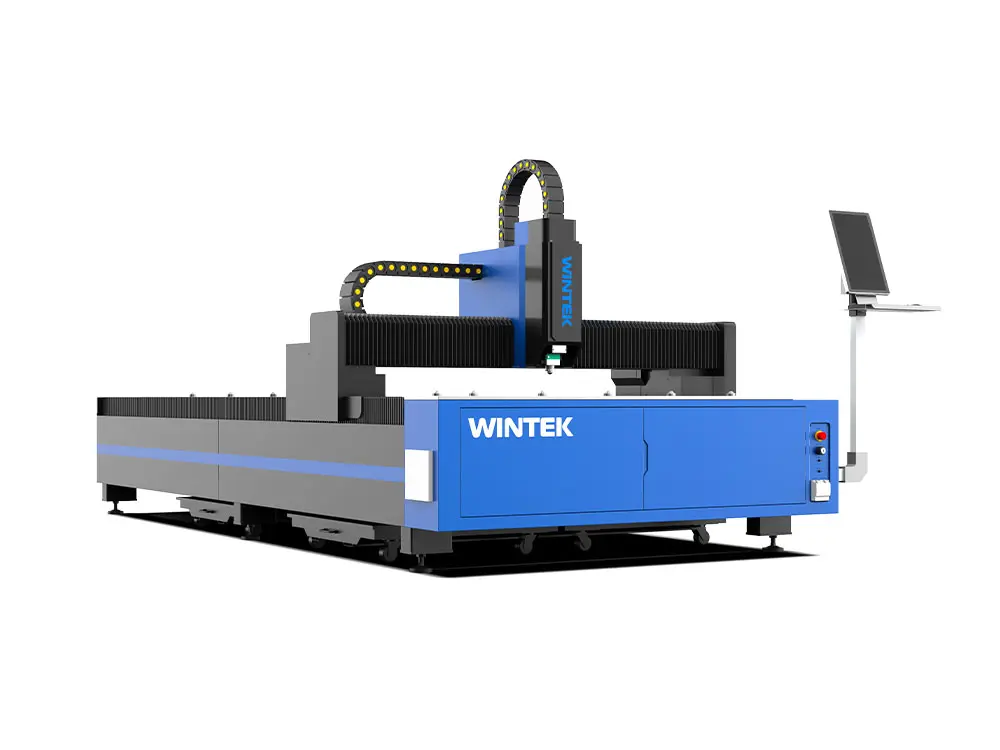
Single-Table
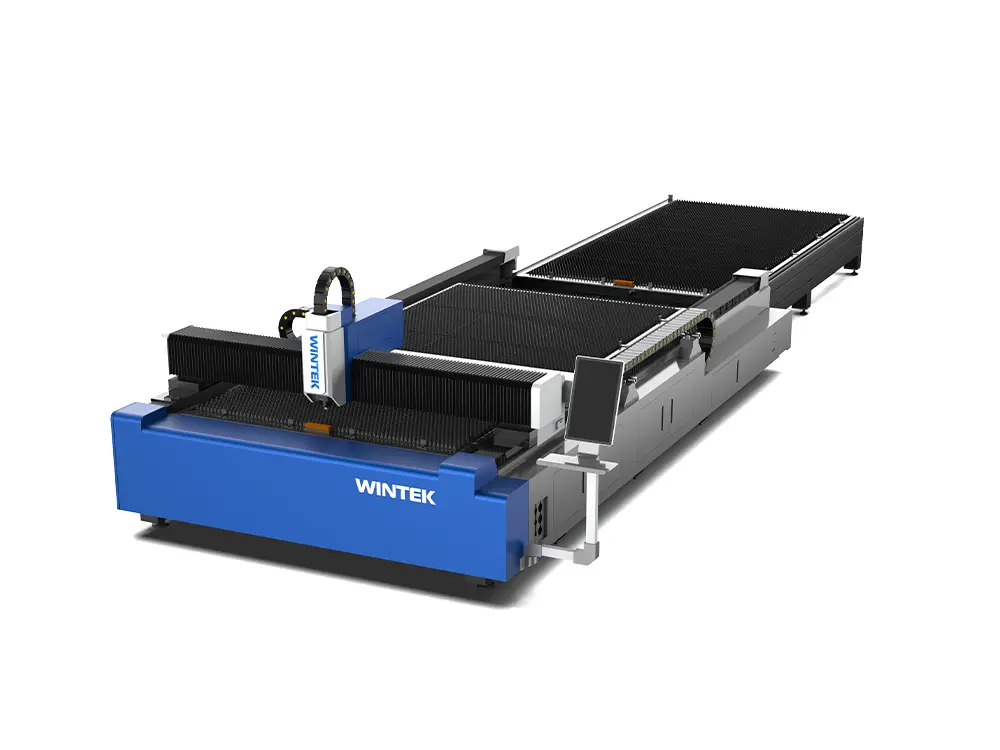
Exchange-Table
What Is a Single Table Fiber Laser Cutting Machine?
A single table fiber laser cutting machine is the most straightforward and commonly used configuration, especially among small to mid-sized workshops. It features one fixed cutting table, where loading, cutting, and unloading are all performed on the same surface.
During operation, the sheet metal is manually or mechanically loaded onto the table, processed by the laser, and then unloaded once cutting is complete. The machine must stop cutting while loading or unloading takes place.
Key Characteristics of Single Table Fiber Laser Cutters
- One working table for all operations
- Simple mechanical structure
- Lower initial investment
- Compact footprint
- Suitable for manual or semi-automatic operation
Single-table machines are ideal for small to medium workshops, startups, and manufacturers with moderate production volumes, especially where production schedules are flexible and continuous operation is not required.
What Is an Exchange Table Fiber Laser Cutting Machine?
An exchange table fiber laser cutting machine (also called a dual table) is designed to maximize productivity using two worktables. While one table is cutting, the other can be loaded or unloaded simultaneously. The tables automatically swap positions in 10–15 seconds, enabling near-continuous operation with minimal downtime.
Key Characteristics of Exchange Table Fiber Laser Cutters
- Two worktables that automatically exchange
- Continuous cutting with reduced idle time
- Higher overall productivity
- Often combined with full enclosure for safety
- Designed for industrial-scale production
Exchange-table machines are widely used in high-output fabrication plants, automotive and machinery manufacturing, and factories operating multiple shifts.
Comparative Analysis: Single Table Vs Exchange Table
When choosing between single-table and exchange-table laser cutting machines, manufacturers must consider several key factors:
1. Productivity and Workflow
A single table fiber laser cutting machine performs all operations, including loading, cutting, and unloading, on the same worktable. Each time the material is changed, the machine must pause, which limits overall throughput and makes it difficult to maintain a steady production rhythm.
This configuration is better suited for workshops with moderate production volumes or customized orders, where flexibility is more important than continuous operation.
In comparison, an exchange table fiber laser cutting machine allows one table to be cut while the other is loaded or unloaded. The tables swap automatically in 10–15 seconds, enabling near-continuous operation with minimal downtime. This parallel workflow greatly improves efficiency, making it suitable for high-volume, multi-shift production environments.
2. Cost and Return on Investment
Single table machines have a lower initial cost due to their simpler structure and fewer components. Maintenance is easier and less expensive, which makes them attractive to startups and small to medium-sized workshops with limited budgets.
Exchange table machines require a higher upfront investment, but the improved productivity and reduced idle time can result in a faster return on investment in medium- to large-scale operations. Over time, the efficiency gains often outweigh the initial cost difference, especially in industrial-scale fabrication facilities.
3. Labor Efficiency and Daily Operation
A single table fiber laser cutting machine requires operators to manage loading, cutting, and unloading in sequence on the same worktable. During material changes, the machine remains idle, and operator timing directly affects overall efficiency. In daily operation, this setup demands closer attention from the operator, especially when handling heavier sheets or frequent order changes, which increases physical workload and makes it harder to maintain consistent efficiency over long shifts.
An exchange table fiber laser cutting machine improves labor efficiency by separating cutting and material handling into two work zones. While one table is in operation, the other can be prepared without pressure from machine downtime. This working rhythm reduces operator stress, improves task organization, and supports smoother shift transitions. In high-output workshops, it also helps maintain stable production pace with fewer operators per machine.
4. Space and Layout
Single table machines have a compact footprint and can be installed in workshops with limited floor space. Their smaller size makes layout planning and reconfiguration easier, which is beneficial for smaller facilities.
Exchange table machines require more space to accommodate dual tables and efficient material flow. While the footprint is larger, the design supports continuous operation, smoother workflow, and higher throughput, making it suitable for industrial-scale production environments.
5. Application Suitability
Single table fiber laser cutting machines are well-suited for workshops with flexible production schedules and moderate output requirements. They are commonly used for custom orders, small batch production, and job shop environments where material types and part designs change frequently. In these situations, simplicity and ease of operation are often more important than continuous cutting speed.
Exchange table fiber laser cutting machines are better suited for stable, high-volume production environments where maintaining throughput is critical. They are widely used in industries such as sheet metal fabrication, machinery manufacturing, and automotive components, especially in facilities operating multiple shifts. When production demand is consistent and efficiency is a priority, the exchange table configuration offers clear advantages in maintaining steady output.
Single Table vs Exchange Table: Which One Should You Choose?
Choosing between a single table and an exchange table fiber laser cutting machine is a practical production decision rather than a matter of preference. It has a direct impact on daily productivity, labor efficiency, and overall return on investment. Although both configurations rely on the same laser cutting technology, differences in material loading and unloading create very different production rhythms on the shop floor.
Single table machines are often selected for their simpler structure and lower initial investment. They are well-suited for small to medium production volumes, prototype work, or workshops where cutting tasks are not continuous. However, because loading and unloading take place on the same table used for cutting, the machine must stop operating during material changes. Over time, these interruptions can noticeably reduce effective cutting hours, especially in batch production environments.
Exchange table machines are designed for manufacturers that prioritize stable output and higher throughput. With two alternating worktables, operators can prepare the next sheet while cutting continues on the other table. This workflow significantly reduces idle time and allows the laser to remain active for a greater portion of the working shift. In high-volume production or time sensitive applications, the productivity advantage often justifies the higher upfront cost.
The best choice ultimately depends on your production requirements, budget, and long-term growth plans. For operations that value flexibility and controlled investment, a single table machine can be a practical solution. For manufacturers aiming to maximize machine utilization and scale production efficiently, an exchange table configuration is typically the more effective option.
Conclusion
In conclusion, choosing the right fiber laser cutting machine configuration can make a real difference in productivity, efficiency, and return on investment. Single table machines provide a cost-effective solution for smaller production or prototype work, while exchange table machines maximize throughput and minimize downtime for high-volume operations.
Wintek Laser provides multiple fiber laser cutting machine solutions, including single-table, exchange-table, and other configurations. Our experts evaluate your material types, production volume, and workflow to recommend the most suitable setup. Contact Wintek Laser to develop a solution that supports your current production needs and future growth.