











In modern industries, the demand for efficient, eco-friendly, and precise cleaning technologies is growing rapidly. Traditional cleaning techniques such as sandblasting, chemical cleaning, and dry ice blasting have been widely used for decades. However, as the industry moves toward sustainability and higher precision, many companies are evaluating whether laser cleaning, particularly portable laser cleaning machines, can effectively replace dry ice cleaning in various applications.
This article explores how laser cleaning compares with dry ice cleaning, its advantages and limitations, and whether it is the right solution for business seeking a cleaner, greener, and more efficient surface treatment method.
What Is Dry Ice Cleaning?

Dry ice cleaning is a non-abrasive, environmentally friendly cleaning method that uses solid carbon dioxide (CO₂) pellets to remove contaminants from surfaces. The pellets are accelerated in a pressurized air stream and directed at the target surface, where they sublimate upon impact. This process removes dirt, grease, mold, paint, and other unwanted substances without leaving residue or damaging the substrate.
Dry ice cleaning has been popular in industries such as aerospace, automotive, food processing, and manufacturing. Its benefits include:
- Non-abrasive cleaning: Dry ice sublimates instantly, so it doesn’t scratch or wear the surface.
- Eco-friendly: The CO₂ used is often a by-product of other industrial processes, reducing environmental impact.
- Residue-free: Unlike sandblasting or chemical cleaning, no secondary waste is produced.
- Versatile: Works on electrical components, machinery, mold surfaces, and more.
Despite these advantages, dry ice cleaning has notable limitations:
- High operational costs: Dry ice is expensive, and specialized equipment is required.
- Limited portability: The equipment can be bulky and difficult to transport to various sites.
- Safety concerns: CO₂ sublimation can cause frostbite and requires proper ventilation.
- Slower cleaning for stubborn contaminants: Heavily oxidized metal, rust, or thick coatings may require multiple passes.
These limitations have created a demand for more efficient, cost-effective, and versatile cleaning solutions, leading to the rise of laser cleaning technology.
What Is Laser Cleaning?
Laser cleaning is a technology that uses a highly focused laser beam to remove contaminants, coatings, rust, or oxidation from a surface. Unlike traditional abrasive methods, laser cleaning is a non-contact process. When the laser beam strikes the target surface, it vaporizes or ablates the unwanted material without affecting the underlying substrate.
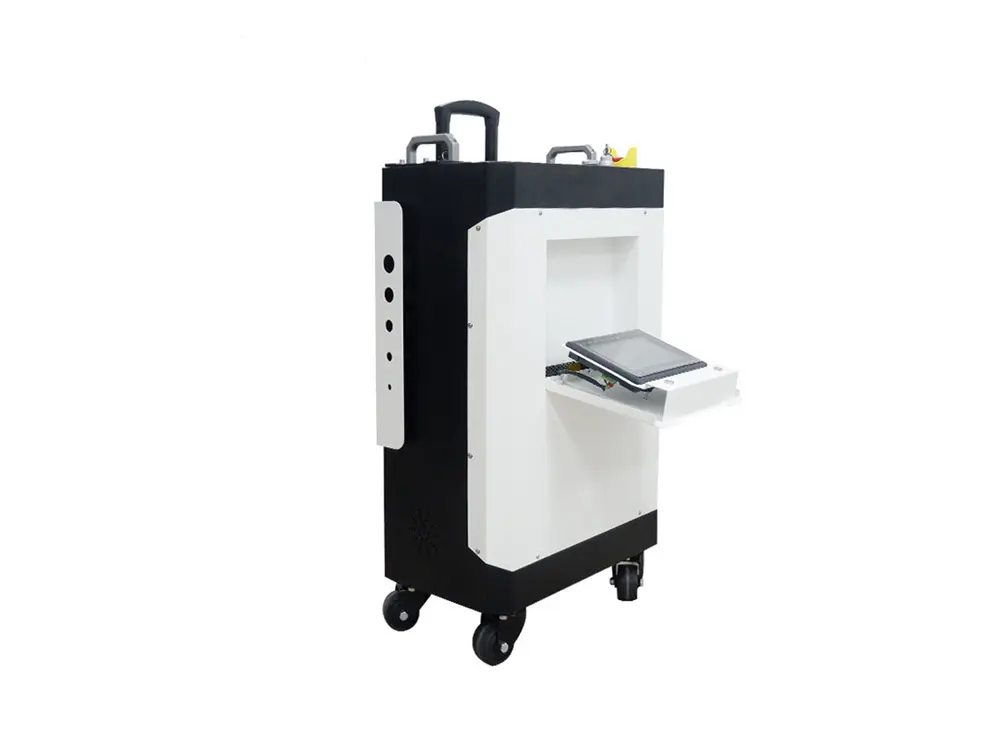
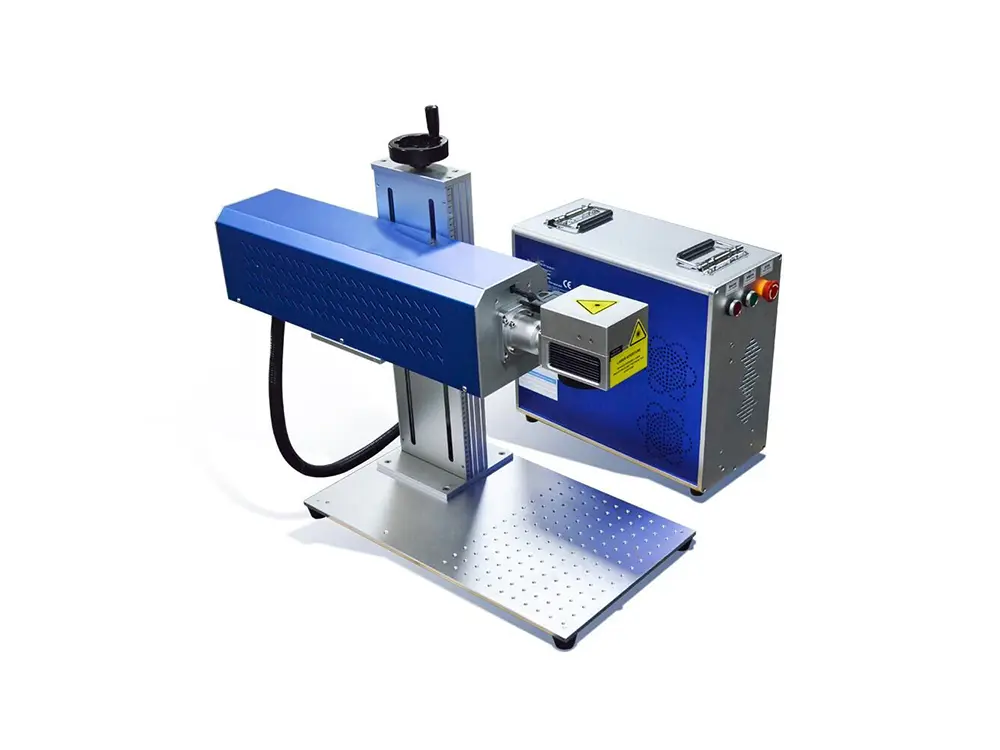
Laser cleaning machines vary in size and power, from industrial units to compact, portable devices. The emergence of portable laser cleaning machines has made it easier for technicians and maintenance teams to perform on-site cleaning without needing to disassemble equipment or transport it to a dedicated facility.
How a Portable Laser Cleaning Machine Works

The portable laser cleaning machine typically consists of:
- Laser source: Produces a high-intensity, focused beam.
- Scanning system or hand-held head: Directs the laser beam across the surface.
- Control system: Adjusts power, pulse duration, and scanning speed for precise cleaning.
- Safety features: Includes protective enclosures, goggles, and interlocks to prevent accidental exposure.
The cleaning process is straightforward:
1. The operator directs the laser beam toward the surface.
2. The laser energy heats and vaporizes contaminants or coatings.
3. The underlying substrate remains intact, free from scratches or mechanical damage.
Comparing Laser Cleaning and Dry Ice Cleaning
To determine if a portable laser cleaning machine can replace dry ice cleaning, it’s essential to compare both methods in detail.
1. Efficiency
Dry Ice Cleaning: Effective for light surface contaminants, mold, grease, and paint, but may struggle with thick coatings or rust.
Laser Cleaning: Highly efficient, even on tough coatings, corrosion, or oxidation. Adjustable laser parameters allow precision cleaning of delicate surfaces.
Laser cleaning generally outperforms dry ice cleaning in speed and effectiveness for heavy-duty contaminants.
2. Surface Preservation
Dry Ice Cleaning: Non-abrasive, but high-pressure air streams can cause micro-abrasions on delicate surfaces.
Laser Cleaning: Non-contact and precise. Substrate remains untouched if settings are optimized.
Laser cleaning offers superior surface preservation, particularly for sensitive or high-value equipment.
3. Environmental Impact
Dry Ice Cleaning: CO₂ is a greenhouse gas, but if sourced as a by-product, the environmental footprint is lower. No secondary waste is generated.
Laser Cleaning: Requires electricity but produces minimal waste. Some vaporized material may need ventilation.
Both methods are environmentally friendly compared to chemical or abrasive cleaning. Laser cleaning’s impact depends on energy source and proper handling of fumes.
4. Portability and Accessibility
Dry Ice Cleaning: Equipment is heavy and requires CO₂ supply, making it less portable.
Portable Laser Cleaning Machine: Designed for mobility. Can clean on-site, reducing downtime and logistical complexity.
Laser cleaning is more adaptable for on-site operations.
5. Cost
Dry Ice Cleaning: High recurring costs for CO₂ supply. Equipment can be expensive to maintain.
Laser Cleaning: Higher upfront cost for a machine, but lower long-term operational expenses. No consumables like dry ice are needed.
Laser cleaning offers long-term cost savings, especially for repeated use.
6. Safety
Dry Ice Cleaning: Risk of frostbite, CO₂ inhalation, and high-pressure hazards.
Laser Cleaning: Requires laser safety protocols, but risks can be mitigated with proper training, goggles, and interlocks.
Both require safety precautions, but laser cleaning offers a controlled environment with minimal physical hazards.
Portable Laser Cleaning Machines Industries
The versatility of portable laser cleaning machines has made them valuable in a wide range of industries:
- Automotive: Removing rust, old paint, and surface oxidation without damaging body panels or engine components.
- Aerospace: Cleaning precision parts, turbine blades, and molds without leaving abrasive residues.
- Manufacturing and Metalworking: Surface preparation before welding, coating, or assembly.
- Shipbuilding and Marine: Rust and marine growth removal from hulls and metal structures.
- Cultural Heritage: Restoration of sculptures, monuments, and historical artifacts without damaging original material.
In many of these cases, laser cleaning provides superior results compared to dry ice cleaning, especially when precision and material preservation are critical.
Advantages of Portable Laser Cleaning Machines
- Mobility: Easily transported to on-site locations. Ideal for large structures or equipment that cannot be moved.
- Precision: Adjustable parameters allow targeted cleaning without affecting surrounding surfaces.
- Efficiency: Rapid cleaning of tough contaminants, reducing labor and downtime.
- Eco-friendly: Minimal consumables and reduced chemical waste.
- Versatility: Can remove rust, paint, oil, grease, oxidation, and other contaminants from various materials.
Can Laser Cleaning Fully Replace Dry Ice Cleaning?
Based on current technology and industrial applications, a portable laser cleaning machine can replace dry ice cleaning in many situations, especially where:
- Precision is required.
- Heavy coatings, rust, or oxidation are present.
- Portability and on-site cleaning are essential.
- Long-term operational cost savings are a priority.
However, dry ice cleaning still holds advantages for:
- Very delicate surfaces that cannot tolerate any heat.
- Food processing environments where laser equipment may not meet regulatory approvals.
- Applications where CO₂ sublimation is particularly beneficial for residue-free cleaning.
In essence, laser cleaning does not universally eliminate the need for dry ice cleaning, but it offers a highly effective alternative for many industrial and maintenance applications.
Conclusion
The rise of portable laser cleaning machines has transformed industrial cleaning, offering a precise, efficient, and environmentally friendly alternative to traditional methods like dry ice cleaning. While both methods have unique advantages, laser cleaning excels in efficiency, surface preservation, portability, and versatility.
For many industries, investing in a portable laser cleaning machine means faster cleaning, lower long-term costs, and the ability to perform maintenance on-site with minimal disruption. However, dry ice cleaning may still be preferable in niche applications that require ultra-delicate treatment or meet specific regulatory standards.
Ultimately, the choice between laser cleaning and dry ice cleaning depends on the application, surface material, budget, and operational requirements. As technology advances, portable laser cleaning machines are poised to become the preferred method for industrial surface cleaning, maintenance, and restoration.