








In modern manufacturing, product identification and traceability are more important than ever. From electronic components to medical devices and packaging, permanent and precise marking is essential for compliance, branding, and quality assurance. Among the many marking solutions available, the UV laser marking machine has emerged as one of the most versatile tools due to its high precision, minimal heat impact, and ability to mark delicate materials.
But what materials are actually suitable for UV laser marking machines? This article explores the working principles of UV lasers, their advantages, and the wide range of materials they can process effectively.
What Is UV Laser Marking Machine?
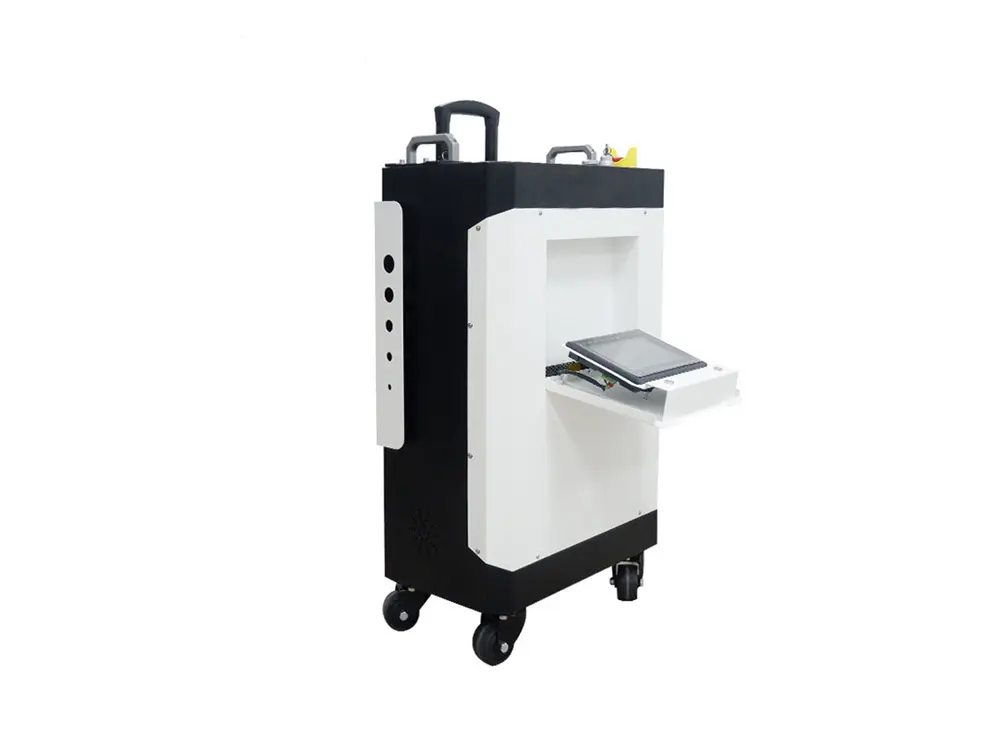
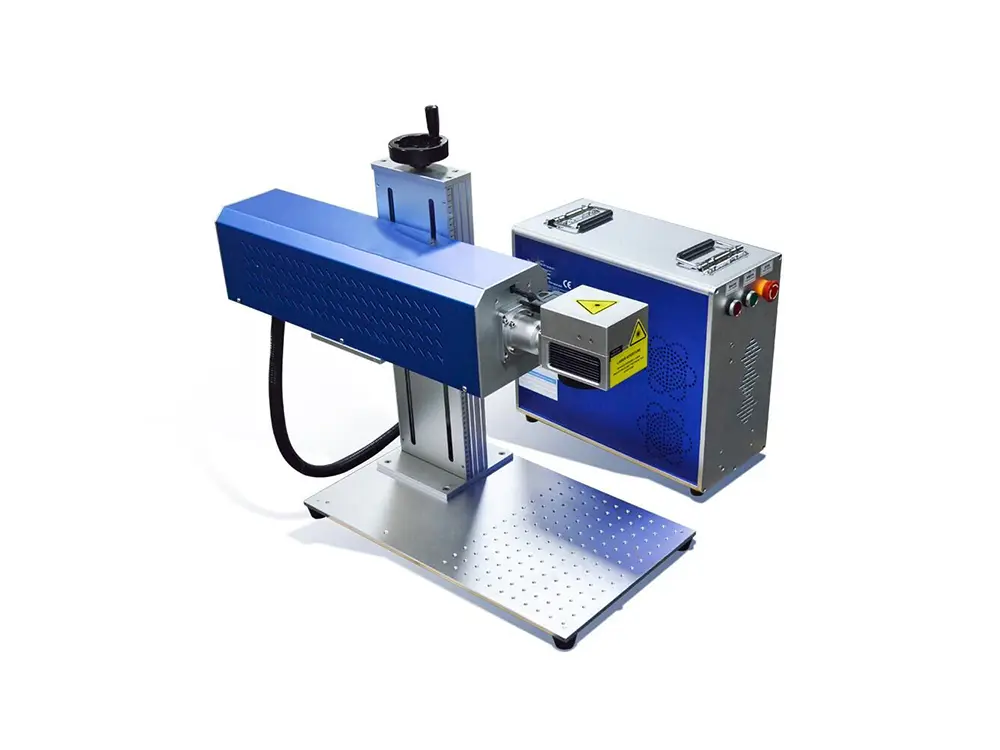
The UV laser marking machine is a type of laser marking system that uses a short-wavelength ultraviolet (UV) laser, typically 355 nanometers. Unlike fiber or CO₂ lasers that operate in the infrared spectrum, UV lasers belong to the “cold processing” category.
Instead of relying on thermal energy to melt or burn the surface, UV lasers achieve marking through a process called photochemical ablation. The high-energy photons break molecular bonds directly, removing material or changing surface characteristics without significant heat transfer to surrounding areas.
Key Advantages of UV Laser Marking Machines:
- High Precision: Capable of marking microstructures and fine details.
- Cold Processing: Minimal thermal damage, making it safe for heat-sensitive materials.
- Versatility: Works on metals, plastics, glass, ceramics, and more.
- Non-contact Method: Ensures clean and consistent results without tool wear.
- Eco-Friendly: No need for inks, solvents, or consumables.
Because of these advantages, UV laser marking machines are widely used in electronics, medical devices, plastics, cosmetics packaging, and many other industries.
Materials Suitable for UV Laser Marking Machines

The real strength of a UV laser marking machine lies in its ability to mark a broad range of materials with exceptional clarity. Let’s explore them in detail:
1. Plastics
UV lasers are highly effective on plastics because of their shorter wavelength and photochemical process. Unlike infrared lasers, which often cause burning, melting, or discoloration, UV lasers provide smooth and precise markings.
Common plastics suitable for UV laser marking include:
- ABS (Acrylonitrile Butadiene Styrene): Common in electronic housings and automotive parts. UV marking creates crisp, durable text and logos.
- Polycarbonate (PC): Widely used in electronics, medical devices, and eyewear. UV lasers ensure fine, detailed marks without deformation.
- Polyethylene (PE) & Polypropylene (PP): Found in packaging, medical consumables, and containers. UV lasers create high-contrast, permanent marks.
- PVC (Polyvinyl Chloride): Common in cables and pipes. UV marking offers permanent coding without weakening the structure.
Because UV laser marking doesn’t produce excessive heat, it prevents melting or carbonization, ensuring legible and permanent markings on plastics.
2. Glass
Marking glass is a challenge because of its brittleness and sensitivity to thermal stress. Traditional marking methods like engraving or sandblasting can cause cracks or weaken the surface.
The UV laser marking machine excels in this area by delivering precise markings without generating significant heat.
Applications for glass UV marking include:
- Medical glassware (syringes, vials, and laboratory equipment).
- Beverage bottles and cosmetic packaging.
- Touchscreens, lenses, and optical components.
- Decorative designs or serial numbers on glass panels.
The results are sharp, permanent, and resistant to wear without compromising the integrity of the glass.
3. Metals
Although fiber lasers are typically the go-to technology for metal marking, UV lasers can also mark certain metals, particularly when high precision or delicate detail is needed.
Suitable metals include:
- Stainless steel
- Aluminum
- Titanium
- Gold and silver
UV laser marking on metals is commonly used for micro-texts, barcodes, QR codes, and fine graphics, especially in industries like medical tools, electronics, and jewelry. While UV lasers may not be the fastest for metals compared to fiber lasers, their cold processing provides distinct advantages for precision marking.
4. Ceramics
Ceramic materials are notoriously difficult to mark using traditional methods because they are hard, brittle, and heat-sensitive. A UV laser marking machine can create permanent marks without cracking or damaging the ceramic.
Examples include:
- Electronic substrates and semiconductors.
- Industrial ceramic parts.
The ability to produce legible marks on ceramic surfaces is crucial for identification and traceability in high-tech industries.
5. Wood and Paper
UV laser marking is not limited to industrial materials; it also performs well on organic substrates such as wood, cardboard, and paper.
- Wood: UV marking creates fine patterns, text, or logos without burning or charring, making it ideal for decorative applications.
- Paper & Cardboard: UV marking can be used for anti-counterfeit coding, date codes, and security markings on packaging.
This makes UV lasers valuable in packaging industries where both branding and anti-forgery measures are important.
6. Silicon and Semiconductors
In the electronics industry, silicon wafers and semiconductor materials require ultra-precise and non-invasive marking. A UV laser marking machine is ideal for this task because of its micro-marking capabilities and minimal thermal load.
Applications include:
- IC chips
- Printed circuit boards (PCBs)
- Microelectronics components
UV laser marking ensures traceability without compromising the delicate structure of microelectronics.
7. Leather and Fabrics
Surprisingly, UV laser marking also works on soft materials such as leather and fabrics. The cold marking process prevents burning or distortion, making it ideal for luxury goods and branding applications.
Examples:
- Custom logos on leather products.
- Permanent designs on synthetic fabrics.
- High-end accessories and fashion items.
Industries Benefiting from UV Laser Marking Machines
Because UV laser marking machines can work with such a wide range of materials, they serve many industries, including:
- Electronics: For PCB marking, microchip labeling, and coding on plastic housings.
- Medical: For glass syringes, plastic consumables, and surgical instruments.
- Packaging: For coding and anti-counterfeit marking on plastic, glass, or cardboard packaging.
- Jewelry and Luxury Goods: For fine markings on metals, leather, and glass.
- Automotive: For durable markings on plastic components, switches, and cables.
- Semiconductor: For wafer marking and microelectronics traceability.
Limitations of UV Laser Marking Machines
While versatile, UV laser marking machines also have certain limitations:
- Slower on metals compared to fiber lasers.
- Higher equipment cost due to the complexity of UV laser sources.
- Limited penetration depth, making them better for surface marking rather than deep engraving.
Tips for Choosing the Right UV Laser Marking Machine
If your application requires marking with a UV laser, consider the following:
- Material type: Ensure the machine can handle your target substrates.
- Marking depth and contrast: Match the laser’s specifications to your requirements.
- Throughput needs: For high-volume production, check the marking speed.
- Software compatibility: Ensure the system integrates well with your coding or automation process.
- After-sales support: Choose a supplier that offers training, maintenance, and spare parts.
Conclusion
The UV laser marking machine is one of the most versatile marking technologies available today. Its ability to process plastics, glass, ceramics, metals, paper, silicon, wood, and even fabrics with high precision makes it indispensable across industries.
While fiber and CO₂ lasers dominate in certain fields, UV lasers excel in delicate, high-precision, and heat-sensitive applications. Whether you’re marking medical devices, microchips, or cosmetic packaging, a UV laser marking machine ensures clarity, durability, and efficiency without damaging the substrate.
For businesses looking to achieve permanent, eco-friendly, and precise marking across diverse materials, the UV laser marking machine stands as the ultimate solution.