
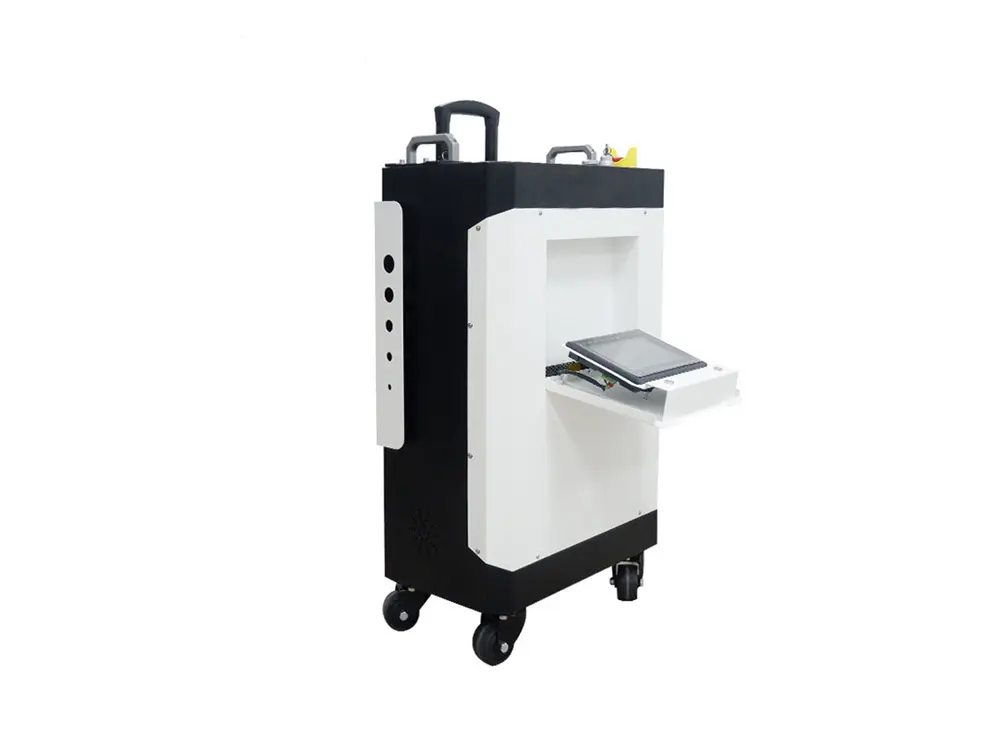
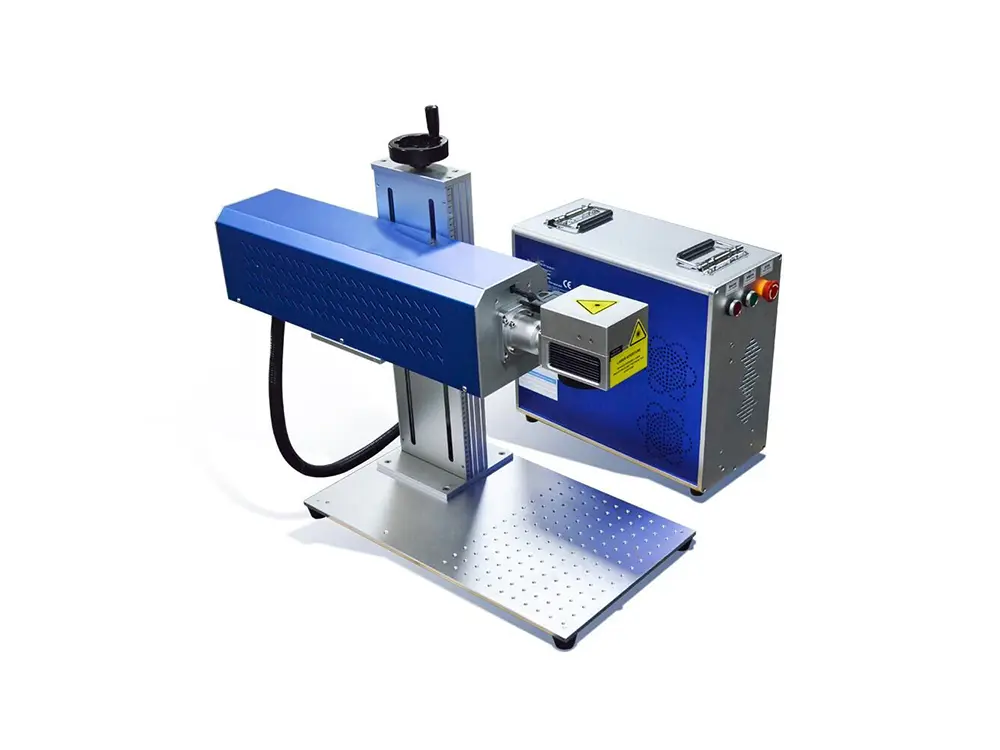











In modern manufacturing, precision and efficiency are crucial for maintaining competitiveness. Among various fabrication techniques, laser cutting has emerged as a highly versatile and efficient method for processing small tubes, which are widely used in industries such as automotive, aerospace, medical devices, and furniture. In particular, the small tube laser cutting machine has revolutionized how manufacturers approach tubular metal components, offering unparalleled accuracy, speed, and flexibility. This article explores how to maximize efficiency in small tube cutting using laser technology.
What Is Small Tube Laser Cutting Machine?
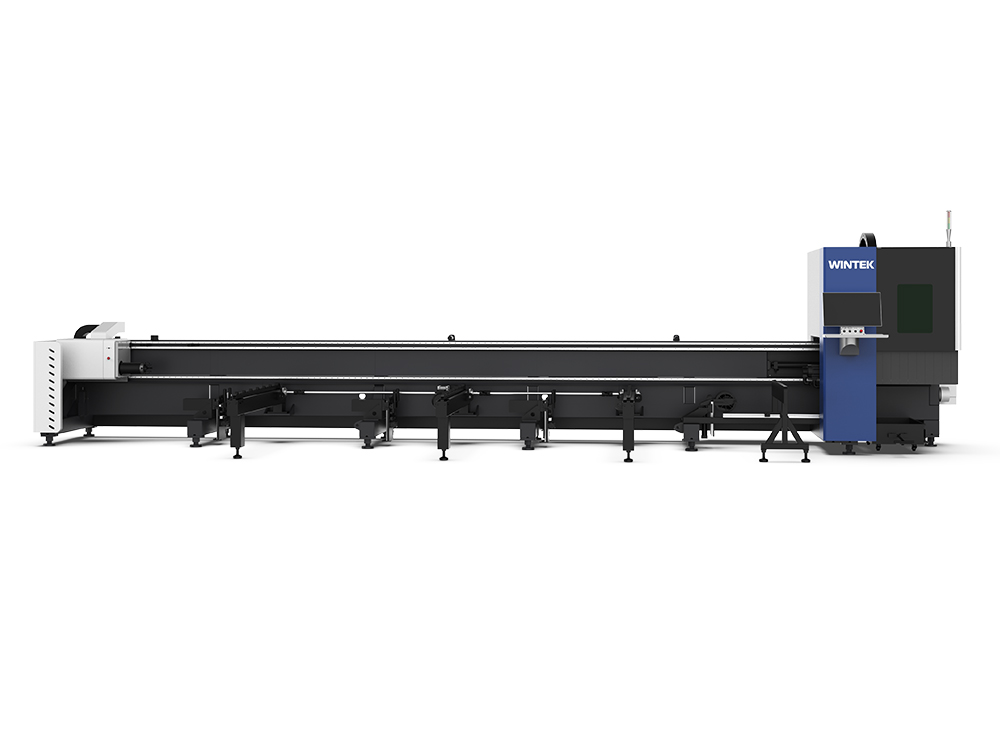
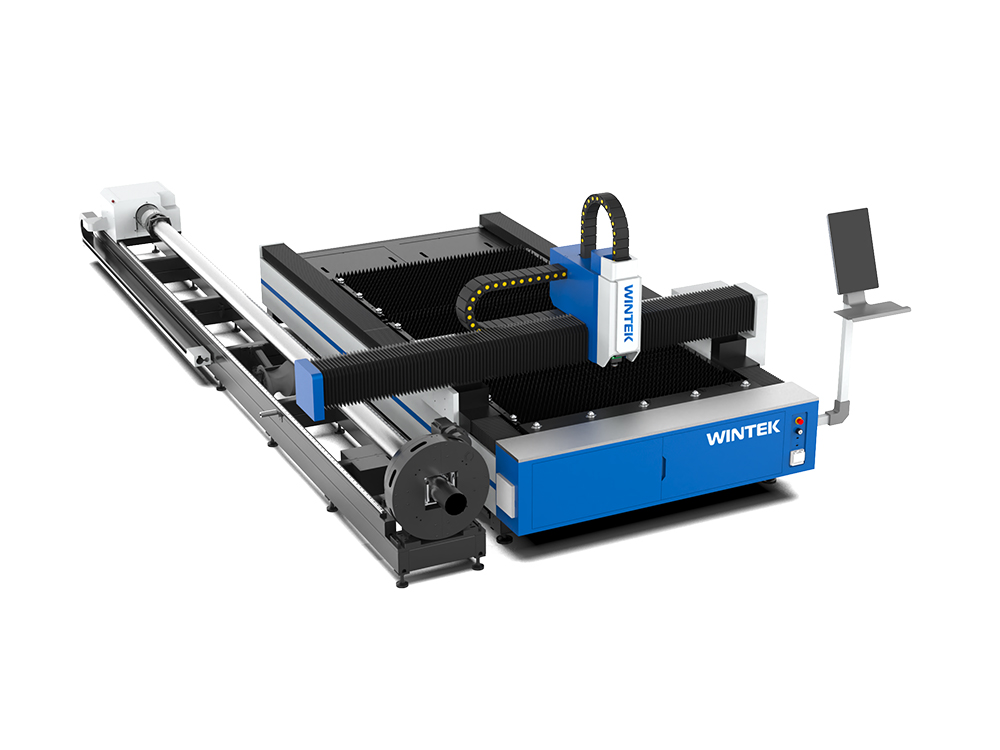
A small tube laser cutting machine is a specialized device designed to cut, notch, and shape tubes with high precision using laser technology. Unlike traditional cutting methods, such as sawing, punching, or mechanical shearing, laser cutting is a non-contact process, which minimizes deformation and ensures a smooth finish.
The machine uses a focused laser beam, typically generated by a fiber laser source, to melt or vaporize the material at the cutting point. The laser beam is guided along precise trajectories controlled by CNC (Computer Numerical Control) software. The combination of high-intensity laser energy and accurate control allows for intricate cuts, angled sections, and complex geometries that are difficult or impossible to achieve with mechanical methods.
Key advantages of small tube laser cutting machines include:
- High precision and repeatability: Cuts are accurate down to fractions of a millimeter.
- Minimal material waste: Laser cutting produces narrow kerfs, reducing scrap.
- Versatility: Suitable for various metals, including stainless steel, aluminum, brass, and titanium.
- Speed: Rapid cutting reduces production cycle times.
- Clean finish: Minimal burrs and smooth edges reduce or eliminate the need for secondary finishing.
Understanding these advantages is the first step in improving efficiency. Choosing the right machine and using it optimally can significantly enhance productivity.
Choosing the Right Small Tube Laser Cutting Machine
Efficiency starts with selecting a machine that matches your production needs. Factors to consider include:
1. Tube Diameter and Wall Thickness
Small tube laser cutting machines are typically optimized for tubes with diameters ranging from 6 mm to 120 mm, though some models can handle larger sizes. It is important to select a machine that accommodates the full range of tube sizes in your production line. Wall thickness also matters: thicker walls require higher laser power and may reduce cutting speed.
2. Laser Power
The laser source power directly affects cutting speed and quality. For small tubes, fiber lasers ranging from 1000W to 3000W are common. Higher power allows for faster cuts and the ability to handle thicker walls but comes with higher initial costs.
3. CNC Control and Automation Features
Advanced CNC software enables automatic tube feeding, rotation, and cutting at precise angles. Features such as automatic tube alignment, 3D cutting trajectories, and nesting optimization enhance efficiency and reduce operator intervention.
4. Material Handling and Loading
Efficient tube handling systems, such as rotary feeders or robotic loaders, reduce downtime between cuts. Automated systems can load multiple tubes simultaneously, maximizing throughput.
5. Software Integration
Integration with CAD/CAM software allows for seamless transition from design to production. Programs that automatically generate cutting paths for complex tube geometries minimize programming time and reduce errors.
Operational Best Practices for Improving Efficiency
Once the right small tube laser cutting machine is selected, operational strategies play a crucial role in maximizing efficiency. Here are practical tips:
Optimize Cutting Parameters: Laser cutting involves adjusting power, speed, focus, and gas flow. Optimizing these parameters for the specific tube material and wall thickness can significantly increase cutting speed while maintaining quality. Manufacturers often maintain a database of proven cutting settings for commonly used materials.
Batch Processing: Processing tubes in batches reduces machine idle time. By cutting multiple tubes consecutively, operators can take advantage of the machine’s continuous operation, increasing overall throughput.
Minimize Setup Time: Efficient setup involves quick tube alignment, fixture adjustments, and parameter selection. Using automated alignment systems and preset cutting programs can reduce setup time, allowing operators to focus on production rather than preparation.
Regular Maintenance: Routine maintenance, such as cleaning lenses, checking alignment, and replacing consumables, ensures consistent cutting performance. A well-maintained machine cuts faster and reduces the likelihood of errors or downtime.
Training Operators: Skilled operators can troubleshoot issues, adjust parameters, and optimize production flow. Investing in operator training ensures that the machine is used to its full potential.
Use Assistive Gases Strategically: Laser cutting often uses assistive gases such as oxygen, nitrogen, or air. Selecting the correct gas type and pressure for the material can improve cut quality and reduce dross, thus minimizing post-processing.
Advanced Techniques to Boost Efficiency
Beyond basic operational improvements, advanced techniques can further enhance small tube laser cutting efficiency:
Multi-axis Cutting: Modern small tube laser cutting machines often feature rotary axes that allow for cutting at multiple angles without repositioning the tube. This capability enables intricate cuts, reducing the need for manual welding or secondary processing.
Nesting and Path Optimization: Using CAM software to optimize cutting paths minimizes laser travel distance and reduces idle movement. Proper nesting of parts within a batch can also maximize material utilization.
Automation and Robotics: Integrating robotic arms for loading and unloading tubes, coupled with automated inspection systems, reduces human intervention and accelerates production. Automation is particularly beneficial for high-volume production lines.
Real-time Monitoring: Some machines feature sensors and monitoring software that track laser power, cutting speed, and material quality. Real-time feedback allows operators to adjust parameters on the fly, maintaining efficiency even with variable tube batches.
Case Study: Automotive Component Production
A medium-sized tube manufacturer that supplies exhaust components to leading automotive brands faced growing challenges with its old production setup. The company had been using conventional sawing machines to cut stainless steel tubes with diameters between 20 mm and 60 mm and wall thicknesses of 1.5–2.5 mm. On average, the factory needed to process around 5,000 tubes per week, but frequent tool changes and inconsistent cut quality limited throughput and drove up costs.
After investing in a small tube laser cutting machine with a 3-axis rotary system and automated tube loading, the company achieved the following measurable improvements:
- Cutting speed: Average cutting time per tube dropped from 18 seconds to 11 seconds, resulting in a 40% overall time reduction.
- Material utilization: Precise kerfs reduced scrap and offcuts by 25%, saving an estimated 2.5 tons of stainless steel annually.
- Labor efficiency: Before, three operators were required to manage two saw machines. With the new laser system, two operators could handle four machines simultaneously, reducing labor costs by nearly 30%.
- Quality improvement: Smooth edges and precise geometry reduced secondary finishing by over 80%, ensuring consistent quality that met Tier-1 automotive supplier standards.
- Return on investment (ROI): The company reported that the machine investment paid back within 18 months, thanks to reduced scrap, lower labor costs, and increased throughput.
- Flexibility: The ability to cut bevels, slots, and complex geometries directly on the machine eliminated the need for several downstream machining steps.
This real-world case highlights how upgrading to a small tube laser cutting machine not only transformed productivity but also improved profitability and competitiveness in the highly demanding automotive supply chain.
Maintenance Strategies for Long-Term Efficiency
Efficient operation is sustainable only with proper maintenance. Key maintenance practices include:
- Lens and Mirror Cleaning: Dust and debris can reduce laser intensity, affecting cutting speed and quality.
- Lubrication of Moving Parts: Regular lubrication reduces wear on mechanical components.
- Alignment Checks: Misalignment of the laser beam or tube holder can cause uneven cuts.
- Software Updates: Ensuring CNC and CAM software are up to date improves cutting strategies and machine compatibility.
- Consumable Replacement: Nozzles and lenses degrade over time and should be replaced to maintain optimal performance.
Scheduled maintenance not only prevents downtime but also preserves the machine’s efficiency over its operational lifetime.
Conclusion
Improving small tube cutting efficiency is not just about speed; it’s also about achieving precision, reducing waste, lowering operating costs, and meeting the demands of modern manufacturing. The small tube laser cutting machine has become an indispensable tool for industries such as automotive, aerospace, and furniture production. By investing in advanced equipment, optimizing cutting parameters, and embracing automation, manufacturers can dramatically shorten production cycles while ensuring consistent quality.
The evidence from real-world applications clearly shows that laser technology outperforms conventional cutting methods in nearly every aspect. Companies that adopt small tube laser cutting machines gain measurable advantages: faster throughput, higher material utilization, lower labor costs, and better product quality. These benefits directly translate into improved competitiveness and profitability.
As technology continues to evolve, integrating smart controls, real-time monitoring, and higher-power fiber lasers will further enhance efficiency. For manufacturers looking to stay ahead, adopting wintek small tube laser cutting machine is not just a technical upgrade; it represents a strategic investment in the future of production.