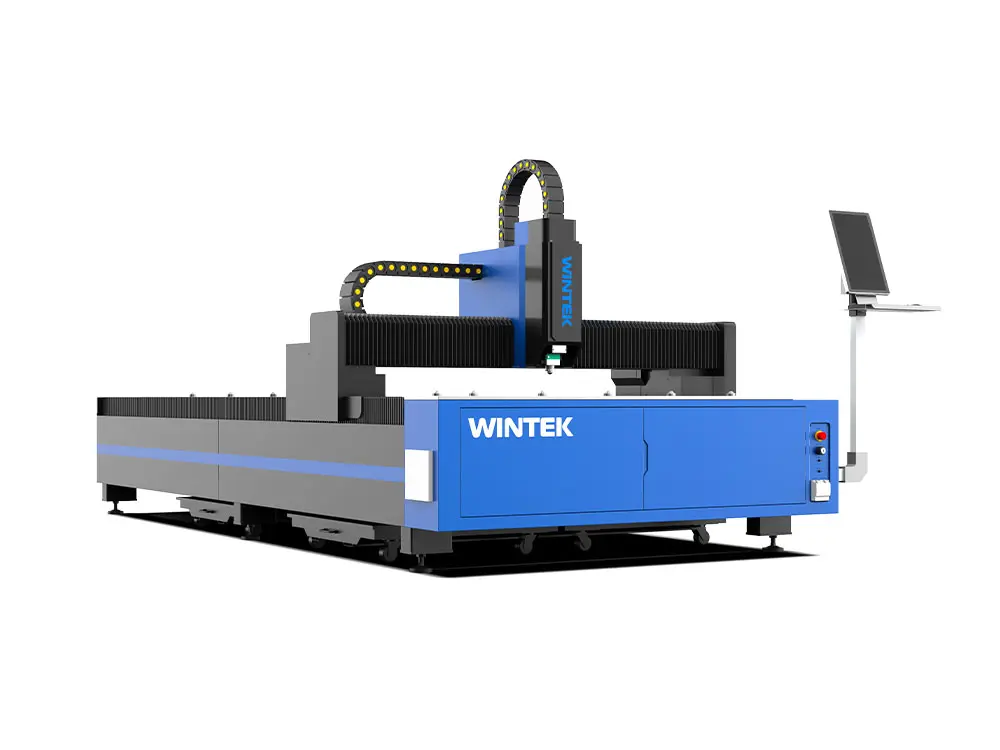
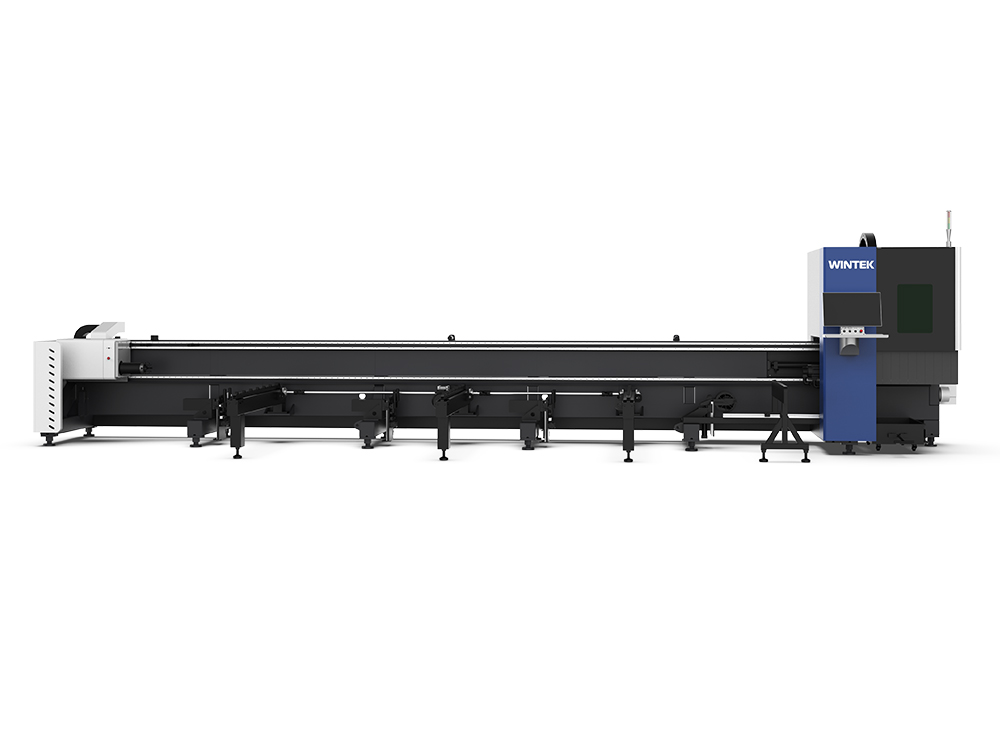
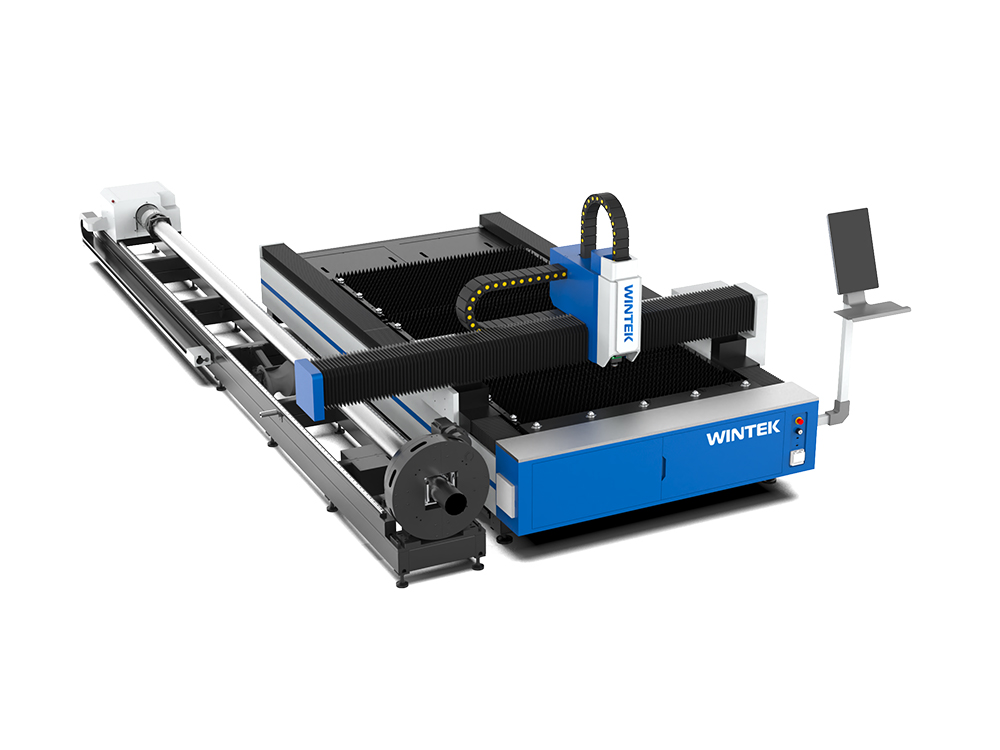
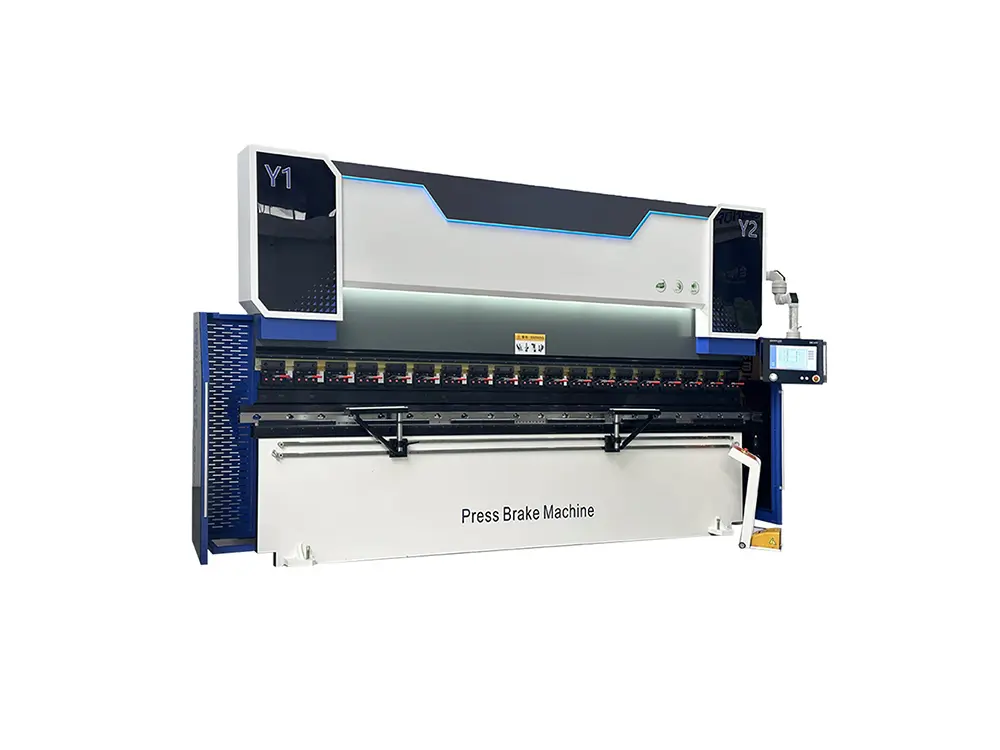

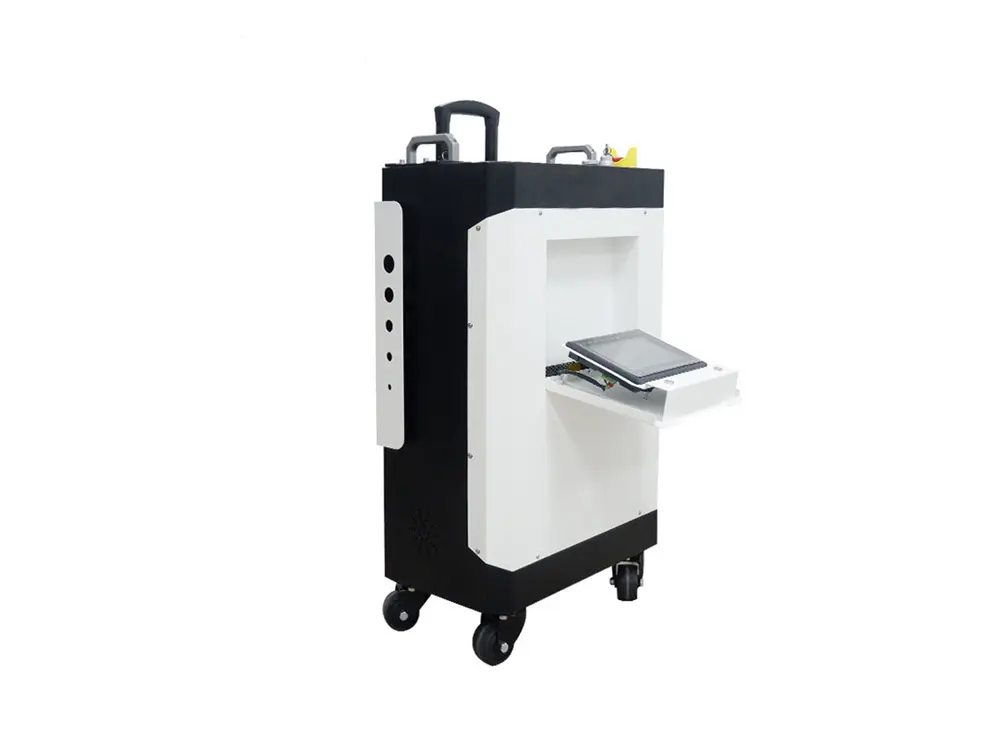
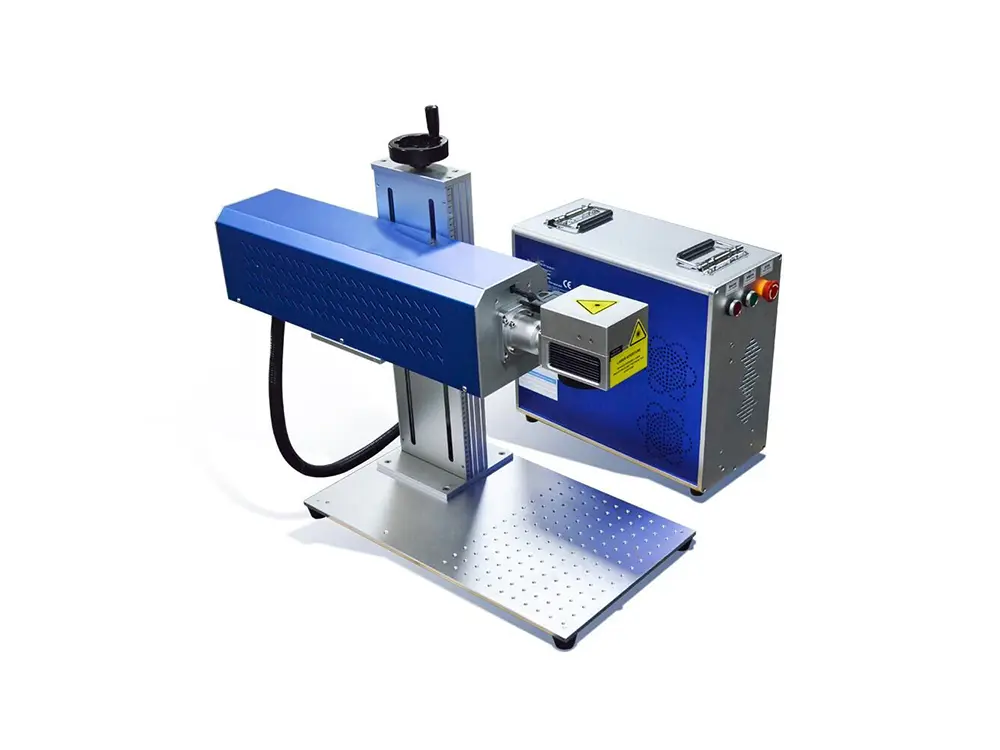











In modern metal fabrication, precision and efficiency are key to meeting demanding production schedules. Among the advanced cutting technologies available, the bevel laser cutting machine has emerged as an indispensable tool for industries such as pipe processing, steel structure manufacturing, and petrochemical equipment production. For new operators, understanding how to handle a brand-new bevel laser cutting machine is crucial to ensure safety, achieve high-quality cuts, and maximize productivity.
This guide aims to provide a comprehensive walkthrough for new users, covering everything from machine preparation and step-by-step operation to efficiency tips, routine maintenance, and troubleshooting. By following these guidelines, operators can quickly become proficient, reduce material waste, and maintain consistent cutting quality.
What Is Bevel Laser Cutting Machine?

The bevel laser cutting machine is a sophisticated system designed to create angled or V-shaped cuts on metal workpieces. The machine typically consists of several critical components:
- Laser head and optical system: Directs a high-powered laser beam to melt or vaporize the material at the cutting point.
- Bevel module: Enables angled cuts, ranging from shallow chamfers to precise V-shaped grooves.
- Control system: CNC software provides precise control over cutting paths, speed, and laser power.
- Mechanical structure: Includes rails, rotary axes, and workpiece clamps for stable and accurate positioning.
These machines are capable of processing a wide range of metals, including carbon steel, stainless steel, and alloy steel, with thicknesses varying according to laser power. The primary advantages include high cutting precision, smooth bevel edges, minimal thermal distortion, and significant time savings compared to traditional mechanical methods.
Preparing the Machine for Operation
Before starting any cutting process, proper preparation is essential. New operators should follow these steps to ensure a safe and efficient setup:
1. Hardware Inspection
- Laser source: Check power output and ensure proper alignment.
- Optics: Inspect lenses for dust or scratches.
- Cooling system: Ensure the water cooling system is operating normally.
2. Software Initialization
- Start the control software and perform system checks.
- Load material profiles and select the appropriate bevel cutting programs.
- Ensure CNC coordinates are calibrated for accurate cutting.
3. Material Preparation
- Clean the workpiece to remove rust, oil, or debris.
- Measure and confirm thickness and dimensions for program input.
- Ensure the workpiece is securely fixed and supported during cutting.
4. Safety Checks
- Wear protective goggles and ensure laser safety shields are in place.
- Confirm the workspace is clear of flammable materials.
- Make sure ventilation is adequate to remove smoke and fumes.
Operating a Bevel Laser Cutting Machine
Operating a bevel laser cutting machine involves careful coordination between hardware, software, and workpiece setup. Follow these steps for efficient and safe cutting:
1. Startup and System Checks
- Power on the machine and run the automatic self-diagnostic checks.
- Confirm all axes move smoothly and there are no obstructions.
- Verify laser alignment and focus using test cuts if necessary.
2. Setting Bevel Angle and Cutting Parameters
- Input the desired bevel angle into the CNC program.
- Adjust laser power, cutting speed, and assist gas type based on material thickness and type.
- Run a small sample cut to confirm the settings.
3. Securing the Workpiece
- Position and clamp the material firmly on the machine table.
- Use rotary or tilting fixtures if angled cuts are required.
- Ensure the workpiece is level to avoid inaccuracies.
4. Performing the Cut
- Initiate the cutting sequence through the CNC interface.
- Monitor the cut closely for any signs of improper cutting, such as excessive dross, burn marks, or misalignment.
- Make minor adjustments to speed or power as needed to achieve optimal bevel quality.
5. Operational Tips
- Avoid keeping the laser focused on one spot for too long to prevent burning.
- Rotate or reposition workpieces efficiently to minimize machine idle time.
- Regularly clean the lens and nozzle during production to maintain cutting quality.
Tips for Improving Efficiency
Maximizing the efficiency of a bevel laser cutting machine goes beyond simply operating it correctly. Consider these strategies:
- Batch Processing: Cut multiple pieces in sequence to reduce setup time.
- Optimized Cutting Paths: Use CNC software to minimize unnecessary laser travel and improve throughput.
- Automation Features: Utilize automated material handling, motorized clamps, and pre-programmed bevel cutting profiles.
- Parameter Monitoring: Continuously check cutting quality and adjust parameters to maintain consistent results.
By implementing these techniques, operators can significantly increase productivity, reduce scrap, and improve overall machine utilization.
Daily Maintenance and Care
Proper daily maintenance ensures that a bevel laser plate cutting machine runs smoothly, delivers precise bevel edges, and extends its service life. Operators should follow these key routines:
1. Optical Components: Clean protective lenses and check for scratches or dirt. Replace damaged optics immediately to avoid cutting quality issues.
2. Cooling System: Check whether the water cooling system is functioning properly. Monitor water temperature and replace cooling liquid regularly.
3. Nozzle and Cutting Head: Inspect the nozzle for wear or blockages. Clean and replace when necessary to maintain stable gas flow and cutting accuracy.
4. Mechanical Parts: Lubricate guide rails, racks, and transmission systems daily. Ensure smooth movement of the cutting head and worktable.
5. Assist Gas: Check gas pressure and purity. Replace gas cylinders when pressure is insufficient to prevent cutting defects.
6. Electrical and Software Systems: Inspect electrical connections for looseness. Update CNC software and back up cutting parameters regularly.
7. Bevel Cutting Accuracy: Perform calibration checks on bevel angles and cutting depth to ensure consistent results.
Common Issues and Troubleshooting
Even with proper operation, some issues may arise. Common problems include:
- Uneven bevel cuts: Often caused by incorrect focus, misaligned workpieces, or worn optics.
- Power fluctuations: Check laser source stability and cooling system performance.
- Dross or burn marks: Adjust cutting speed, power, or assist gas settings.
- Mechanical errors: Ensure all axes are lubricated and properly calibrated.
Following a structured troubleshooting procedure helps quickly identify and resolve problems, maintaining high-quality production.
Conclusion
For new operators, mastering the bevel laser cutting machine requires careful attention to setup, operation, and maintenance. By following proper preparation steps, understanding machine controls, and adopting efficiency-enhancing techniques, manufacturers can achieve high-quality bevel cuts with minimal waste and downtime.
A well-operated bevel laser cutting machine not only improves cutting accuracy and production efficiency but also ensures consistent quality across complex industrial projects. With regular maintenance and adherence to operational best practices, the machine becomes a reliable tool that delivers long-term value for metal fabrication professionals.