
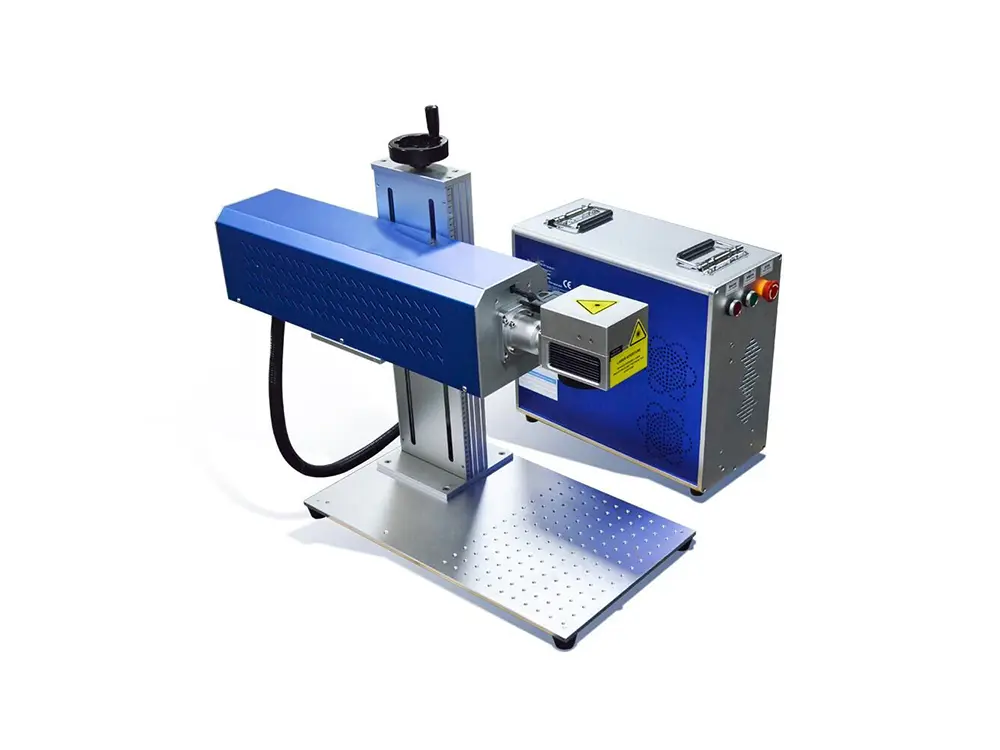











In today’s fast-paced industrial world, efficiency and productivity are critical when selecting the right cleaning equipment. A mobile laser cleaning machine can quickly and effectively remove rust, paint, oil, and other surface contaminants. Its portability, eco-friendly operation, and high precision make it an increasingly popular choice across industries such as automotive, aerospace, shipbuilding, and heavy machinery. As industrial production and maintenance demands grow, companies are paying closer attention to whether these machines can operate continuously for 24 hours. This article will explore the performance, continuous operation capabilities, and best practices for using mobile laser cleaning machines.
Understanding Mobile Laser Cleaning Machines
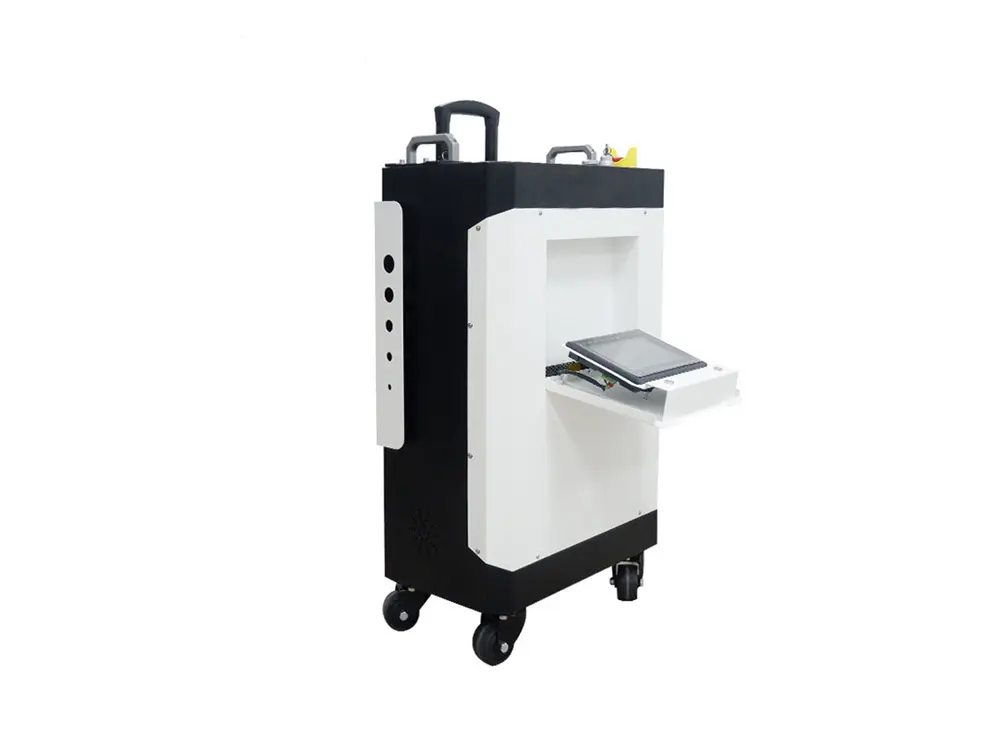
A mobile laser cleaning machine is a portable device that uses high-intensity laser beams to remove rust, paint, oil, oxides, and other contaminants from surfaces. Unlike traditional cleaning methods, it requires no chemical solvents, abrasives, or high-pressure water. This results in minimal environmental impact, reduced material wear, and precise surface preparation.
Key advantages include:
- Eco-friendly cleaning: No chemicals or secondary waste.
- High precision: Can target localized areas without affecting surrounding surfaces.
- Portability: Easy to transport between job sites or production lines.
- Versatility: Suitable for metals, stone, concrete, and industrial machinery.
Factors Affecting Continuous Operation
Whether a mobile laser cleaning machine can run for 24 hours straight depends on several technical and operational factors:
1. Laser Source Type and Power
Most mobile laser cleaning machines use fiber lasers.
Fiber lasers are highly efficient, offer stable output, and have longer lifespans. High-quality fiber lasers can run for extended periods without significant degradation.
2. Cooling System Efficiency
Heat management is crucial for extended operation:
- Mobile laser cleaning machines typically have water cooling or air cooling systems.
- Water-cooled systems allow longer continuous operation compared to air-cooled units, which may need periodic breaks to avoid overheating.
- Monitoring coolant temperature and flow is essential for 24/7 operation.
3. Duty Cycle Ratings
Manufacturers specify a duty cycle, which indicates how long the machine can run continuously without pause.
- For many standard mobile laser cleaning machines, the duty cycle ranges from 4 to 8 hours per session.
- Continuous 24-hour operation may exceed recommended limits and risk component damage, reducing lifespan.
4. Power Supply Stability
Stable voltage and consistent power supply are critical:
- Fluctuations can cause sudden shutdowns or damage electronic components.
- Using surge protectors and dedicated circuits helps maintain reliable continuous operation.
5. Environmental Conditions
Ambient temperature, dust, and humidity affect machine performance:
- High ambient temperatures can lead to overheating.
- Excessive dust may accumulate in cooling vents or optics, requiring intermittent cleaning.
Is 24-Hour Continuous Operation Possible?
Technically, some high-end mobile laser cleaning machines can run close to 24 hours continuously, but certain precautions are necessary:
High-End Machines Only: Machines with industrial-grade fiber lasers, advanced water cooling, and robust components are designed for long shifts. Standard or entry-level units are usually limited to shorter duty cycles.
Shift-Based Operation: In practice, manufacturers often implement shift-based operation. This means running the machine for several hours, allowing a short cooldown or maintenance check, and then resuming operation. This approach maximizes lifespan while maintaining near-continuous productivity.
Monitoring and Automation: Continuous operation requires monitoring systems for:
- Laser output power
- Cooling efficiency
- Workpiece temperature
Some modern units come with automatic shutdown or warning systems to prevent damage during extended use.
Practical Guidelines for Continuous Use
If your goal is to operate a mobile laser cleaning machine for extended hours, follow these best practices:
1. Choose the Right Model
Select a machine with industrial-grade fiber lasers.
Ensure it has an efficient water-cooling system capable of handling long duty cycles.
Check manufacturer specifications for recommended continuous operation.
2. Implement Shift Operations
Run in 4–8 hour sessions with short cooldowns.
Rotate operators or use automated setups to minimize human error.
3. Monitor Machine Health
Track temperature, power, and cooling system status continuously.
Inspect optics and laser output at regular intervals.
4. Optimize Workload
Avoid running the machine at maximum power continuously if not necessary.
Adjust laser power and scanning speed to match the cleaning task efficiently.
5. Ensure Stable Power Supply
Use voltage stabilizers or uninterruptible power supplies (UPS).
Avoid running other heavy machinery on the same circuit.
6. Keep the Environment Clean
Maintain a dust-free workspace.
Ensure proper ventilation to avoid heat buildup around the machine.
Maintenance Requirements for Long-Term Use
To ensure a mobile laser cleaning machine operates reliably over an extended period, proper maintenance is essential. Regular inspection and preventive care help avoid costly downtime and extend the overall lifespan of the equipment.
One of the most critical maintenance tasks is cleaning the optical system. Dust or residue on the laser lens or protective glass can scatter the beam, reducing cleaning efficiency and potentially damaging the optics. Operators should inspect these components frequently and clean them using approved, non-abrasive materials. In addition, the machine’s cooling system must be checked to ensure adequate airflow or water circulation, as overheating is one of the most common causes of premature component failure.
Routine checks of cables, connectors, and safety interlocks are equally important. Since mobile laser cleaning machines are often used in diverse environments, vibrations or frequent repositioning can loosen connections over time. Tightening, replacing worn parts, and testing the emergency stop systems ensure the machine continues to meet safety standards. Software and firmware updates should also be applied regularly to maintain optimal system performance and incorporate the latest safety features.
Finally, a structured maintenance schedule that combines daily operator checks with monthly or quarterly professional inspections creates a balanced approach to long-term reliability. Keeping detailed records of servicing and performance can help detect early signs of wear or irregularities, allowing corrective action before a breakdown occurs. By following these practices, businesses can maximize the return on their investment and ensure the mobile laser cleaning machine delivers consistent results for years to come.
Comparison With Other Cleaning Methods Under Continuous Use
1. Sandblasting
Sandblasting has traditionally been used for heavy-duty rust and paint removal. However, when considered for continuous 24-hour operation, it quickly reveals its limitations. The process relies on abrasive media such as sand or grit, which must be replenished frequently. This not only interrupts production for refilling but also creates large amounts of dust and waste material that require cleanup and proper disposal. In addition, sandblasting equipment itself suffers from high wear due to the abrasive impact, leading to more frequent downtime for part replacement and maintenance. As a result, it struggles to deliver the same level of uninterrupted operation that a mobile laser cleaning machine can achieve.
2. Chemical Cleaning
Chemical cleaning offers effectiveness in dissolving coatings, grease, or scale, but it comes with strict limitations for extended use. Continuous 24-hour operation is nearly impossible because handling and storage of chemicals involve significant safety risks for operators. Toxic fumes, corrosive substances, and the need for protective gear all restrict long-term exposure. Moreover, hazardous waste generated by chemical cleaning requires special disposal procedures, increasing costs and downtime. For companies aiming at sustainable and round-the-clock production, chemical cleaning is far less practical compared to the eco-friendly, waste-free operation of a mobile laser cleaning machine.
3. Dry Ice Cleaning
Dry ice blasting is often praised for being non-abrasive and environmentally safer than chemicals. However, when it comes to continuous use, it presents operational challenges. The method depends on a steady supply of dry ice pellets, which sublimate quickly and must be replenished regularly. This leads to frequent pauses in operation and logistical challenges in storage and transportation of dry ice. Additionally, the equipment can become clogged or inefficient when operating for long hours without maintenance. While dry ice blasting is suitable for certain sensitive applications, it cannot match the convenience and durability of mobile laser cleaning machines designed for extended, 24/7 use.
Conclusion
The mobile laser cleaning machine is a powerful, eco-friendly, and precise solution for industrial surface cleaning. While continuous 24-hour operation is technically possible for high-end machines, it is not universally recommended for all units. Manufacturers suggest operating within duty cycles and using shift-based schedules, along with proper monitoring and maintenance, to ensure both safety and longevity.
For businesses looking to maximize efficiency, combining industrial-grade machines, proper cooling systems, and automated monitoring can achieve near-continuous operation without compromising performance.
Ultimately, the decision to run a mobile laser cleaning machine for extended hours depends on the machine’s specifications, cooling system, workload, and operational environment. By understanding these factors, companies can leverage mobile laser cleaning technology to achieve high productivity, consistent quality, and long-term reliability.