



















Press brakes are essential machines in the sheet metal fabrication industry, used to bend and form metal sheets into precise shapes and angles. From simple brackets to complex structural components, press brake machines play a critical role in manufacturing processes across industries such as construction, automotive, aerospace, electrical enclosures, machinery manufacturing, and metal furniture production.
This comprehensive guide explains everything you need to know about press brakes, with a clear focus on the two most common categories used in workshops and factories today: manual press brakes and hydraulic press brakes. By understanding how each type works, their advantages, limitations, and typical applications, manufacturers can make informed decisions when selecting the right bending solution for their production needs.
What Is a Press Brake?
A press brake is a machine tool designed to bend sheet metal by applying force through a punch and die set. The metal sheet is positioned on a die, and a punch descends to apply pressure, forcing the material to bend at a specific angle. The accuracy of the bend depends on factors such as machine structure, tooling quality, material type, thickness, and operator control.
Press brakes are widely used for bending carbon steel, stainless steel, aluminum, copper, and other metal sheets. Their ability to deliver consistent angles and repeatable results makes the press brake machine a key factor in efficient mass production and stable product quality.
Main Types of Press Brakes
Press brakes can be classified in several ways based on drive system, control method, and level of automation. Although electric and hybrid press brakes exist, manual press brakes and hydraulic press brakes remain the most widely adopted solutions in workshops and factories worldwide.
For most buyers, these two press brake types are also the first comparison point when selecting bending equipment.
1. Manual Press Brakes
What Is a Manual Press Brake?
A manual press brake is a mechanically operated bending machine that relies on human force or simple mechanical leverage to bend sheet metal. Unlike powered machines, manual press brakes do not use hydraulic systems, electric motors, or CNC controls. The bending force is applied through hand-operated levers, pedals, or flywheel mechanisms.
Manual press brakes are typically compact, simple in structure, and easy to operate. They are commonly found in small workshops, maintenance departments, educational institutions, and low-volume production environments.
Working Principle of Manual Press Brakes
The working principle of a manual press brake is straightforward. The operator positions the metal sheet between the punch and die, aligns it manually, and then applies force using a lever or foot pedal. This mechanical force drives the punch downward, bending the metal to the desired angle.
Because all movements are controlled directly by the operator, bending accuracy depends heavily on experience, consistency, and proper material positioning. This simple operating principle makes manual press brakes suitable for basic bending tasks and low-complexity applications.
Advantages of Manual Press Brakes
Despite their simple structure, manual press brakes still offer practical advantages for light-duty bending needs:
- Low initial investment cost.
- Simple mechanical structure with minimal maintenance.
- No need for electricity or hydraulic systems.
- Easy to install and operate.
- Suitable for thin sheets and simple bending tasks.
These features make manual press brakes ideal for workshops with limited budgets or occasional bending requirements.
Limitations of Manual Press Brakes
Despite their simplicity, manual press brakes have clear limitations:
- Limited bending force and material thickness capacity.
- Lower bending accuracy and repeatability.
- High dependency on operator skill.
- Low productivity for batch production.
- Not suitable for complex or high-precision parts.
As production demands increase, these limitations often become significant bottlenecks.
2. Hydraulic Press Brakes

What Is a Hydraulic Brake Press?
A hydraulic brake press is a powered bending machine that uses hydraulic cylinders to generate bending force. It is the most widely used press brake type in modern industrial manufacturing due to its high power, stable performance, and precise control. CNC hydraulic press brakes are especially popular in professional sheet metal factories and industrial production environments.
Hydraulic press brakes are available in a wide range of tonnages, working lengths, and control configurations, from basic NC models to advanced CNC systems.
Working Principle of Hydraulic Press Brakes
Hydraulic press brakes operate by driving hydraulic oil into cylinders, which push the ram downward with controlled force. The pressure can be precisely adjusted to match material thickness, bending length, and required angle.
Modern hydraulic systems allow smooth ram movement, stable pressure output, and consistent bending results across long production cycles.
Advantages of Hydraulic Press Brakes
Hydraulic press brakes provide significant advantages over manual machines, making them ideal for continuous industrial production and high-precision bending tasks:
- High bending force for thick and hard materials.
- Stable and repeatable bending accuracy.
- Adjustable pressure and stroke control.
- Suitable for long workpieces and heavy loads.
- Reliable performance for continuous operation.
When combined with CNC control systems, hydraulic press brakes achieve exceptional precision and productivity.
CNC and NC Control Options
Hydraulic press brakes can be equipped with different control systems:
- NC hydraulic press brakes: Provide basic backgauge control and angle adjustment.
- CNC hydraulic press brakes: Offer multi-axis control, programmable bending sequences, and automatic compensation.
CNC hydraulic press brakes significantly reduce setup time, operator error, and material waste, making them the preferred choice for medium to large-scale manufacturing.
Limitations of Hydraulic Press Brakes
While powerful, hydraulic press brakes also have some considerations:
- Higher initial investment cost.
- Require hydraulic oil maintenance.
- Need stable power supply.
- Larger machine footprint.
However, these factors are generally outweighed by their productivity and long-term value in industrial environments.
Typical Applications of Hydraulic Press Brakes
Hydraulic press brakes are widely used in:
- Sheet metal fabrication factories.
- Automotive and transportation industries.
- Electrical cabinet and enclosure production.
- Construction and structural components.
- Machinery and equipment manufacturing.
They are suitable for bending carbon steel, stainless steel, aluminum, copper, and high-strength alloys.
How to Choose the Right Press Brake
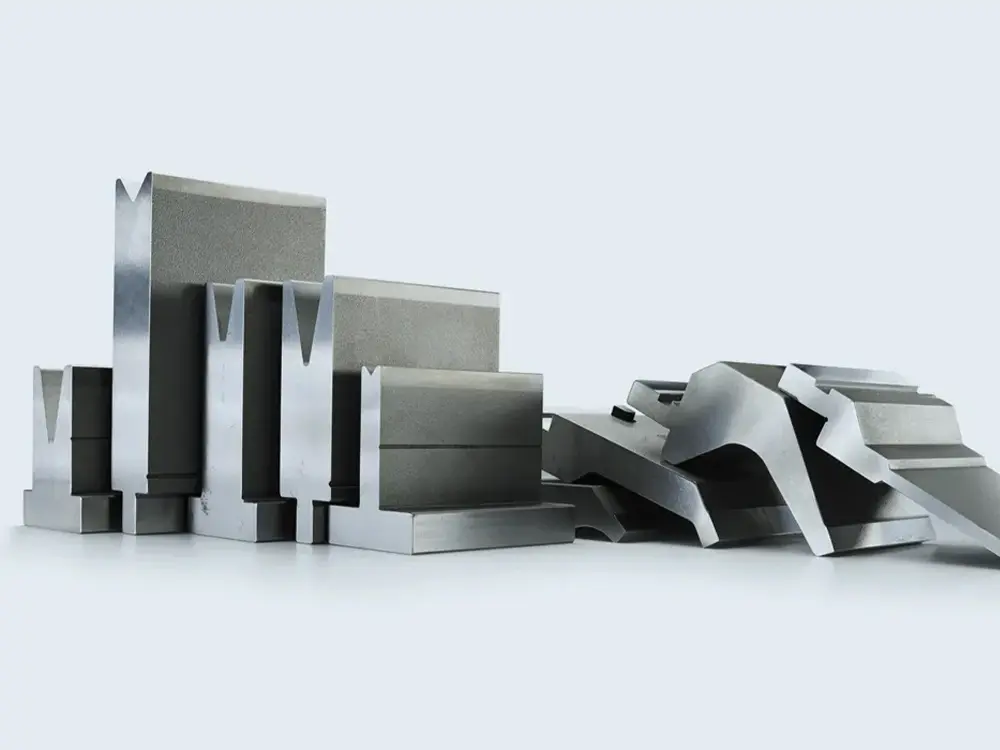
Choosing the right press brake starts with a clear understanding of your production requirements. A clear evaluation at this stage can prevent costly upgrades, efficiency losses, and capacity limitations later. Material type and thickness determine the required bending force, while the required bending accuracy affects the choice of control system and machine stability. Production volume is another key factor, as higher output demands more efficient and consistent bending performance. Budget constraints and available workshop space also play an important role in selecting a suitable press brake model.
For small workshops, repair shops, and startups with limited budgets and lower production volumes, manual press brakes can be a practical entry-level solution. They are simple to operate, require minimal maintenance, and are well-suited for basic bending tasks on thin to medium sheet metal.
As production demands grow and precision requirements increase, many manufacturers transition to hydraulic press brakes. These machines offer higher tonnage, better repeatability, and improved efficiency for continuous operation, making them ideal for medium to large-scale manufacturing environments.
Conclusion
Press brakes remain a cornerstone of modern sheet metal fabrication, and choosing the right type directly impacts production efficiency, product quality, and long-term operating costs. Manual press brakes offer a simple and economical solution for light-duty bending and low-volume work, while hydraulic press brakes provide the power, precision, and consistency required for demanding industrial applications. Understanding the differences between these two categories helps manufacturers align equipment selection with real production needs.
As manufacturing requirements continue to grow in complexity and scale, hydraulic press brakes have become the preferred choice for most professional workshops and factories. Their ability to handle thicker materials, maintain stable accuracy, and support NC or CNC control makes them indispensable for continuous production environments. Selecting a reliable hydraulic press brake machine supplier is therefore just as important as choosing the machine itself.
Wintek is a trusted hydraulic press brake machine supplier, offering robust, industrial-grade press brake solutions designed for long-term reliability and precise bending performance. With a strong focus on engineering design, structural rigidity, hydraulic system stability, and strict quality control, Wintek delivers press brake machines that meet the demands of professional manufacturing environments worldwide. Backed by extensive export experience and technical support, Wintek helps manufacturers build efficient and scalable bending operations.
