
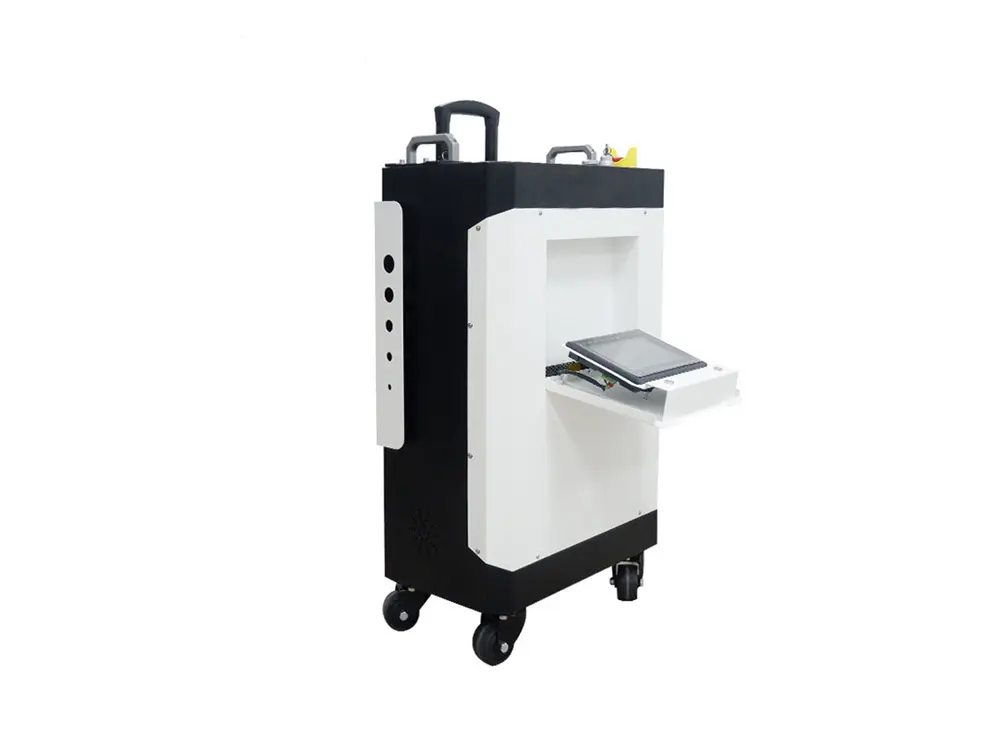
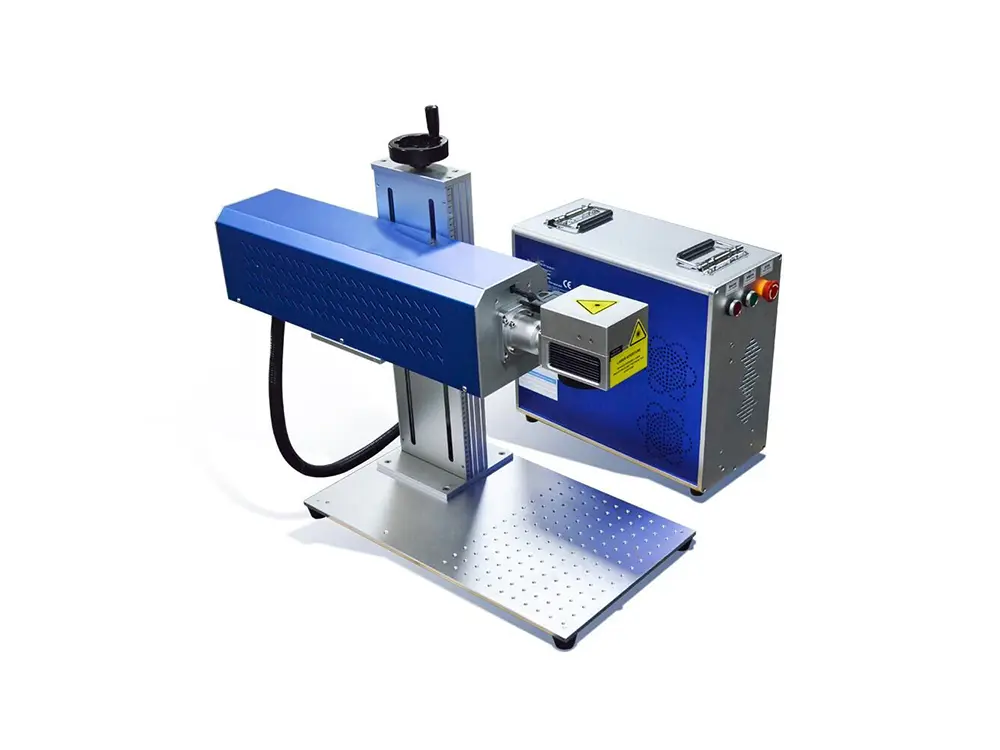











In recent years, laser welding has become more popular than traditional welding technology due to its superior speed, precision and flexibility. Among the many types of laser welding, handheld laser welders and robotic laser welders are the two most widely adopted solutions.
But which one is right for your business? The answer depends on your production scale, material type, labor resources, and long-term growth plans. This guide compares handheld and robotic laser welding in detail and provides practical advice to help you make an informed decision.
What Is Handheld Laser Welding?
Handheld laser welding machines are portable systems that allow operators to hold and guide a laser welding gun directly at the workpiece.
Key Features:
- Compact design with fiber laser source (commonly 1000W–3000W).
- High mobility: suitable for on-site welding or varied workshops.
- Minimal setup and training required.
- Capable of welding stainless steel, carbon steel, aluminum, galvanized, copper, and more.
Handheld laser welding has gained popularity among small-to-medium manufacturers for its flexibility and user-friendly operation.
What Is Robotic Laser Welding?
Robotic laser welding systems integrate industrial robots with high-powered laser sources to perform automated welding tasks.
Key Features:
- CNC or robotic arms precisely control the welding path.
- Capable of multi-axis welding for complex geometries.
- Typically used in automotive, aerospace, heavy machinery, and large-scale production lines.
- Requires advanced setup, programming, and higher investment.
Robotic laser welding is ideal for companies seeking mass production, maximum efficiency, and repeatable quality.
Handheld Laser Welding: Advantages and Limitations
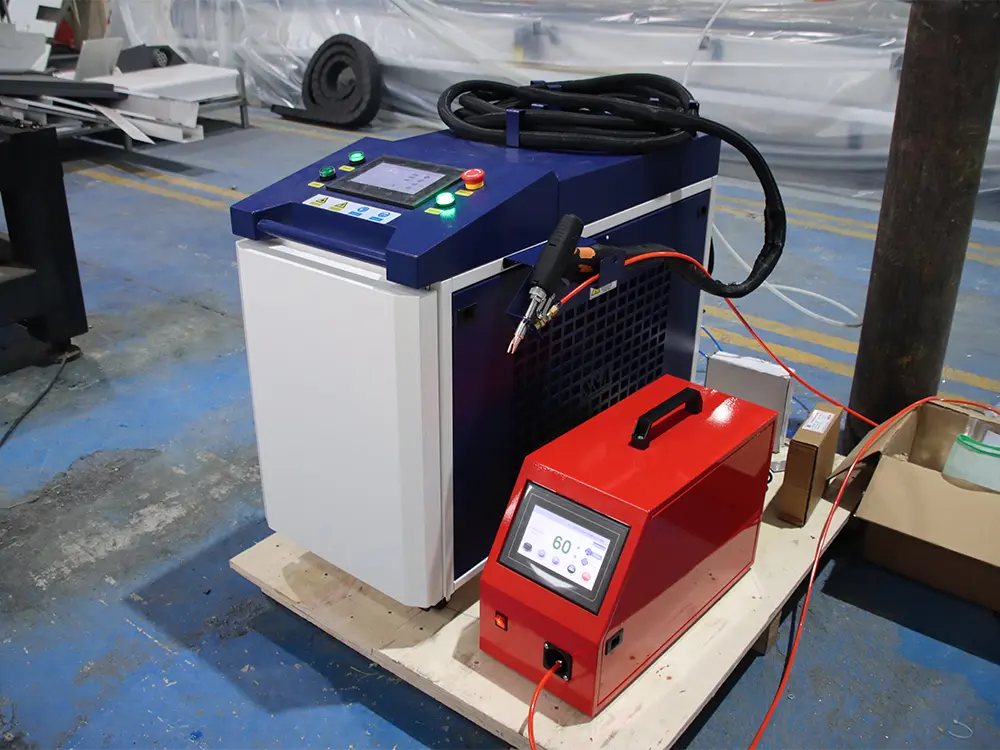
Handheld laser welding machines are highly valued for their flexibility. Operators can easily weld workpieces of different shapes and sizes without relying on fixtures, making them an ideal choice for diverse and irregular applications. They are also more affordable and require a lower investment, making them particularly suitable for startups and small and medium-sized enterprises that are looking for advanced welding capabilities without the financial pressure. In addition, handheld systems are relatively easy to learn. With just a few hours of training, operators can begin producing acceptable welds, which shortens the learning curve and accelerates productivity. Their portability also allows them to be moved between different workstations, supporting flexible manufacturing setups.
However, handheld laser welding does come with limitations. The welding quality is highly dependent on the skill, steadiness, and experience of the operator, which can lead to variability in results. Unlike robotic welding, handheld welding struggles to maintain absolute consistency and repeatability, making it less suitable for tasks that demand micron-level precision. Extended manual operation can also be labor-intensive, as fatigue over long shifts may reduce productivity and accuracy. Most importantly, handheld welding is not ideal for mass production scenarios, where uniform, high-speed output is required. Instead, it is best suited for customized work, prototyping, repair jobs, and small-batch manufacturing.
Robotic Laser Welding: Advantages and Limitations
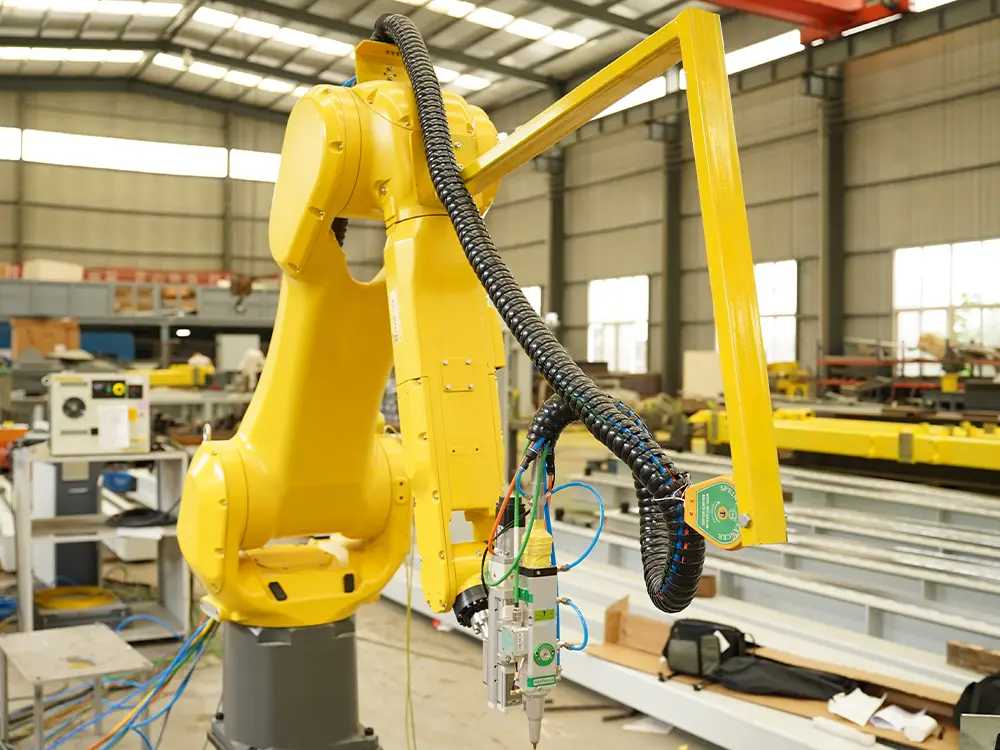
Robotic laser welding represents the next level of automation in metal fabrication. By integrating laser technology with robotic arms, manufacturers achieve unmatched consistency, repeatability, and efficiency in high-volume production. However, while robotic systems offer clear advantages, they also come with certain limitations that businesses should carefully evaluate before investing.
Advantages of Robotic Laser Welding
1. High Precision and Consistency
Robotic laser welding provides exceptional accuracy, eliminating the variability caused by manual operation. Once programmed, robotic systems can execute the same weld repeatedly with micron-level precision, ensuring consistent quality across large batches.
2. Increased Productivity
Robots can operate continuously with minimal downtime, significantly boosting output. They are especially effective in industries like automotive, aerospace, and heavy machinery, where large-scale, repetitive welding tasks are common.
3. Automation and Labor Efficiency
By reducing reliance on skilled manual welders, robotic systems lower labor costs and address workforce shortages. A single operator can oversee multiple robotic stations, optimizing workforce utilization.
4. Enhanced Safety
Robotic systems remove operators from direct exposure to high temperatures, intense light, and fumes associated with welding. This minimizes workplace hazards and contributes to a safer production environment.
5. Adaptability for Complex Designs
With proper programming, robotic laser welders can handle intricate geometries and hard-to-reach weld seams that would be challenging or inconsistent with manual operation.
Limitations of Robotic Laser Welding
1. High Initial Investment
Robotic systems require substantial upfront capital, including the robot itself, laser source, integration software, and safety infrastructure. This cost barrier can be prohibitive for startups or small manufacturers.
2. Complex Setup and Programming
Unlike handheld systems, robotic welders require precise programming and calibration. The setup process can be time-consuming, and businesses need skilled technicians to manage operation and maintenance.
3. Limited Flexibility
While excellent for repetitive tasks, robotic systems are less adaptable for small-batch or highly varied production runs. Adjustments for new workpieces often demand reprogramming, reducing responsiveness compared to handheld solutions.
4. Space Requirements
Robotic welding systems typically occupy more floor space and need safety enclosures, which may not be feasible for workshops with limited space.
5. Maintenance and Downtime
Advanced robotic systems involve complex components. If a breakdown occurs, repairs can be costly and require specialized service, potentially leading to extended downtime.
Which One Should You Choose?
The choice depends on your business size, production needs, and growth strategy.
Choose Handheld Laser Welding if:
- You run a small-to-medium workshop.
- You work on customized or varied projects.
- You need a flexible, mobile solution.
- Budget constraints.
Choose Robotic Laser Welding if:
- You require mass production and consistent quality.
- You operate in industries like automotive or aerospace.
- You want to integrate with automated production lines.
- You can afford higher investment and skilled staff.
Conclusion
Both handheld and robotic laser welding machines offer unique advantages. Handheld laser welding offers flexibility, affordability, and ease of use, making it ideal for small and medium-sized enterprises. Robotic laser welding ensures precision, repeatability, and scalability, ideal for high-volume industrial production.
When deciding between the two, consider your production volume, investment budget, workforce, and long-term strategy. For many businesses, starting with handheld systems and gradually transitioning to robotic solutions as demand grows is a practical pathway.