
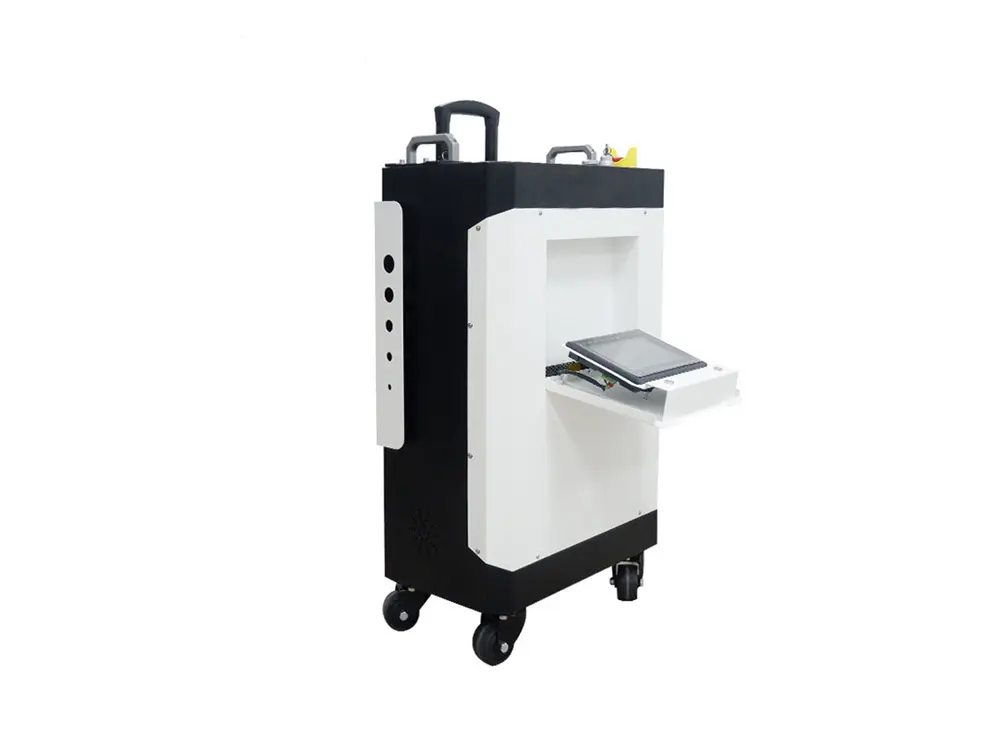
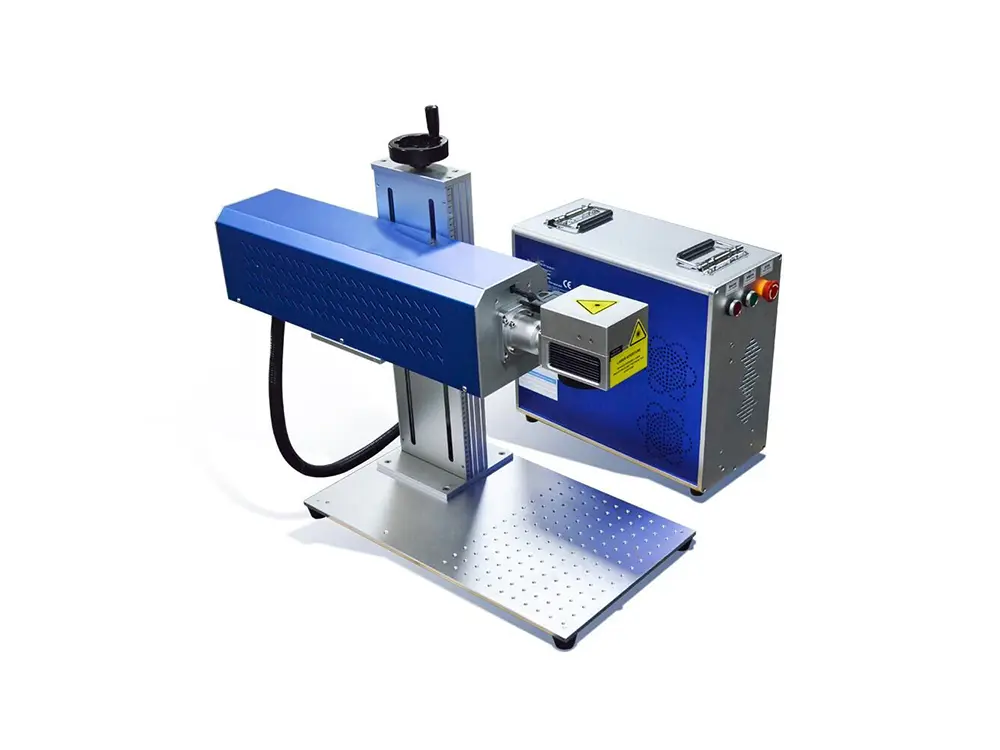











Laser cleaning machines are revolutionizing the way industries remove rust, paint, oil, oxides, and other contaminants from metal and non-metal surfaces. Compared to abrasive blasting, chemical solvents, or manual grinding, laser cleaning offers unmatched precision, environmental friendliness, and efficiency. However, like any advanced industrial tool, proper usage is essential to achieve the best results.
For beginners, operating a laser surface cleaning machine without proper training can lead to mistakes that reduce performance, increase costs, or even damage the equipment and workpiece. This article explores the most common mistakes new operators make and provides guidance on how to avoid them, ensuring safe, efficient, and effective use of laser cleaning technology.
Misunderstanding the Basics of Laser Cleaning
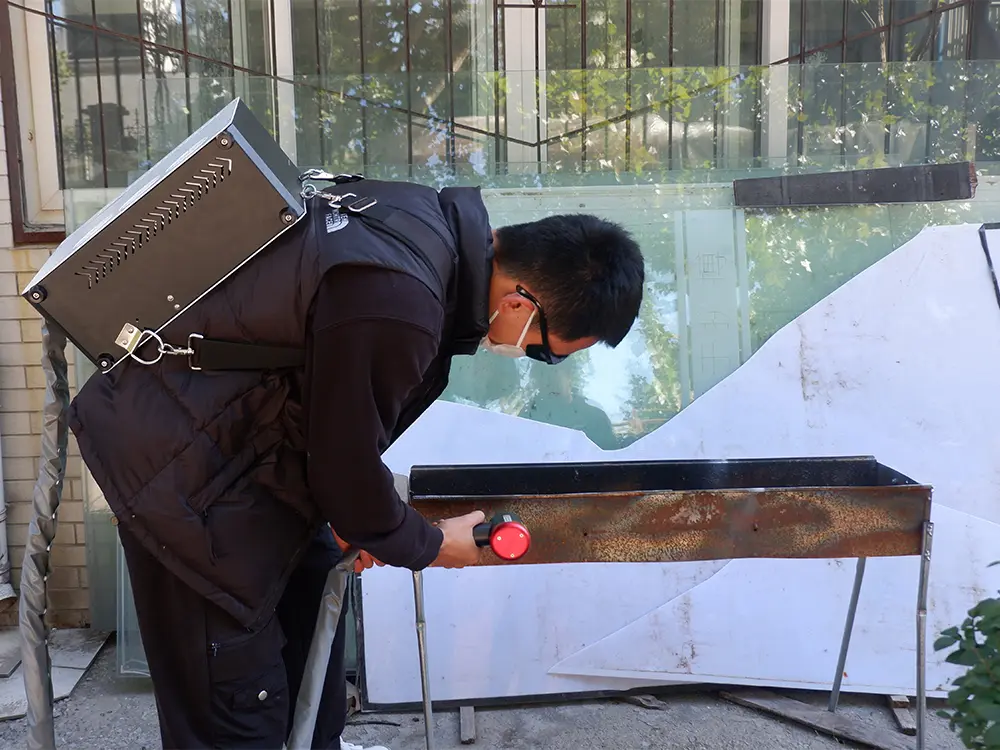
One of the first mistakes beginners make is not fully understanding how laser cleaning works. A laser cleaning machine doesn’t function like a mechanical grinder or sandblaster. Instead, it relies on high-intensity laser beams that precisely heat and vaporize unwanted layers such as rust or paint, leaving the base material intact.
- Beginner mistake: Treating the machine like a mechanical tool and applying pressure on the surface.
- Correct method: Recognize that laser cleaning is a non-contact process; you only need to guide the laser head at the proper angle and distance.
Understanding this principle prevents misuse and ensures that the machine is applied correctly.
Incorrect Parameter Settings
Laser cleaning machines allow operators to adjust parameters such as laser power, pulse frequency, scanning speed, and focus distance. Beginners often make the mistake of using default factory settings or guessing the parameters, which can lead to inefficient cleaning or surface damage.
- Too much power: May burn or melt the substrate material.
- Too little power: Fails to remove contaminants effectively, requiring repeated passes and wasting time.
Start with recommended settings provided in the user manual or by the manufacturer, then gradually fine-tune based on the material type and contamination level. Over time, operators will develop a better sense of parameter adjustment for specific applications.
Neglecting Proper Focal Distance
The focal distance—the space between the laser head and the workpiece surface—is critical for performance. Many beginners hold the laser head too close or too far from the surface.
- Too close: Can overheat the material and cause burns or surface deformation.
- Too far: Reduces cleaning efficiency and wastes energy.
Most handheld laser cleaning machines include a focus indicator or built-in positioning system to guide the operator. Always ensure the laser head is at the correct working distance to achieve optimal cleaning results.
Overlooking Safety Precautions
Laser cleaning machines are powerful tools, and improper handling can pose serious risks. A common mistake is ignoring safety measures, especially when beginners underestimate the intensity of laser radiation.
Key safety oversights include:
- Operating without laser safety goggles, exposing eyes to harmful laser beams.
- Failing to set up warning zones to prevent bystanders from accidental exposure.
- Forgetting about ventilation systems, which are necessary to remove dust, fumes, and vaporized particles created during cleaning.
Solution: Always follow laser safety protocols, wear protective equipment, and ensure the workspace is properly ventilated.
Attempting to Clean Unsuitable Materials
Laser cleaning works best on materials like steel, stainless steel, aluminum, titanium, copper, and some non-metallic surfaces. However, not every material is suitable. Beginners sometimes attempt to clean plastic or sensitive composites without realizing that these can burn, deform, or release toxic fumes.
Always verify that the substrate is laser-compatible before beginning. If unsure, conduct a small test on an inconspicuous area to confirm results.
Over-Cleaning the Surface
Another frequent error is over-cleaning—keeping the laser beam on the same spot for too long. Beginners often think that longer exposure ensures better results, but in reality:
- It can damage the substrate by removing protective coatings.
- It wastes energy and increases operating costs.
- It reduces overall cleaning efficiency.
The correct technique involves moving the laser head in a consistent sweeping motion to remove contaminants layer by layer without overheating the material.
Ignoring Maintenance of the Machine
A common beginner oversight is neglecting machine maintenance. Laser cleaning machines require regular care to maintain efficiency and extend their lifespan.
Neglected maintenance may lead to:
- Dust accumulation on optics reduces beam quality.
- Overheating due to blocked cooling systems.
- Shortened lifespan of the laser source.
Follow the manufacturer’s maintenance schedule, clean optics regularly, and check cooling systems to keep the machine in top condition.
Forgetting About Environmental Factors
Environmental conditions such as humidity, dust, and ambient temperature can impact cleaning performance. Beginners may overlook this and operate the machine in unsuitable environments.
- Excessive dust may interfere with optics.
- High humidity can cause condensation, affecting laser beam stability.
- Extreme heat may stress the cooling system.
Always operate the machine in recommended environmental conditions to achieve stable performance.
Conclusion
Laser cleaning machines are powerful, versatile tools that can dramatically improve surface preparation and contaminant removal in industries ranging from automotive and aerospace to construction and cultural heritage restoration. However, improper operation by beginners often reduces performance, increases costs, and risks damaging materials.
By avoiding the mistakes outlined in this article (such as misusing parameters, neglecting safety, over-cleaning, or ignoring maintenance), new operators can quickly achieve professional-grade results. Ultimately, the key to success lies in proper training, careful parameter adjustment, and adherence to safety and maintenance practices. With these in place, even beginners can unlock the full potential of laser cleaning technology and bring long-term value to their business.