











In today’s competitive manufacturing environment, efficiency defines competitiveness. It is no longer enough to simply “get the job done.” Manufacturers require equipment that delivers higher output, lower operating costs, and the flexibility to process a wide variety of materials. Choosing the right technology has become a strategic decision that directly impacts long-term growth and profitability.
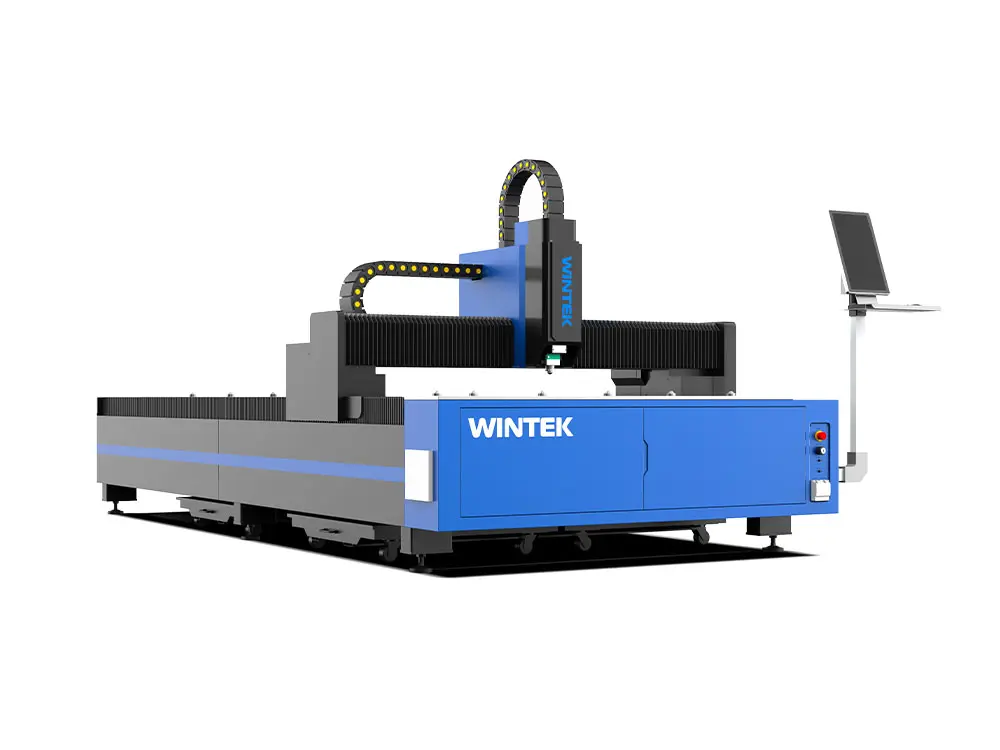
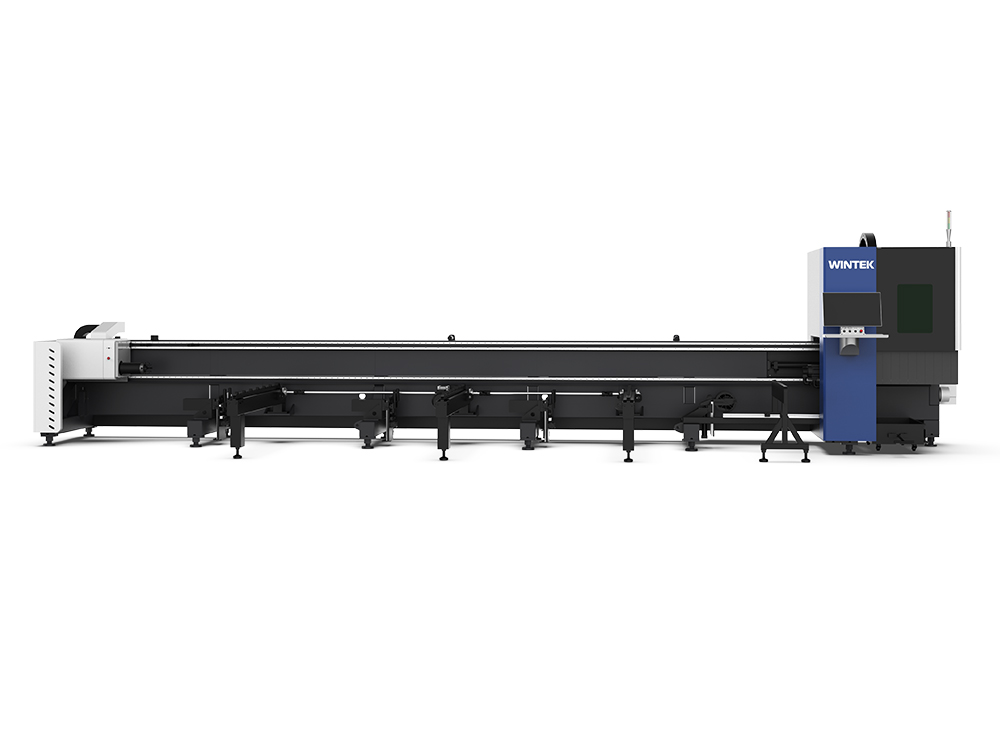
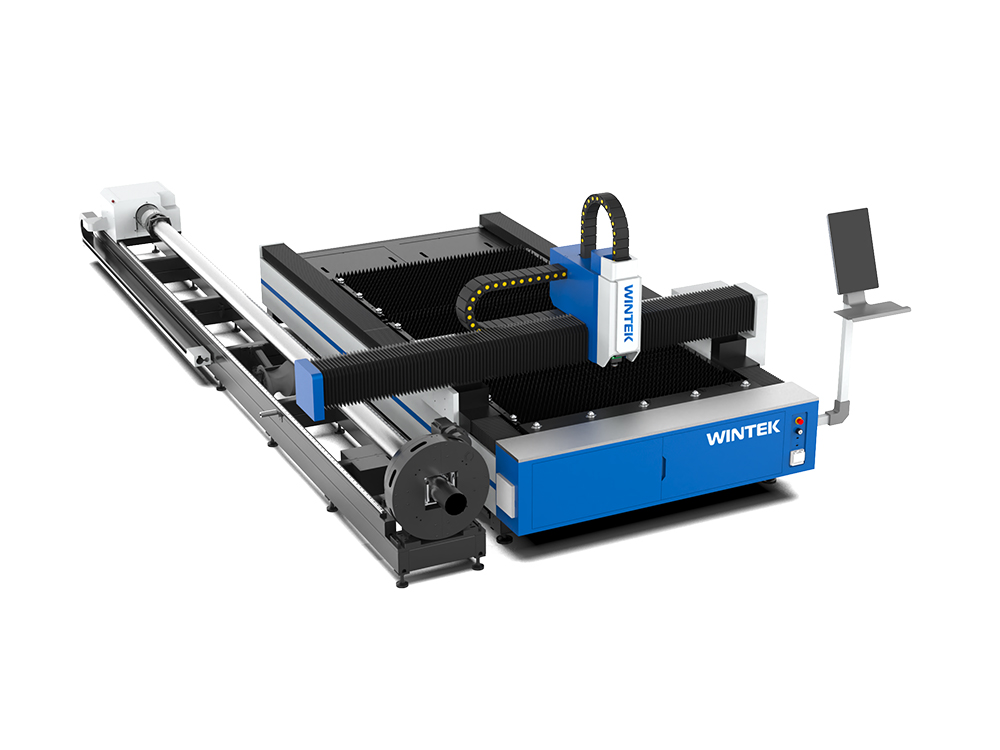
This is where high power fiber laser cutting machines prove their value. Unlike traditional cutting methods or even lower-power laser systems, they deliver unmatched speed, precision, and consistency, especially when working with thick or highly reflective metals. By dramatically reducing production times and minimizing material waste, these machines enable manufacturers to increase throughput while maintaining exceptional quality standards.
More importantly, a high power laser cutting machine is not just a piece of equipment—it is a long-term investment. Companies that embrace this technology gain a decisive competitive advantage, allowing them to take on more complex projects, secure higher-value contracts, and achieve a faster return on investment.

Laser Cutting Power and Speed
High power fiber laser cutting machines, typically rated between 6kW and 30kW, stand out for their ability to process thick and reflective metals with exceptional speed and efficiency.
Thicker Material Capability: The 12KW or 20KW fiber laser can easily cut through 40 to 60 mm stainless steel, carbon steel, or aluminum with clean edges, something that low power systems cannot achieve.
Faster Production Cycles: High power lasers cut several times faster than low power models. For instance, a 12KW laser may cut 20 mm carbon steel three to four times quicker than a 4KW machine, drastically reducing cycle times.
Multi-Material Flexibility: They handle a wide range of metals, including stainless steel, carbon steel, aluminum, brass, and copper, offering versatility for diversified production needs.
This combination of speed and cutting capability translates directly into higher throughput and shorter lead times, which are critical for manufacturers competing in fast-paced markets.
Superior Precision and Quality
High power fiber lasers not only cut faster, but they also produce exceptionally clean and precise edges, minimizing the need for secondary processing.
Smooth Cutting Edges: Advanced beam control ensures burr-free, sharp edges, even in thick plates.
Complex Geometries: The fine beam diameter allows intricate shapes and small holes to be cut with high accuracy.
Reduced Post-Processing: Minimal dross and distortion mean less grinding, polishing, or finishing work, saving labor and time.
By achieving high-quality parts directly from the cutting stage, companies reduce downstream costs and improve product consistency.
Lower Operational Costs Compared to Traditional Methods
Although the initial investment in a high power laser cutter is significant, the operational costs are generally lower than plasma or waterjet cutting.
Energy Efficiency: Modern fiber lasers convert electrical energy into laser power at efficiency rates above 40%, much higher than CO₂ or plasma systems.
Reduced Consumables: Unlike plasma cutting, which requires frequent consumable replacements, fiber lasers mainly rely on protective lenses and nozzles with longer service life.
Minimal Waste: The narrow kerf width ensures maximum material utilization, lowering raw material costs.
Over time, these operational savings help offset the higher purchase price and contribute to long-term profitability.
Enhanced Automation and Productivity
High power laser cutting machines integrate seamlessly with automation systems, such as robotic arms, material loading/unloading units, and intelligent nesting software.
24/7 Unmanned Operation: Automated systems enable lights-out manufacturing, allowing machines to run overnight without supervision.
Smart Monitoring: Many high power models are equipped with sensors and AI-driven monitoring to detect cut quality, adjust parameters, and reduce downtime.
Batch and Custom Production: Whether producing thousands of identical parts or small-batch custom jobs, the flexibility of high power lasers meets diverse manufacturing needs.
Automation not only reduces labor dependency but also improves consistency and scalability.
Meeting Industry Demands for Thicker and Tougher Metals
As industries evolve, the demand for thicker and stronger metal components continues to grow.
- Automotive & EV Industry: Cutting structural parts, battery components, and chassis with high precision.
- Aerospace: Processing heat-resistant alloys for turbine parts and aircraft structures.
- Shipbuilding & Heavy Machinery: Cutting large steel plates efficiently while ensuring durability.
- Construction & Infrastructure: Handling beams, rebar, and custom architectural components.
High power laser cutting machines are indispensable for companies aiming to serve these high-demand sectors.
Return on Investment (ROI): The Long-Term Value
While a high-power fiber laser cutting machine requires significant upfront investment, ROI is remarkably strong when you consider:
Faster Payback Period: Due to higher productivity and lower costs, many businesses recoup their investment within 1–3 years.
Competitive Advantage: Faster turnaround times and better product quality attract more clients and higher-value contracts.
Future-Proof Technology: As customer requirements evolve, having a high power machine ensures your workshop can handle both current and future demands.
Simply put, the machine pays for itself through increased efficiency, reduced waste, and expanded business opportunities.
Low Power Fiber Laser Cutters VS High Power Fiber Laser Cutters
The table below outlines the main differences between low-power and high-power fiber laser cutting machines to help you compare their performance. This comparison will make it easier to choose the right machine for your production needs.
| Low power fiber laser cutting machine | High power fiber laser cutting machine | |
| Power | ≤3000W | ≥6000W |
| Applicable material thickness | Carbon steel ≤6mm, stainless steel ≤3mm, aluminum plate ≤2mm | Carbon steel ≤ 50mm, stainless steel ≤ 30mm, aluminum plate ≤ 20mm |
| Cutting speed | Thin plate cutting speeds are moderate (eg: 1mm carbon steel, approximately 3-5m/min on a 3000W machine). Thick plate cutting speeds are slow (eg: 6mm carbon steel, possibly <1m/min). |
Thick plate cutting speed is significantly faster (for example, for 10mm carbon steel, the speed of 6000W equipment can reach 2-3m/min, which is 2-3 times that of 3000W equipment). |
| Cutting quality | The heat-affected zone is small (<0.1mm), the incision is smooth, and the precision is high (±0.03mm), which is suitable for precision machining. | The heat-affected zone (0.1–0.3mm) in thick plate cutting can be minimized through beam mode adjustment, ensuring verticality and surface quality for industrial-grade parts. |
| Cutting edge quality | The edge of the thin plate has no burrs and little slag, and no secondary grinding is required. | Thick plates may produce slight dross, but high-power machines with automatic removal functions minimize it and reduce post-processing costs. |
| Operating cost | Low power consumption, small cooling system load, slow consumption of consumables (nozzles, lenses) | High power consumption, the cooling system requires a high-power chiller, and consumables are quickly depleted |
| Productivity efficiency | The efficiency of thin plate batch processing meets small and medium-sized orders, but thick plate processing is inefficient and cannot meet large-quantity demand. | Thick plate processing is highly efficient and suitable for large-scale production, which can significantly reduce the processing time per unit product. |
Conclusion
High-power fiber laser cutting machines represent not only advanced equipment, but also a strategic investment in the future of manufacturing. Their ability to cut thicker materials faster, deliver cleaner results, reduce operating costs, and integrate with automation makes them indispensable for industries competing on a global scale.
While the upfront cost may seem daunting, the long-term savings, productivity gains, and competitive advantages far outweigh the initial expense. Companies that invest today position themselves for sustained growth, stronger customer satisfaction, and increased profitability. If your business is ready to expand its capabilities, meet growing market demands, and secure a long-term competitive edge, then a high power fiber laser cutting machine is worth the investment.