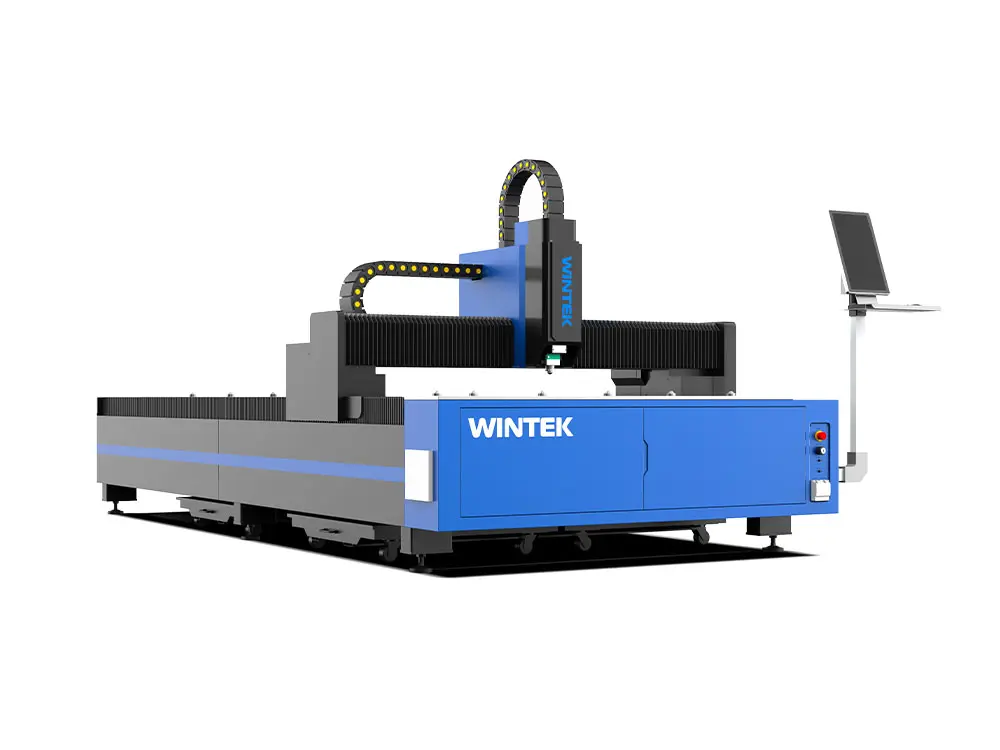
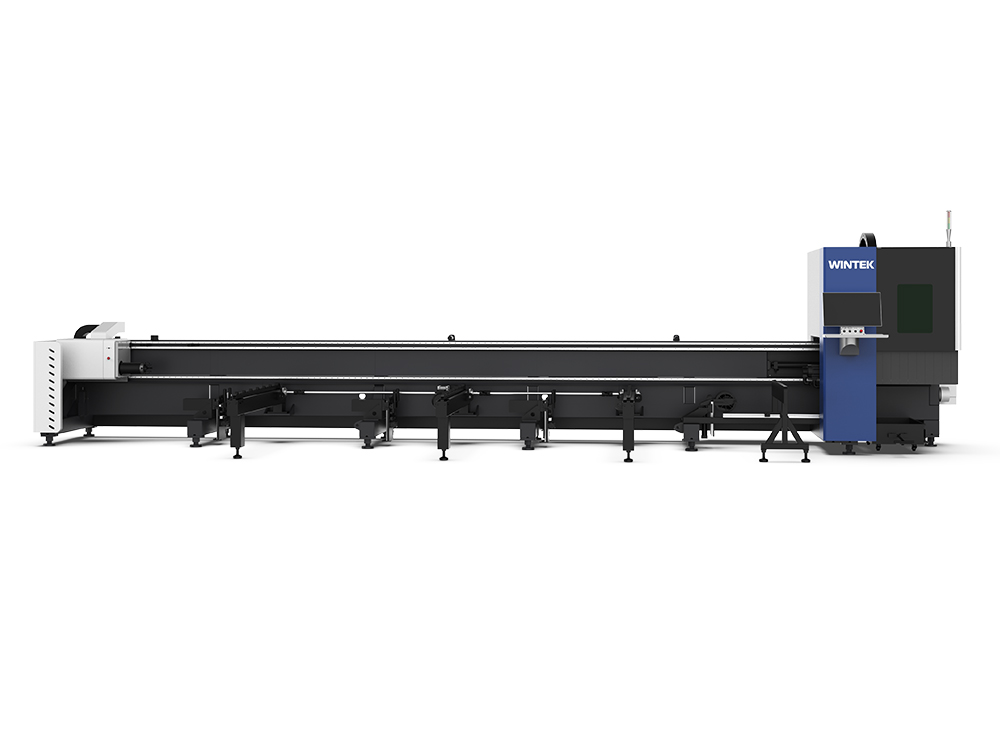
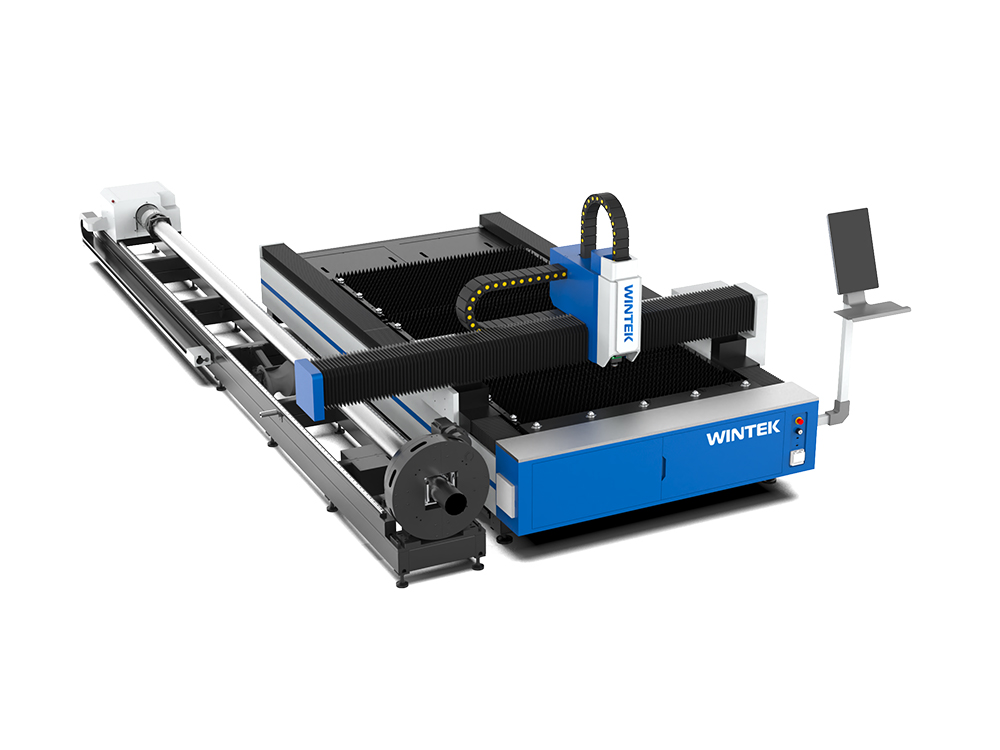











In modern industrial manufacturing, laser cutting machines have become one of the most widely used tools for metal sheet processing. When choosing a laser cutting machine, many buyers focus on power, cutting speed, and brand reputation. However, there is another critical factor that directly affects production efficiency, material utilization, and long-term ROI: the cutting bed size (also called working area or cutting format).
Selecting the cutting bed size is not just a matter of machine specifications. It determines whether your machine can handle the materials you need, whether your factory space is efficiently utilized, and whether your investment will remain practical as your business grows. This guide will explore everything you need to know about choosing the right cutting bed size for your laser cutter.

What Is the Cutting Bed Size of a Laser Cutting Machine?
The cutting bed size refers to the maximum sheet size that the laser cutting machine can accommodate and cut in one setup. It is typically expressed in millimeters, such as 3000 × 1500 mm, 4000 × 2000 mm, or 6000 × 2000 mm.
Why Is It Important?
- Material Compatibility: The machine’s working area must match or exceed the size of the sheets you intend to cut.
- Production Efficiency: Larger beds allow cutting multiple parts in one go, reducing material handling and increasing throughput.
- Investment Planning: The choice of bed size influences the cost of the machine, space requirements, and even the type of loading/unloading systems you need.
For example, if your business mainly processes standard sheet sizes such as 1220 × 2440 mm or 1500 × 3000 mm, then a 3000 × 1500 mm machine would be sufficient. But if you deal with oversized sheets or want to cut multiple sheets simultaneously, you may need a larger format like 6000 × 2000 mm.
Key Factors to Consider When Choosing Cutting Bed Size
1. Size of Raw Materials
The first and most critical factor is the size of the raw materials you plan to process.
- Standard sheet sizes (1220 × 2440 mm, 1500 × 3000 mm): A 3000 × 1500 mm machine is ideal.
- Oversized sheets used in shipbuilding, heavy machinery, or construction: Consider machines with 4000 × 2000 mm or larger formats.
- Custom sheet sizes: You may need a tailor-made cutting bed or ground-rail laser cutter to accommodate ultra-large sheets up to 12–30 meters in length.
2. Production Volume and Efficiency Needs
- High-volume production: A larger bed allows you to nest more parts per sheet, reducing idle time and improving efficiency.
- Low-volume or customized production: A smaller bed size may be more cost-effective and space-saving while still meeting demand.
3. Cost and Investment Balance
The larger the cutting bed, the higher the equipment cost. Additionally, bigger machines require larger factory space and more advanced material handling systems.
- Smaller bed machines are budget-friendly and suitable for startups or SMEs.
- Larger bed machines require higher upfront investment but deliver better returns for industries with heavy-duty demands.
4. Industry Application
- Automotive, aerospace, heavy machinery: Require large-format cutting machines to handle big sheets and structural parts.
- Electronics, signage, household appliances: Typically use standard sheet sizes, making mid-range machines sufficient.
- Shipbuilding, bridge construction: Often need ultra-large ground-rail laser cutting machines for long and wide materials.
5. Space and Logistics
Even if you can afford a larger machine, you need to ensure your factory has the floor space, ceiling height, and logistics systems to handle it. A 6000 × 2000 mm machine requires much more space than a 3000 × 1500 mm one, not only for the machine itself but also for loading, unloading, and operator access.
6. Future Expansion
Your business may grow, and your material requirements may change. Investing in a slightly larger bed size now can save you from the cost of replacing your machine in just a few years. Consider both your current needs and your future goals.
Common Laser Cutting Bed Sizes and Their Applications
3000 × 1500 mm (Standard Size)
- Most common size for sheet metal fabrication.
- Matches the widely available 1500 × 3000 mm sheet format.
- Ideal for SMEs and industries with standard production requirements.
4000 × 2000 mm (Mid-Large Size)
- Provides more flexibility for larger sheets.
- Increases efficiency by allowing more parts per sheet.
- Suitable for medium-sized manufacturing enterprises.
6000 × 2000 mm (Large Size)
- Designed for heavy industry and large-format production.
- Popular in construction, shipbuilding, and machinery manufacturing.
- Requires larger floor space and automated handling systems.
Custom Ground-Rail (10–20 m or More)
- Used in specialized industries such as shipyards, bridge construction, and heavy steel fabrication.
- Machines can be extended modularly to accommodate extremely long and wide sheets.
- Investment is high, but no alternative method matches the efficiency for such large-scale operations.
Practical Recommendations for Selecting Cutting Bed Size
1. Match with Your Main Materials: Always base your choice on the raw materials you use most frequently. Avoid overspending on bed size if your materials are mostly standard sheets.
2. Balance Cost and Efficiency: A larger bed can improve efficiency but comes with higher costs. Evaluate whether the efficiency gains justify the investment.
3. Consider Factory Layout: Ensure your facility has enough space and proper logistics (cranes, forklifts, material storage) to accommodate the machine.
4. Plan for Growth: If your business is expanding into larger-scale production or new industries, consider investing in a slightly larger bed to future-proof your purchase.
5. Consult Experts: If you’re unsure, consult a professional laser cutting machine supplier. They can analyze your material requirements, production goals, and budget to recommend the best format.
Conclusion
Choosing the right laser cutting machine size is not just a technical decision but also a strategic investment for your business. The cutting area you select will directly affect the range of materials you can process, the size of projects you can handle, and the efficiency of your production workflow. A machine with a suitable cutting bed ensures flexibility for future growth while avoiding unnecessary costs for oversized equipment.
Whether your business focuses on small-scale precision parts or large-format industrial projects, aligning your machine’s cutting size with your actual production needs will maximize both efficiency and profitability. By carefully evaluating your current requirements and considering potential expansion, you can make a confident decision that supports your long-term success in metal processing.