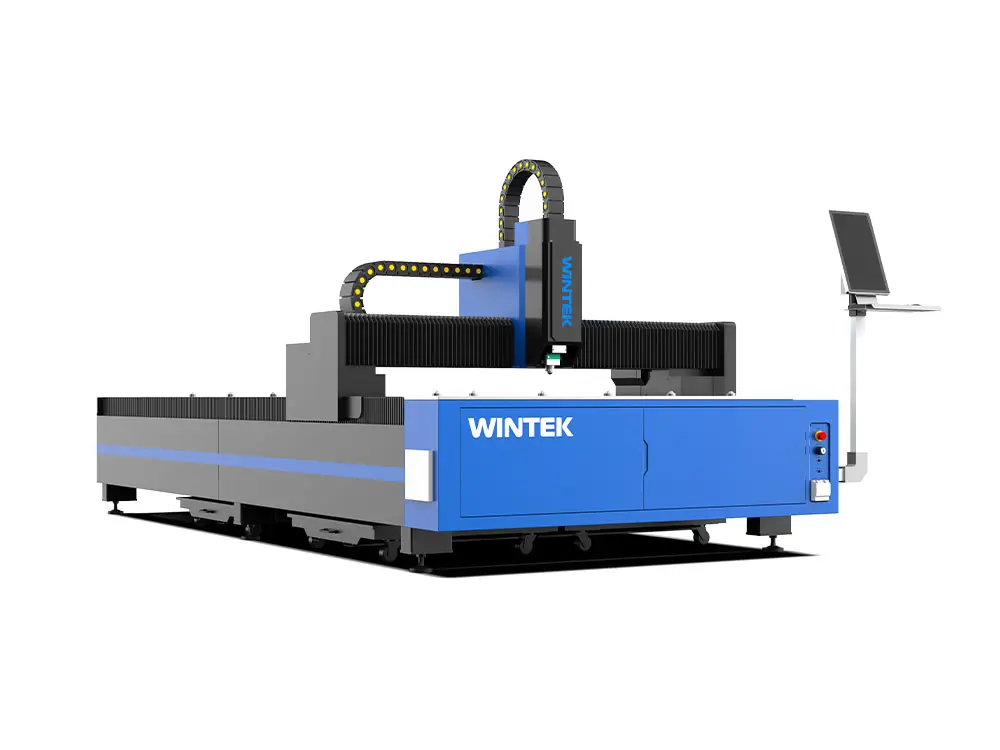
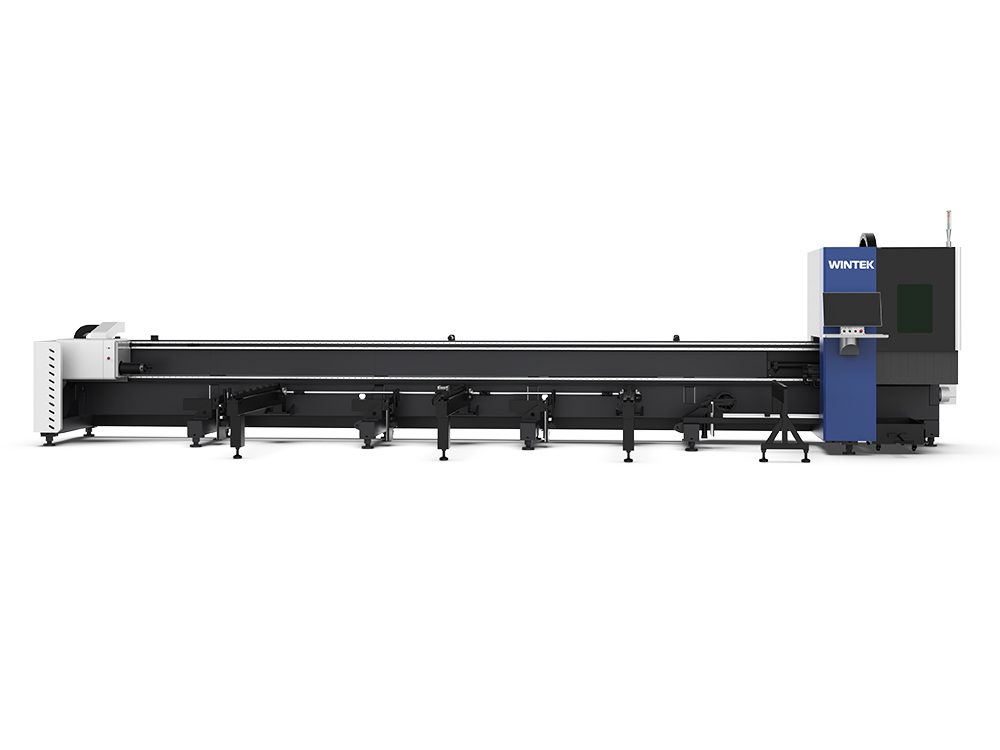
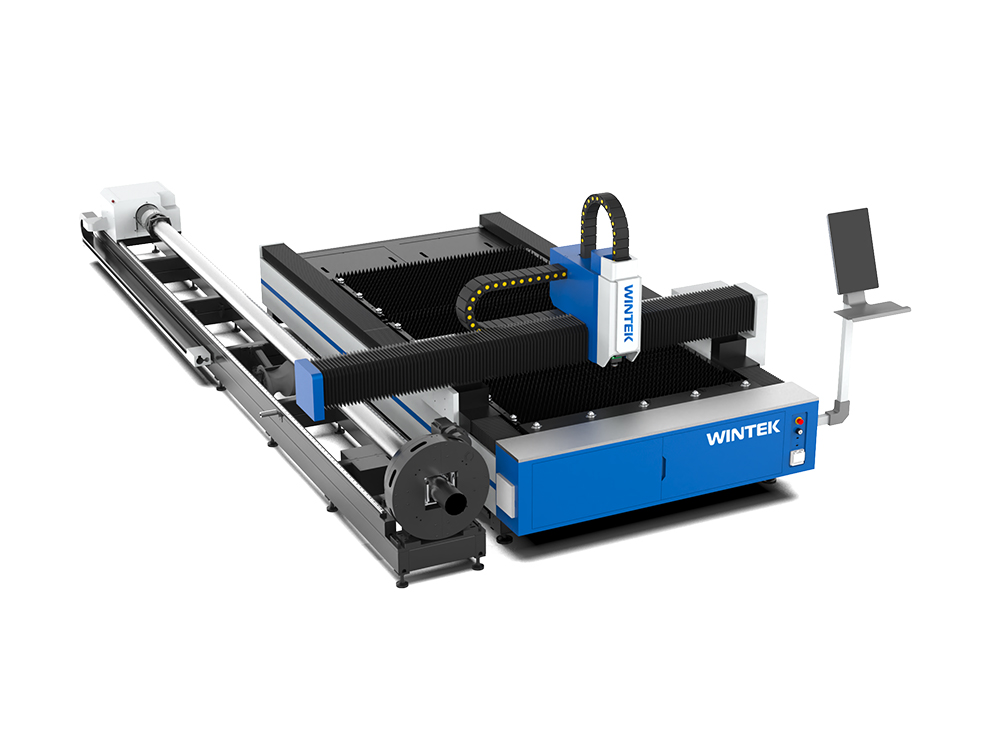

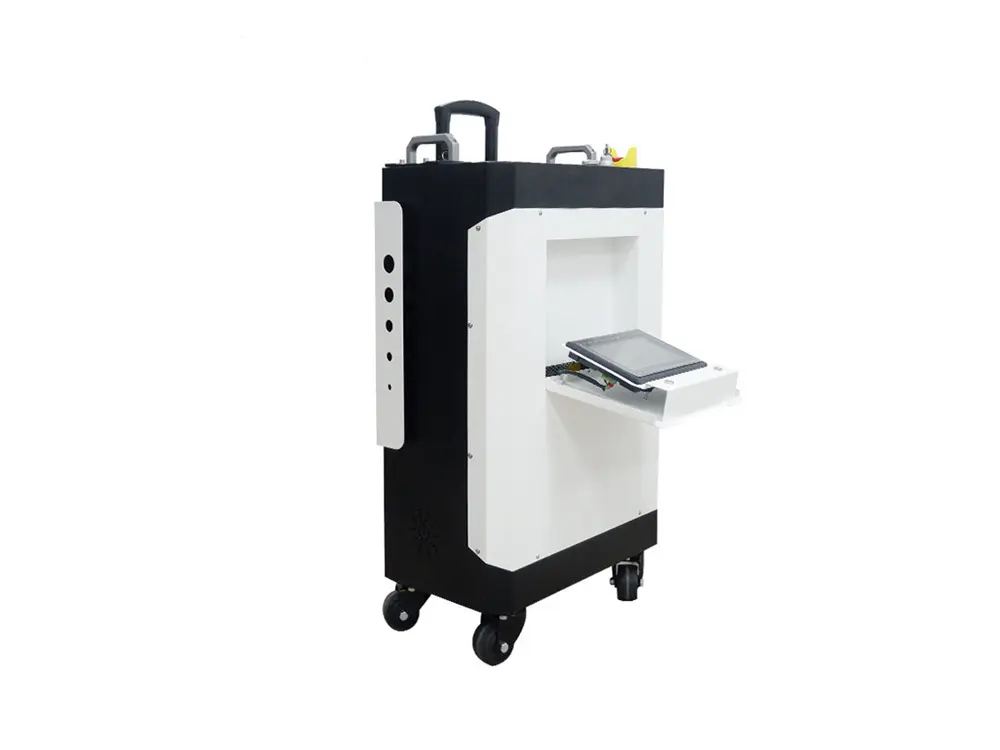
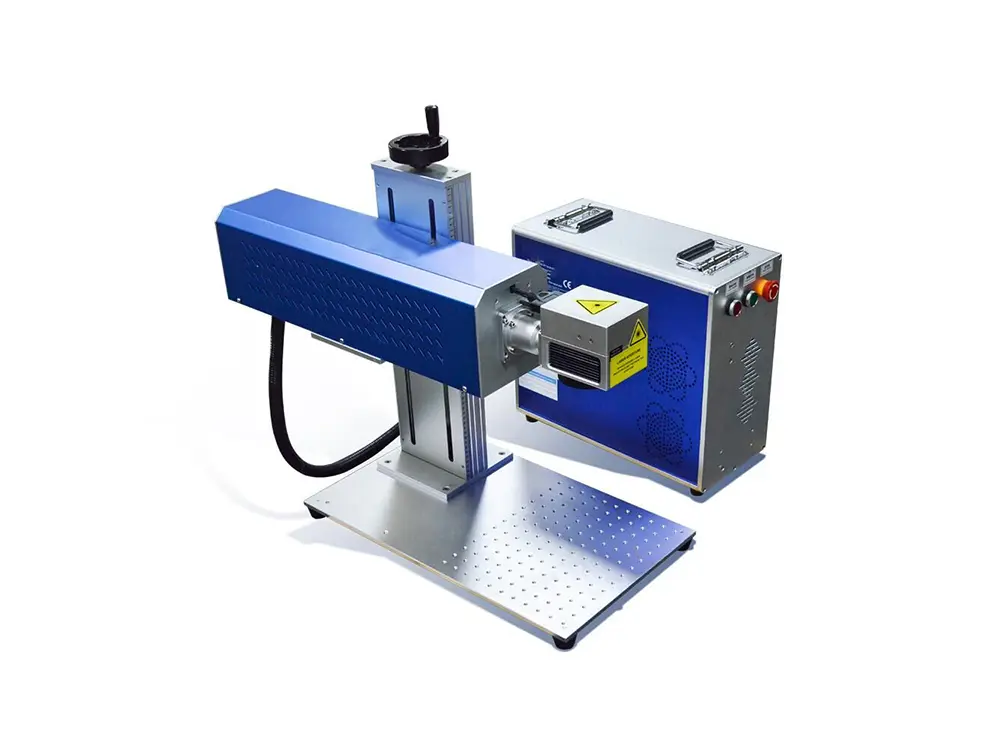











Fiber laser cutting has become one of the most widely used technologies in modern metal fabrication. With its high precision, fast cutting speed, low maintenance cost, and excellent cutting quality, fiber laser cutting machines are now essential equipment in industries such as sheet metal processing, automotive manufacturing, engineering machinery, metal furniture, and custom fabrication.
For beginners, learning how to correctly operate a fiber laser cutting machine is a critical first step. Proper operation not only ensures clean and accurate cutting results but also protects the machine, improves production efficiency, and guarantees operator safety. This step-by-step guide is designed specifically for beginners who are using a laser cutting machine for metal for the first time. Whether you are cutting stainless steel, carbon steel, aluminum, brass, or galvanized steel, this guide will help you build a solid and professional operating foundation.
How Does a Fiber Laser Cutting Machine Work
The fiber laser cutting machine generates a high-energy laser beam through a fiber laser source. The beam is transmitted through an optical fiber and focused by the cutting head onto a tiny point on the metal surface. The intense energy instantly melts or vaporizes the metal, while assist gas blows away the molten material, forming a narrow and precise cutting kerf.
Unlike CO₂ laser systems, fiber lasers use solid-state laser sources and electronic components, which makes them more energy-efficient, more stable, and much easier to maintain. Fiber laser technology is especially suitable for cutting metal materials, including highly reflective metals such as aluminum, brass, and copper.
Key Features of Fiber Laser Cutting Machine for Beginners
- High precision, delivering clean edges and accurate cuts.
- Fast cutting speed for thin and medium-thickness metal sheets.
- Ability to cut reflective metals like aluminum, brass, and copper with anti-reflection protection.
- Energy-efficient operation with low power consumption and long laser source lifespan.
- Stable cutting quality, providing consistent performance for metal fabrication.
A beginner-friendly laser cutter should offer consistent cutting quality, reliable safety features, and intuitive control software. These qualities make it ideal for new operators and meet the key requirements of a laser cutting machine for beginners.
Essential Safety Guidelines Before Operating
Safety must always be the top priority when using a fiber laser cutting machine. Beginners should strictly follow all basic safety rules before starting any cutting operation.
Always wear certified laser protective goggles designed for fiber laser wavelengths. Make sure all protective covers, safety doors, and shields are properly closed. Never operate the machine with the safety system disabled.
Proper ventilation is extremely important. Metal cutting produces smoke, fumes, and fine particles that can be harmful to your health. Ensure that the exhaust system and dust collector are working properly and that the workspace is well ventilated.
Before cutting, locate the emergency stop button and fully understand how to use it. Never place your hands inside the cutting area while the machine is running. Do not leave the machine unattended during operation. These basic safety habits protect both the operator and the expensive machine.
Step-by-Step Operating Process for Beginners

Step 1: Preparing the Cutting Design File
All laser cutting projects start with a digital design file. Beginners should use CAD software such as AutoCAD, SolidWorks, or Fusion 360 to create their designs. The most commonly accepted file formats for fiber laser cutting machines are DXF and DWG.
Make sure all lines in the design are continuous and free from overlaps, duplicate paths, or broken segments. Convert all text into curves to avoid font recognition errors. If the design includes cutting, marking, or engraving, place them on separate layers for easier parameter management.
Part spacing is another key factor. Leave enough distance between parts to reduce heat accumulation and prevent material warping. Beginners should start with simple geometric shapes to test cutting parameters before moving on to complex designs.
Step 2: Choosing the Right Metal Material and Thickness
Fiber laser cutting machines are designed for cutting various types of metal. Common materials include stainless steel, carbon steel, aluminum, galvanized steel, brass, and copper. Each material responds differently to laser energy and requires different cutting parameters.
Material thickness has a direct impact on cutting performance. Thin sheets are easier to cut and allow higher cutting speeds. Medium-thickness plates require balanced power and speed. Thick plates demand higher laser power and precise focus control to ensure full penetration without excessive slag.
For beginners, it is strongly recommended to start with thin carbon steel or stainless steel sheets. These materials are easier to control and help new operators quickly understand the relationship between power, speed, and cutting quality.
Step 3: Setting Up the Fiber Laser Cutting Machine
Proper machine setup is the foundation of stable and accurate cutting.
First, turn on the main power supply, CNC control system, and water chiller. Check that the cooling water temperature and flow rate are within the recommended range. A stable cooling system is critical for protecting the laser source.
Next, inspect the cutting head. Make sure the protective lens is clean and free of dust or metal splash. Check that the nozzle is properly installed and centered. Confirm that the assist gas supply is stable and that the correct gas type is selected.
Then place the metal sheet on the worktable. Ensure the sheet is flat, clean, and securely fixed to prevent movement during cutting. Double-check that the material position in the software matches the actual physical placement on the table.
Step 4: Configuring Cutting Parameters
Correct cutting parameters directly determine cutting quality.
Laser power controls the energy output of the beam. Higher power is needed for thicker materials, while thin sheets require lower power to avoid burning and deformation.
Cutting speed determines how fast the laser moves along the cutting path. If the speed is too fast, the laser may not fully penetrate the material. If it is too slow, excessive melting and heavy burrs may appear.
Assist gas plays a critical role in metal laser cutting. Nitrogen is widely used for stainless steel and aluminum to achieve clean, oxidation-free edges. Oxygen is typically used for carbon steel to improve cutting efficiency. Air can be used for low-cost cutting in certain applications.
The focus position determines how the laser energy is concentrated inside the material. Incorrect focus will result in rough edges, excessive slag, or incomplete cuts. Beginners should always start with the recommended focus settings for the selected material and thickness.
Step 5: Importing the File and Setting the Zero Point
Import the design file into the CNC control system. Carefully check the cutting direction, scale, and starting point.
Run the software simulation to preview the cutting path. Simulation helps beginners detect potential collisions, incorrect cutting order, or path errors before real cutting begins.
Set the X and Y zero point based on the actual sheet position. Then adjust the Z-axis focus height according to the material thickness and nozzle type. Accurate positioning ensures that the cutting path matches the actual metal location.
Step 6: Starting the Cutting Process
After confirming all safety conditions and cutting parameters, start the cutting program.
During the first few seconds, closely observe the laser performance. Check whether the laser penetrates the metal completely and whether the molten slag is properly blown away by the assist gas. The sparks should be stable and uniform.
If abnormal noises, excessive splashing, incomplete penetration, or unstable sparks appear, immediately pause the machine and adjust the parameters.
Step 7: Monitoring During Cutting
Even though fiber laser cutting machines are fully automated, beginners should always stay near the machine during operation.
Watch for material movement, nozzle collisions, abnormal sparks, or cutting interruptions. Pay attention to the cooling system and assist gas pressure during long cutting jobs. Immediate intervention can prevent serious damage and material waste.
Step 8: Unloading and Post-Cutting Inspection
After the cutting process is completed, allow the metal sheet to cool slightly before unloading. Inspect the finished parts carefully. Check for burrs, burn marks, dimensional accuracy, and edge smoothness. Minor burrs can be removed by light grinding or deburring tools. If cutting quality is unstable, record the parameters and adjust them for the next cutting job.
Common Mistakes Laser Cutting Machine for Beginners Should Avoid
Many cutting problems are caused by simple beginner mistakes:
- Using too much laser power on thin sheets causes burn marks and deformation.
- Setting the cutting speed too fast results in incomplete penetration.
- Incorrect focus position leading to rough edges.
- Insufficient assist gas pressure is causing heavy slag.
- Dirty protective lenses reduce cutting quality.
- Poor sheet fixing is causing vibration.
- Ignoring the software simulation before cutting.
- Selecting the wrong gas type for reflective materials.
Avoiding these mistakes will greatly improve cutting quality and protect the machine.
Basic Maintenance Tips for Beginners
Daily cleaning of the nozzle, cutting head, and protective lens is essential. Check water chiller temperature, gas pressure, and lubrication status regularly. Keep the machine free from dust and metal debris. Good maintenance habits not only improve cutting accuracy but also significantly extend the service life of the fiber laser cutting machine.
Conclusion
Learning how to use a fiber laser cutter becomes simple for beginners when they follow the correct operating procedures. Operators control cutting quality, safety, and machine performance through every step, from file preparation and material selection to parameter configuration and real cutting operation.
Through systematic learning, careful observation, and continuous hands-on practice, beginners can quickly master fiber laser metal cutting and achieve stable, high-quality production results.