











Laser cutting has become one of the most essential technologies in modern metal fabrication, and aluminum is one of the most frequently processed materials in many industries. From automotive parts to aerospace structures, architectural projects, electronics, and custom metalwork, aluminum’s lightweight characteristics and high strength-to-weight ratio make it a preferred material around the world.
However, aluminum behaves differently from carbon steel and stainless steel during laser cutting. To achieve stable performance, consistent quality, and high processing efficiency, choosing the right machine and settings is essential. Whether you are a manufacturer, a metal fabrication shop, or an industrial buyer evaluating your next equipment purchase, understanding how laser cutting interacts with aluminum can significantly improve your production results.
In this guide, we will explore everything you need to know about laser cutting aluminum, including material characteristics, cutting requirements, technology advantages, challenges, and the key considerations when selecting an aluminium laser cutting machine.
Understanding Aluminum as a Laser-Cut Material
Aluminum is widely used because it is lightweight, corrosion-resistant, flexible, and easy to shape. Yet these same properties can present challenges during laser cutting.
Reflectivity and Thermal Conductivity
Aluminum has high reflectivity, especially at room temperature, which can cause a portion of laser energy to bounce back during cutting. This means that a low-power laser may struggle to achieve a clean cut, especially on thicker plates.
In addition, aluminum’s excellent thermal conductivity quickly dissipates heat from the cutting zone. To maintain stable cutting performance, the laser must deliver high enough power and energy density to ensure continuous melting and vaporization of the material. This is where modern high-power fiber lasers excel, making a reliable aluminium laser cutting machine essential for industrial use.
Oxide Layer
Aluminum naturally forms a strong oxide layer, which has a higher melting point than the base material. A stable laser source, suitable cutting gas, and optimized process parameters are required to achieve clean edges and precise cuts.
Soft Material Structure
Compared to carbon steel, aluminum is softer, meaning it can be more prone to burrs if the process is not properly controlled. However, with the right aluminium laser cutting machine, burr formation can be greatly minimized.
Advantages of Laser Cutting Aluminum
Modern fibre laser technology has made laser cutting the preferred method for aluminum processing. Here are the key advantages:
[/col]1. High Cutting Speed
The fiber laser cutting machine can cut aluminum significantly faster than CO₂ laser systems or mechanical cutting methods. Fiber lasers are optimized for metal absorption, delivering exceptional speed even on thicker sheets. For example:
- 1500W fiber laser: suitable for thin aluminum sheets.
- 3000W–6000W: optimal for mid-thickness sheets.
- 8000W+: capable of cutting thick aluminum plates at high speed.
This speed advantage reduces cycle times and boosts production efficiency.
2. Excellent Cutting Precision
Laser cutting is known for its accuracy. For aluminum, a well-tuned machine ensures:
- Smooth, clean edges
- Tight tolerances
- Minimal heat-affected zones (HAZ)
- Nearly zero deformation
This precision is essential for industries requiring exact dimensions such as aerospace, automotive, robotics, and electronics.
3. Non-contact Cutting with Minimal Tool Wear
Unlike mechanical cutting, laser cutting does not physically touch the material. This eliminates issues such as tool wear, blade deformation, or slow processing speeds. A high-performance aluminium laser cutting machine can operate continuously with stable quality, resulting in long-term cost savings.
Challenges in Laser Cutting Aluminum and How to Overcome Them
While aluminum offers many advantages, being aware of potential challenges helps ensure stable production results.
1. High Reflectivity
Aluminum reflects a large portion of laser energy. To overcome this:
- Use a high-power fiber laser.
- Choose machines with anti-reflection protection.
- Maintain a clean, focused laser beam.
- Optimize parameters for cutting speed and focal distance.
Modern aluminium laser cutting machine designs incorporate reflection isolation technology to protect laser sources from back-reflection damage.
2. Burr Formation
Common causes include:
- Insufficient power
- Incorrect gas type or pressure
- Improper cutting speed
- Focus not optimized
With proper calibration and machine configuration, burrs can be minimized to produce clean, smooth edges suitable for welding or assembly.
3. Heat Dissipation Effects
Because aluminum absorbs heat quickly, improper process settings can produce a wide heat-affected zone. The solution is to:
- Use higher laser power.
- Maintain steady feed rates.
- Adjust nozzle design and gas pressure.
- Utilize nitrogen for oxidation-free edges.
Choosing a high-performance aluminium laser cutting machine ensures better thermal stability throughout the cutting process.
Aluminium Laser Cutting Machine: Essential Tips for High-Quality Cuts
Choosing the right assist gas is crucial for aluminum cutting. Nitrogen produces bright, clean edges with no oxidation, while air can be used for cost-saving depending on the application. Argon works well for thick aluminum but is more expensive. For most industrial needs, nitrogen is the preferred option for achieving high-quality cuts.
Optimizing laser power is also essential. Higher power provides more stable and efficient cutting for thicker sheets. As a general reference, 1000W–2000W is suitable for thin aluminum up to 4mm, 3000W–6000W for medium-thickness aluminum between 5 and 12mm, and 8000W–12000W for thick aluminum up to 15–20mm. Matching the power with your production requirements is a key factor when selecting an aluminium laser cutting machine.
Proper cooling and ventilation are important because aluminum cutting generates fumes and particles. Efficient extraction systems help improve both safety and product quality. Additionally, keeping the material clean is vital, as oil, dust, and oxide buildup can affect reflectivity and cutting performance. Regular cleaning ensures consistent, high-quality results.
How to Choose the Right Aluminium Laser Cutting Machine

Selecting the right aluminium laser cutting machine is crucial for achieving consistent, high-quality results while maximizing productivity and minimizing material waste. Aluminum has unique properties, such as high reflectivity and excellent thermal conductivity, which require careful consideration when choosing a laser system. Here’s a detailed guide to help you make an informed decision.
1. Laser Power
Laser power is one of the most critical factors to consider. It determines how effectively the machine can cut through different aluminum thicknesses and maintain high cutting speeds. Choosing the appropriate power ensures smooth cuts, minimal burrs, and efficient energy use, reducing downtime and improving overall production efficiency. For aluminum, it is essential to select a laser with sufficient power to handle both thin and thick sheets while maintaining stable and precise cutting performance.
2. Machine Structure and Stability
A stable machine structure is essential for long-term accuracy and reliability. The overall rigidity and build quality of the machine determine how well it resists vibrations and maintains precise alignment during high-speed cutting. A well-engineered aluminium laser cutting machine ensures consistent cutting quality, even when processing heavier sheets or larger workpieces, without compromising precision or efficiency.
3. Anti-Reflection Protection
Aluminum’s high reflectivity can damage the laser source if the machine is not properly equipped. Modern aluminium laser cutting machines include advanced anti-reflection protection, intelligent monitoring systems, and high-quality optical components. These features prevent back-reflection from affecting the laser, extend component lifespan, and ensure reliable operation, especially when processing reflective or thick aluminum sheets.
4. Cutting Software and Control System
The control system and software play a vital role in cutting efficiency and quality. Advanced software provides features such as intelligent piercing, automatic power adjustment, smooth corner processing, and efficient nesting algorithms. A robust control system enables operators to optimize cutting paths, reduce material waste, and maintain high precision, making it easier to handle complex shapes and custom designs.
5. After-Sales Support and Warranty
Reliable after-sales support ensures long-term performance and minimizes downtime. Choose a supplier that provides professional training, responsive technical support, and readily available spare parts. A strong warranty and dedicated service team help operators maintain consistent cutting quality and maximize the return on investment for the aluminium laser cutting machine.
Why Choose Wintek Aluminium Laser Cutting Machine?
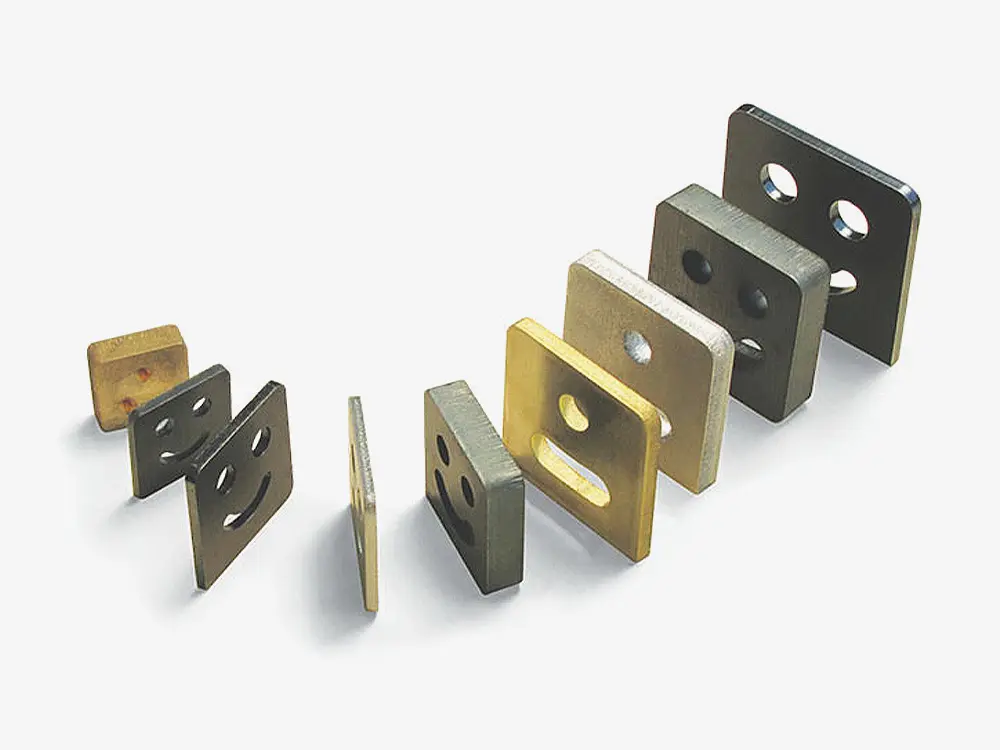
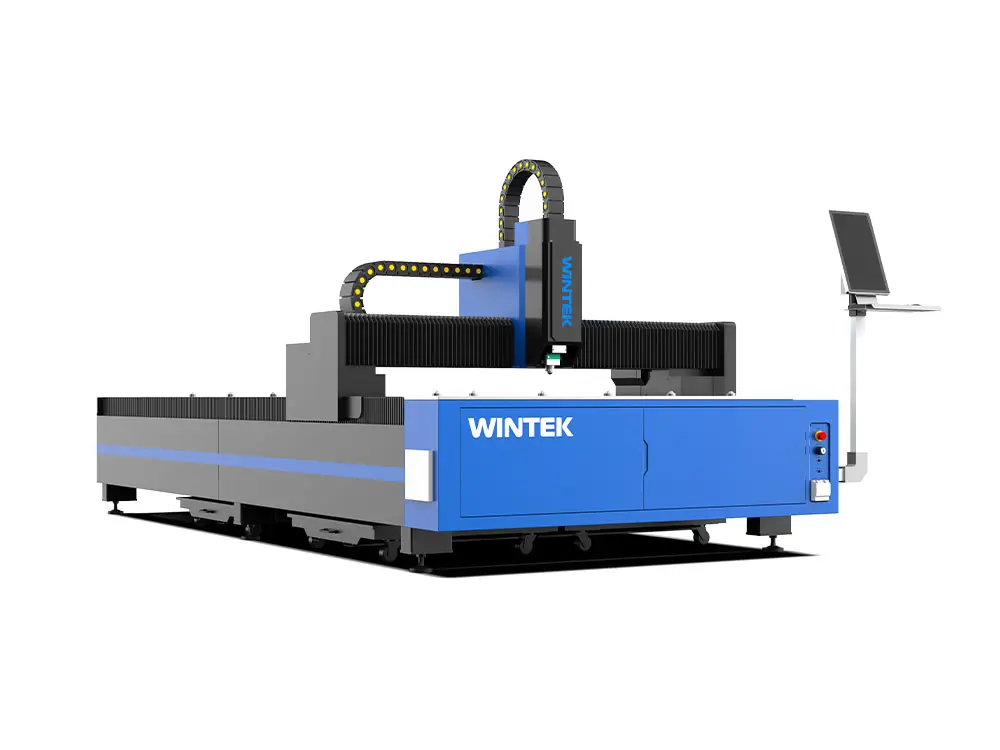
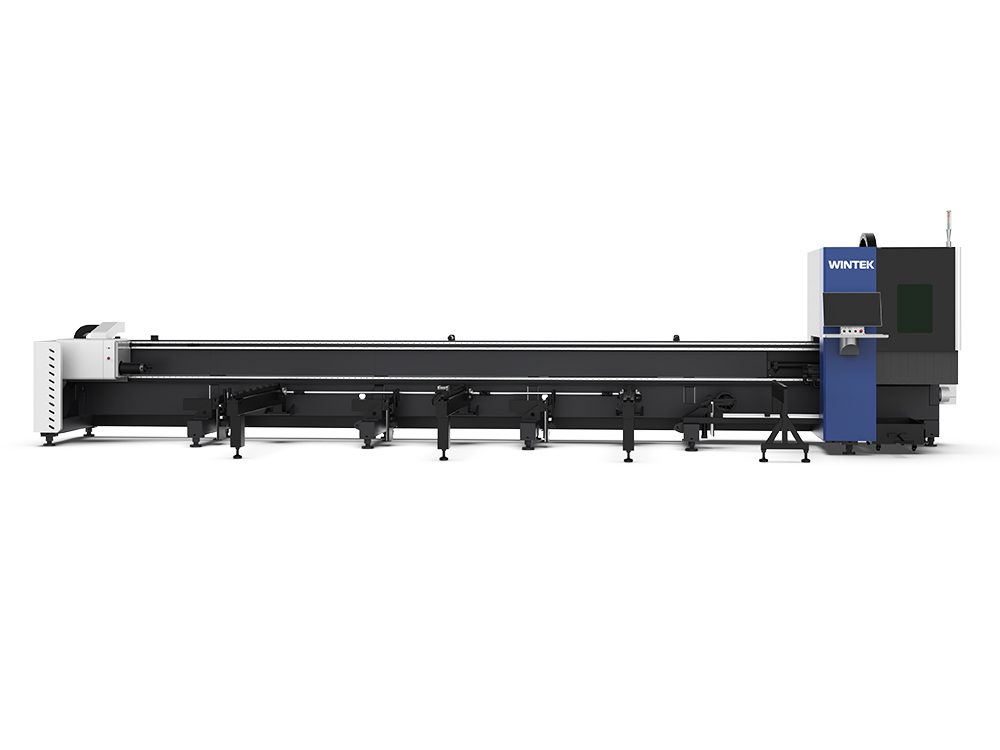
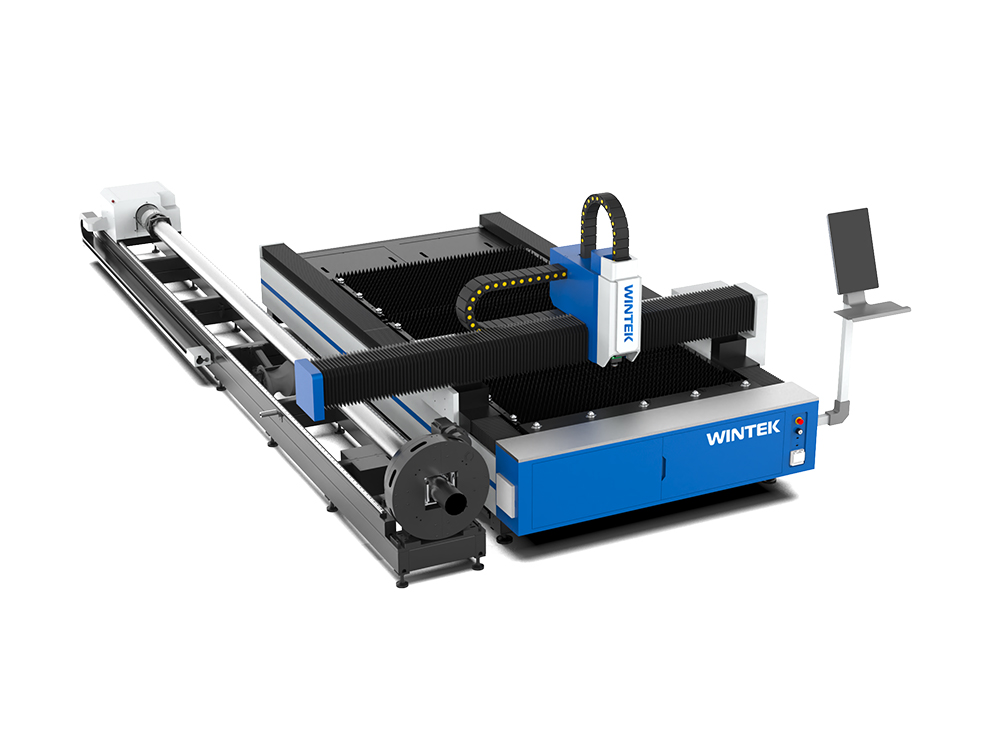
By choosing Wintek aluminum laser cutting machine, you can enjoy the superior performance and precision brought by cutting-edge fiber laser technology. Wintek machines are designed with high-quality optical components, stable beam delivery systems, and advanced anti-reflection protection, which together enable reliable cutting of aluminum sheets with minimal burrs, smooth edges, and consistent results. This technical sophistication makes Wintek machines suitable for both delicate thin sheets and thicker industrial-grade aluminum plates.
The structural design of Wintek aluminium laser cutting machine is engineered for long-term durability and stability. Heavy-duty frames, reinforced gantry systems, and precision linear guides reduce vibrations and maintain alignment during high-speed operations. These design features ensure that cutting accuracy is preserved even under continuous, high-volume production, making Wintek machines ideal for industrial applications that demand reliability and repeatability.
Wintek also provides flexible, application-specific solutions. Whether it is automotive body panels, aerospace components, architectural metalwork, or custom sheet metal fabrication, Wintek can tailor machine configurations, software settings, and automation options to meet diverse production requirements. Integrated control software supports intelligent nesting, automatic power adjustment, and efficient workflow management, allowing operators to maximize material utilization and reduce waste.
Wintek Laser provides end-to-end support for its machines, including professional installation, on-site operator training, technical assistance, and spare parts supply. This comprehensive support ensures that operators can maintain optimal performance with minimal downtime. Investing in a Wintek aluminium laser cutting machine not only enhances cutting efficiency and precision but also delivers long-term value and a high return on investment.
Conclusion
In modern metal fabrication, choosing the right aluminium laser cutting machine is essential for achieving precise, efficient, and reliable results. Manufacturers need to consider factors such as laser power, machine stability, anti-reflection protection, software capabilities, automation options, and after-sales support to ensure optimal cutting performance and long-term productivity. The right equipment not only improves efficiency but also minimizes material waste and ensures consistent cutting quality.
The aluminium laser cutting machine combines advanced fiber laser technology, robust industrial design, and intelligent control systems with comprehensive end-to-end support, making it an ideal choice for businesses seeking high-quality aluminum processing. With Wintek machine, operators can achieve faster cutting speeds, cleaner edges, reduced material waste, and more consistent results, while benefiting from professional guidance and responsive service, ensuring maximum return on investment and sustained operational efficiency.