











In the world of furniture restoration and surface treatment, one of the biggest challenges is how to remove paint, varnish, or coatings effectively without damaging the underlying material. Traditional methods such as sanding, chemical strippers, or heat guns often pose risks to health, the environment, and the integrity of the furniture.
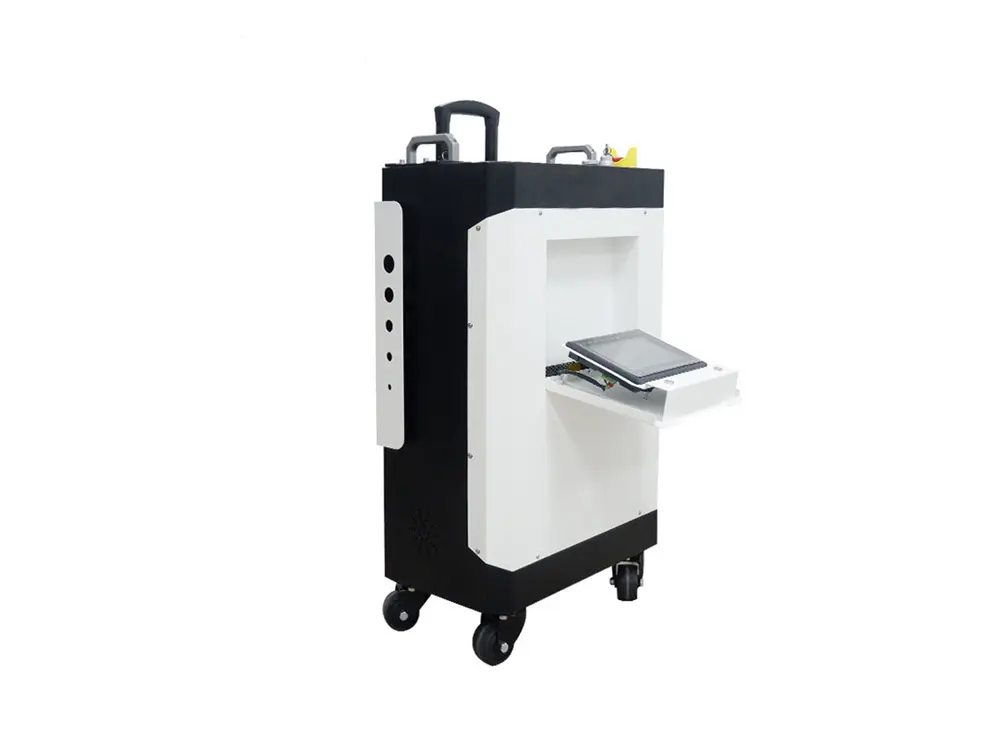
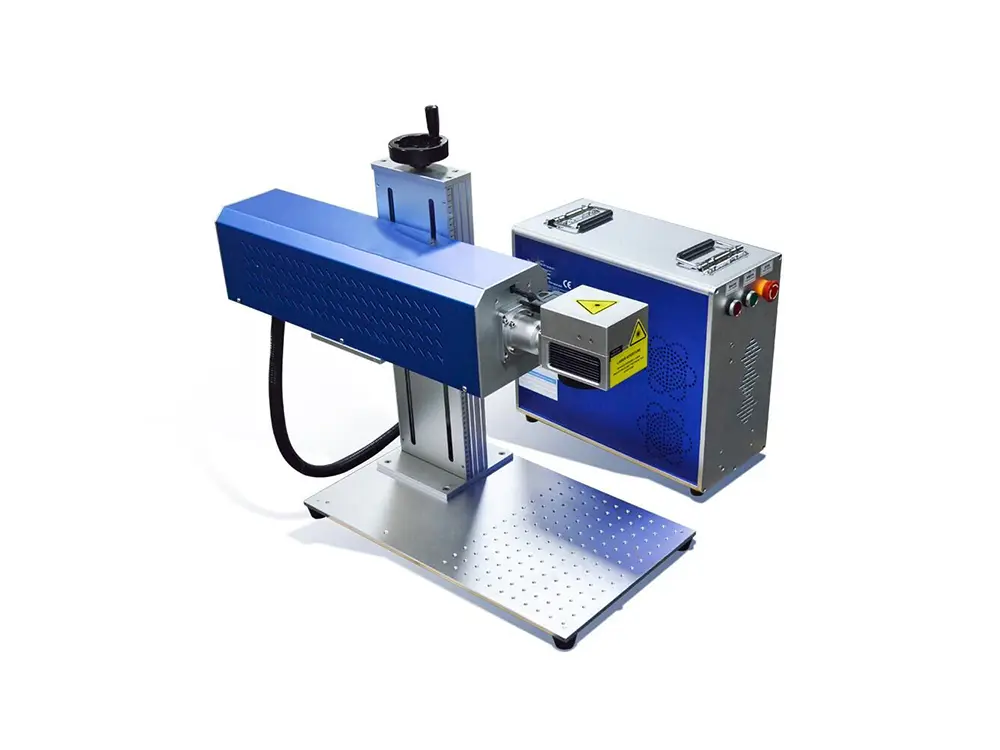
Today, a new technology is changing the way professionals and DIY enthusiasts approach furniture restoration: the laser furniture stripper. This innovative solution uses advanced laser cleaning technology to remove coatings safely, precisely, and without chemicals, offering an eco-friendly and highly efficient alternative.
In this comprehensive guide, we will explore how laser stripping works, its benefits, applications in furniture restoration, and why it may become the future of paint removal.

What Is a Laser Furniture Stripper?
A laser furniture stripper is a specialized type of laser cleaning machine designed to remove surface layers such as paint, varnish, lacquer, or adhesive residues from furniture. Instead of using abrasive blasting or chemical solvents, the laser directs a concentrated beam of light at the surface.
The energy from the laser is absorbed by the paint or coating, causing it to vaporize or detach from the wood or metal substrate, while leaving the underlying material intact.
This method offers high precision and selectivity, which makes it especially suitable for antique furniture, detailed carvings, or delicate surfaces where traditional methods may cause irreversible damage.
How Does Laser Stripping Work?
Laser cleaning is based on the principle of laser ablation. Here’s how it works:
1. The laser beam is aimed at the coated surface.
2. The coating layer absorbs the laser energy, which rapidly heats the material.
3. This energy causes the paint to vaporize or lift away from the substrate.
4. The base material, such as wood or metal, reflects the laser light and remains largely unaffected.
You can adjust the laser wavelength, pulse duration, and power level according to the coating thickness and the type of furniture.
Why Avoid Chemicals in Furniture Stripping?
Traditional paint strippers often rely on harsh solvents that can cause:
- Health risks: Inhalation of toxic fumes can harm respiratory health.
- Environmental hazards: Chemicals contribute to air pollution and create hazardous waste.
- Damage to materials: Aggressive solvents can soak into wood fibers, weakening or discoloring the furniture.
By contrast, laser stripping eliminates the need for chemicals, making the process safer for operators and environmentally sustainable.
Benefits of Using a Laser Furniture Stripper
Eco-Friendly and Chemical-Free: No solvents, no toxic residues, and no hazardous waste. The process is sustainable and reduces environmental impact.
High Precision: Lasers can be targeted to remove coatings selectively, leaving delicate carvings or fine details intact.
Gentle on Substrates: Because the laser only affects the surface coating, the underlying wood or metal remains undamaged.
Health and Safety Advantages: Operators avoid exposure to harmful chemicals or excessive dust. With proper protective equipment, the process is safe and clean.
Reduced Cleanup: Unlike sanding or blasting, which generate large amounts of dust and debris, laser stripping produces minimal waste, often just a fine powder or vaporized coating.
Cost-Effective in the Long Term: Although the initial investment in a laser stripper may be high, the lack of consumables (sandpaper, solvents, abrasives) and reduced labor costs can make it more economical over time.
Applications in Furniture Restoration
Laser furniture strippers can be used in a variety of restoration projects:
- Antique furniture: Safely remove old paint without damaging intricate carvings or wood grain.
- Metal furniture: Strip rust, paint, or coatings from iron, steel, or aluminum furniture frames.
- Wooden furniture: Restore chairs, tables, cabinets, and decorative items while preserving the natural beauty of the wood.
- Architectural woodwork: Useful for doors, moldings, and panels in historic buildings.
Comparing Laser Stripping with Traditional Methods
When looking at different ways to remove paint or coatings from furniture, the differences between laser stripping and traditional methods quickly become clear. Conventional approaches such as chemical paint removers, sanding, or heat guns have been used for decades, but each comes with significant drawbacks. Chemical strippers, for example, may effectively dissolve multiple layers of paint, but they release toxic fumes, create hazardous waste, and can soak into wood fibers, leaving behind odors or stains. Sanding, while inexpensive, is labor-intensive, creates large amounts of dust, and risks damaging the fine details of carved or antique furniture. Heat guns provide another alternative, but the uneven application of heat can cause scorching or warping, making them unsuitable for delicate projects.
Laser stripping, on the other hand, offers a modern solution that avoids many of these issues. Instead of relying on abrasives or solvents, the laser precisely targets the paint layer, vaporizing it while leaving the underlying wood or metal intact. This makes it especially valuable when working on valuable or intricate furniture where precision is critical. The process is also cleaner, generating little waste and requiring no hazardous chemicals, which makes it safer for both the operator and the environment. While the equipment may involve a higher initial investment, the long-term savings in time, labor, and consumables, combined with the superior quality of results, make laser stripping a compelling alternative to traditional paint removal methods.
Safety Considerations in Laser Furniture Stripping
Although laser stripping avoids harmful chemicals, safety precautions are essential:
- Protective eyewear: Operators must wear laser safety glasses rated for the machine’s wavelength.
- Ventilation: Proper extraction systems remove fumes and particles generated during stripping.
- Training: Operators should be trained to adjust laser parameters correctly.
- Surface testing: Always test on a small area before treating the entire piece.
The Future of Furniture Restoration
As sustainability becomes increasingly important in manufacturing and restoration, laser technology is likely to replace traditional chemical strippers in many industries. Furniture restoration professionals who adopt this technology can offer clients safer, higher-quality, and eco-friendly services.
The technology is already popular in metal cleaning, rust removal, and industrial surface preparation, and its applications in furniture restoration are expected to grow as machines become more affordable and versatile.
Choosing the Right Laser Furniture Stripper
- Power range: Lower power for delicate wood, higher power for metals.
- Portability: Handheld units are flexible, while larger systems suit workshops.
- Pulse type: Continuous vs. pulsed lasers, depending on coating thickness.
- Support and training: Ensure reliable after-sales service and operator training.
Conclusion
The laser furniture stripper offers a new way to remove paint, varnish, or coatings from furniture without chemicals, abrasives, or damage to the substrate. Compared to traditional methods, it is safer, cleaner, more precise, and more environmentally friendly.
Whether you are a professional restorer, a furniture manufacturer, or a DIY enthusiast, wintek laser stripping provides a modern, sustainable, and highly effective solution that can bring new life to old or coated furniture.