
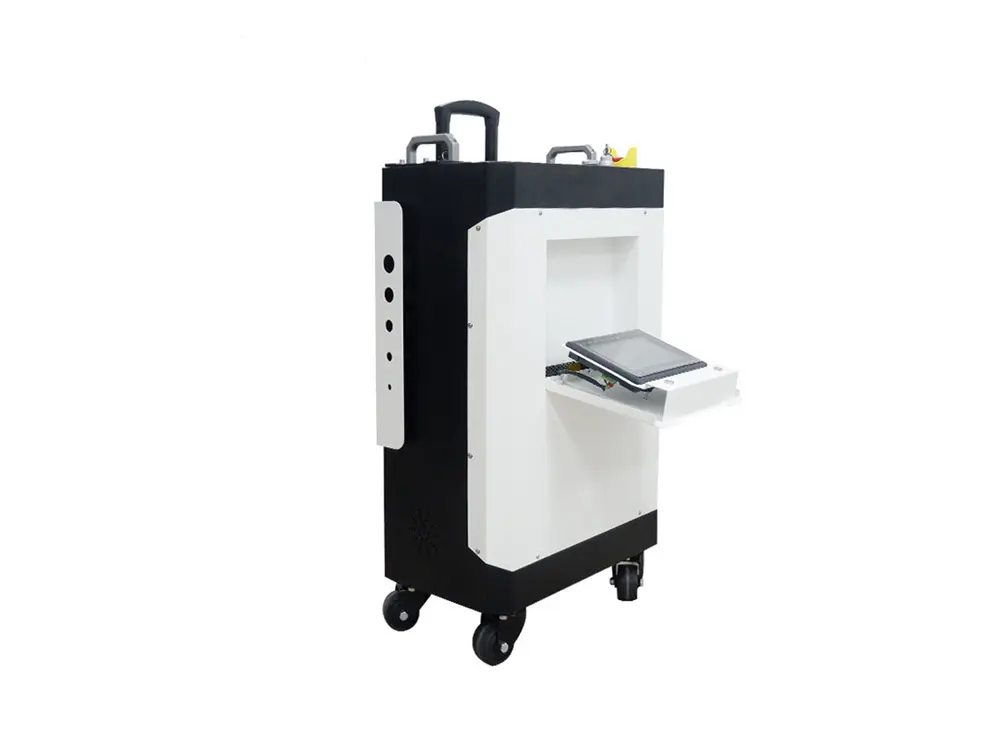
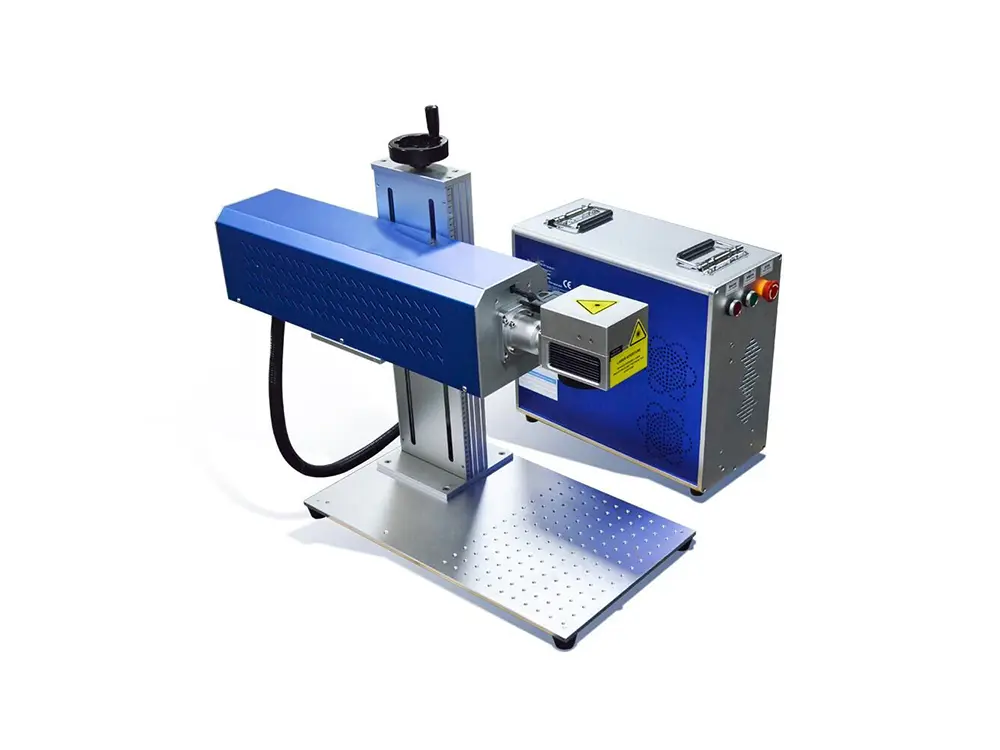











Laser welding has revolutionized modern manufacturing by offering precision, speed, and high-quality joints for a wide range of metals. Behind the impressive capabilities of a laser welding system lies a carefully engineered structure composed of multiple specialized components. Each component plays a critical role in ensuring optimal welding performance, reliability, and safety.
In this article, we will explore the main components of a laser welding machine, their functions, and how they work together to create a highly efficient and effective welding system.
Laser Welding Machine Components

1. Laser Source
The laser source is the heart of the laser welding machine. It generates the coherent, high-energy laser beam used to melt and fuse metal surfaces. Common types of laser sources used in industrial welding include:
- Fiber Lasers: High efficiency, excellent beam quality, long lifespan, and low maintenance. Ideal for precision welding of stainless steel, aluminum, copper, and other metals.
- YAG Lasers: Suitable for pulsed welding applications and materials requiring high peak power. Less common today due to higher maintenance needs.
- CO₂ Lasers: Typically used for welding non-metal materials or thick metals. Bulky and less energy-efficient compared to fiber lasers.
Fiber lasers are now the industry standard for most handheld and robotic laser welding systems.
2. Laser Transmission System
Once the laser beam is generated, it must be delivered to the weld joint accurately. The laser transmission system usually includes:
- Fiber Optic Cable: In fiber laser systems, the beam is transmitted via a flexible fiber cable, which allows easy movement and high flexibility for handheld applications.
- Beam Delivery Optics: These include mirrors and lenses (in older systems) or internal optics in the fiber system to ensure the beam is directed correctly.
The design of the transmission system ensures that the laser beam maintains its quality and intensity over distance.
3. Laser Welding Head (Handheld or Robotic)
The welding head is where the laser beam exits and interacts with the workpiece. It is typically equipped with:
- Focusing Lens: Concentrates the laser beam into a fine spot for high-intensity energy at the weld point.
- Collimating Lens: Used in some systems to align the beam before focusing.
- Protective Glass: Shields internal optics from spatter, smoke, and dust.
- Nozzle / Shielding Gas Port: Delivers shielding gas (usually Argon or Nitrogen) to prevent oxidation and improve weld quality.
- Wire Feeding Port (Optional): In systems with automatic wire feeding for gap filling or reinforcement.
Handheld laser welding heads are ergonomically designed and lightweight for operator comfort, while robotic heads are integrated into automated production lines.
4. Cooling System
Laser welding generates significant heat that must be controlled to protect sensitive components and ensure continuous operation. There are two main types of cooling:
- Water Cooling System: Recirculates chilled water through the laser source and optics to maintain stable temperatures.
- Air Cooling System: Less effective but sufficient for low-power or compact machines.
Stable cooling is critical to prolong the lifespan of the laser source and ensure consistent welding performance.
5. Control System
The control system is the brain of the laser welding machine. It allows the user to manage operational parameters and system diagnostics. Key features include:
- User Interface: Touchscreen or software-based interface to set power, pulse frequency, duration, and beam mode.
- Safety Interlocks: Prevents operation unless all safety conditions are met.
- Monitoring Functions: Displays temperature, laser status, error codes, and maintenance reminders.
- Programmable Modes: Stores preset configurations for different materials or joint types.
Advanced machines may also support remote monitoring and integration with MES systems for smart factory applications.
6. Wire Feeding System (Optional)
For applications where material gaps exist or reinforcement is required, an automatic wire feeding system may be included. It consists of:
- Wire Feeder Motor
- Feeding Nozzle / Roller Mechanism
- Wire Spool Holder
- Speed Controller
The wire (typically stainless steel or aluminum) is continuously fed into the molten pool created by the laser. This system is especially useful in laser brazing or fillet welding.
7. Power Supply and Electrical Cabinet
The power supply unit provides the necessary electrical energy to the laser source and other components. It includes:
- Main Transformer
- Control Circuitry
- Power Conditioning Modules
- Emergency Stop Functions
The electrical cabinet is typically integrated with ventilation and overload protection to ensure long-term reliability.
8. Safety Features
Due to the high energy involved, laser welding machines are equipped with multiple safety systems:
- Laser Protection Housing
- Protective Eyewear (Laser Safety Glasses)
- Emergency Stop Buttons
- Overheat and Overvoltage Alarms
- Interlock Systems
Proper training and protective measures are essential when operating high-power laser systems.
How Do the Components Work Together?
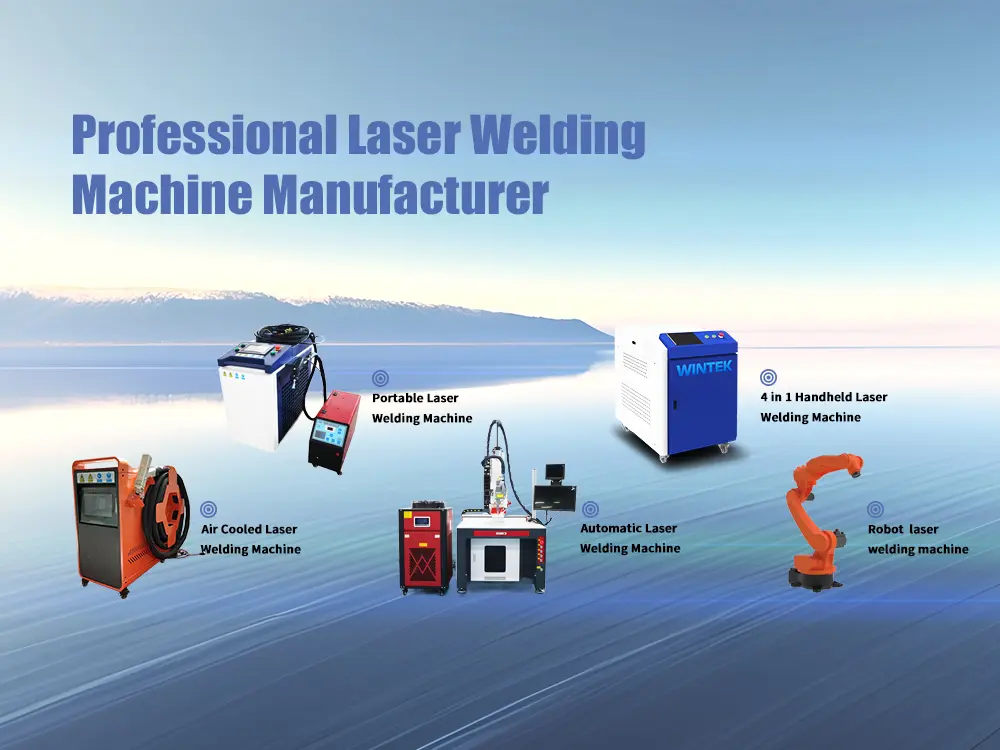
The high efficiency and precision of a laser welding machine are made possible by the seamless collaboration of its core components. The process begins with the laser source, which emits a high-energy laser beam based on predefined parameters, serving as the primary heat input for welding. This beam is transmitted and focused by the optical system, precisely directing energy to the welding zone. Stability and accuracy in beam delivery are crucial to ensure consistent weld penetration and quality.
Simultaneously, the control system orchestrates the entire operation. It fine-tunes parameters such as laser power, pulse frequency, and welding speed, while coordinating with the motion system to move the welding head or workpiece along the programmed path. A shielding gas system delivers inert gas to the weld area during operation, protecting the molten pool from oxidation and enhancing weld quality and appearance.
As laser systems generate substantial heat during prolonged operation, the cooling system plays a vital role in maintaining optimal operating temperatures for the laser source, optics, and welding head, ensuring stable performance and extending the system’s lifespan. In parallel, the safety system provides comprehensive protection through features like laser enclosures, interlock mechanisms, and emergency stop functions, safeguarding operators and preventing laser exposure or operational hazards.
Through this tightly integrated collaboration, laser welding machines can deliver highly accurate and repeatable results, even in demanding industrial environments. The coordinated operation of each component ensures not only performance but also long-term reliability, making laser welding a cornerstone of modern manufacturing technology.
Conclusion
Understanding the main components of a laser welding machine is crucial for selecting the right equipment, performing maintenance, and optimizing your welding process. From the laser source and optics to the cooling system and control interface, each component contributes to the machine’s performance, durability, and ease of use.
Whether you’re investing in a new handheld fiber laser welder or upgrading your production line, choosing a system with high-quality components and intelligent design ensures long-term efficiency and reliability.
Wintek Laser offers professional laser welding machines equipped with advanced components, customizable options, and global after-sales support. Contact us today to learn more or request a personalized solution.