
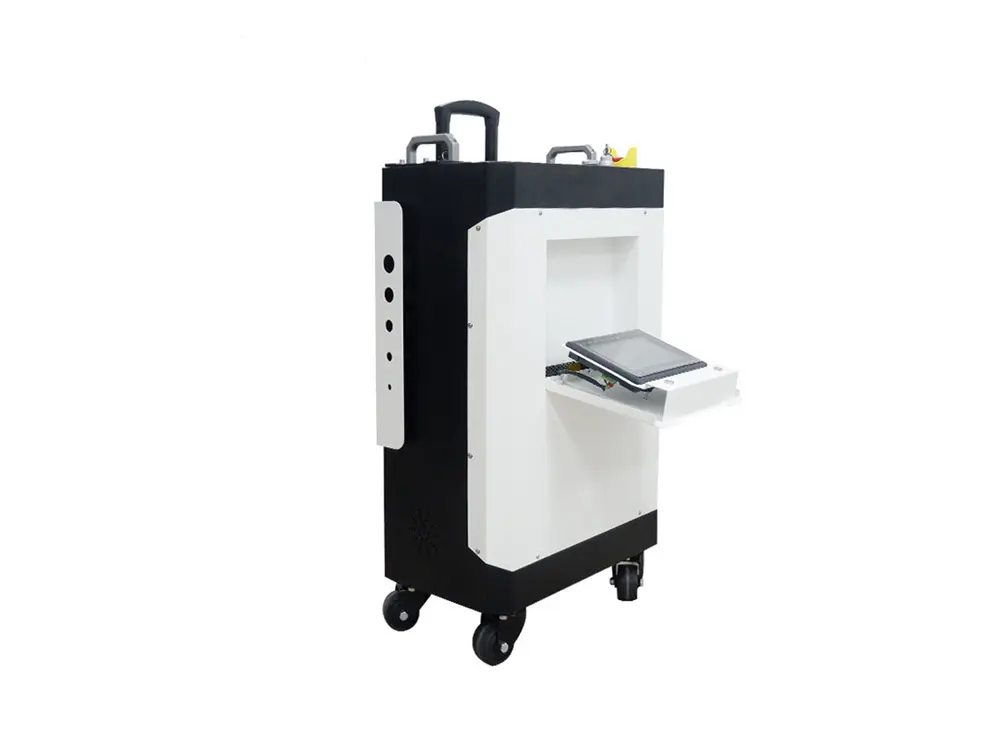
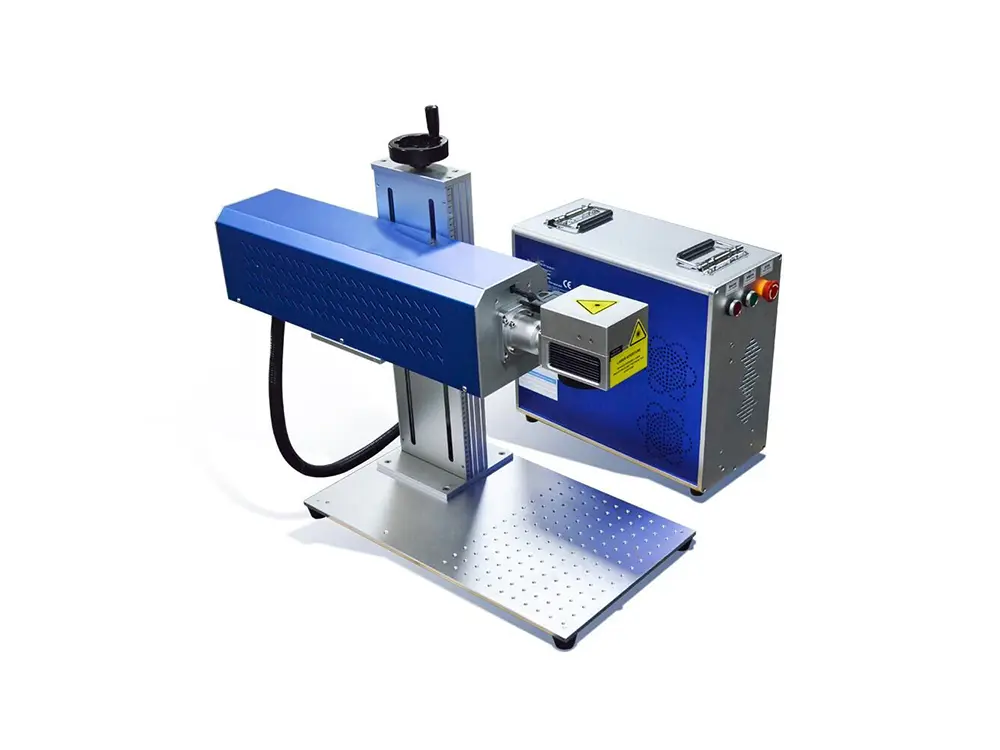











Pulse laser cleaning technology is an advanced surface treatment method that efficiently removes rust, paint, coatings, oxides, and other contaminants. It ensures precise cleaning results with minimal substrate damage and eliminates the need for chemicals.
Pulse laser cleaning machines are primarily used on various metal materials, such as steel, stainless steel, aluminum, copper, and their alloys. They can also be applied to certain ceramics, stones, and composite materials. These materials absorb laser energy well and resist heat, ensuring effective cleaning without surface damage.
However, as laser technology becomes more widely adopted, many users are starting to explore its potential for use on non-metal materials, especially wood. Outdoor wooden structures such as decks, fences, siding, and furniture are often coated with protective finishes including varnish, polyurethane, or sealants. Over time, these coatings may degrade, change color, or begin to peel, which creates a need for a safe and effective cleaning solution.
This article explores whether pulse laser cleaning is suitable for wooden surfaces and examines its practical applications, potential benefits, and key limitations.
How Pulse Laser Cleaning Machine Works
Pulse laser cleaning uses short, high-energy bursts of laser light to ablate unwanted surface materials such as rust, paint, or coatings. These pulses are highly focused and deliver energy in very short durations. The laser energy interacts with the surface contaminant, causing it to vaporize, fracture, or be ejected from the substrate due to thermal expansion and photomechanical forces.
Unlike abrasive or chemical cleaning methods, pulse laser cleaning is non-contact and does not require any solvents. This minimizes mechanical wear and eliminates chemical waste. When applied correctly, the laser energy selectively removes surface layers without damaging the underlying material.
Why Wood Presents a Unique Challenge?
Wood, being an organic and combustible material, behaves very differently from metals or ceramics during laser exposure. It is porous, fibrous, and highly sensitive to heat. When exposed to concentrated laser energy, wood may not only burn or char but also release smoke and volatile organic compounds. In some cases, the material can ignite if the power is too high or the exposure is too long.
Additionally, the laser absorption properties of wood are less consistent than those of metals. The density, grain direction, moisture content, and type of wood all influence how the surface interacts with laser energy. This variability makes it more difficult to achieve uniform cleaning results without damaging the substrate.
Factors Affecting Laser Cleaning on Wood
Despite the challenges, pulse laser cleaning can be used on wooden surfaces under controlled conditions. The following factors significantly affect whether the process is successful:
-
Type of Wood
Hardwoods such as oak, teak, or walnut are denser and more heat-tolerant than softwoods like pine or cedar. Hardwoods generally yield better results when exposed to low-power laser pulses.
-
Type of Coating
Protective coatings such as varnish, polyurethane, shellac, or acrylics vary in how they respond to laser energy. Darker coatings absorb more energy and are easier to ablate, while clear or UV-resistant finishes may reflect or disperse the beam, reducing cleaning efficiency.
-
Laser Parameters
To minimize the risk of burning, the laser should be set to a low power output with short pulse duration and low fluence. Picosecond lasers are more suitable than nanosecond lasers due to their shorter energy delivery time, which reduces thermal buildup.
-
Surface Conditions
Aged or weathered wood may have uneven textures, cracks, or embedded dirt that can affect cleaning results. Surface preparation or pre-cleaning may be necessary to achieve consistent performance.
-
Environmental Control
Humidity, ambient temperature, and ventilation all influence laser cleaning outcomes. It is strongly recommended to perform laser cleaning on wood in an indoor or climate-controlled environment to avoid unpredictable variables.
Recommended Applications for Laser Cleaning on Wood
Some advanced pulse laser cleaning machines, such as the Wintek 200W pulse laser cleaner, have shown impressive results in carefully controlled wood cleaning tests. When configured with appropriate parameters, this system can safely and effectively remove coatings from wooden surfaces without causing significant substrate damage. While not suitable for all types of wood cleaning, laser technology excels in applications that demand precision, surface preservation, and minimal disruption.
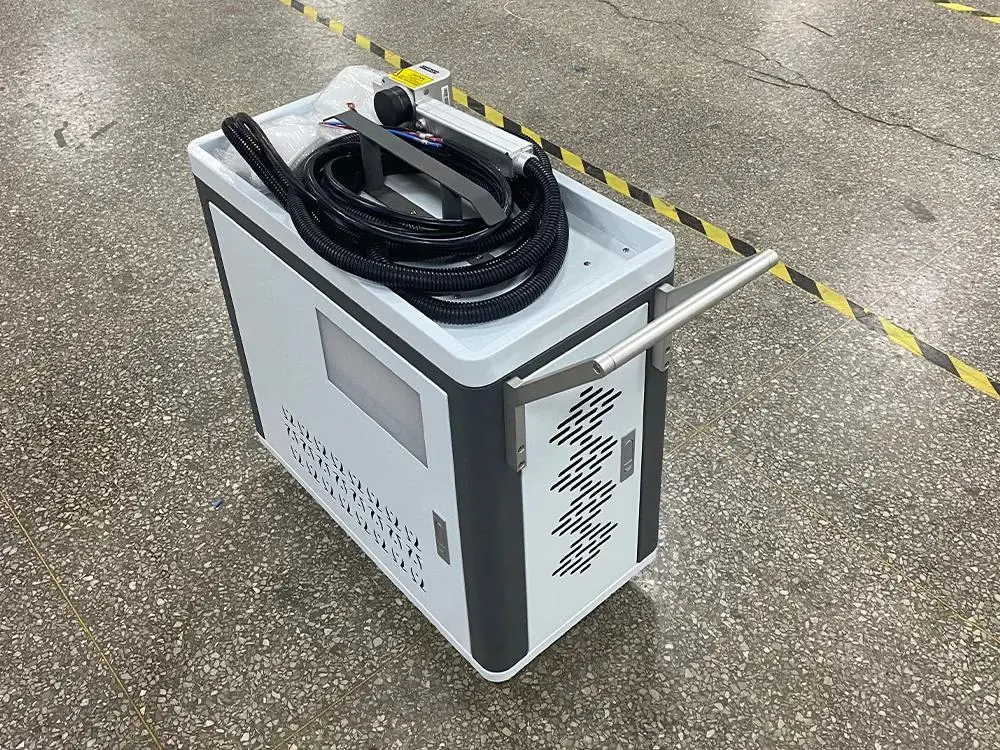
Typical use cases include:
Restoration of antique or historic wooden furniture.
Cleaning of decorative wooden elements in churches or museums.
Refinishing of musical instruments or precision-crafted wooden tools.
Selective removal of deteriorated finishes on high-value woodwork.
Comparison with Traditional Wood Cleaning Methods
When it comes to removing coatings from wood, especially outdoor surfaces like decks, fences, or siding, several methods are commonly used. Each has its strengths and limitations. Choosing the right approach depends on the type of coating, the condition of the wood, the desired finish quality, and safety or environmental considerations.
Below is a detailed comparison of three major cleaning methods: sanding, chemical stripping, and pulse laser cleaning.
1. Sanding
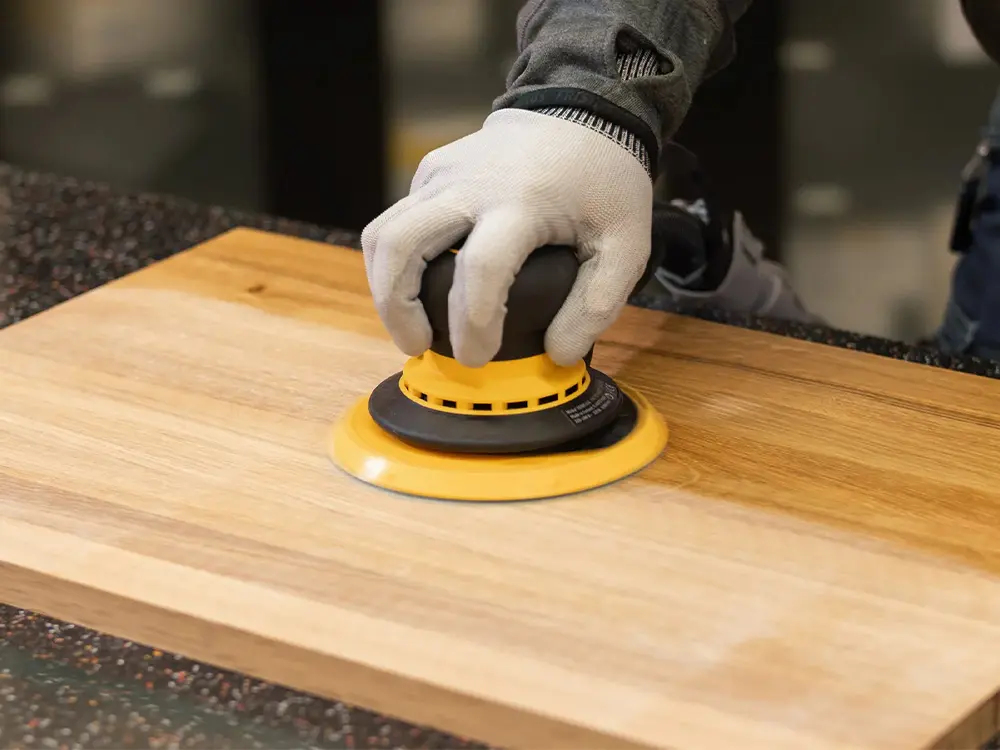
Sanding is the most traditional and accessible method. It involves manually or mechanically abrading the surface to strip away old finishes.
Advantages:
Inexpensive and easy to perform with standard tools.
Effective for large, flat surfaces like flooring or decking.
No chemicals required, making it safer for casual users.
Disadvantages:
Creates significant dust and debris, which can be harmful if inhaled.
Can damage wood grain or fine surface details if over-applied.
Labor-intensive and time-consuming for intricate areas or uneven surfaces.
Difficult to control depth, leading to unintentional material removal.
2. Chemical Strippers
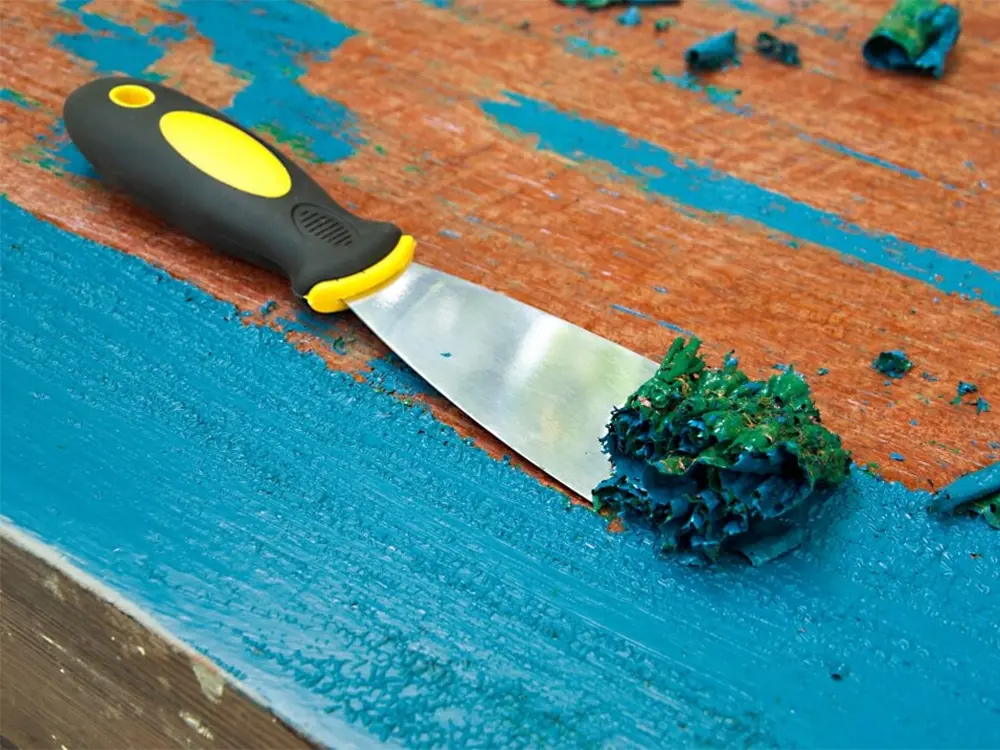
Chemical stripping involves applying a solvent-based or eco-friendly agent to break down paint, varnish, or sealant layers for easy removal.
Advantages:
Effective for thick or multi-layered coatings.
Penetrates into crevices and carvings, allowing for detailed removal.
Less abrasive than sanding, preserving more of the wood surface.
Disadvantages:
Many chemical strippers contain toxic or volatile ingredients.
May leave behind residues or stains that require additional cleanup.
Can raise or discolor the wood grain, affecting the final appearance.
Requires protective gear and good ventilation for safe use.
3. Pulse Laser Cleaning

Pulse laser cleaning is a high-tech, non-contact method that uses focused laser pulses to ablate and remove unwanted surface layers.
Advantages:
Extremely precise, suitable for delicate or high-value wooden items.
No mechanical abrasion or chemicals involved.
Minimal residue or cleanup required.
Environmentally friendly when properly filtered and contained.
Disadvantages:
Equipment is costly and requires technical expertise to operate.
Slower than traditional methods when used over large areas.
High-intensity beams can burn or scorch wood if not finely tuned.
This comparison shows that while traditional methods are suitable for everyday wood maintenance, pulse laser cleaning offers significant benefits for precision work, conservation projects, or environments requiring low dust and chemical exposure.
Safety Considerations
Laser cleaning systems, especially those using high-powered lasers, must be operated with strict safety protocols in place. When working with wood, the risks increase due to its flammability and the potential release of harmful fumes from vaporized coatings.
Essential precautions include:
- Wearing laser-rated safety goggles and protective clothing.
- Operating in a controlled environment with fire suppression equipment.
- Conducting spot tests on similar wood samples before full-scale application.
Failure to follow these protocols may result in serious injury, fire hazards, or damage to the material.
Conclusion
Pulse laser cleaning machines are a powerful and highly specialized tool for removing surface contaminants from a range of materials. While their use on wood is not as common or straightforward as on metals, they can be applied successfully to wooden surfaces when handled with precision and care.
For most outdoor wood applications, like removing sealant from a deck or paint from a fence, conventional methods such as sanding or chemical stripping are faster and more cost-effective. However, in precision cleaning or conservation scenarios, pulse laser cleaning offers unmatched control and surface protection.
If you are considering using a laser cleaning machine for a wood-based project, it is essential to conduct preliminary testing and consult with professionals who understand the complexities involved.