











Laser welding has become one of the most advanced joining technologies in modern manufacturing. From automotive production and aerospace engineering to stainless steel fabrication and precision equipment manufacturing, more companies are replacing traditional welding methods with fiber laser welding because it offers higher speed, greater accuracy, and cleaner welds.
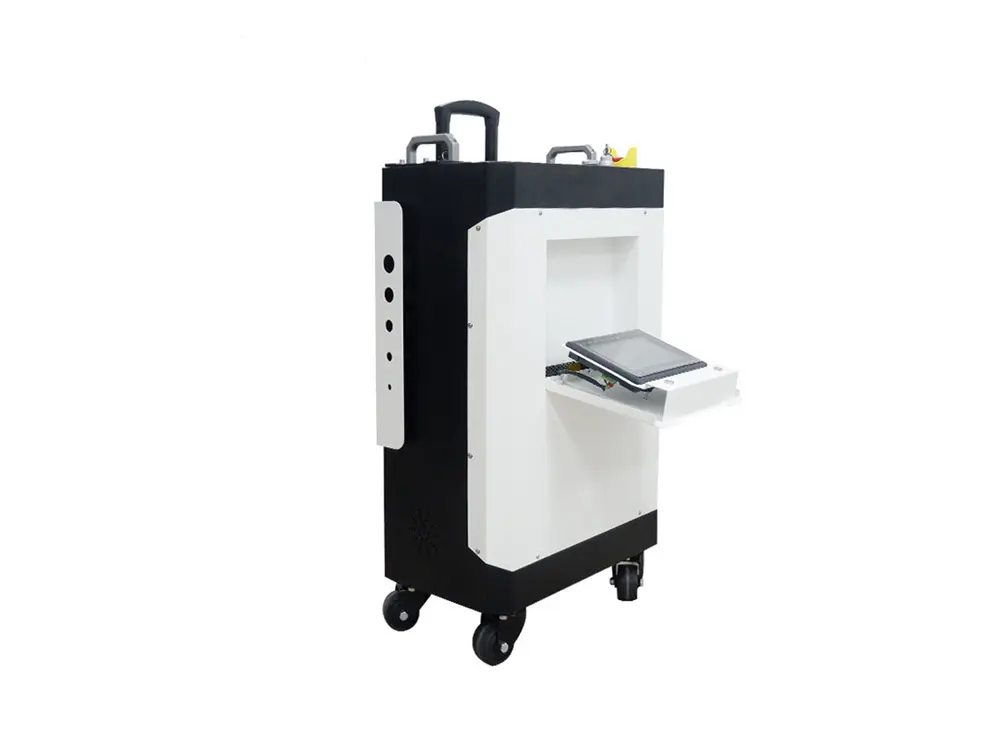
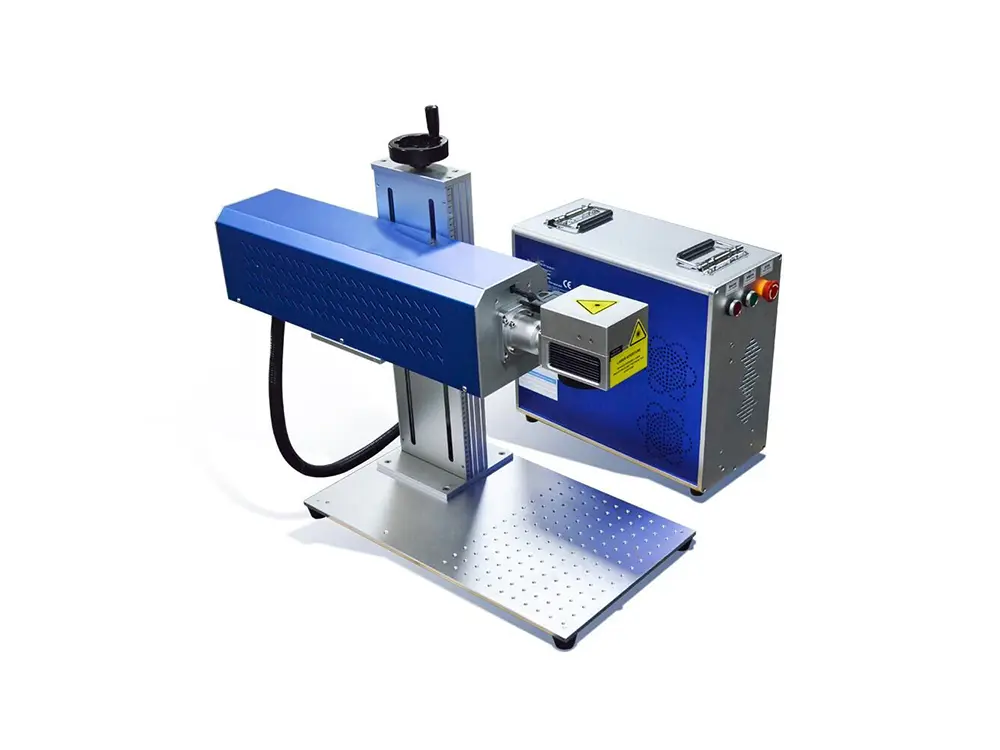
One of the key advantages of fiber laser welding is its ability to create a smaller heat-affected zone (HAZ), helping improve weld quality and dimensional accuracy. A smaller HAZ helps reduce thermal distortion, minimizes changes to the base metal, and improves the overall quality of the finished weld. These benefits are especially important for manufacturers working with thin sheet metal, precision components, and high-value materials where dimensional accuracy and mechanical performance are critical. WINTEK Laser offers handheld fiber laser welding machines ranging from 1000W to 3000W, designed for welding carbon steel, stainless steel, aluminum, galvanized steel, and other commonly used industrial metals.
Although the heat-affected zone in laser welding is an important concept, many manufacturers are unsure what it actually is, why it forms, or how it influences weld quality. Understanding the HAZ can help engineers optimize welding parameters, reduce production defects, and achieve more consistent results.
In this guide, you’ll learn what the heat-affected zone (HAZ) is, how it forms during the laser beam welding process, the factors that affect its size, and practical methods to minimize it for stronger, cleaner, and more reliable welds.
What Is the Heat-Affected Zone (HAZ)?
The heat-affected zone (HAZ) is the area of the base metal that does not melt during welding but experiences significant temperature changes. During the laser beam welding process, the focused laser beam generates extremely high energy in a very small area, melting the joint to create the weld. While only the fusion zone becomes molten, the surrounding material is heated to elevated temperatures before cooling rapidly.
These thermal cycles change the metal’s microstructure and mechanical properties without actually melting the material. Depending on the material type and welding parameters, the HAZ may experience changes in hardness, strength, ductility, corrosion resistance, or residual stress.
Unlike the fusion zone, which consists of completely melted and solidified metal, the HAZ remains solid throughout the welding process. However, because its internal structure changes due to heat exposure, it often has a significant influence on the final performance of the welded component.
A typical welded joint can be divided into three distinct regions:
- Fusion Zone (FZ): The area where the metal melts and solidifies to form the weld.
- Heat-Affected Zone (HAZ): The surrounding material that is heated but not melted.
- Base Metal (BM): The unaffected parent material that retains its original properties.
Because laser energy is concentrated into a very small area, the HAZ is typically narrower than that produced by conventional welding processes such as TIG and MIG. This localized heating is one of the main reasons why laser welding is widely used for precision manufacturing.
Why Is the Heat-Affected Zone Important?
The size and characteristics of the HAZ directly affect the quality and durability of a welded product. Even though this region is relatively small, excessive heat can alter the material’s properties and reduce overall performance.
A well-controlled HAZ offers several advantages:
- Better dimensional accuracy with less thermal distortion.
- Higher weld strength and improved mechanical performance.
- Reduced risk of cracking and residual stress.
- Better surface appearance with less post-processing.
- Improved consistency in high-volume production.
These benefits explain why fiber laser welding is widely adopted in industries that require precision, repeatability, and consistent weld quality.
In contrast, traditional welding methods generally introduce more heat into the workpiece, creating a wider HAZ and increasing the likelihood of distortion and metallurgical changes. Fiber laser welding minimizes these effects by delivering highly concentrated energy with precise control over heat input.
What Factors Affect the Heat-Affected Zone?

The size of the heat-affected zone (HAZ) depends on several factors during the laser beam welding process. Optimizing these parameters helps reduce heat input, improve weld quality, and minimize thermal distortion. The most important factors include laser power, welding speed, focus position, material properties, and shielding gas.
1. Laser Power
Laser power has a direct impact on the amount of heat introduced into the workpiece. Higher power levels produce deeper weld penetration but also increase heat input, which can enlarge the HAZ if other parameters remain unchanged. Selecting the appropriate laser power for the material thickness helps achieve the required penetration while keeping the HAZ as small as possible.
2. Welding Speed
Welding speed plays a key role in controlling the HAZ. Faster travel speeds reduce the time that heat remains in the material, limiting thermal diffusion into the surrounding base metal. As a result, the laser beam welding process produces a narrower HAZ and reduces the risk of thermal distortion.
3. Focus Position
The focal position determines how efficiently laser energy is delivered to the joint. A properly focused laser beam creates a high energy density that melts the material quickly while minimizing unnecessary heat transfer. An incorrect focus position spreads the energy over a larger area, increasing heat input and expanding the HAZ.
4. Material Properties
Different metals respond differently to heat because of their unique thermal conductivity and melting characteristics. Materials such as carbon steel, stainless steel, aluminum, and copper require different welding parameters. Choosing the correct settings for each material helps control the size of the heat-affected zone in laser welding and ensures consistent weld quality.
5. Shielding Gas
Shielding gas protects the molten weld pool from oxidation and contamination during the laser welding process. Common gases such as argon and nitrogen also improve arc stability, surface appearance, and weld consistency. Using the appropriate shielding gas contributes to better weld quality and helps maintain a stable HAZ.
Laser vs Traditional Welding: How Does the Heat-Affected Zone Compare?
One of the biggest advantages of laser welding is its ability to produce a much smaller heat-affected zone (HAZ) than traditional welding methods. During the laser beam welding process, the laser delivers highly concentrated energy to a very small area, allowing the metal to melt quickly while limiting heat transfer to the surrounding base material. This precise heat control reduces thermal distortion, minimizes residual stress, and helps maintain the original mechanical properties of the workpiece.
In contrast, traditional welding methods such as TIG and MIG distribute heat over a larger area. The higher heat input creates a wider HAZ, increasing the likelihood of distortion, material deformation, and microstructural changes. In many cases, components welded using conventional processes also require additional straightening, grinding, or machining before they are ready for use.
Because the laser beam welding process generates a narrower HAZ, manufacturers can achieve higher dimensional accuracy, cleaner welds, and more consistent product quality. The reduced heat input also shortens cooling time and lowers the risk of cracking, making laser welding an ideal solution for precision fabrication and high-volume production.
For applications involving stainless steel, carbon steel, aluminum, and other engineering metals, fiber laser welding provides a significant advantage by combining fast welding speeds with excellent weld quality while minimizing the thermal impact on the surrounding material.
Applications That Benefit from a Small Heat-Affected Zone
A small heat-affected zone is beneficial wherever dimensional accuracy, appearance, and material performance are important. The precise heat control provided by fiber laser welding makes it suitable for a wide range of industries.
Automotive Manufacturing
Automotive components often require strong, lightweight welds with tight dimensional tolerances. A smaller HAZ reduces distortion and helps maintain the accuracy of body panels, battery enclosures, exhaust systems, and structural parts.
Aerospace Components
Aircraft parts are commonly manufactured from high-strength alloys that are sensitive to excessive heat. The laser beam welding process minimizes thermal damage, helping preserve the mechanical properties of these materials while producing precise, reliable welds.
Stainless Steel Fabrication
Products such as kitchen equipment, elevators, cabinets, and decorative metalwork require clean welds with minimal discoloration. Fiber laser welding produces a narrow HAZ that reduces surface oxidation and minimizes post-weld polishing.
Medical Devices
Medical instruments and precision equipment require clean, consistent welds without compromising material integrity. A small HAZ helps reduce thermal damage while ensuring reliable product performance.
Sheet Metal Fabrication
Manufacturers processing carbon steel, stainless steel, and aluminum sheets benefit from the high speed and precision of the laser beam welding process. Reduced distortion allows components to maintain tight tolerances while improving production efficiency.
Industrial Equipment
Industrial machinery, electrical cabinets, agricultural equipment, and metal enclosures all benefit from stable weld quality and low thermal distortion, making fiber laser welding an increasingly popular manufacturing solution.
Why Fiber Laser Welding Produces a Smaller Heat-Affected Zone
Compared with conventional arc welding methods, fiber laser welding delivers energy with much higher precision. Instead of heating a large area around the joint, the laser beam focuses energy into a very small spot, allowing the material to melt quickly while limiting heat transfer to the surrounding base metal.
This concentrated energy results in a lower overall heat input, which is one of the main reasons the laser beam welding process produces a smaller HAZ. The rapid heating and cooling cycle also helps reduce residual stress and thermal distortion, making fiber laser welding particularly suitable for precision manufacturing.
Another important advantage is welding speed. Fiber laser systems typically complete welds much faster than TIG welding, reducing the time heat remains in the material. Less exposure to heat further limits the size of the HAZ and improves production efficiency.
Modern fiber laser welding machines also provide precise control over laser power, welding speed, focus position, and other process parameters. This allows manufacturers to produce consistent, repeatable welds while maintaining excellent surface quality across a wide range of materials, including carbon steel, stainless steel, aluminum, and galvanized steel.
At WINTEK Laser, we apply these advantages to our handheld fiber laser welding machines, helping manufacturers achieve lower heat input, a smaller heat-affected zone (HAZ), and consistent welding performance. Our machines feature precise beam control, adjustable welding parameters, and stable energy output to deliver reliable penetration, minimal spatter, and repeatable weld quality across a wide range of metal fabrication applications.
Whether you are replacing traditional welding methods or expanding your production capacity, WINTEK Laser provides reliable laser welding solutions backed by professional technical support and global after-sales service.
Conclusion
The heat-affected zone (HAZ) is a key factor that influences weld quality, dimensional accuracy, and the long-term performance of welded components. Although the HAZ does not melt during welding, excessive heat can change the material’s microstructure and mechanical properties, making proper heat control essential for achieving reliable welding results.
Compared with traditional welding methods, the laser beam welding process produces a significantly smaller HAZ by concentrating energy into a highly focused area. This results in lower heat input, reduced thermal distortion, faster welding speeds, and cleaner, more consistent welds. These advantages have made fiber laser welding the preferred choice for industries such as automotive manufacturing, sheet metal fabrication, aerospace, medical devices, and industrial equipment production.
Choosing the right laser welding equipment is equally important for maintaining a stable welding process and achieving consistent results. WINTEK Laser offers advanced handheld fiber laser welding machines designed to deliver precise beam control, stable performance, and excellent weld quality across a wide range of metal materials. Whether you are looking to improve production efficiency, reduce thermal distortion, or achieve a smaller heat-affected zone, our laser welding solutions help manufacturers meet the demands of modern metal fabrication.
If you would like to learn more about WINTEK handheld fiber laser welding machines or find the right solution for your application, contact our team today. We are ready to help you choose the most suitable laser welding equipment for your production needs.