
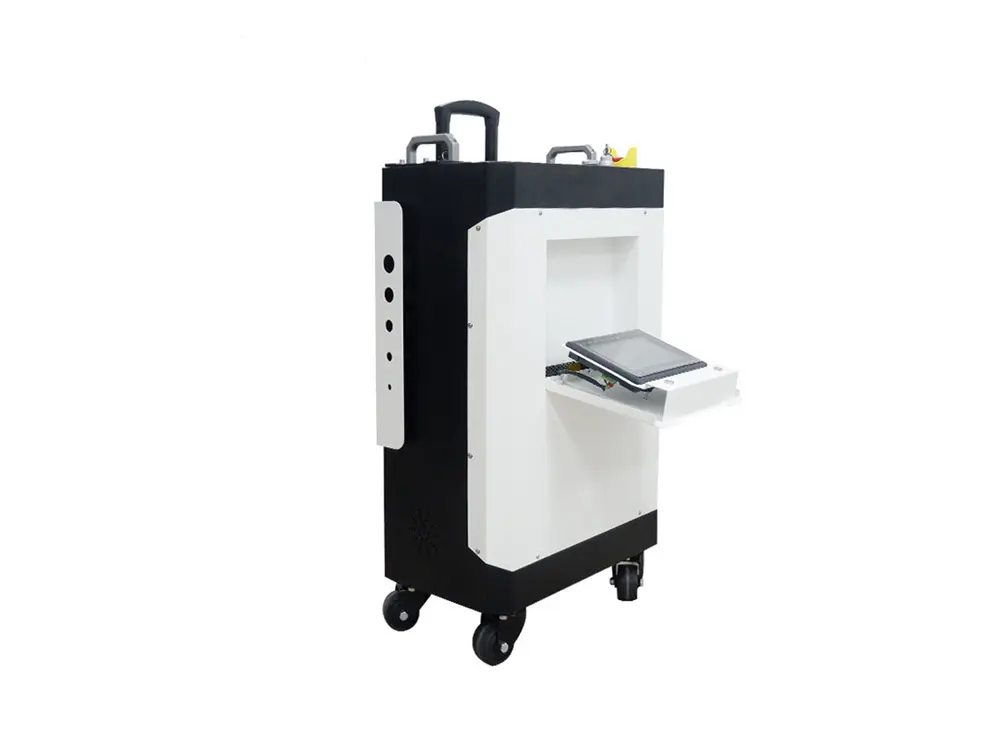
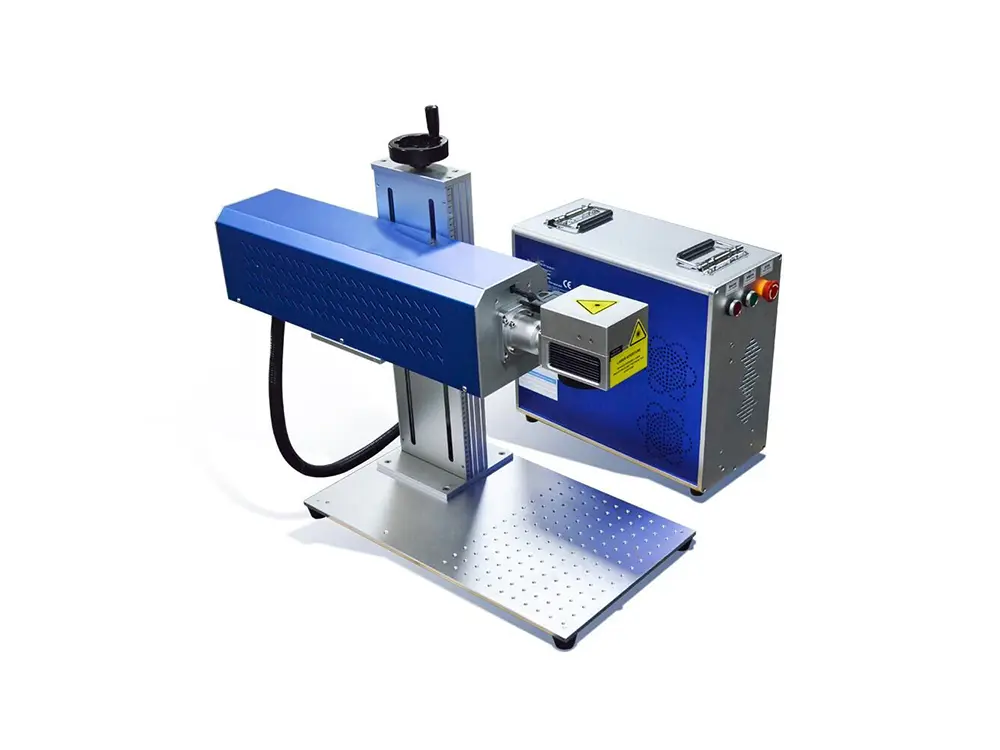











Laser cleaning technology has become a widely adopted solution in various industries due to its precision, efficiency, and eco-friendliness. Whether you’re removing rust, paint, grease, or oxides, a laser surface cleaning machine offers a non-contact method that minimizes damage to base materials and reduces environmental impact.
However, operating a laser cleaning machine requires strict adherence to safety and operational protocols. Failure to do so can result in equipment damage, poor cleaning performance, or even serious injury. In this article, we’ll explore the essential precautions you must take to ensure safe, effective, and long-lasting use of laser cleaning equipment.
1. Understand the Laser Class and Safety Level
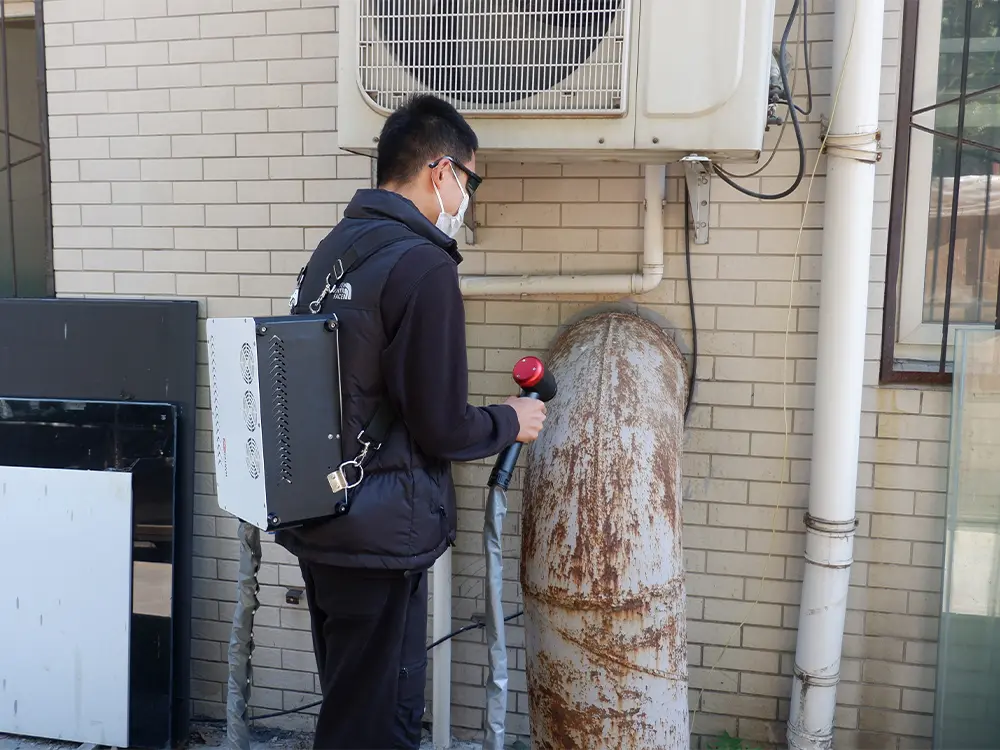
Laser cleaning machines are typically classified as Class 4 lasers, which means they can pose serious risks to eyes and skin if not properly controlled. Before operating a laser surface cleaning machine, make sure you:
- Know the laser wavelength and power output of the machine.
- Clearly understand its safety classification and required safety protocols.
- Post warning signs in the working area to alert staff and visitors.
Operators should be trained on the machine’s specifications and safety requirements before use.
2. Wear Proper Personal Protective Equipment (PPE)
While laser cleaning may appear non-invasive, it produces high-intensity laser beams and secondary emissions that can be harmful. Essential PPE includes:
- Laser safety goggles: Always wear goggles rated for the specific wavelength of the laser.
- Protective gloves and clothing: Prevent skin exposure, especially for high-power systems.
- Dust mask: In some applications, laser cleaning can generate smoke or micro-particles that should not be inhaled.
Choosing the correct PPE is especially critical when operating high-power laser surface cleaning machines used in industrial settings.
3. Maintain Correct Laser Parameters for Each Cleaning Task
One of the key benefits of a laser surface cleaning machine is its ability to be precisely adjusted for different materials and cleaning needs. However, incorrect settings can cause:
- Incomplete cleaning.
- Base material damage.
- Surface discoloration or warping.
- Overheating or burning.
Always adjust the following parameters based on the material:
- Laser power output.
- Pulse duration and frequency.
- Beam diameter.
- Scan speed.
- Focal distance.
For example, a thin aluminum surface requires much lower energy density than thick carbon steel. Many Wintek models allow you to save preset parameters for specific applications, ensuring repeatable results.
4. Test on a Sample Area Before Cleaning
Before committing to a full cleaning job, perform a test scan on a small area of the surface. This allows the operator to verify:
- The beam focus is correct.
- The surface will not be damaged.
- The cleaning result meets expectations.
This precaution is especially important for clients working on sensitive equipment, antiques, coated metals, or painted machinery where finish matters.
A sample test is standard procedure when using a laser surface cleaning machine for the first time on any new surface or material.
5. Maintain Adequate Ventilation During Operation
During the laser cleaning process, the intense heat of the laser beam interacts with surface contaminants such as paint, rust, oil, or oxide layers. This reaction often produces fumes, fine dust, and vaporized particles, especially when cleaning coated or oxidized materials.
If not properly ventilated, these byproducts can:
- Compromise operator health by releasing harmful airborne substances that may be inhaled.
- Obstruct visibility in the work area, making precision control more difficult.
- Settle on optical components, leading to reduced beam quality, overheating, or equipment malfunction.
To ensure safe and efficient operation of your laser surface cleaning machine, it is essential to ensure the work area is well-ventilated, especially in enclosed or indoor environments.
6. Keep the Optics and Nozzles Clean
The performance of a laser surface cleaning machine relies heavily on the cleanliness of its optical system. Dirty lenses, filters, or protective glass will reduce energy transmission, distort the beam, or even cause overheating.
Maintenance tips:
- Inspect and clean optics before and after each workday.
- Use only approved optical cleaning solutions and microfiber cloths.
- Replace any scratched or fogged protective lenses.
- Check alignment regularly.
Neglecting this step may not only affect cleaning results but can also damage expensive components in the laser head.
7. Schedule Regular Maintenance and Calibration
Like all industrial equipment, laser cleaners require regular preventive maintenance to stay reliable.
Maintenance checklist:
- Inspect laser source, cooling system, and cabling.
- Clean filters and fans.
- Verify beam alignment and stability.
- Update software and firmware as required.
- Log machine usage hours for scheduled service.
Wintek recommends service intervals based on usage frequency. Our team provides online maintenance services for our laser surface cleaning machines.
8. Keep a Record of Cleaning Parameters and Results
For consistent performance and quality control, it is important to document the operating parameters and cleaning outcomes during each use of the laser surface cleaning machine, especially in industrial environments where repeatability and traceability are essential.
Keeping a detailed record allows you to:
- Ensure repeatability across different operators, shifts, or workpieces.
- Troubleshoot issues more effectively if performance declines or results vary.
- Optimize cleaning parameters over time for different materials and contamination levels.
Recommended data to log includes:
- Material type and condition before cleaning.
- Laser settings (power, frequency, scan speed, focus distance, etc.)
- Cleaning time per part or area.
- Before-and-after photos or surface roughness readings (if applicable)
- Operator name and date/time.
9. Ensure Stable and Proper Power Supply
A reliable power source is essential for the safe and stable operation of a laser surface cleaning machine. Fluctuations in voltage, incorrect grounding, or unstable current can lead to:
- Unexpected machine shutdowns.
- Laser source damage.
- Reduced cleaning performance.
- Shortened equipment lifespan.
To avoid such issues, always follow these precautions:
- Use a dedicated industrial power line that meets the machine’s voltage and current requirements.
- Ensure proper grounding to protect against electrical surges or static discharge.
For regions with power instability, install a voltage stabilizer to protect the laser source and control system.
Conclusion
Laser cleaning offers a safer, cleaner, and more precise alternative to traditional surface treatment methods. However, to fully benefit from the advantages of a laser surface cleaning machine, users must follow strict safety protocols, use the correct settings, maintain the equipment properly, and ensure a safe working environment.
From wearing appropriate protective gear to maintaining power stability and recording operational parameters, every precaution plays a vital role in protecting both the operator and the equipment while also ensuring consistent, high-quality results.
Wintek laser cleaning machines with user safety, operational efficiency, and long-term durability in mind. Whether you’re cleaning rust from steel structures or preparing precision components for coating, our solutions help you get the job done safely and effectively.
Contact us today to learn more about our laser cleaning machines or request a customized solution for your application.