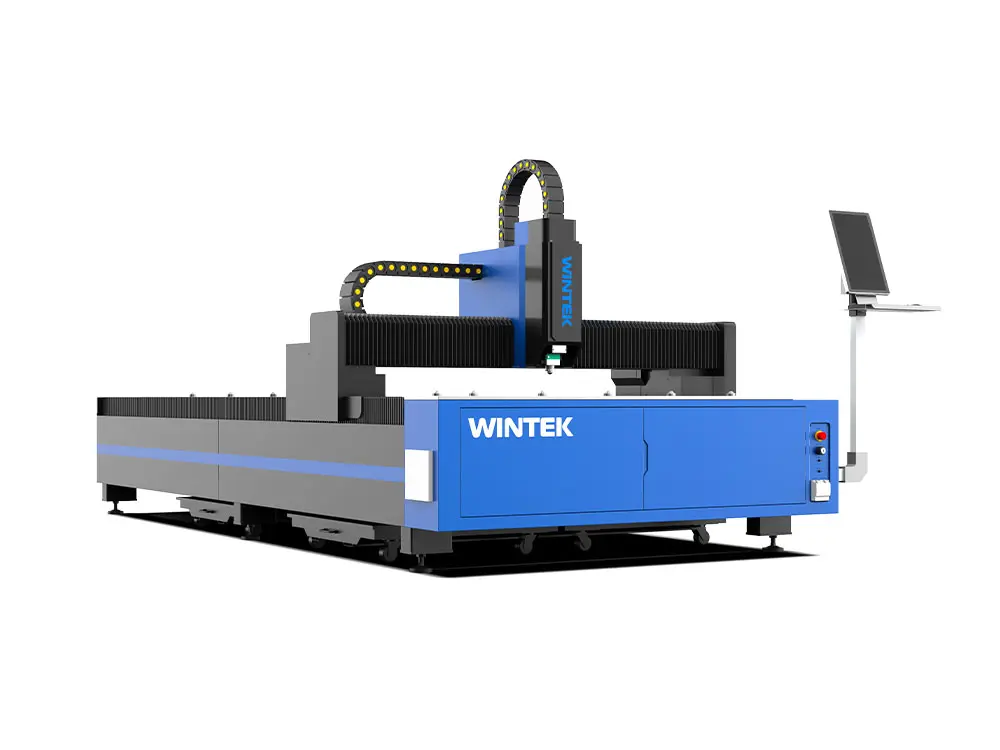
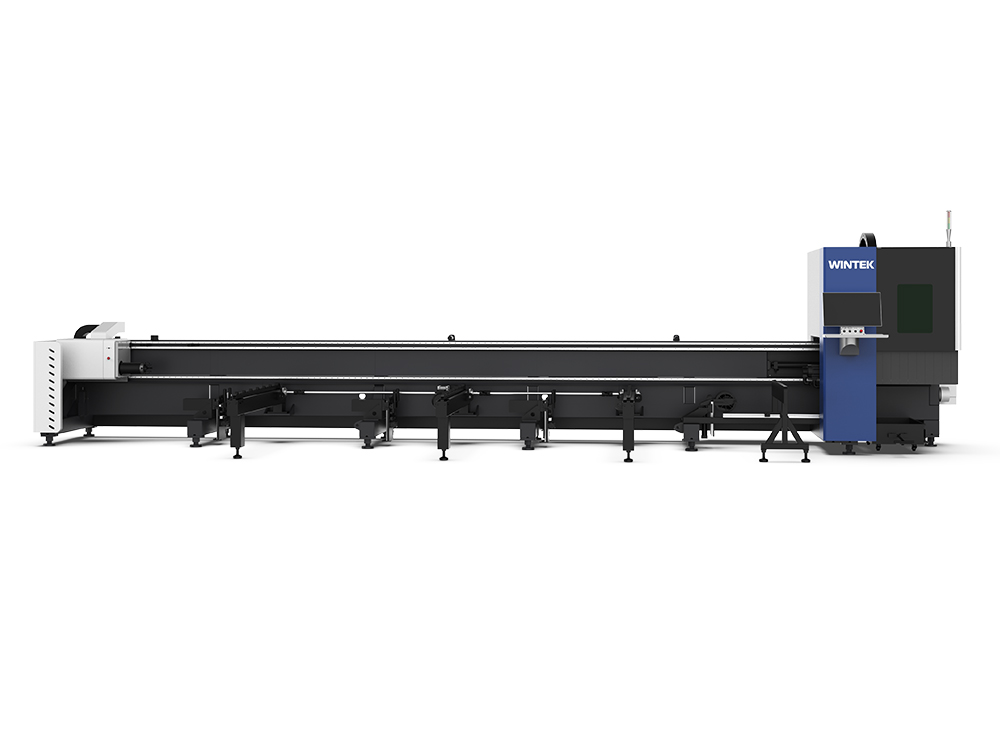
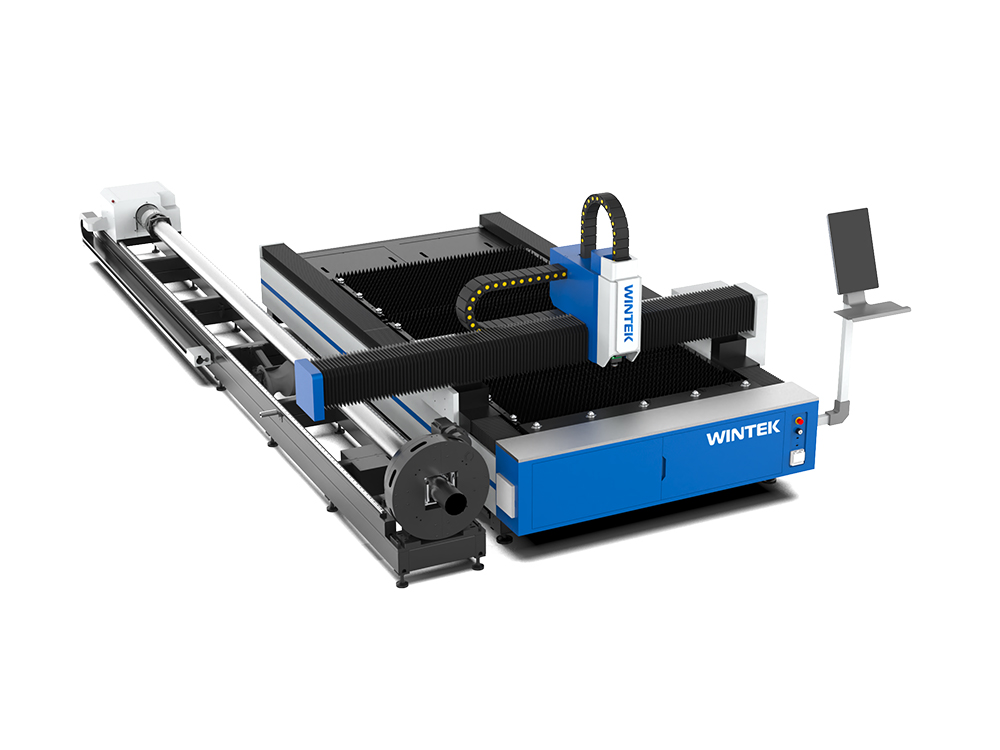

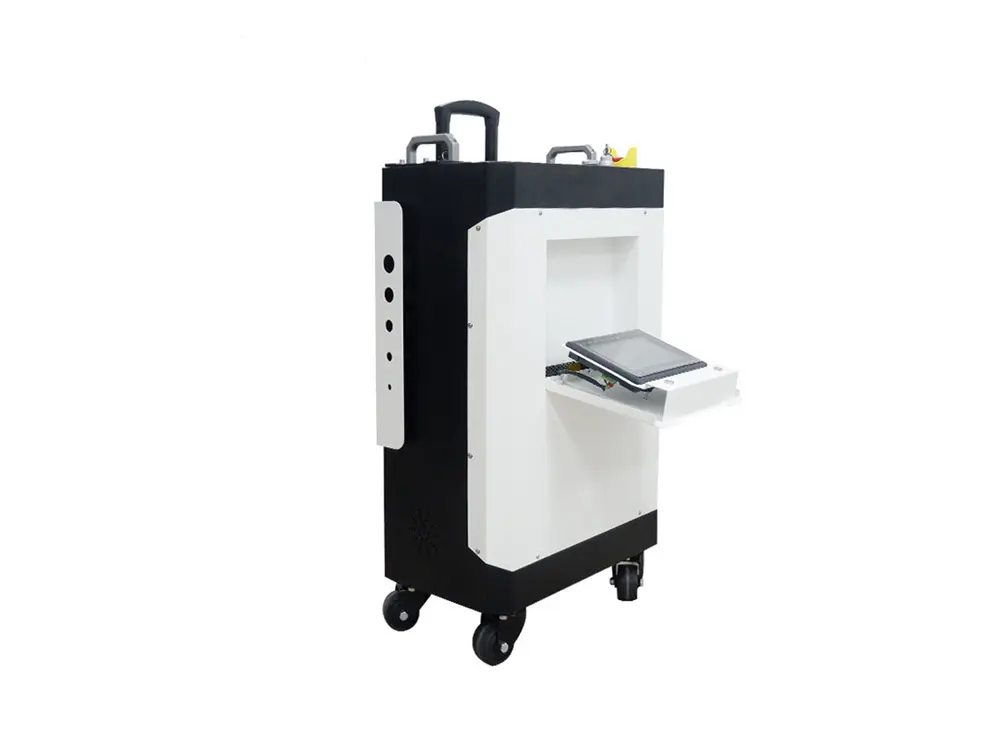
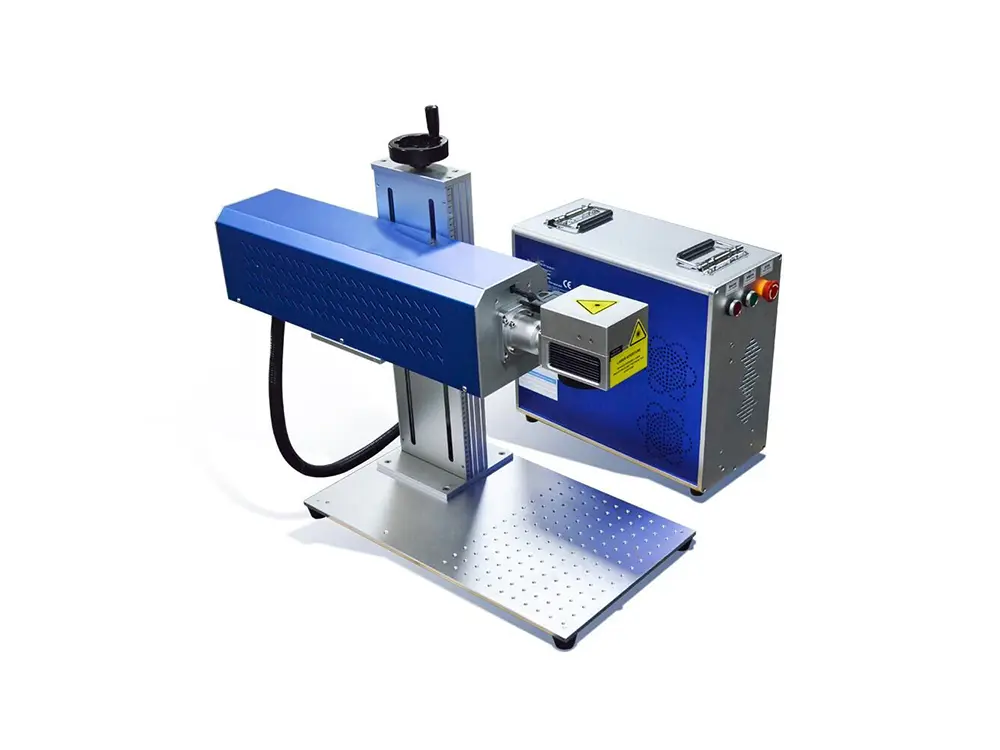











Fiber laser cutting machines are powerful, high-precision tools widely used in metal fabrication industries. Like any high-performance equipment, they require regular maintenance to operate efficiently and prolong their service life. Knowing what maintenance is needed and when is essential to keep your fiber laser cutter running smoothly, minimize costly downtime, and maintain cutting precision.
In this article, we’ll explore the essential maintenance practices for fiber laser cutting machines, categorized into daily, weekly, monthly, and periodic tasks. We’ll also discuss signs of wear, common mistakes to avoid, and how to build a proper maintenance schedule.
Why Maintenance Matters
The fiber laser cutting machine involves multiple components such as the laser source, cutting head, optics, cooling system, motion system, gas supply, and control software, all of which must function harmoniously. Regular maintenance offers multiple benefits:
- Ensures cutting accuracy.
- Prevents unexpected breakdowns.
- Extends machine life.
- Reduces repair costs.
- Protects your investment.
Neglecting maintenance can lead to misalignment, energy inefficiency, degraded cut quality, and even damage to expensive components like the laser source or optics.

Daily Maintenance Tasks
Clean the machine surface and work area
Metal dust, slag, and debris can accumulate on the machine bed and surrounding areas. Clean these daily to prevent contamination or interference with cutting.
Check lens and protective window
Inspect the protective lens and replace it if there is any dirt, burn marks, or damage. A dirty lens can scatter the laser beam and reduce cutting efficiency.
Drain condensation from the air compressor
Moisture buildup in compressed air lines can damage pneumatic components and optics. Use the drain valve to remove condensation from the air compressor tank.
Monitor cutting gas pressure
Ensure proper gas flow for nitrogen, oxygen, or air. Incorrect gas pressure can lead to burrs, poor edge quality, or inability to cut through metal.
Inspect nozzle and alignment
Clean or replace nozzles as needed. A worn or misaligned nozzle can cause uneven cutting and arc instability.
Weekly Maintenance Tasks
Clean and inspect filters
Check the air intake and dust filters. Replace or clean them if they are clogged. Poor air filtration can damage electronics and reduce machine life.
Lubricate moving parts
Apply grease or oil to the guide rails, gears, and bearings as per the manufacturer’s instructions. Proper lubrication reduces friction and wear.
Check water chiller level and temperature
The laser source must stay within a specific temperature range. Inspect the chiller’s water level and coolant temperature to avoid overheating.
Monthly Maintenance Tasks
Calibrate the machine
Recalibrate the laser head and check the beam path alignment. Precision in calibration is essential for consistent cutting accuracy.
Inspect the laser source connections
Check for any loose wiring or signs of wear around the laser source. Ensure all connections are secure.
Check for software or firmware updates
Many fiber laser cutting machines use smart controls. Install updates to fix bugs, improve performance, and enable new features.
Long-Term Periodic Maintenance (Quarterly to Annually)
Replace filters in the fume extraction system
Dirty filters reduce airflow and can allow harmful particles to escape. Replace these at least every 3–6 months depending on usage.
Flush and replace chiller coolant
Over time, coolant can degrade or become contaminated. Drain and refill the system at least once a year.
Inspect motor and drive systems
Check for unusual noise or vibration in servo motors and linear drives. Schedule professional inspection if needed.
Perform a full diagnostic check
A full system diagnostic can identify early signs of issues with optics, alignment, or electrical components.
Signs Your Machine Needs Immediate Attention
Watch for the following red flags that may indicate deeper issues:
- Burn marks on the material or lens.
- Inconsistent cutting depth or speed.
- Abnormal noises from motors.
- Sudden drop in power or speed.
- Error messages on the control panel.
These are often signs that preventive maintenance was missed or something has failed.
Common Maintenance Mistakes to Avoid
Skipping small tasks: Ignoring daily cleaning or lubrication can lead to larger failures.
Using incorrect lubricants: Only use the manufacturer-recommended products.
Over-cleaning lenses: Excessive cleaning can scratch optics; inspect first, clean only when needed.
Not replacing filters on time: Delayed filter changes reduce system efficiency.
Ignoring operator training: Untrained staff may misuse or poorly maintain the machine.
Building a Maintenance Schedule
Creating a structured maintenance schedule ensures nothing gets overlooked. Here’s a simplified example:
| Task | Frequency |
| Clean machine surface | Daily |
| Inspect lens & nozzle | Daily |
| Drain compressor | Daily |
| Lubricate rails | Weekly |
| Check chiller level | Weekly |
| Calibrate system | Monthly |
| Replace air filters | Monthly |
| Coolant change | Every 6–12 months |
| Full diagnostic | Annually |
You can also use maintenance tracking software or checklists provided by your machine supplier.
Fiber Laser Cutting Machine Maintenance Final Tips
Keep a maintenance logbook to track completed tasks and identify recurring issues.
Assign trained operators or maintenance technicians to perform tasks.
Work closely with your machine supplier or manufacturer for technical support, spare parts, and service reminders.
Invest in OEM spare parts rather than cheap alternatives to ensure compatibility and reliability.
Conclusion
Regular maintenance of a fiber laser cutting machine is essential not only to protect your investment but also to maintain high cutting quality and avoid unexpected downtime. By following a structured fiber laser cutting machine maintenance plan that covers everything from daily cleaning to yearly diagnostics, you can significantly extend the life of your equipment and maximize your production efficiency.
If you’re considering a new fiber laser cutter or want expert advice on maintenance planning, contact wintek laser today. Our team offers full training, support, and maintenance guidance tailored to your needs.