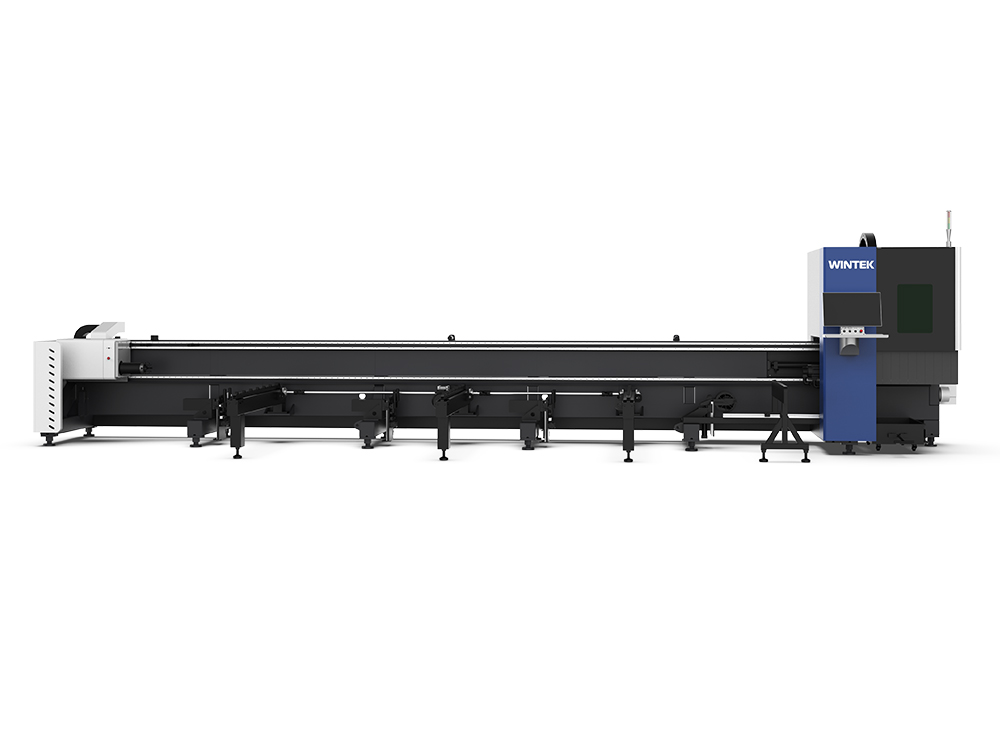












Laser tube cutting has become a standard production method in modern metal processing. Compared with traditional mechanical methods, laser technology delivers higher accuracy, cleaner edges, and more consistent results when processing complex tube geometries. Achieving stable and repeatable performance, however, is not automatic. In daily operations, problems with cutting quality, efficiency, or machine performance can still occur, directly affecting overall reliability.
This article reviews the most common issues in laser tube cutting and provides practical solutions drawn from real-world experience.
Common Problems and Solutions in Laser Tube Cutting

1. Poor Cutting Quality or Rough Edges
Problem: One of the most frequent issues in laser tube cutting is poor edge quality. This may appear as burrs, slag adhesion, uneven cuts, or excessive oxidation along the cut edge, especially when processing metal pipes with varying thicknesses.
Causes:
Incorrect laser power or cutting speed.
Improper focus position.
Incompatible assist gas or incorrect gas pressure.
Worn or contaminated cutting nozzles.
Solutions: To improve cutting quality, operators should optimize cutting parameters based on material type and thickness. For example, fiber laser pipe cutting machine requires precise power control when processing stainless steel versus carbon steel. Regular nozzle inspection and replacement are essential, and the gas purity and pressure should be checked frequently.
2. Inaccurate Cutting Dimensions
Problem: Dimensional inaccuracies can cause assembly problems downstream, particularly in applications that require tight tolerances, such as automotive frames or precision metal structures.
Causes
Inaccurate pipe clamping or centering.
Calibration errors in the CNC system.
Mechanical backlash or worn transmission components.
Incorrect pipe diameter input.
Solutions: Using a CNC laser pipe cutting machine with automatic centering chucks significantly reduces alignment errors. Regular calibration of the machine’s motion system and control software is also critical. Operators should ensure that pipe diameter, wall thickness, and material data are accurately entered before cutting.
Modern metal pipe laser cutting machines often integrate servo-driven chucks and closed-loop feedback systems, which help maintain consistent accuracy even during high-speed cutting.
3. Pipe Deformation During Cutting
Problem: Thin-wall pipes or long metal tubes may deform during cutting, leading to poor accuracy or incomplete cuts.
Causes:
Excessive heat input.
Improper clamping force.
Unsupported pipe length during processing.
Solutions: Reducing laser power and increasing cutting speed can minimize heat buildup. Additionally, adjustable clamping pressure and auxiliary support devices are essential for long or thin pipes. Many advanced laser pipe cutting machines include automatic follow-up supports to stabilize pipes during rotation and cutting.
Choosing a machine specifically designed for tube and pipe processing, rather than adapting a flat-sheet cutter, is crucial for minimizing deformation issues.
4. Difficulty Cutting Reflective Materials
Problem: Cutting reflective metals such as aluminum, brass, or copper pipes can be challenging due to laser back-reflection, which may damage optical components.
Causes:
Insufficient laser source protection.
Incorrect cutting parameters.
Low-quality optical components.
Solutions: The fiber laser pipe cutting machine with anti-reflection protection is strongly recommended for reflective materials. Proper parameter adjustment, including higher cutting speed and optimized focus position, can also reduce reflection risks.
Reputable brands like Wintek Laser equip their systems with advanced fiber laser sources and protective optics to ensure stable performance when cutting highly reflective metal pipes.
5. Slag Accumulation Inside the Pipe
Problem: During cutting, molten material may adhere to the inner wall of the pipe, affecting internal cleanliness and requiring additional post-processing.
Causes:
Incorrect assist gas selection.
Inadequate gas pressure.
Poor cutting angle or focus position.
Solutions: Selecting the appropriate assist gas, such as nitrogen for stainless steel, and optimizing gas pressure can significantly reduce slag formation. Some pipe laser cutting machines also feature angled cutting heads or specialized nozzle designs to improve molten material ejection.
6. Frequent Alarm or System Interruptions
Problem: Unexpected machine alarms or production interruptions reduce efficiency and increase downtime.
Causes:
Sensor contamination.
Unstable power supply.
Software configuration errors.
Cooling system issues.
Solutions: Routine maintenance is key. Operators should clean sensors, check cooling water quality, and ensure a stable electrical supply. High-end CNC laser pipe cutting machines usually include intelligent diagnostics that help identify issues quickly, minimizing downtime.
Manufacturers with strong technical support, such as Wintek Laser, often provide remote diagnostics and detailed maintenance guidance, which can be invaluable for overseas customers.
7. Low Cutting Efficiency
Problem: Some users find that actual production speed does not meet expectations, especially when processing large batches of metal pipes.
Causes:
Conservative cutting parameters.
Manual loading and unloading.
Inefficient nesting or programming.
Solutions: Optimizing CNC programs and using automatic loading systems can dramatically increase productivity. A modern metal pipe laser cutting machine with automatic feeding, intelligent nesting, and high-speed chuck rotation can significantly outperform manual or semi-automatic setups.
8. Difficulty Switching Between Pipe Types
Problem: Manufacturers often need to process round, square, rectangular, or special-shaped pipes, and frequent changeovers can slow production.
Causes:
Limited chuck adjustment range.
Complex manual setup.
Inflexible control software.
Solutions: Advanced laser pipe cutting machines are designed with flexible chuck systems and user-friendly CNC interfaces that allow quick switching between pipe types. This flexibility is especially important for job shops and custom fabrication businesses.
9. Excessive Maintenance Costs
Problem: Unexpected maintenance expenses can reduce the overall return on investment of a laser tube cutting system.
Causes:
Low-quality components.
Poor cooling or lubrication.
Lack of preventive maintenance.
Solutions: Investing in a reliable laser pipe cutting machine from a reputable brand reduces long-term maintenance costs. Preventive maintenance schedules, proper training, and the use of original spare parts all contribute to extended machine lifespan and stable operation.
10. Choosing the Right Laser Tube Cutting Machine
Choosing the right equipment is one of the best ways to reduce common problems in laser tube cutting. Important factors include laser power and source quality, maximum pipe diameter and length, and the level of automation. The reliability and user-friendliness of the CNC system are also essential for consistent precision and cutting quality.
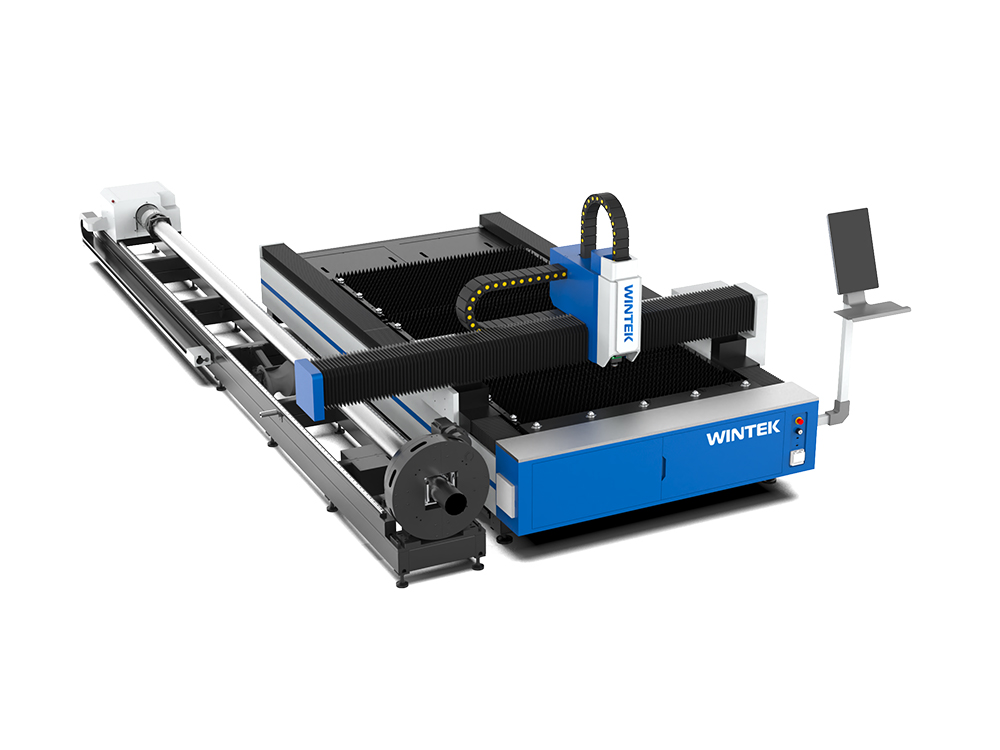
Post-purchase support is equally important. Access to spare parts and technical assistance can greatly affect long-term productivity. Established manufacturers like Wintek Laser offer a wide range of laser pipe cutting machines. These range from entry-level units to fully automated CNC machines, allowing customers to find a solution that fits their needs and budget.
Conclusion
Laser tube cutting technology continues to evolve, offering manufacturers greater precision, flexibility, and efficiency. Achieving optimal results, however, requires a solid understanding of common problems and how to address them. By selecting the right equipment, optimizing cutting parameters, and following proper maintenance practices, operators can improve edge quality, consistency, and overall production reliability.
By properly operating the pipe laser cutting machine and addressing potential challenges proactively, you can maximize efficiency and extend the machine’s service life. Choosing a reliable partner like Wintek Laser ensures access to high-quality equipment and ongoing technical support for long-term, stable production.