











In modern metal fabrication, stainless steel has become one of the most widely used materials thanks to its high strength, corrosion resistance, heat tolerance, and clean appearance. As industries continue to demand higher precision and greater efficiency, fiber laser cutting machines have gradually replaced traditional cutting methods and become the core equipment for stainless steel sheet processing. For buyers, understanding how thick a stainless steel laser cutting machine can cut is a key indicator of equipment performance. It directly affects production capacity, return on investment, and the range of applications the machine can handle.
To help users select the right machine more effectively, this guide outlines the stainless steel cutting capability of fiber laser cutters, the key factors that affect cutting thickness, and practical recommendations to help manufacturers choose the right configuration.
Factors That Determine Stainless Steel Cutting Thickness
The cutting thickness capability is influenced by several key technical parameters. Understanding these factors allows factories to select the correct machine and achieve both productivity and cost efficiency.
1. Laser Power
Laser power is the primary factor that determines how thick a stainless steel sheet can be cut. In practical applications, low-power systems between 1000W and 2000W are mainly used for thin stainless steel, typically within 6mm. Medium-power machines in the 3000W to 6000W range are capable of cutting 8 to 16mm stainless steel with stable performance and good edge quality. When the power increases to 8000W-12000W, the machine can handle plates around 20mm with much higher cutting speed and efficiency. For heavy-duty industrial applications, high-power systems from 15000W to 30000W are used, enabling the cutting of 25-40mm stainless steel depending on the required surface quality and production speed.
Higher power not only extends the maximum cutting thickness but also enhances overall process stability, especially during medium and thick-plate cutting, where energy density, penetration ability, and thermal balance play crucial roles.
2. Beam Quality and Laser Source Efficiency
High-quality fiber lasers deliver a smaller, more focused spot, resulting in:
- Faster cutting
- Narrower kerf
- Better edge smoothness
- Stronger penetration for thick plates
Machine brand, laser source brand (IPG, Raycus, Max) and optical path design all influence actual performance.
3. Assist Gas Type and Pressure
Assist gas selection impacts edge finish and overall cost.
- Nitrogen is preferred for stainless steel because it produces a bright, oxidation-free edge.
- Oxygen is suitable for thicker plates when oxidation is acceptable.
- Air offers a low-cost option for thin stainless steel.
High-pressure nitrogen is critical for ensuring clean, stable cutting on medium-thick stainless steel.
4. Machine Structure and Motion System
A rigid machine frame, stable gantry, and precise motion system help maintain cutting accuracy, especially on medium and thick plates. Good mechanical stability reduces vibration, ensures consistent kerf width, and supports long-term reliability.
Cutting Thickness Capability at Different Laser Power
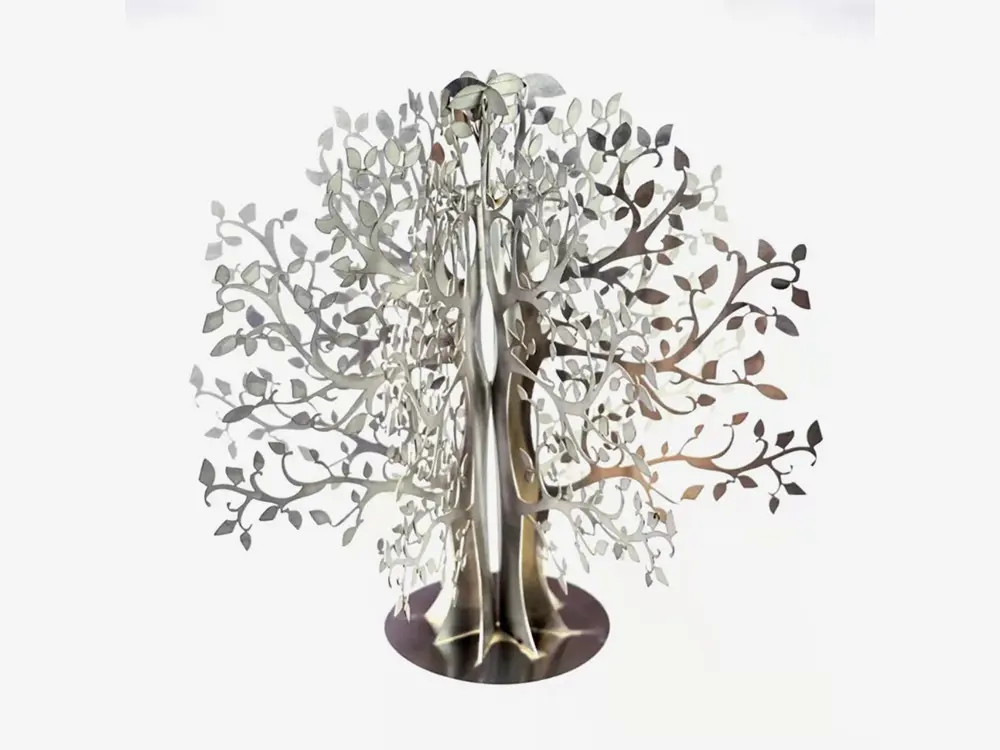
Laser power directly defines the stainless steel cutting capability, and each power range corresponds to a specific working thickness with clear performance boundaries. Understanding these limits helps manufacturers choose a configuration that matches their material requirements, production speed, and long-term workload. Selecting the correct power level ensures stable continuous operation and prevents performance loss when handling medium or thick stainless steel plates.
1000W to 2000W Steel Laser Cutting Machines
This power range is suitable for factories that mainly process thin stainless steel sheets. Machines in this category deliver fast cutting speeds and smooth edges on materials up to about 6mm. They are widely used in light metal fabrication, kitchenware production, advertising signs, and small workshop applications where precision and efficiency on thin materials are the priority.
This category is ideal for applications requiring fast throughput with minimal heat distortion.
3000W to 6000W Steel Laser Cutting Machines
These machines are designed to handle medium-thickness stainless steel and offer reliable penetration with stable cutting performance. They typically process stainless steel from 8mm to 16mm with consistent accuracy and good edge quality. This power range is widely used in electrical cabinets, industrial machinery parts, engineering components, and metal furniture production, where both versatility and efficiency are required.
This power range is suitable for manufacturers who require balanced performance across a wide variety of stainless steel thicknesses.
8000W to 12000W Steel Laser Cutting Machines
Laser cutting machines in this range are built for heavy-duty tasks and long production cycles. They can cut stainless steel up to around 20mm while maintaining controlled heat input and a narrow kerf. Manufacturers in sectors such as construction steel components, shipbuilding, heavy equipment fabrication, and large-scale structural processing often select this power range to support continuous, high-output production.
Their ability to sustain long-term high-load operation makes them widely adopted in industries with continuous production demands.
15000W to 30000W Steel Laser Cutting Machines
High-power fiber lasers provide the capacity needed for very thick stainless steel plates and extremely demanding industrial workloads. With proper gas pressure and optimized cutting parameters, these machines can process stainless steel from approximately 25mm to 40mm depending on the expected surface quality. They are preferred by large manufacturing facilities and companies that require maximum throughput, high efficiency, and the ability to cut a wide range of materials without limitations.
These systems are ideal for large-scale manufacturing facilities requiring maximum efficiency and minimal process limitations.
Cut Quality Differences Across Different Thickness
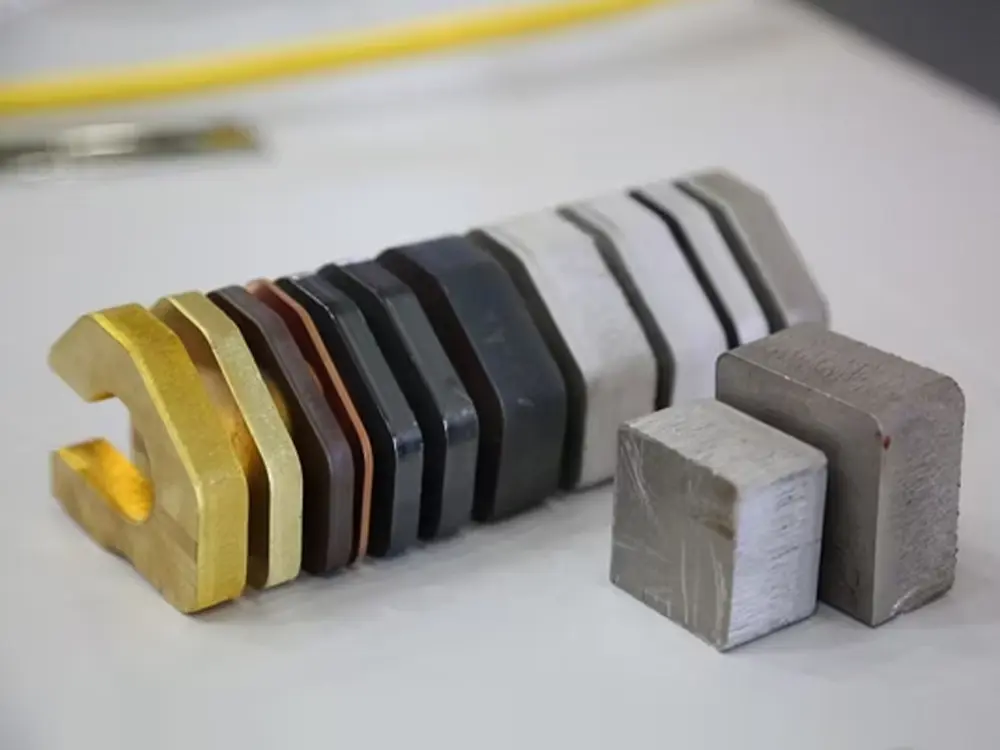
Cut quality varies significantly with stainless steel thickness because heat absorption and molten pool behavior change as material thickness increases. Understanding these characteristics allows operators to fine-tune parameters for optimal performance, ensuring smooth edges and consistent results across thin, medium, and thick plates.
Thin Stainless Steel from 0.5mm to 6mm
Thin stainless steel is the easiest category to cut with fiber laser equipment. At this thickness, the material absorbs heat efficiently and melts rapidly, producing a very narrow kerf and smooth edges. Cutting speeds are extremely high, and the heat-affected zone remains minimal. With nitrogen assist gas, the cutting surface stays clean and bright, making it suitable for products that require precise appearance requirements such as kitchenware, decorative panels, and electronic parts.
Medium Thickness Stainless Steel from 8mm to 16mm
When processing medium-thick stainless steel, cut quality is still excellent but begins to show slight changes. The kerf becomes marginally wider, and cutting speeds decrease as the depth increases. Proper focus adjustment and adequate nitrogen pressure are essential for maintaining smooth edges. With the correct parameters, the surface remains clean with only minor heat tint that can be removed easily. This thickness range is common in industrial equipment manufacturing, machinery parts, and structural components.
Thick Stainless Steel from 20mm to 40mm
Cutting thick stainless steel requires higher power, stable gas supply, and a rigid machine structure. The kerf becomes more defined and heat accumulation increases, which may lead to minor dross on the underside if parameters are not optimized. Edge smoothness is achievable but depends on laser power, focus control, and cutting height. High-power lasers improve penetration and maintain consistent quality across the plate. This category is typically used in heavy machinery fabrication, shipbuilding components, and engineering structures where strength and durability are essential.
Choosing the Right Stainless Steel Laser Cutting Machine

Selecting the correct steel laser cutting machine requires evaluating production needs, material types, and budget.
By focusing on key considerations such as thickness range, power level, gas configuration, and automation needs, buyers can achieve better long-term performance and return on investment.
1. Identify Your Main Thickness Range
Buyers should begin by determining the thickness of stainless steel used in daily operations. Matching equipment power to the most frequently processed thickness ensures maximum productivity.
2. Choose the Appropriate Laser Power
Laser power affects cutting capacity, production speed, and energy usage. Factories handling varied materials benefit from choosing a slightly higher power level for greater flexibility.
3. Evaluate Gas Configuration and Operating Costs
Assist gas choice has a direct impact on edge quality and operating expenses. Nitrogen provides the best quality, while oxygen is more economical for thick plates despite oxidation.
4. Confirm Machine Size and Automation Options
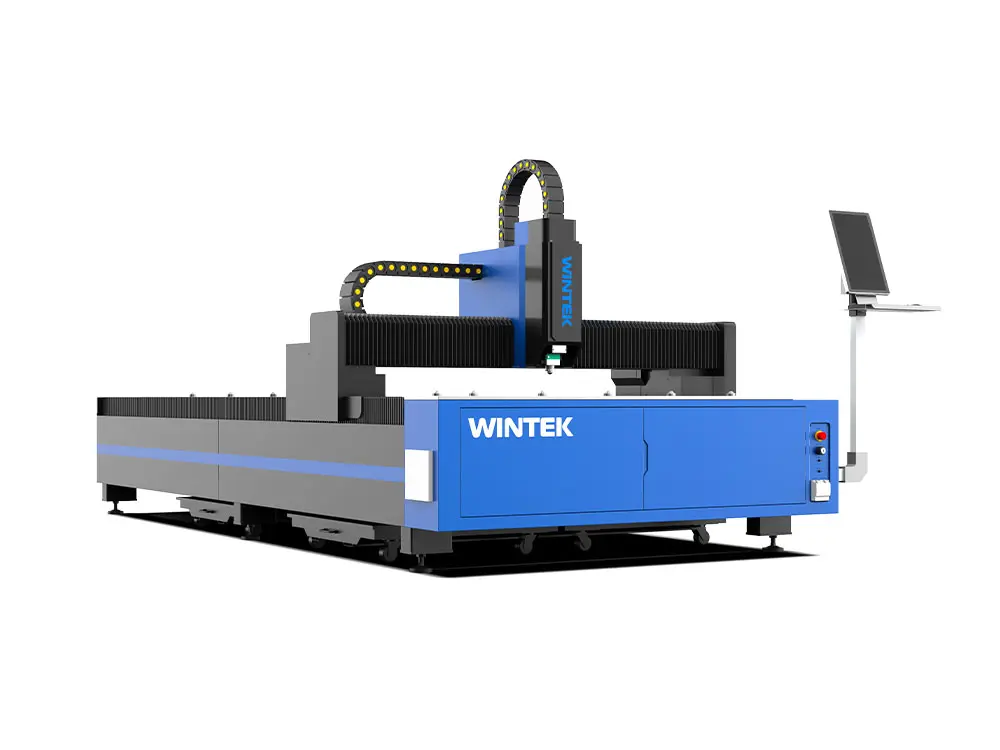
Worktable size determines the maximum sheet dimension the machine can handle. The most common sizes include 3015, 4020, and 6025. Factories that cut large stainless steel sheets should select a larger bed to reduce manual handling. Automation options such as exchange tables and loading systems can improve productivity and shorten processing cycles for high-volume operations.
5. Consider Laser Source Brand and After-Sales Support
The laser source is one of the most critical components influencing long-term stability and energy efficiency. Well-known brands such as IPG, Raycus, and Max offer reliable performance and lower maintenance risk. Choosing a machine with consistent technical support ensures smoother operations and reduces downtime.
Conclusion
For manufacturers that require stable performance, long-term efficiency, and precise stainless steel cutting, choosing the right laser power and configuration is essential. A well-matched machine not only improves productivity but also reduces operating cost and ensures consistent quality.
As a professional laser machine supplier, wintek provides customized cutting solutions including 1000W-30000W fiber laser cutters, automation options, and complete technical support.
Contact us for a personalized recommendation based on your stainless steel thickness, production volume, and budget.