
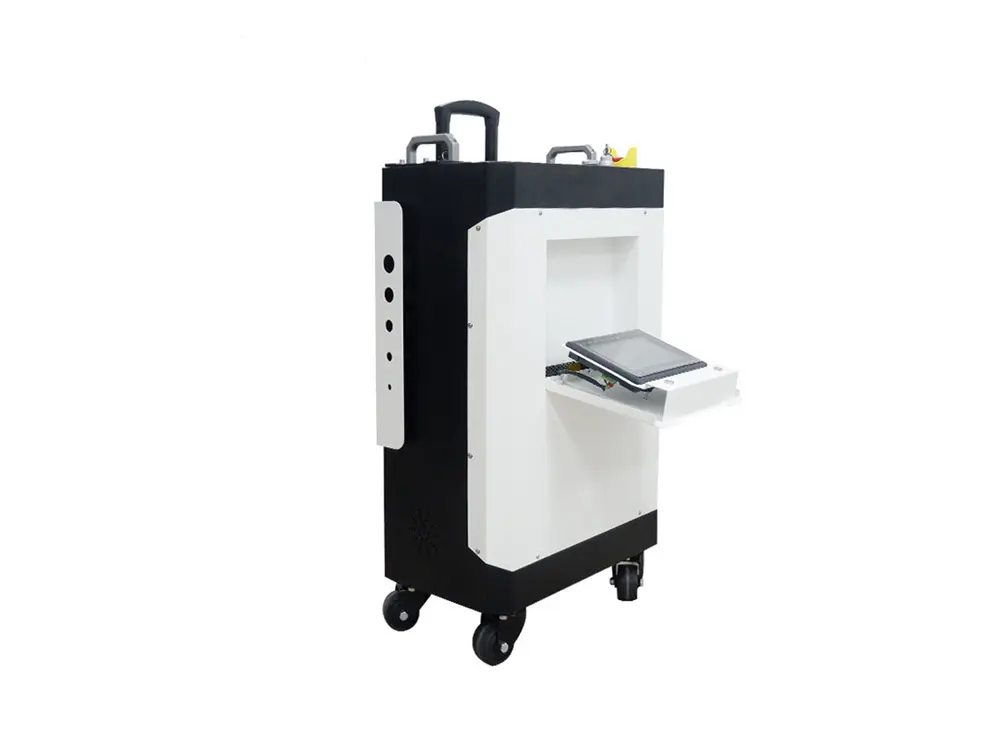
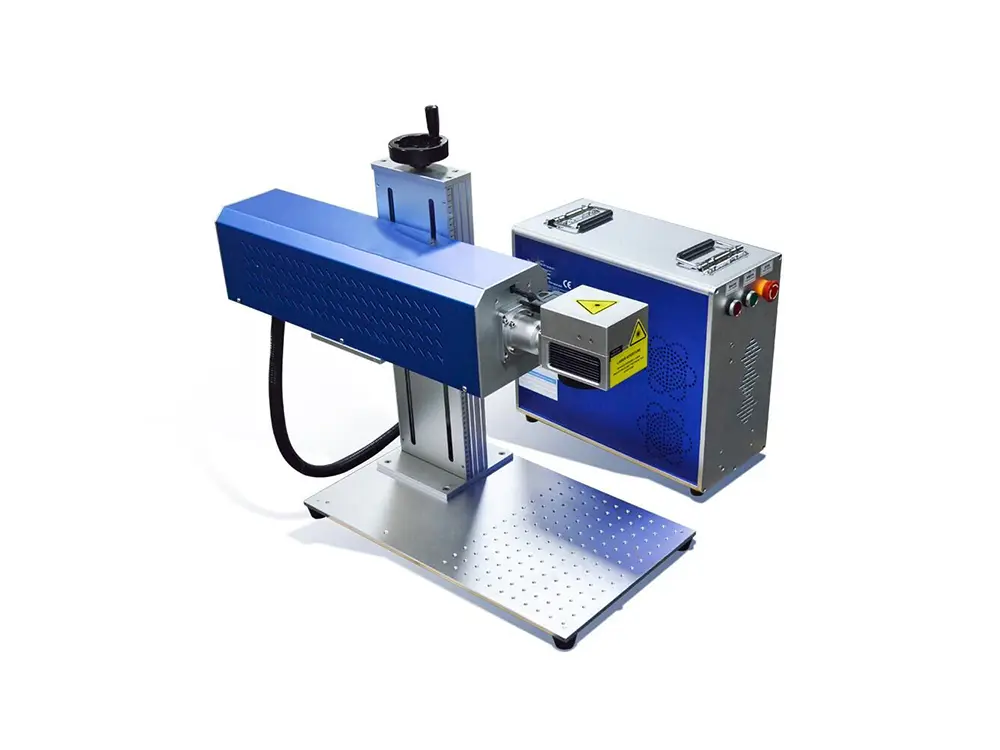











In modern metal fabrication, achieving perfect laser weld seams is essential for both structural strength and visual quality. A handheld laser welder offers high precision, low heat input, and fast welding speed compared to traditional welding methods. It is widely used for stainless steel, carbon steel, aluminum, galvanized sheet, and many other metals.
However, producing smooth, strong, and consistent weld seams does not happen automatically. Even with advanced laser technology, results depend on correct machine settings, proper technique, and careful material preparation.
In this guide, we will explain how to achieve perfect laser weld seams, including practical welding tips, recommended parameter settings, and common mistakes to avoid.
Why Weld Seam Quality Matters
A weld seam is more than just the visible connection between two metal parts. Its quality directly impacts the performance, safety, and appearance of the finished product. A high-quality weld seam helps ensure:
- Strong structural integrity
- Reliable airtight or watertight sealing
- Better corrosion resistance
- Long-term durability and service life
- Clean and professional appearance
Poor weld seams may contain defects such as cracks, porosity, undercutting, insufficient penetration, or excessive spatter. These issues can weaken the joint, reduce product reliability, and increase repair or replacement costs.
In industries such as automotive manufacturing, kitchen equipment, metal furniture, machinery, and sheet metal fabrication, weld seam quality is an essential standard for both function and market value.
Advantages of a Handheld Laser Welder for Seam Quality
Compared with MIG, TIG, and traditional arc welding, a handheld laser welder offers significant advantages when it comes to achieving high-quality weld seams.
1. Narrow Heat-Affected Zone: Laser energy is highly concentrated, which reduces heat transfer to the surrounding material. This helps minimize distortion, discoloration, and burn marks.
2. Cleaner Weld Appearance: Laser welding creates smooth, narrow, and visually appealing seams with minimal spatter, reducing the need for grinding or polishing.
3. Faster Welding Speed: With higher travel speed than many conventional methods, handheld laser welding improves productivity while maintaining seam consistency.
4. Easier Operation: Modern handheld laser welders are designed for simple operation and are generally easier to learn than TIG welding, especially for new operators.
5. Excellent for Thin Metals: Laser welding performs exceptionally well on thin sheet metal, where traditional welding methods may cause overheating, warping, or burn-through.
Key Steps to Achieve Perfect Laser Weld Seams
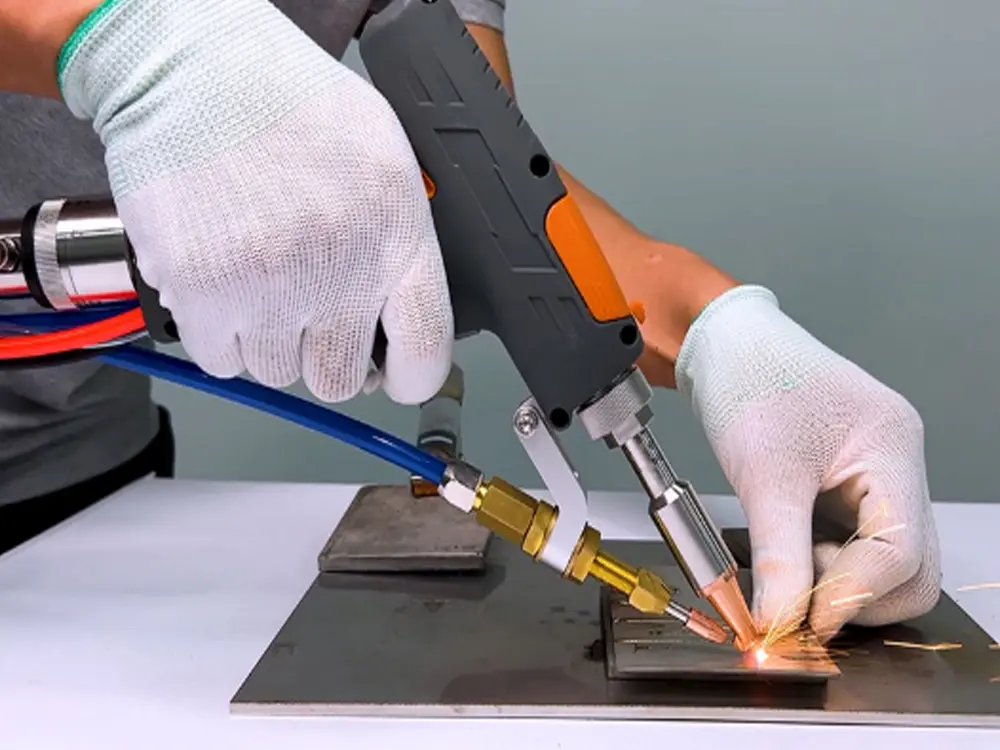
Producing high-quality laser weld seams with a handheld laser welder requires the right combination of preparation, machine settings, operating technique, and material knowledge. By following these essential steps, operators can achieve stronger, cleaner, and more consistent welding results.
Step 1: Prepare the Material Surface Properly
Perfect weld seams with a handheld laser welder begin before welding starts. The workpiece surface should be clean and free from rust, oil, paint, dust, oxide layers, and moisture, as contaminants can cause porosity, unstable weld pools, and weak bonding. Cleaning methods may include degreasing solvent, a wire brush, sandpaper, a laser cleaning machine, or a clean cloth.
Proper fit-up is equally important. Gaps between metal parts should be minimal and consistent. Large gaps make seam control more difficult and may require filler wire. For best results, align edges accurately, clamp the workpieces securely, and maintain a uniform joint gap. Good fit-up is one of the most important factors in achieving perfect seams.
Step 2: Choose the Correct Welding Parameters
Machine settings strongly influence weld seam shape, penetration depth, and overall results when using a handheld laser welder. Laser power should match the material thickness. Higher power increases penetration, but excessive power may burn through thin metals. Thin sheets generally require lower power, medium thickness materials need moderate power, and thicker sections require higher power.
Welding speed must also be balanced with power. If travel speed is too fast, incomplete fusion, weak penetration, and narrow seams may occur. If speed is too slow, excessive heat input can lead to wide seams, discoloration, and distortion.
Depending on the machine, continuous mode is suitable for long seams and faster production, while pulse mode provides better control for delicate or thin materials. If filler wire is used, the wire material should match the base metal, the feed speed should be properly adjusted, and wire delivery should remain stable to prevent uneven beads.
Step 3: Use Correct Welding Technique
Even the best handheld laser welder depends on proper operator control. The welding head should be held at a slight angle, usually around 10° to 20°, depending on the application. This helps improve visibility, stabilize the molten pool, and create smoother bead formation.
Maintaining the correct focal distance between the nozzle and workpiece is also critical. If the nozzle is too close, it may become damaged. If it is too far away, the laser energy density decreases.
Smooth and steady hand movement is essential. Avoid shaking or sudden stops, as consistent motion helps create uniform bead width, even penetration, and better seam appearance. Extra attention should be given to seam starts and stops. Begin smoothly, pause slightly if needed, and overlap the end point carefully to avoid crater cracks or weak joint ends.
Step 4: Select Proper Shielding Gas
Shielding gas protects the molten metal from oxidation and improves weld seam appearance when using a handheld laser welder. Nitrogen is commonly used for stainless steel because it helps create clean and bright seams. Argon is stable and versatile, making it suitable for many metals. Mixed gases may be used for special welding applications.
Gas flow rate is also important. Too little gas can cause oxidation, while too much gas may disturb the weld pool. Correct gas pressure and proper nozzle direction significantly improve seam finish and welding consistency.
Step 5: Adjust for Different Materials
Different metals react differently to laser energy, so settings on a handheld laser welder should be adjusted accordingly. Stainless steel is generally easy to weld and often produces excellent seam appearance, especially when nitrogen is used. Carbon steel requires proper power control to avoid oxidation or excessive spatter.
Aluminum needs careful heat management because of its high reflectivity and thermal conductivity, and surface cleanliness is especially important. Galvanized steel contains a zinc coating that may vaporize during welding, so proper settings and adequate ventilation are necessary.
Understanding the characteristics of each material helps operators use a handheld laser welder more effectively and produce cleaner, stronger, and more reliable weld seams.
Common Weld Seam Defects and Solutions
1. Why Does Porosity Appear in the Weld Seam?
Porosity is usually caused by surface contamination, moisture, or insufficient shielding gas during welding. Rust, oil, paint, or dust on the material can trap gas inside the molten pool.
Solution: Clean the workpiece thoroughly before welding, keep materials dry, and ensure stable shielding gas flow when using a handheld laser welder.
2. Why Does Burn-Through Happen on Thin Metal?
Burn-through occurs when excessive heat melts completely through the material. This is common when laser power is too high or welding speed is too slow.
Solution: Reduce laser power, increase travel speed, or use pulse mode for better heat control on thin materials.
3. Why Is the Weld Seam Too Weak or Lacking Penetration?
Insufficient penetration happens when the laser energy does not fully fuse the joint. It is often caused by low power, high welding speed, or poor joint fit-up.
Solution: Increase power appropriately, slow down the welding speed, and improve joint alignment before welding.
4. Why Is the Weld Bead Uneven or Rough?
An uneven bead is usually caused by unstable hand movement, inconsistent focal distance, or irregular wire feeding.
Solution: Maintain steady movement, keep the correct nozzle distance, and ensure smooth wire feeding when operating a handheld laser welder.
5. Why Does the Weld Seam Turn Black or Oxidized?
Oxidation often occurs when shielding gas coverage is poor or gas flow is too low. It is common when welding stainless steel without proper protection.
Solution: Increase shielding gas flow, check nozzle position, and use suitable gas such as nitrogen or argon.
6. Why Does Excessive Spatter Occur During Welding?
Spatter may result from incorrect power settings, unstable focus, contaminated surfaces, or poor parameter matching.
Solution: Optimize laser power and speed, clean the material surface, and maintain proper focal position.
7. Why Do Cracks Form at the Start or End of the Weld?
Cracks often appear because of sudden starts, abrupt stops, or excessive heat concentration at seam ends.
Solution: Start smoothly, overlap the end point properly, and use controlled motion throughout the weld.
8. How Can I Prevent Most Weld Seam Defects?
Most seam defects can be avoided through proper preparation and setup.
Solution: Keep materials clean, use correct parameters, maintain stable movement, choose suitable shielding gas, and regularly maintain your handheld laser welder.
Why Choose a Professional Handheld Laser Welder

Achieving perfect weld seams starts with the right equipment. A professional handheld laser welder makes it easier to produce strong, smooth, and consistent results while improving efficiency and long-term reliability.
High-quality machines typically offer stable laser output, accurate control systems, smooth wire feeding, reliable cooling performance, adjustable welding parameters, and a longer service life. These features help operators maintain consistent seam quality across different materials and production tasks.
In contrast, low-quality equipment may lead to unstable performance, inconsistent power delivery, poor seam repeatability, and increased maintenance issues. This can reduce productivity and affect final weld quality.
However, even the best Wintek handheld laser welder requires proper use. Perfect laser weld seams depend on more than simply operating the machine. Clean material preparation, correct parameter settings, steady welding technique, proper shielding gas, and regular maintenance all play essential roles.
When the right machine is combined with the right process, weld seams become stronger, cleaner, smoother, more attractive, and highly consistent.
Whether you work in metal fabrication, repair services, manufacturing, or custom metal projects, investing in a professional handheld laser welder helps maximize performance and deliver reliable welding results every time.