
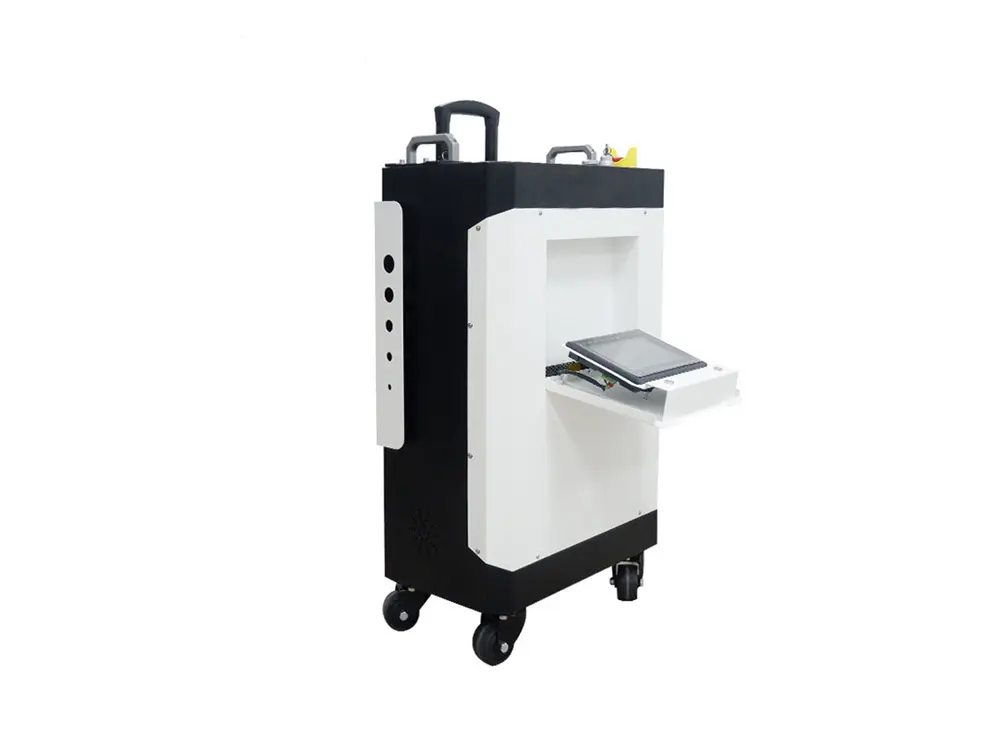
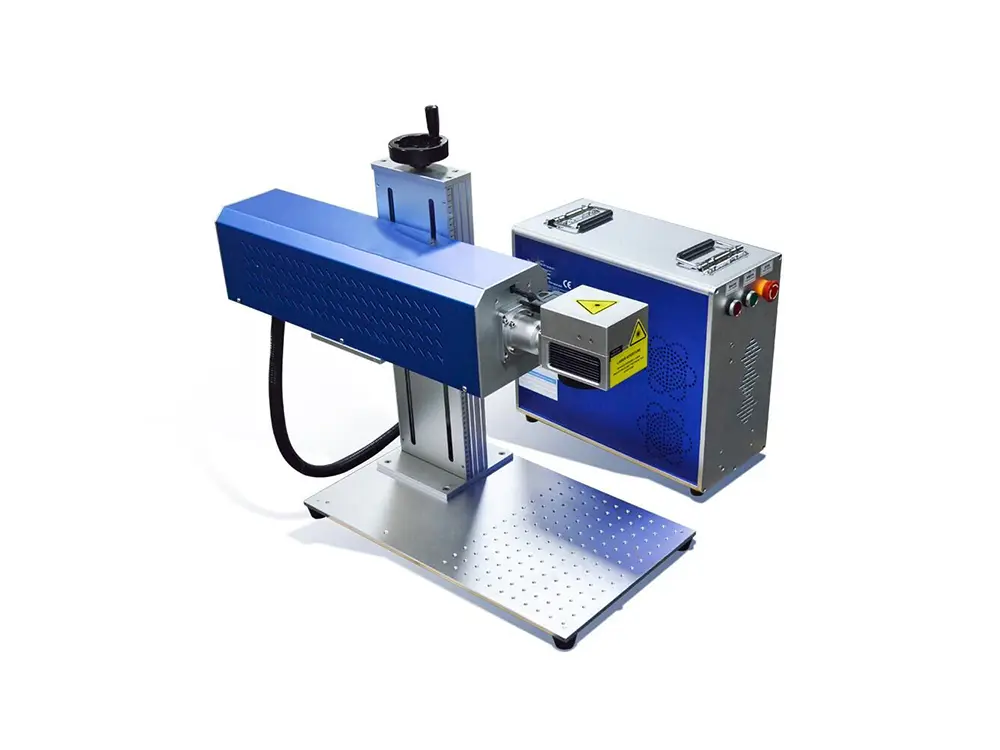











In modern industrial operations, speed and precision are critical. From automotive production to aerospace manufacturing, the way surfaces are cleaned can directly impact productivity, product quality, and overall costs.
From removing corrosion on aerospace components to restoring historical metal parts, surface cleaning plays a vital role in ensuring both performance and durability. Choosing the right cleaning technology is no longer optional and has become a strategic decision.
Traditional methods like sandblasting or chemical cleaning are often slow, inconsistent, and can damage materials or the environment. Laser cleaning machines offer a faster, cleaner, and highly precise alternative. But how fast can they really work, and what factors determine their speed?
This guide will cover everything you need to know about laser cleaning speed, helping you choose the right solution for your workflow.
What Determines Laser Cleaning Speed?
Laser cleaning speed is not a fixed number. It depends on several key factors that influence how quickly a machine can remove contaminants from a surface while maintaining precision and safety. Understanding these factors will help you select the right equipment for your application and optimize your workflow.
1. Laser Power and Type
Laser power is one of the most critical factors influencing cleaning speed. A higher-power laser delivers more energy to the surface in less time, allowing thick rust, multiple layers of paint, or heavy oxidation to be removed more quickly and efficiently.
For example, a 2000W or 3000W laser cleaning machine can process large industrial components significantly faster than a 500W system, making it ideal for high-throughput production environments.
The type of laser also plays a significant role. Pulse lasers emit energy in short, intense bursts, making them ideal for delicate or thin materials because they minimize heat buildup and reduce the risk of surface damage.
Continuous lasers, in contrast, provide a steady stream of energy, which is better suited for large, uniform surfaces, offering consistent cleaning over wide areas. Choosing between these two types depends on whether your priority is precision or maximum speed.
2. Wavelength and Absorption
The wavelength of a laser significantly affects how efficiently it interacts with different materials. Metals, plastics, and coatings each absorb laser energy differently, which directly impacts cleaning speed and effectiveness.
When the wavelength matches the absorption characteristics of the contaminant, energy transfer becomes highly efficient, allowing faster removal with less power consumption.
On the other hand, using an unsuitable wavelength can result in poor absorption, causing slower cleaning speeds, uneven removal, and even potential damage to the base material. Selecting the right wavelength is essential for achieving both speed and quality.
3. Surface Condition and Contaminant Type
Laser cleaning speed is heavily influenced by the condition of the surface being treated. Thick rust layers, multiple coatings, or hardened grease deposits require more energy and multiple passes, which naturally slows down the process.
In contrast, light oxidation, dust, or thin coatings can often be removed in a single pass at high speed.
Surface texture also plays a critical role. Smooth and reflective surfaces tend to reflect laser energy, reducing efficiency and requiring slower processing speeds. Rough or oxidized surfaces, however, absorb energy more effectively, allowing faster and more uniform cleaning.
4. Scanning Method and Beam Spot Size
The way a laser beam moves across a surface has a direct impact on cleaning speed. Machines equipped with high-speed galvanometer scanners can rapidly direct the laser beam across the workpiece, significantly increasing processing efficiency.
Beam spot size is another important factor. A larger spot size allows more surface area to be covered in a single pass, improving speed for large surfaces. However, it may reduce precision when working on intricate parts or fine details.
Optimizing the scanning pattern, including overlapping paths and adaptive scanning strategies, can improve efficiency while maintaining cleaning quality.
5. Operator Settings and Workflow
Operator control and machine settings are often underestimated but play a crucial role in determining cleaning speed. Parameters such as laser power, pulse frequency, scanning speed, and focal distance must be carefully adjusted for each application.
An experienced operator can significantly improve efficiency by fine-tuning these settings to match the material and contamination type. Additionally, maintaining a consistent workflow, ensuring proper machine calibration, and performing routine maintenance all contribute to stable, high-speed operation.
Typical Laser Cleaning Speed: What to Expect

One of the most common questions is: “How fast is laser cleaning in real-world applications?”
While exact speed varies depending on the factors discussed above, laser cleaning speed can generally be divided into two categories based on machine type: pulse laser cleaning and continuous laser cleaning.
1. Pulse Laser Cleaning Speed
Pulse laser cleaner machines are designed for precision applications, especially where surface protection is critical. They are commonly used for delicate materials, thin coatings, and high-value components.
Typical speed ranges:
- Light rust or thin coatings: 20–30mm/s
- Medium-thickness coatings: 15–20mm/s
- Thick coatings or multi-layer rust/paint: 5–15mm/s
Pulse lasers focus on controlled energy delivery, which means slightly lower speed compared to continuous systems, but significantly higher precision and minimal thermal impact.
2. Continuous Laser Cleaning Speed
Continuous laser cleaning machines are designed for high-efficiency, large-area processing, ideal for industrial applications where speed and throughput are top priorities.
Typical speed ranges:
- Thin rust layers (≤100μm), light oil, thin paint layers: 20–50mm/s
- Thick rust layers (500μm–600μm), thick paint layers: ≤30mm/s
Continuous lasers deliver a steady stream of energy, allowing faster cleaning over large surfaces. While their maximum speed can exceed pulse lasers on light contamination, precision must still be managed to avoid surface overheating or damage.
How to Increase Laser Cleaning Speed
Improving laser cleaning speed is not just about increasing laser power. A combination of machine configuration, scanning strategy, and operator expertise can significantly boost efficiency without compromising surface quality. Here are the key strategies:
1. Optimize Laser Power
Selecting the appropriate laser power ensures sufficient energy to remove contaminants quickly while balancing energy consumption. Excessive power can overheat or damage the substrate, while insufficient power slows the cleaning process. Adjusting power according to the workpiece and contamination type ensures faster cleaning and surface protection.
2. Adjust Pulse Duration and Frequency
Laser pulse settings directly impact cleaning efficiency. Shorter pulses with higher frequency concentrate energy on the surface, removing contaminants more effectively. Fine-tuning these parameters based on the material’s absorption properties can increase speed and reduce thermal effects.
3. Improve Beam Transmission and Spot Size
Optimizing the optical system and focusing method enhances energy utilization. A well-designed system produces a spot of appropriate size with uniform energy density, ensuring faster and more consistent cleaning across the surface.
4. Enhance Scanning System
High-speed galvanometer scanners or precision scanning equipment allow the laser beam to cover larger areas quickly. Advanced scanning ensures uniform irradiation, avoids missed spots or redundant passes, and significantly improves overall cleaning efficiency.
5. Optimize Motion System
For large-area cleaning, precise motion control systems, such as CNC platforms or automated robots, maintain smooth laser head movement along preset trajectories. Stable motion ensures consistent coverage, maintains constant speed, and reduces total processing time.
6. Improve Cooling System
High-energy laser output generates heat that can affect equipment stability. Efficient cooling solutions, such as water or air cooling, maintain stable operation, ensure continuous energy output, improve cleaning efficiency, and extend equipment lifespan.
7. Utilize Advanced Control Software
Intelligent software can automatically optimize cleaning paths and working modes through real-time monitoring. Algorithms adjust power, pulse frequency, and scanning speed according to surface conditions, reduce human errors, and enable automated, precise management.
8. Consider Material and Contaminant Properties
Different substrates and contaminants absorb laser energy differently. Analyzing the material and contamination type allows operators to select optimal parameters, maximize cleaning speed, minimize substrate damage, and achieve thorough cleaning.
Laser Cleaning vs Traditional Methods: Speed Comparison
Laser cleaning offers significant speed advantages over traditional methods. It requires no setup for consumables such as sand, chemicals, or abrasive media, which eliminates preparation time and allows operators to start cleaning immediately.
The precision of laser cleaning minimizes the need for post-processing and reduces rework. Automation capabilities enable continuous operation, maintaining consistent speed and efficiency even for large or complex parts.
Although sandblasting may appear faster on large, rough surfaces, laser cleaning often delivers superior overall efficiency when considering total process time, material safety, and environmental impact. By combining speed with precision, it reduces labor costs, protects the workpiece, and provides a more sustainable cleaning solution.
Conclusion
Laser cleaning is faster, cleaner, and more precise than traditional methods. Speed depends on factors such as laser type, power, wavelength, surface condition, scanning strategy, and operator expertise. Understanding these factors helps manufacturers optimize their process. Proper equipment selection ensures maximum efficiency without compromising quality or safety. Laser cleaning works well for both delicate components and large industrial surfaces. Following best practices reduces rework and protects the substrate and the environment.
For companies adopting advanced cleaning technology, choosing a reliable and innovative brand is essential.
Wintek: Advanced Laser Cleaning Solutions
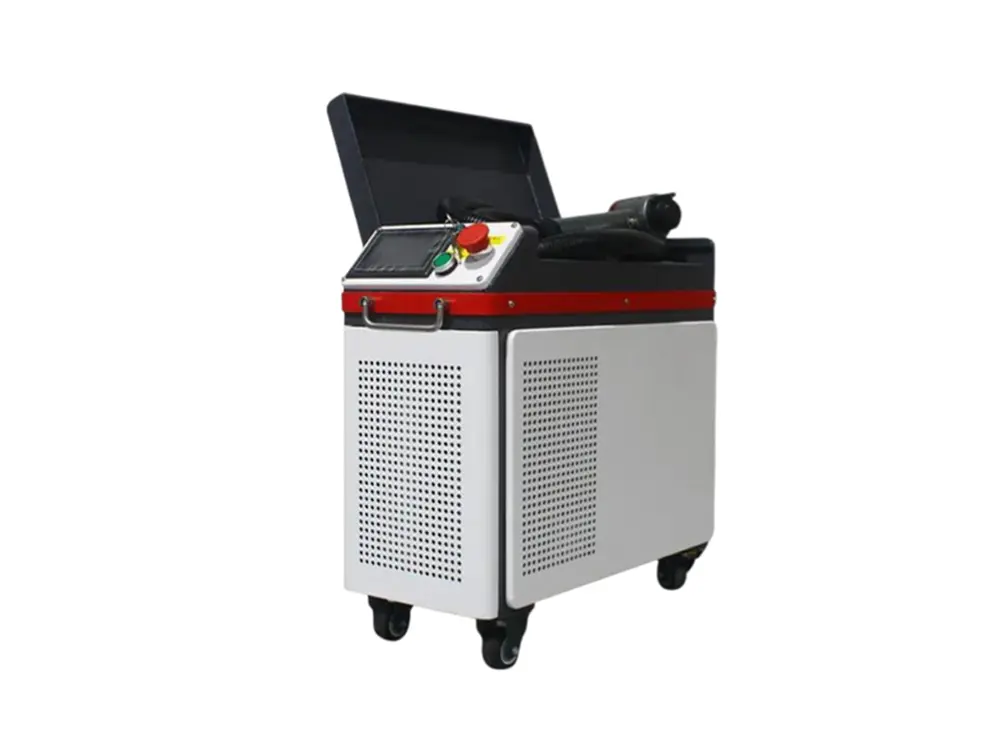
Wintek offers a range of high-performance laser cleaning machines designed to meet diverse industrial needs. From precision pulse laser cleaners for delicate components to continuous laser cleaners for large-area processing, Wintek machines combine speed, accuracy, and safety.
Key advantages of Wintek laser cleaning systems include:
- High cleaning efficiency with minimal thermal impact.
- Flexible options for pulse or continuous operation.
- Advanced scanning and motion control for uniform coverage.
- Intelligent software for optimized workflow and reduced human error.
- Robust cooling systems ensure stable operation and long equipment life.
With Wintek, manufacturers can achieve faster production cycles, reduce operational costs, and maintain superior surface quality, making it the trusted choice for industries worldwide.