










Stainless steel doors and windows are prized for their exceptional durability, sleek appearance, and corrosion resistance. They have become a popular choice for residential, commercial, and industrial projects alike. However, crafting them to perfection demands precise workmanship, strong joints, and flawless finishes — requirements that traditional welding methods often struggle to meet.
This is where manual laser welding machines excel. Specifically designed for high-precision metalwork, they deliver outstanding efficiency, accuracy, and visual quality, making them the go-to solution for modern stainless steel fabrication. In this article, we’ll explore why manual laser welding is the ideal choice for stainless steel door and window production, explain how it works, its benefits, and share practical tips for achieving the best results.
Understanding Manual Laser Welding Machines
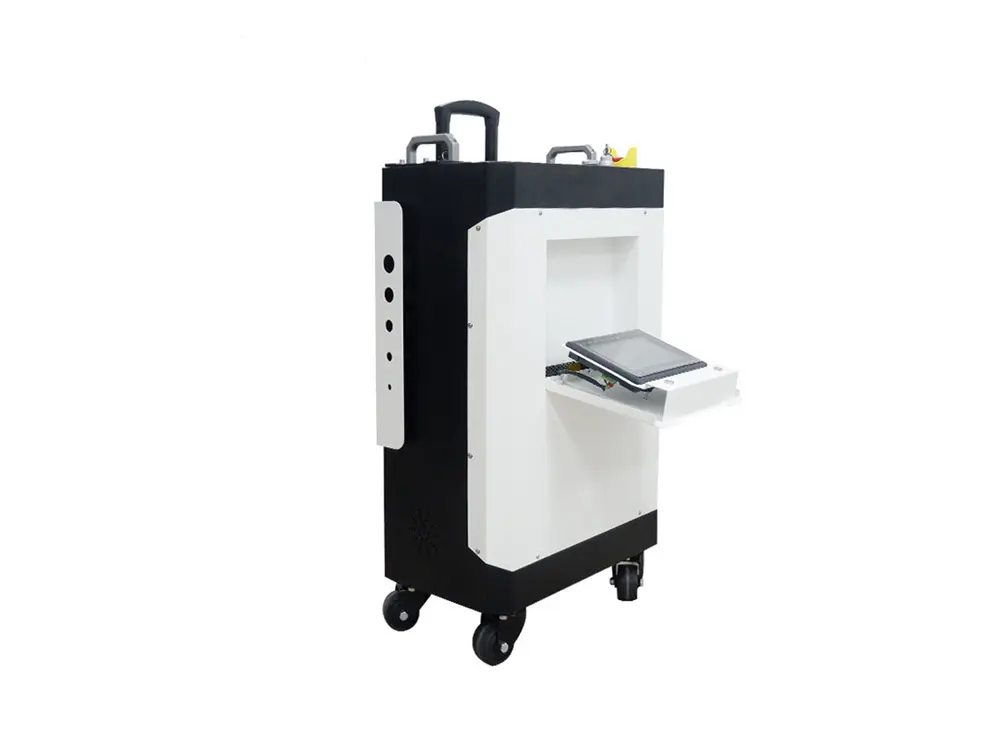
The manual laser welding machine is a handheld or portable laser system that uses a concentrated laser beam to join two pieces of metal. Unlike automated systems, a manual laser welder allows the operator to control the welding process directly, providing flexibility for complex shapes and detailed work.
Key components include:
- Laser source: Often a fiber laser for high efficiency and beam quality.
- Welding gun: Ergonomically designed for comfort and precision.
- Control panel: Adjusts parameters such as power, speed, and spot size.
- Cooling system: Maintains optimal operating temperature for stable performance.
How Manual Laser Welding Works for Stainless Steel Fabrication

The process involves focusing a high-energy laser beam on the joint area. The heat generated melts the metal surfaces, and upon cooling, the parts fuse.
For stainless steel door and window fabrication:
- Preparation: Clean the surfaces to remove dust, oil, or oxidation.
- Positioning: Align frames, panels, or fittings precisely.
- Parameter setting: Adjust laser power (usually 1000–3000W for this application), speed, and spot size.
- Welding: Move the welding gun steadily along the seam.
- Inspection: Check for uniformity, penetration, and finish.
Benefits of Manual Laser Welding for Doors and Windows
1. High Aesthetic Quality
Laser welding produces smooth, neat seams with minimal spatter. This means less polishing and grinding, preserving the high-gloss look of stainless steel.
2. Low Heat Input, Minimal Distortion
The concentrated heat reduces the heat-affected zone (HAZ), minimizing warping of thin stainless steel profiles.
3. Fast Welding Speed
Compared to TIG welding, laser welding can be 2–10 times faster, depending on material thickness and joint type.
4. Strong, Durable Joints
Laser welds have high tensile strength and corrosion resistance, matching the performance of the base material.
5. Reduced Post-Processing
In most cases, the welds require little to no further finishing, saving labor costs and time.
Applications in Stainless Steel Door and Window Fabrication
Manual laser welding machine can handle various fabrication tasks, including:
- Welding stainless steel door frames.
- Joining decorative stainless steel panels.
- Assembling window frames with minimal visible seams.
- Repairing or modifying existing stainless steel structures.
- Creating custom designs with complex shapes.
Choosing the Right Manual Laser Welding Machine
When selecting a machine for stainless steel fabrication, consider the following:
- Laser Power: For doors and windows, 1000W–2000W is generally sufficient. Thicker profiles may require up to 3000W.
- Welding Modes: Look for machines that support multiple modes, enabling flexibility for different thickness.
- Portability and Ergonomics: A lightweight handheld gun reduces operator fatigue, especially during long fabrication sessions.
- Cooling System: Efficient water cooling ensures stable performance during continuous work.
- Safety Features: Essential protections include safety interlocks, emergency stop buttons, and protective eyewear for laser light.
Step-by-Step Guide to Welding a Stainless Steel Door Frame

1. Material Preparation: Ensure the stainless steel profiles are cut precisely with square edges.
2. Cleaning: Remove any fingerprints, oil, or oxidation to prevent contamination.
3. Fixturing: Secure the pieces with clamps or fixtures to maintain alignment.
4. Parameter Adjustment: Set laser power, speed, and wire feed (if using filler wire).
5. Welding Technique: Maintain a consistent travel speed and keep the gun at the correct angle.
6. Post-Weld Cleaning: Wipe the surface to remove any residues; light polishing may be applied if needed.
7. Final Inspection: Check weld penetration and ensure there are no cracks or defects.
Safety Considerations
Laser welding involves high-intensity light and heat, so safety precautions are crucial:
- Wear laser-rated protective glasses.
- Avoid direct eye and skin exposure to the laser beam.
- Work in a well-ventilated area to prevent inhalation of fumes.
- Follow the manufacturer’s guidelines for operation and maintenance.
Maintenance of a Manual Laser Welding Machine
Proper maintenance is essential to keep a manual laser welding machine operating at peak performance and to extend its service life. The optical components, especially the protective lens, should be cleaned regularly to prevent dust or spatter buildup that can reduce beam quality. The cooling system also requires attention since the water must remain clean and the temperature should stay within the manufacturer’s recommended range to avoid overheating.
Operators should routinely inspect cables, connectors, and the welding gun for signs of wear or damage and address any issues promptly to prevent performance loss or safety hazards. It is equally important to replace consumables such as nozzles and protective tips once they become worn, as this ensures consistent weld quality.
Finally, following the manufacturer’s operational guidelines, keeping firmware or software updated if applicable, and maintaining proper storage conditions when the machine is not in use will help ensure reliable performance and long-term durability.
Cost and ROI Considerations
While manual laser welding machines may have a higher initial cost than traditional TIG welders, the return on investment is often rapid because of:
- Faster production times.
- Reduced labor costs.
- Minimal post-processing.
- Improved product quality, leading to higher customer satisfaction.
For stainless steel door and window manufacturers, payback can occur in as little as 6–12 months, depending on production volume.
Conclusion
In stainless steel door and window fabrication, a manual laser welding machine is not just a tool but a powerful upgrade to production quality and efficiency. It delivers clean, strong, and visually appealing welds while minimizing distortion and reducing post-processing time. For manufacturers aiming to improve both output speed and product aesthetics, this technology offers a clear path forward.
With the right equipment, proper training, and consistent maintenance, workshops can produce stainless steel doors and windows that meet the highest standards of durability and design, ensuring long-term value for both the manufacturer and the customer.