
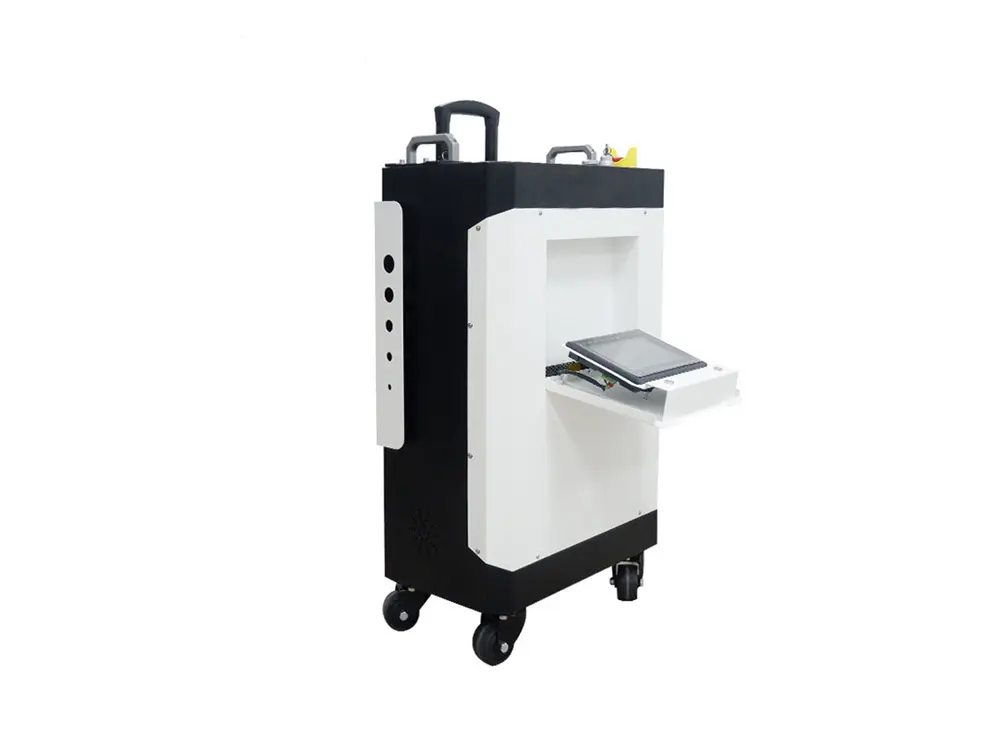
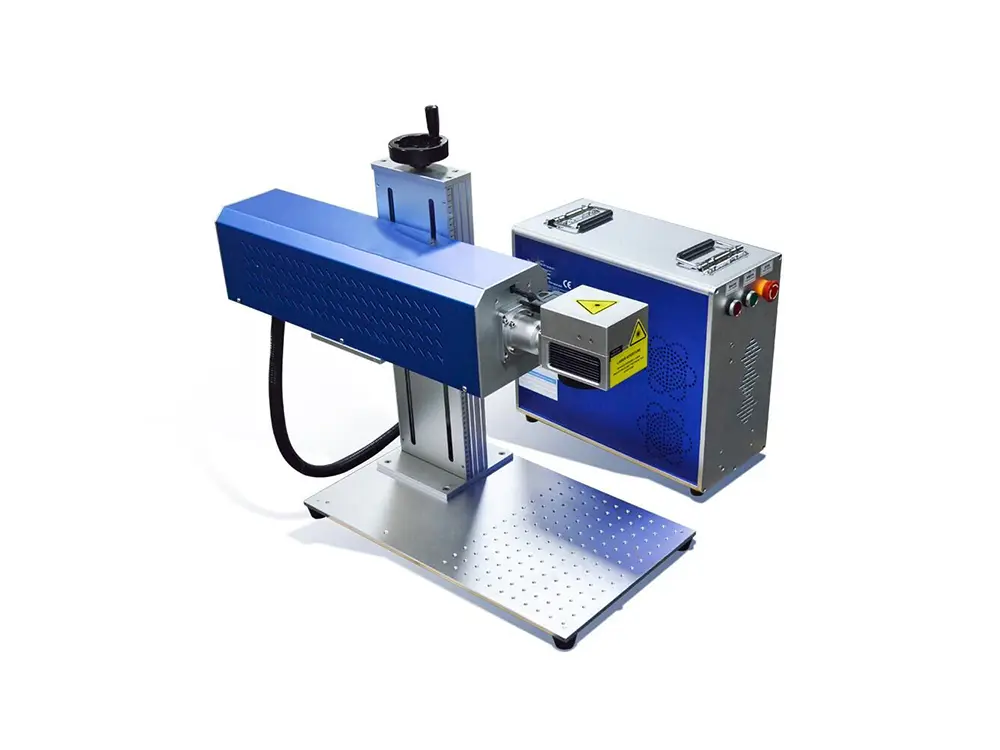











The automotive repair industry demands precision, efficiency, and high-quality results. Whether restoring classic vehicles, maintaining fleet cars, or performing body shop repairs, the cleaning stage is critical. Traditional cleaning methods, such as sandblasting, chemical solvents, or abrasive grinding, can be time-consuming, environmentally harmful, and sometimes damaging to the underlying material.
Industrial laser cleaning machines have emerged as a cutting-edge solution for automotive repair professionals. Using concentrated laser beams, these machines remove contaminants such as rust, paint, grease, or oxidation without affecting the base material. For repair shops seeking to enhance turnaround time, minimize labor costs, and achieve superior finishes, laser cleaning technology provides significant benefits.
How Industrial Laser Cleaning Machines Work
Industrial laser cleaning machines operate on a principle called laser ablation, where a high-intensity laser beam is directed at the surface of a workpiece to remove unwanted contaminants such as rust, paint, oil, or oxidation. The machine generates a focused beam of light with a specific wavelength, typically produced by a fiber laser source, which is absorbed more effectively by the contaminants than by the underlying material. This selective absorption causes the unwanted layer to heat rapidly and vaporize or break away in microscopic fragments, leaving the base material intact and undamaged.
Inside the machine, the laser source produces a beam that is transmitted through an optical fiber to the cleaning head, which contains a system of lenses and mirrors to focus the beam to the required spot size. The operator controls the cleaning head manually or via automated systems, moving it over the target area to evenly treat the surface. This non-contact cleaning method eliminates the need for abrasive media, chemicals, or mechanical scraping, reducing wear on the equipment and avoiding chemical waste disposal.
Key Benefits for Automotive Repair Applications
1. Damage-Free Cleaning
Unlike abrasive blasting or grinding, laser cleaning does not physically contact the surface, meaning there is no risk of warping thin panels, scratching delicate finishes, or removing excess base material. This is critical when working with classic car parts, aluminum body panels, or precision components.
2. Improved Efficiency and Speed
Laser cleaning allows technicians to process parts more quickly because there is no need to mask off areas or wait for chemicals to work. For example, removing rust from a door frame or chassis component can take minutes instead of hours, improving overall workshop throughput.
3. Lower Operating Costs
While the initial investment in a laser cleaning machine may be significant, the lack of consumables such as sand, blasting media, or chemical solvents leads to substantial savings over time. Additionally, reduced labor time means more jobs can be completed in the same period, further improving profitability.
4. Environmentally Friendly Operation
No hazardous dust clouds, wastewater, or chemical residues are produced. This makes it easier for shops to comply with environmental regulations and maintain a cleaner working environment. Many automotive repair facilities also use this as a marketing point to attract eco-conscious customers.
5. Versatility Across Automotive Applications
The single machine can handle multiple cleaning tasks—such as removing paint from panels, cleaning welding seams, stripping oxidation from exhaust systems, and even preparing surfaces for adhesive bonding. This versatility makes it an ideal investment for busy repair facilities.
Common Automotive Applications
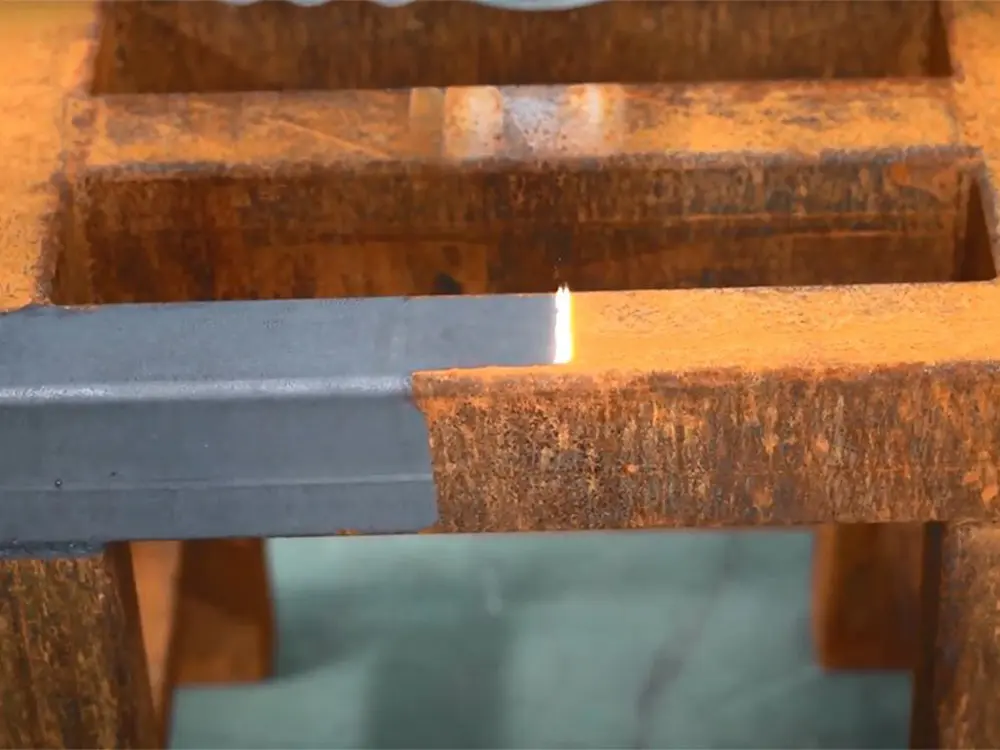
Rust Removal: Rust is one of the most common issues in automotive repair, especially in older or weather-exposed vehicles. Laser cleaning can precisely target corroded areas without affecting the surrounding healthy metal.
Paint and Coating Removal: Whether preparing a vehicle for repainting or removing old coatings from a classic car, laser cleaning can strip layers without leaving residue or roughening the surface excessively.
Oil and Grease Removal: Oil stains, grease deposits, and grime can interfere with welding, painting, and adhesive bonding. Laser cleaning quickly eliminates these contaminants, ensuring better adhesion and finish quality.
Weld Preparation and Post-Weld Cleaning: Before welding, laser cleaning ensures that surfaces are free from rust, paint, or grease, resulting in stronger welds. After welding, it can remove oxidation discoloration from the heat-affected zone, improving both appearance and corrosion resistance.
Integration Into Modern Repair Shops
Industrial laser cleaning machines can be integrated in several ways:
- Handheld Operation: Ideal for smaller workshops or areas requiring flexible movement.
- Robotic Integration: In high-volume repair centers, laser cleaning heads can be mounted on robotic arms for automated, repeatable cleaning cycles.
- Mobile Units: Portable systems allow technicians to bring the cleaning tool directly to the vehicle rather than dismantling parts.
Training requirements are minimal, and most operators can become proficient within a few hours. Machines also feature built-in safety systems, such as beam shutters and interlocks, to protect workers.
Return on Investment (ROI)
The ROI for an industrial laser cleaning machine in automotive repair is often realized within one to three years, depending on usage frequency. Shops benefit from:
- Reduced consumable purchases.
- Shorter repair cycles.
- Fewer rework incidents due to surface damage.
- Improved job quality and customer satisfaction.
Wintek Industrial Laser Cleaning Machine for Sale
Wintek is a leading company specializing in laser cleaning technology, offering advanced industrial laser cleaning machines that precisely remove rust, paint, oil, and other contaminants. Powered by fiber laser technology, our machines are easy to operate, require minimal maintenance, and deliver consistent performance. Our equipment types include continuous industrial laser cleaning machines and pulsed industrial laser cleaning machines.
Continuous Industrial Laser Cleaner 1000W-3000W for Sale

The continuous laser cleaning machine delivers powerful, high-speed cleaning for demanding industrial applications. Utilizing continuous-wave fiber laser technology, these machines excel at removing heavy rust, thick paint, oil, and other stubborn contaminants from large metal surfaces with exceptional efficiency.
Pulsed Industrial Laser Cleaner 100W-500W for Sale
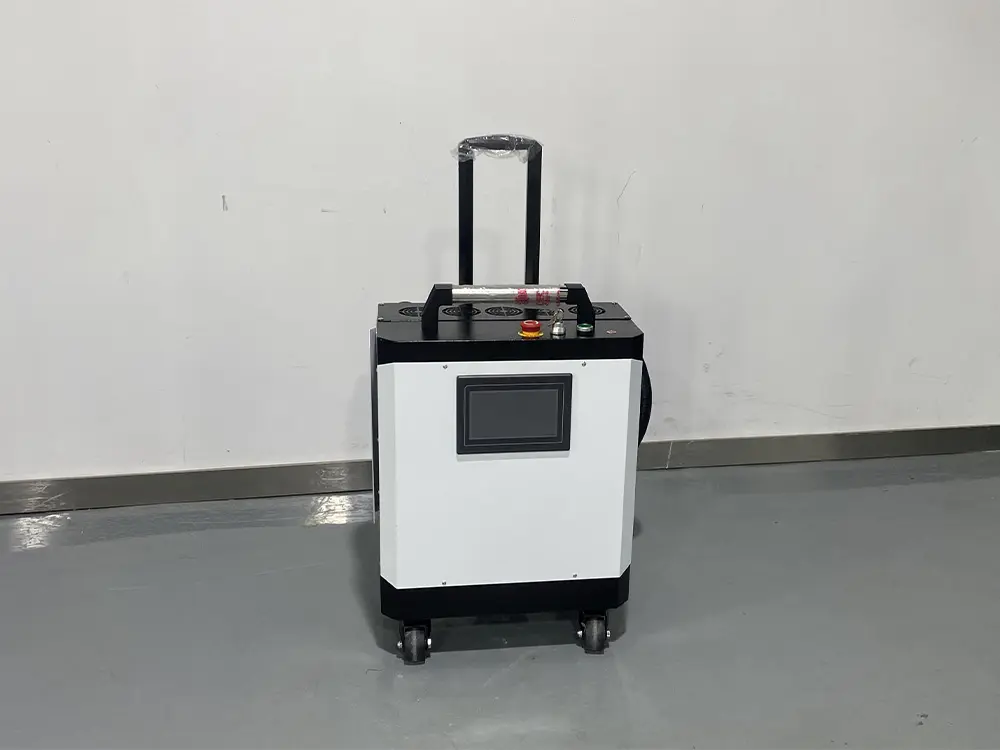
The pulsed laser cleaning machine provides precise, controlled cleaning for delicate or high-value surfaces. Using pulsed fiber laser technology, these machines effectively remove rust, paint, oil, and other contaminants without damaging the underlying material. Ideal for applications such as mold cleaning, heritage restoration, electronics, automotive, and fine component processing.
Conclusion
Industrial laser cleaning machines are transforming the way automotive repair shops approach surface preparation. By replacing outdated, labor-intensive, and environmentally harmful cleaning techniques with high-precision and non-contact laser technology, repair professionals can achieve cleaner results, faster turnaround times, and greater cost efficiency. The technology’s ability to selectively remove rust, paint, or other surface contaminants without damaging the underlying material means that vehicles, whether classic restorations or modern models, receive the highest quality care possible.
Furthermore, laser cleaning aligns with the automotive industry’s growing focus on sustainability and environmental responsibility. Without relying on harsh chemicals or producing excessive waste, repair facilities can reduce their environmental footprint while also protecting the health and safety of their workers. This makes laser cleaning not just a performance upgrade but also an ethical and future-focused choice.
As technology continues to evolve, laser cleaning systems are becoming more compact, user-friendly, and affordable, making them accessible to repair shops of all sizes. The return on investment is realized through reduced labor costs, faster job completion, and enhanced customer satisfaction, along with the ability to take on more complex and high-value projects.